























Rubio’s high-stakes Jerusalem-Beirut huddle
Plus, Senate Rs hold the line on Iran enrichment


 Add JewishInsider on Google
👋 Good Tuesday morning!
In today’s Daily Kickoff, we preview today’s high-level talks in Washington between Israel and Lebanon, and talk to Senate Republicans about reports of a U.S. request for Iran to pause its enrichment of uranium for 20 years. We report on a call from Rep. Angie Craig, who is mounting a Senate bid, for Minnesota Democrats to investigate antisemitic activity ahead of the state party’s convention, and look at what the election in Hungary of Péter Magyar could portend for Budapest-Jerusalem relations. Also in today’s Daily Kickoff: Gov. Wes Moore, Noah Wyle and Elkana and Rebecca Bohbot.
Today’s Daily Kickoff was curated by JI Executive Editor Melissa Weiss and Israel Editor Tamara Zieve, with assists from Danielle Cohen-Kanik and Marc Rod. Have a tip? Email us here.
What We’re Watching
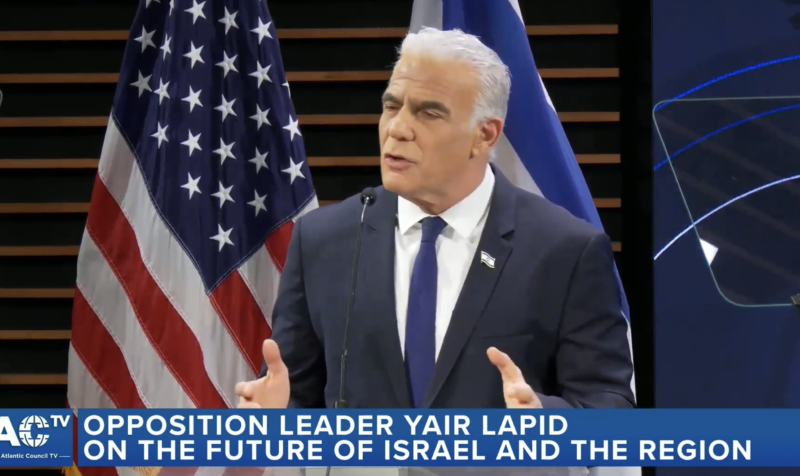
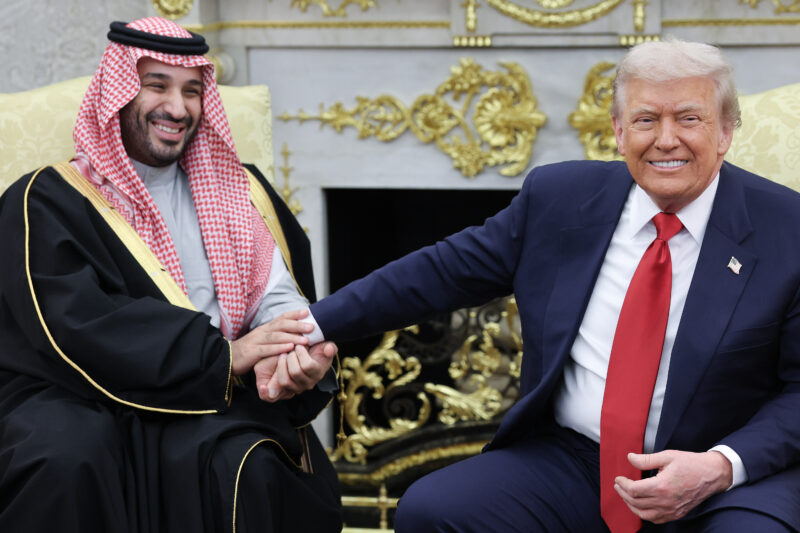
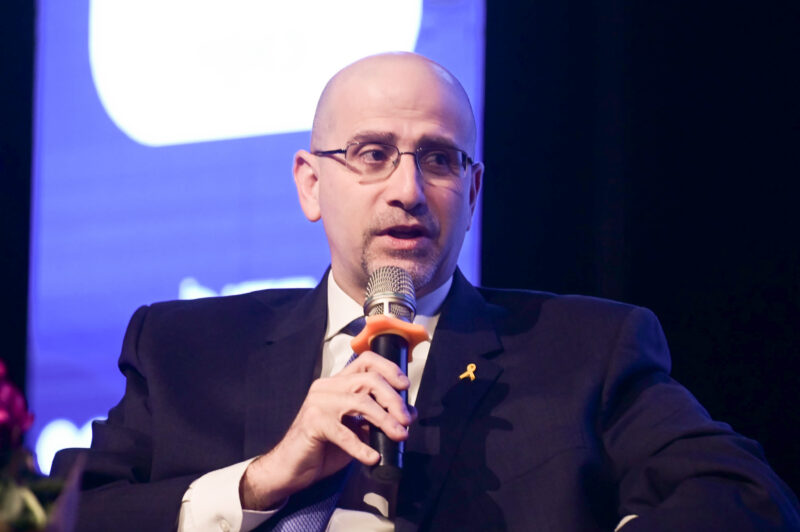
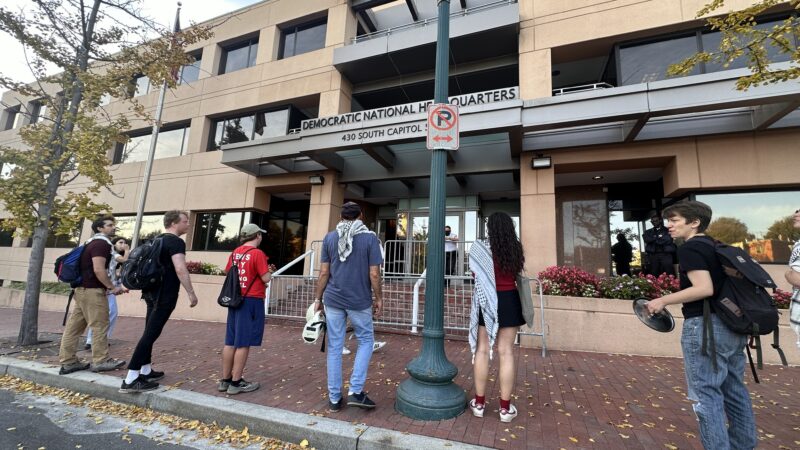
- Secretary of State Marco Rubio will oversee talks in Washington this morning with Israeli Ambassador to the U.S. Yechiel Leiter and Lebanese Ambassador to the U.S. Nada Hamadeh. U.S. Ambassador to Lebanon Michel Issa and State Department Counselor Michael Needham will also join the talks, slated to start at 11 a.m. Read more here.
- Ahead of the talks, a senior Hezbollah official said the Iran-backed group would not abide by any agreement reached between Beirut and Jerusalem. Fighting between Israel and Hezbollah has continued since the implementation of the Iran ceasefire, but has largely occurred in southern Lebanon and northern Israel following pressure from the White House for Israel to scale back its attacks in Beirut.
- A second round of in-person negotiations between the U.S. and Iran could take place as soon as this week — days before the April 21 expiration of the current ceasefire — following President Donald Trump’s comments yesterday that “we’ve been called by the other side,” who would “like to make a deal very badly, very badly.”
- The U.S. Holocaust Memorial Museum is hosting its annual Yom HaShoah commemoration on Capitol Hill this morning, with more than 30 Holocaust survivors slated to attend. House Speaker Mike Johnson (R-LA), House Minority Leader Hakeem Jeffries (D-NY), Sen. Kirsten Gillibrand (D-NY), Reps. Joe Wilson (R-SC) and Lois Frankel (D-FL) and Commerce Secretary Howard Lutnick will participate in the ceremony, during which Ben Ferencz, who served as the U.S.’ chief prosecutor in Nuremberg, will be posthumously honored.
- The Atlantic Council is hosting Jacob Helberg, the State Department’s under secretary of state for economic growth, energy and the environment, this evening for a discussion on U.S. economic leadership in the Middle East.
- Semafor’s World Economy Summit continues today in Washington. Speakers include Helberg, Sens. Tim Sheehy (R-MT) and Gary Peters (D-MI), former Commerce Secretary Penny Pritzker, Michael Dell, Reid Hoffman, Meta’s Dina Powell McCormick, Forum AI’s Campbell Brown and Citadel’s Ken Griffin.
What You Should Know
A QUICK WORD WITH JI’S JOSH KRAUSHAAR
Tomorrow (April 15) isn’t just Tax Day, but it’s also the deadline for candidates vying in the pivotal midterms to report their latest fundraising figures — an important marker on the political calendar in determining which candidates are raising enough money to run credible campaigns and which will be left financially behind.
Historically, having a critical mass of prominent, well-heeled supporters was a prerequisite for a congressional candidate being able to get their message out to the public.
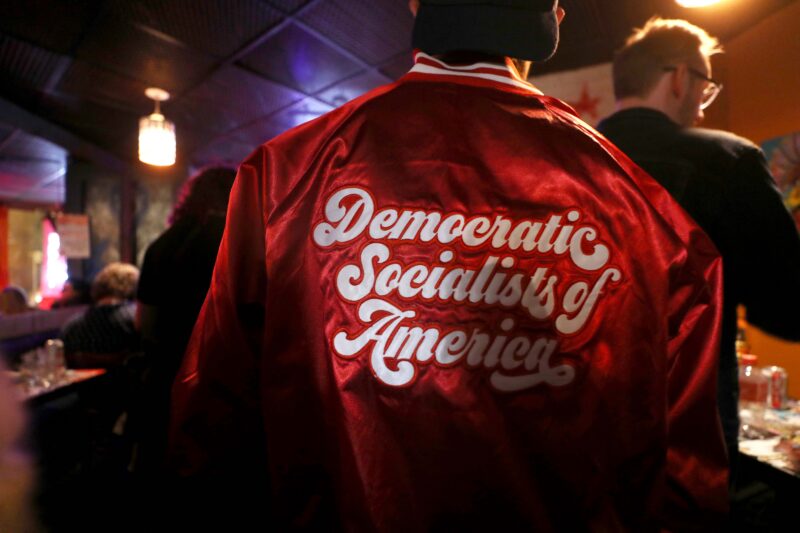
Not long ago, candidates with extreme or exotic views — such as those affiliated with the Democratic Socialists of America on the left or those embracing conspiracy theories on the far right — would have a hard time being taken seriously by rank-and-file donors, who typically want a back a winner and would shy away from those with far-out-of-the-mainstream views.
Similarly, the pro-Israel community historically benefited from the presence of strong organizations like AIPAC that helped pool supporters’ money to favored candidates, giving them outsized impact within both parties. More recently, AIPAC’s super PAC has led the way in engaging directly in political campaigns, directly spending money on behalf of favored candidates and attacking some of the most radical candidates on the ballot.
But in our brave new decentralized world of politics and media, where a critical mass of small-dollar donations from passionate individuals can easily be amassed online (especially through an incendiary video clip or well-timed fundraising appeal), the comparative advantage of having a defined group of reliable donors can be neutralized by an online feeding frenzy that galvanizes enough individuals to give to a radical cause or candidate.
At the same time, the social media-driven public conversation — without any guardrails and few standards — has totally transformed what is viewed as normal. One recent example: 27-year-old Kat Abughazaleh, a far-left social media influencer without any roots in the Chicago-area district she was running in, raised well over $3 million for her (unsuccessful) primary campaign, fueled by high-volume, low-dollar, largely out-of-state contributions.
If former House Speaker Tip O’Neill once said all politics is local, the opposite is true today. All politics is now nationalized, with the most outlandish hot takes and incendiary commentary most likely to go viral.
TEHRAN TALKS
Senate Republicans maintain Iran should have no enrichment capacity, amid reports of 20-year pause proposal

Senate Republicans maintained the position on Monday that Iran should never be allowed to possess nuclear enrichment capacity, following reports that the administration had proposed a 20-year pause in enrichment — rather than a permanent end to Iran’s enrichment capacity — as part of peace talks in Islamabad over the weekend, Jewish Insider’s Marc Rod reports.
What they’re saying: Sen. Pete Ricketts (R-NE) told JI that he hadn’t seen the reports about the administration’s negotiating position and declined to comment on it specifically, but said more broadly that he does not believe that Iran has any legitimate need for enrichment. “There’s no civilian reason for Iran to have an enrichment program,” Ricketts said. “They’re getting their uranium right now for their civilian program from Russia, and the fact that they have admitted they’ve enriched uranium to near bomb-grade potential demonstrates that this is for nuclear weapon production, not civilian use.”
Read the full story here with additional comments from Sens. Lindsey Graham (R-SC), John Cornyn (R-TX), Ted Budd (R-NC), Rick Scott (R-FL), Roger Wicker (R-MS), Tommy Tuberville (R-AL), John Kennedy (R-LA), James Lankford (R-OK) and John Curtis (R-UT).
MARKING THE DAY
Wes Moore pledges solidarity with Jewish community, emphasizes ‘responsibility’ of Holocaust remembrance
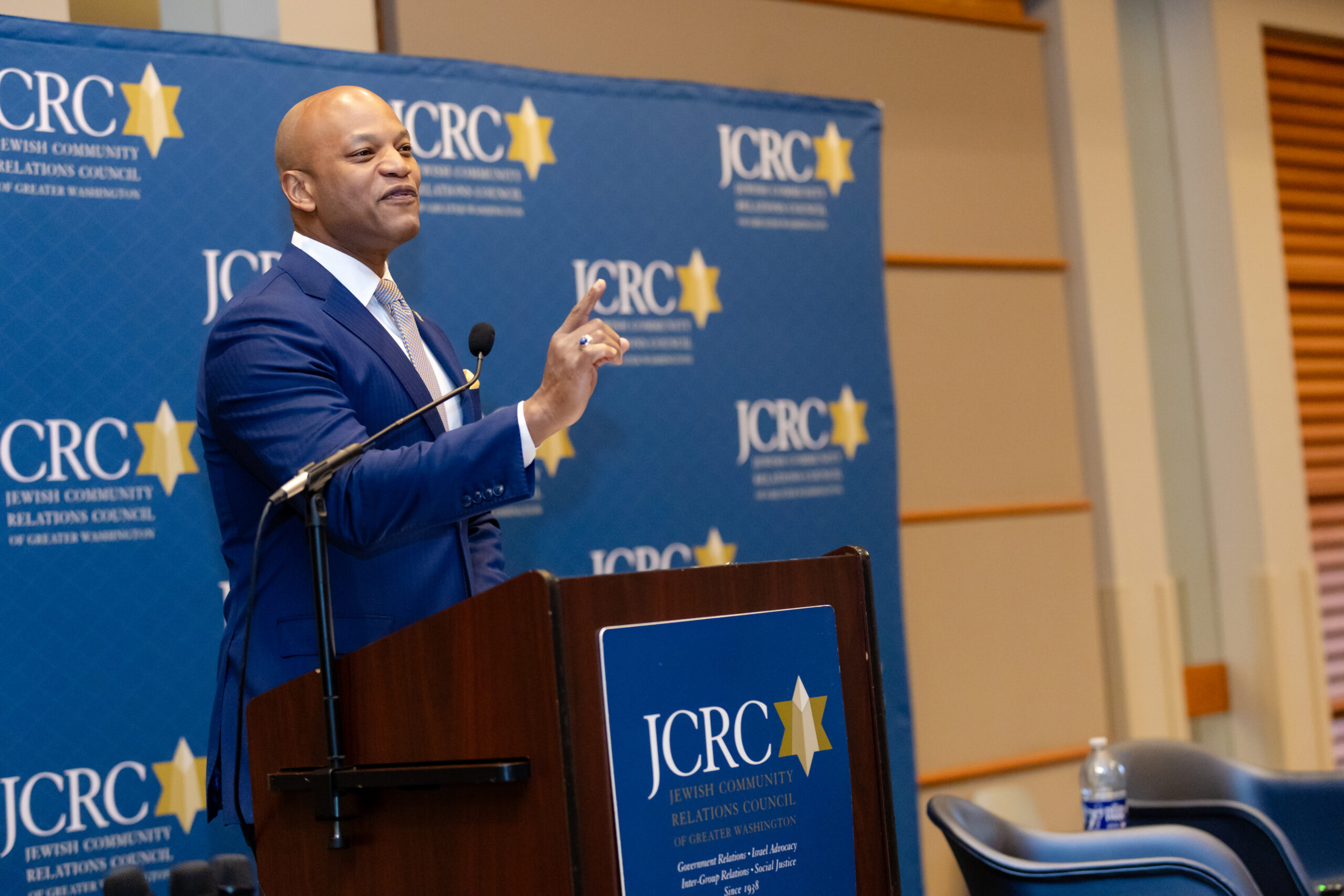
Maryland Gov. Wes Moore pledged that his administration “will always support Maryland’s Jewish community” in recorded remarks for an event Monday evening marking Yom HaShoah, Israel’s Holocaust memorial day, at Beth Tfiloh Congregation in Pikesville, Md., a heavily Jewish suburb of Baltimore, Jewish Insider’s Marc Rod reports.
What he said: The Maryland governor, a potential Democratic presidential contender, said that it is his and his state’s “governing philosophy” to “unapologetically confront and condemn antisemitism and persecution wherever it arises,” to provide no refuge to hate, denial and conspiracy theories, to ensure that everyone feels safe to worship and to “realize the full promise of tikkun olam.” He called Holocaust remembrance a “responsibility” for those living today.
MINNESOTA MATTERS
Angie Craig calls on Minnesota Dems to investigate antisemitic activity ahead of state party convention
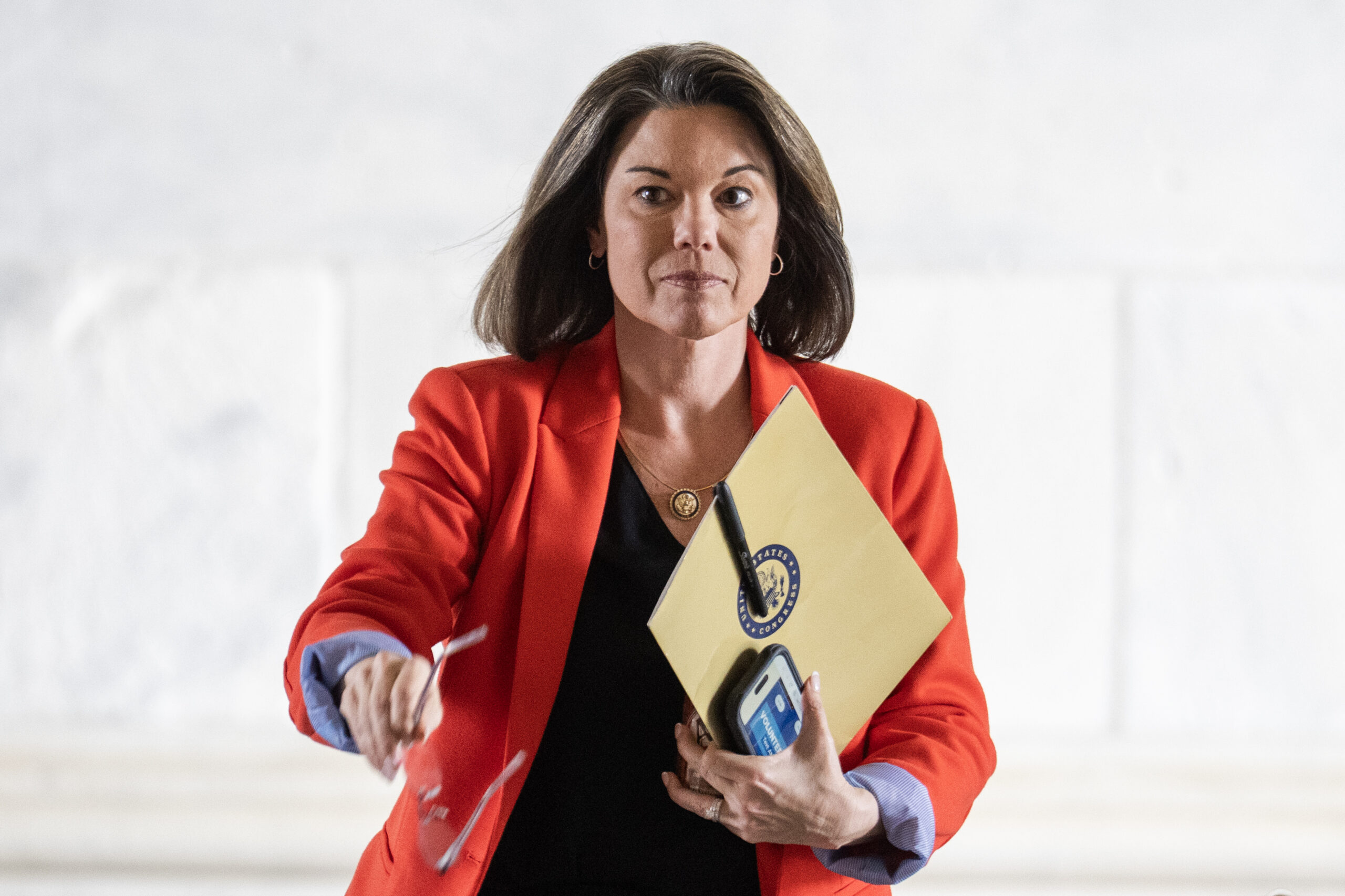
The Senate campaign of Rep. Angie Craig (D-MN) is calling on Minnesota’s Democratic Party to launch a formal investigation into a series of alleged instances of antisemitic activity among delegates in the lead-up to its state convention being held at the end of next month, Jewish Insider’s Matthew Kassel reports.
Allegations: In a letter sent last week to Richard Carlbom, chair of Minnesota’s Democratic-Farmer-Labor Party, Craig’s campaign wrote that one of its staffers had received a threatening anonymous phone call last month from a person “believed to be a delegate” who used an ethnic slur for Jews and said that the congresswoman “takes dirty Jewish money.” The letter, shared exclusively with JI, also cited a local DFL organizing convention in late March at which an unnamed delegate allegedly said that “we should nuke” Israel, among other examples of extremist violent rhetoric.
PIKER’S POV
Hasan Piker doubles down on Hamas support
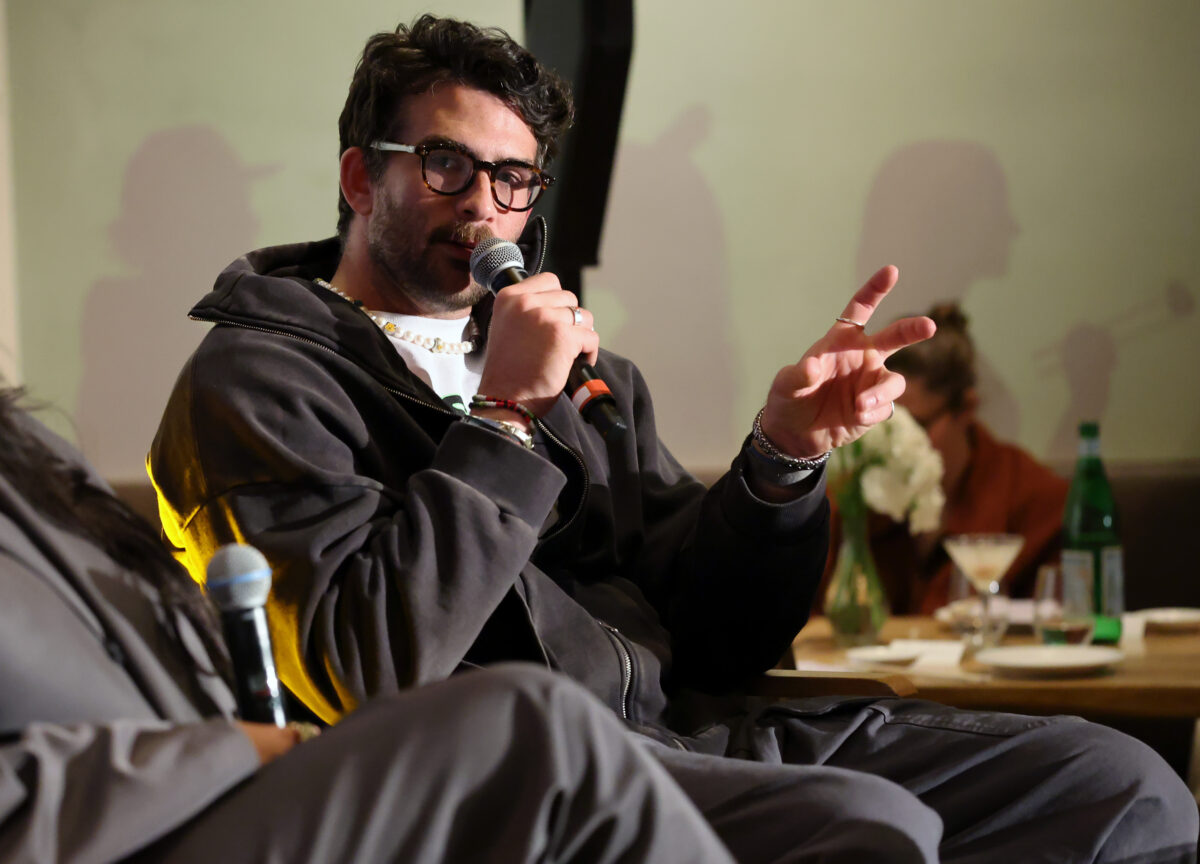
Given the chance to walk back some of his most incendiary commentary on an episode of the “Pod Save America” podcast released Sunday, antisemitic streamer Hasan Piker instead doubled down on his support of Hamas and other inflammatory rhetoric, Jewish Insider’s Danielle Cohen-Kanik reports.
What he said: “This [quote] is from January,” host Jon Favreau, a former speechwriter to President Barack Obama, told Piker in a segment looking back on some of Piker’s comments that have been picked up by national media. “‘Hamas is a thousand times better than a fascist settler colonial apartheid state,’” Favreau quoted. “I stand by that,” Piker responded quickly, later adding, “I’m a lesser-evil voter and therefore I would vote for Hamas over Israel every single time.”
Called to account: Sen. Rick Scott (R-FL) called for the federal government to “immediately” pull funding from Yale University over Yale Political Union’s decision to host Piker, who previously suggested that the senator should be killed. Piker is scheduled to speak on campus Tuesday for a debate titled “Resolved: End the American Empire,” JI’s Haley Cohen reports.
HUNGARY FOR MORE
Analysts expect continued pro-Israel slant from new Hungarian government under Magyar

The end of Hungarian Prime Minister Viktor Orbán’s 16-year tenure following his electoral defeat on Sunday to center-right rival Péter Magyar has sparked immediate questions regarding the future of one of Jerusalem’s most reliable, yet complicated, alliances in Europe. While Orbán’s departure removes a reliable ally of Israeli Prime Minister Benjamin Netanyahu within the European Union, experts suggest Jerusalem’s standing in Europe and bilateral relationship with Budapest will not be significantly set back, Jewish Insider’s Matthew Shea reports.
Solid standing: Jonathan Ruhe, a fellow at the Jewish Institute for National Security of America, suggested that significant change in posturing is unlikely. “Israel’s standing in Europe won’t be dimmed by Orbán’s departure,” Ruhe said. “Israel has reliable partners like Germany, Czechia, Greece and Cyprus. Germany in particular has been a firewall against a lot of European anti-Israeli actions, and Magyar has suggested he’ll follow Germany’s lead here.”
POLL POLITICS
New survey of Jewish voters finds partisan divide over pro-Israel political engagement
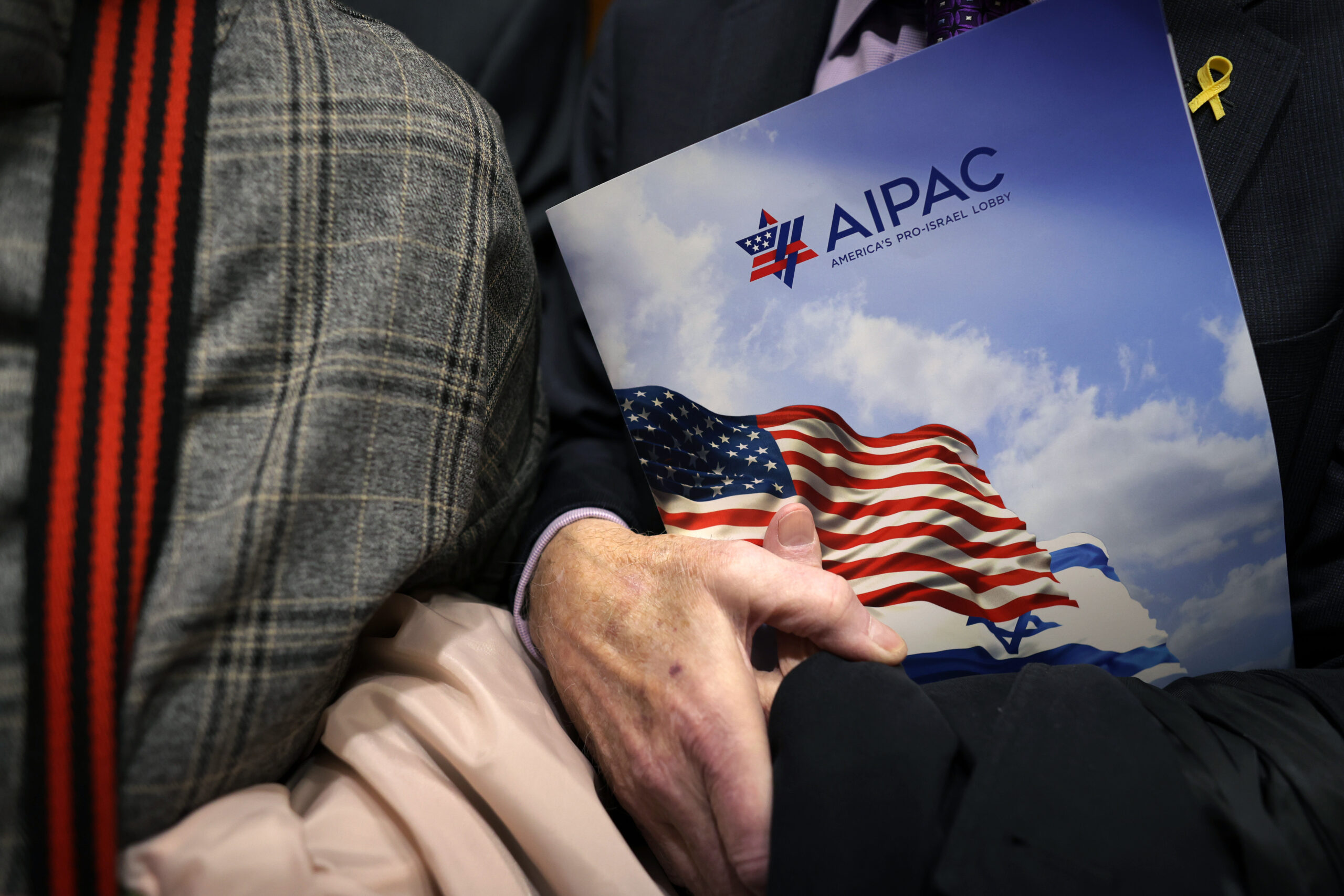
A recently conducted survey assessing how Jewish voters view leading Israel advocacy groups finds that public opinion is divided over the effectiveness of outside engagement in American elections, Jewish Insider’s Josh Kraushaar reports. The Mellman Group poll, commissioned by the Jewish Electorate Institute (JEI) and released last week, surveyed 800 registered Jewish voters between March 13-23.
Survey says: It found a narrow 39% plurality agreed that it “was more important than ever” for pro-Israel groups to play a leading role in speaking out against candidates who oppose a close U.S.-Israel alliance, while 37% of respondents feared that such advocacy risks making things worse. The split largely was along partisan lines: While two-thirds of Jewish Republicans and 59% of Jewish independents backed strong pro-Israel political advocacy, just 28% of Democrats shared the same view. A near-majority (46%) of Democrats feared that pro-Israel electioneering could turn voters against Israel.
Worthy Reads
West Bank Extremes: In The Free Press, Haviv Rettig Gur warns that settler violence in the West Bank has the potential to radicalize Palestinian elements in the enclave and drive further strife. “Underneath all of this is a structural failure: the absence of a coherent rule of law in the West Bank. In a system without clear law and order, naked power wins. Always. For Palestinians, legal uncertainty is constant — over land, over protection. For extremist settlers, that vacuum is an opportunity. Meanwhile, most Israelis are looking elsewhere, at rockets, at war, at existential threats. The settler violence issue feels secondary. Or unsolvable. And that’s a mistake. Because there will be a price to pay for this lawlessness.” [FreePress]
Dire Straits: In Foreign Policy, Bobby Ghosh looks at the challenges facing Tehran as the Islamic Republic focuses on its control of the Strait of Hormuz after six weeks of war that has degraded much of the country’s military capabilities. “The element of strategic surprise [on Hormuz] is now spent, and the world will find ways to mitigate the costs Iran can impose. Mojtaba Khamenei may match Trump for braggadocio, but the country he has inherited from his father has been devastated, and the prospects for recovery are grim. All the problems that existed before Feb. 28 exist still, compounded by everything the war has wrought. A survivor he may be. Stronger, he isn’t.” [ForeignPolicy]
IHRA Ire: In the Milwaukee Journal Sentinel, Combat Antisemitism Movement’s Alyza Lewin praises the decision by Wisconsin Gov. Tony Evers to sign into law legislation adopting the International Holocaust Remembrance Alliance’s working definition of antisemitism. “Why are detractors aggressively seeking to torpedo IHRA legislation? The answer: Because the IHRA definition exposes bad-faith actors who deliberately seek to conceal their hatred of Jews under the guise of political criticism of Israel. It unmasks those who claim to support Jews but work overtime to turn society against anyone who recognizes essential components of Jewishness, namely Jewish peoplehood and a shared ancestry originating in the Land of Israel.” [MilwaukeeJournalSentinel]
Word on the Street
President Donald Trump signed a bill extending the Holocaust Expropriated Art Recovery Act, which will make it easier for the descendants of Holocaust survivors and victims whose art was looted by the Nazis to recover the works; the legislation passed the House of Representatives last month and the Senate in December…
A group of six additional Senate Democrats plan to file new war powers resolutions this week to halt the war in Iran, a move that would allow Democrats to continue forcing votes on the war for the foreseeable future, Jewish Insider’s Marc Rod reports…
The Atlantic looks at the commercial impact of the U.S.’ blockade of the Strait of Hormuz as Washington attempts to force Iranian concessions vis-a-vis economic pressure…
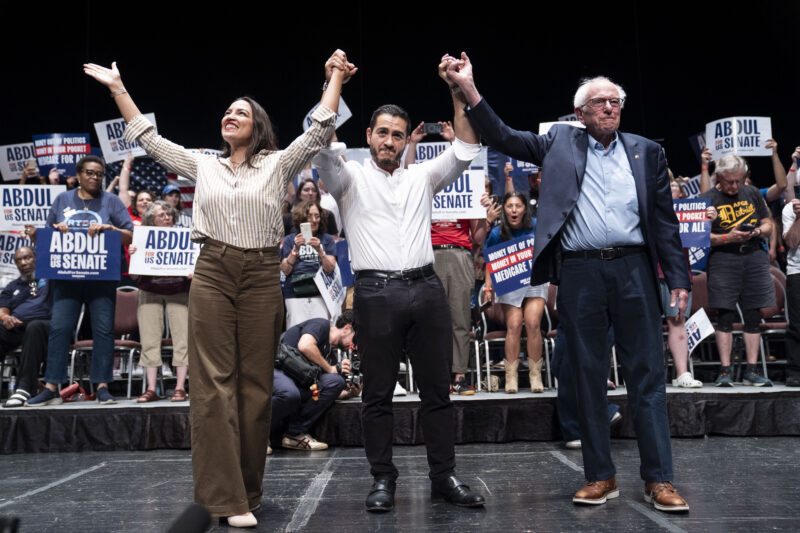
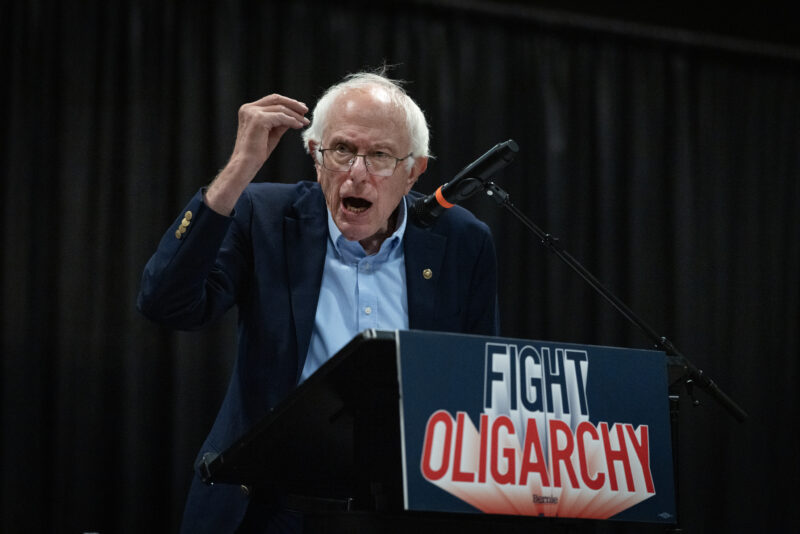
The Wall Street Journal spotlights Sen. Bernie Sanders’ (I-VT) efforts to shift the Democratic Party to the left as he backs far-left candidates across the country during the midterms…
Reps. Eric Swalwell (D-CA) and Tony Gonzales (R-TX) announced their resignations from Congress amid efforts to expel both men, in addition to Reps. Sheila Cherfilus-McCormick (D-FL) and Cory Mills (R-FL), from the House…
Pennsylvania Gov. Josh Shapiro hosted King Willem-Alexander and Queen Máxima of the Netherlands at an event at Philadelphia’s Independence Hall on Monday…
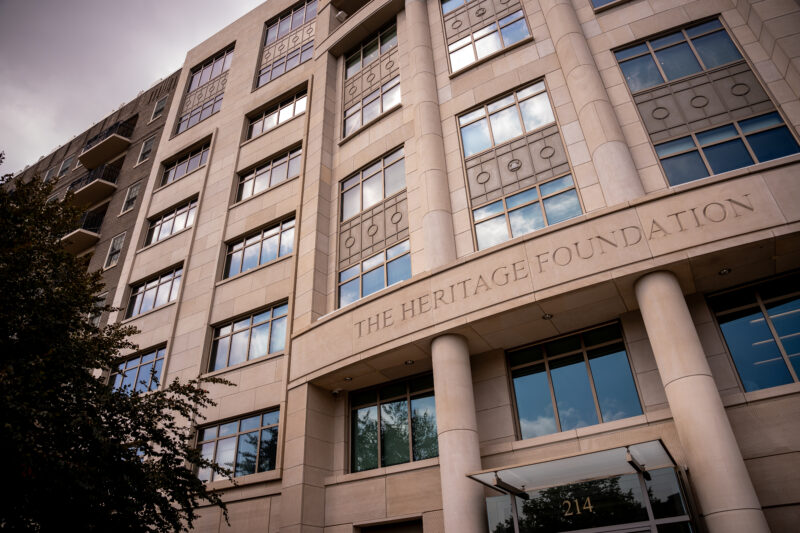
The Washington Post reports on a recent dinner in which Heritage Foundation chief Kevin Roberts praised Chronicles editor Paul Gottfried, whose monthly magazine has platformed far-right fringe and white supremacist writers…
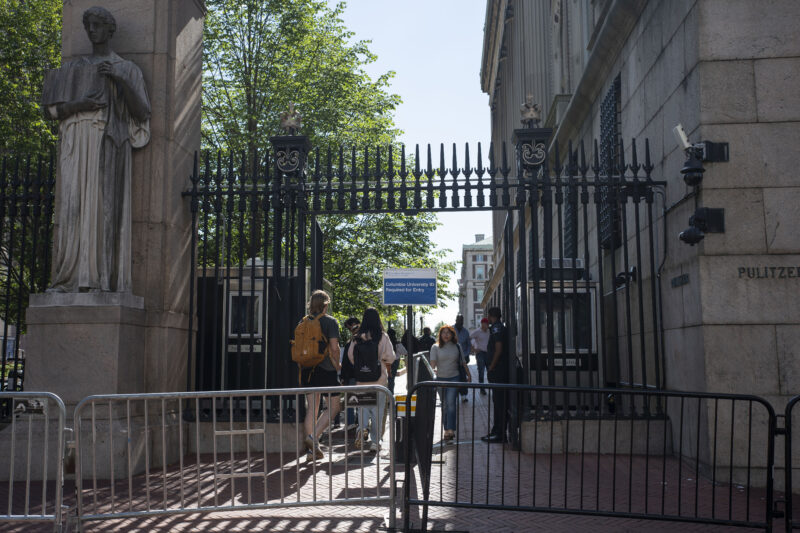
The New York Times looks at efforts by National Ground Game, a nascent Democratic group, and antisemitic conspiracy theorist Nick Fuentes to make gains on college campuses following last year’s killing of Charlie Kirk, whose Turning Point USA had developed a large campus following under Kirk’s leadership…
More than 1,000 Hollywood figures signed onto a letter from Jane Fonda’s Committee for the First Amendment, Norm Eisen’s Democracy Defenders Fund and the Future Film Coalition opposing Paramount’s efforts to acquire Warner Bros. Discovery, citing the loss of jobs and higher costs they believe would result from the deal…
“The Pitt” actor Noah Wyle, whose father was Jewish, talked to the U.K.’s Jewish Chronicle about his time on the show and his first experience playing a Jewish character…
Dublin’s National Concert Hall canceled an upcoming fundraiser for Magen David Adom Ireland for a second time after the event, scheduled for May, was canceled and reinstated…
A report from Tel Aviv University released ahead of Yom HaShoah, Israel’s Holocaust Remembrance Day, found that 2025 saw the highest level of deadly antisemitic violence in more than 30 years…
Former Israeli hostage Elkana Bohbot and his wife, Rebecca, announced on the six-month anniversary of Bohbot’s release from Gaza that they are expecting their second child…
Former U.S. Ambassador to the Bahamas Arthur Schechter, who previously served as president of the Jewish Federation of Houston and a member of the United States Holocaust Memorial Council, died at 84…
Pic of the Day
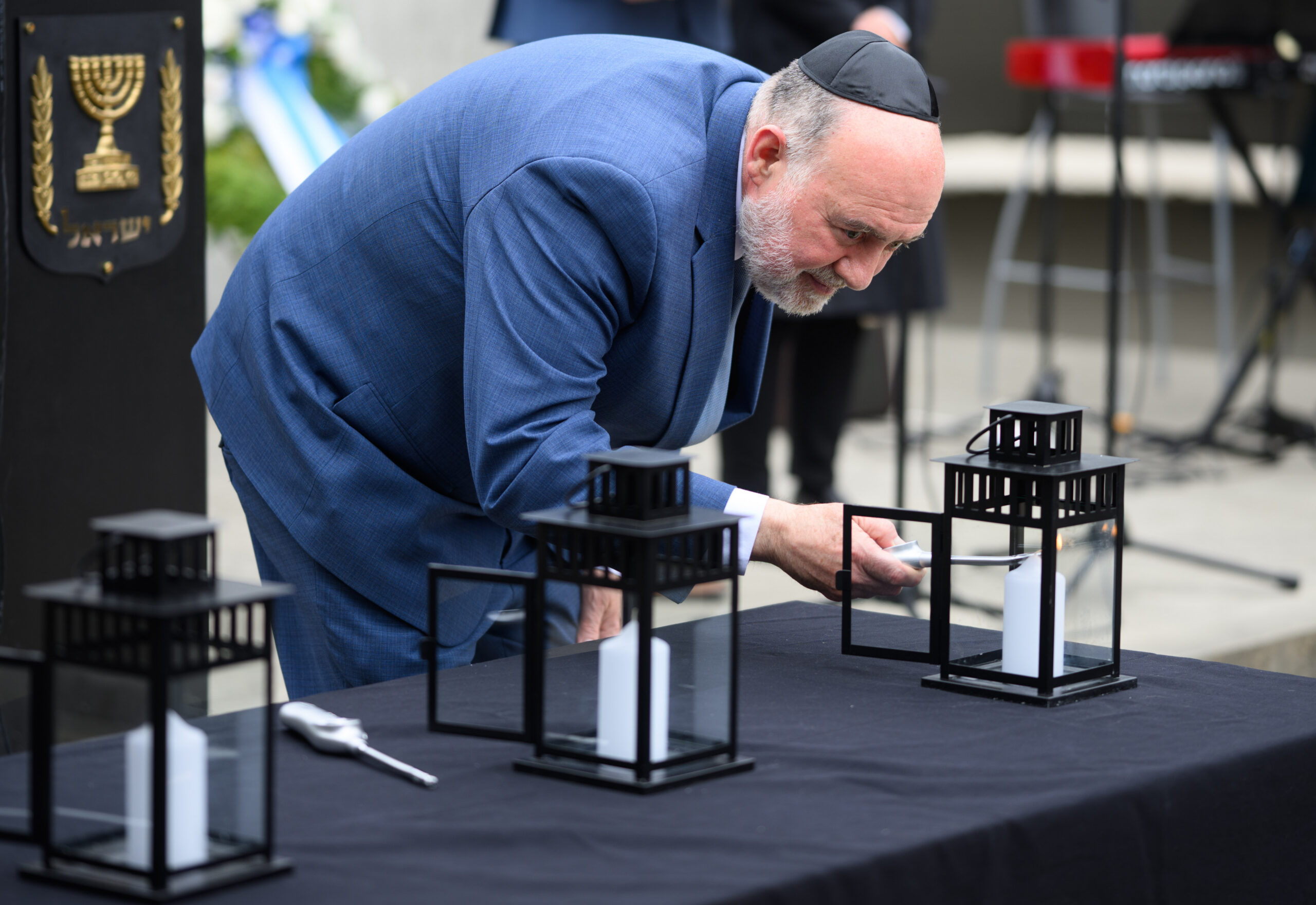
Israeli Ambassador to Germany Ron Prosor lit a candle this morning at a commemorative event for Yom HaShoah, Israel’s Holocaust Remembrance Day, at the Sachsenhausen Memorial in Oranienburg, Germany.
Birthdays
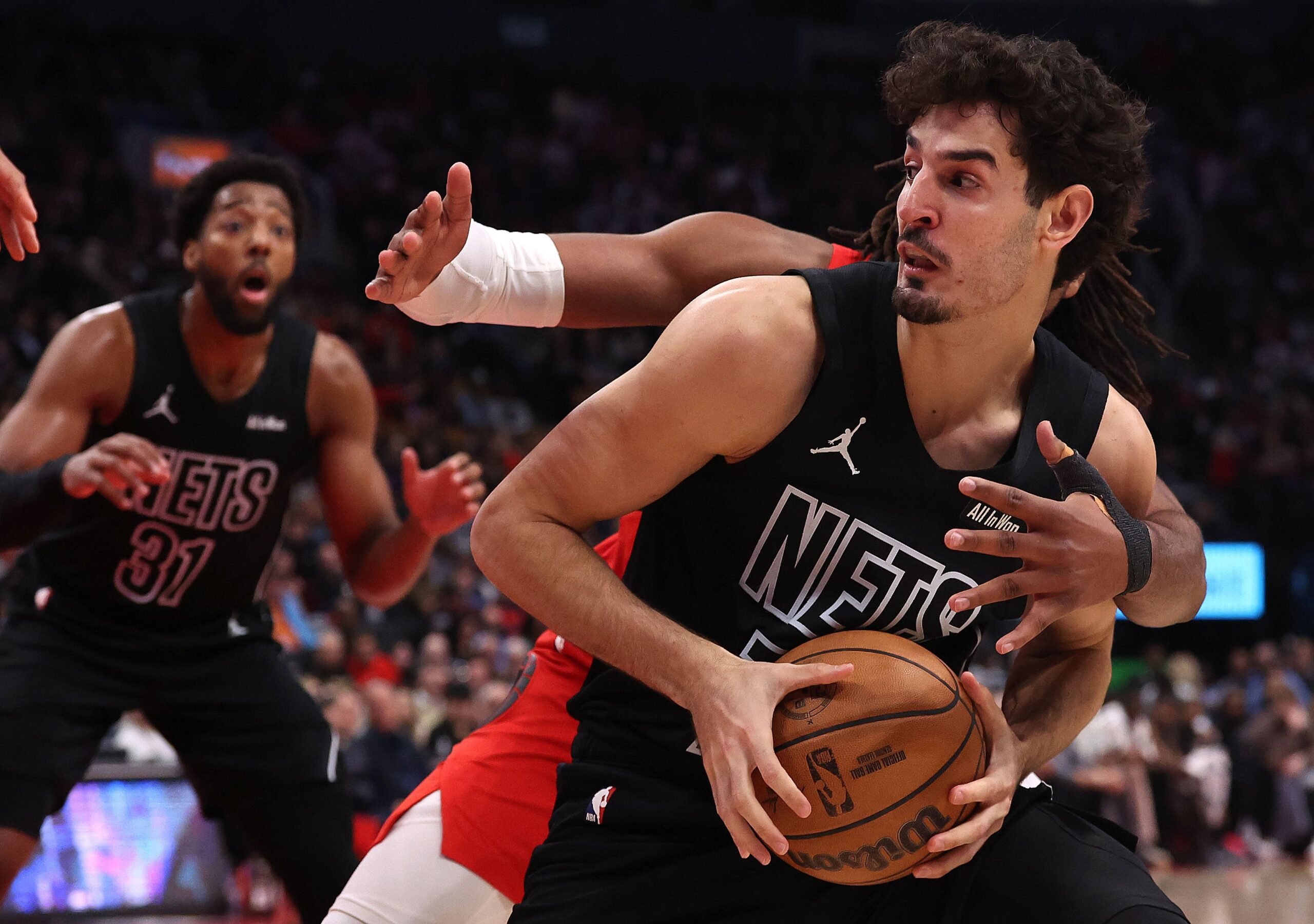
Basketball player selected 26th overall by the Brooklyn Nets in the first round of the 2025 NBA draft, Ben Saraf turns 20…
Anne Monk… Former chair of the U.S. Securities and Exchange Commission, Elisse B. Walter turns 76… Israeli news editor and analyst who retired in 2020 from the Israeli daily Haaretz, Chemi Shalev turns 73… Media executive who sold her family’s controlling interest in Paramount Global to Skydance Media in August 2025, Shari Redstone turns 72… Co-founder, co-chairman and co-CEO at Canyon Partners, LLC, Mitchell Julis turns 71… Film, television and theater producer, his credits include the widely acclaimed 2016 film “La La Land,” Marc Platt turns 69… Birmingham, Ala.-based post-denominational rabbi, known on social media as “Deep South Rabbi,” Barry Altmark… Founder of Bobbi Brown Cosmetics and author of 10 books about makeup and beauty, Bobbi Brown turns 69… Border czar for the first few months of the Biden administration, she is the former U.S. ambassador to Mexico, Roberta S. Jacobson turns 66… Bench coach for the New York Yankees, he was also bench coach for Team Israel at the World Baseball Classic in 2023, Brad Ausmus turns 57… Los Angeles-based freelance editor and writer, Robin Heinz Bratslavsky… SVP of Washington and investigative news at CNN, Adam Levine… Emmy Award-winning actress best known for the title role on the WB series “Buffy the Vampire Slayer,” Sarah Michelle Gellar Prinze turns 49… Journalist, professor and author of five books, Sasha Issenberg turns 46… Co-founder and CEO of Statt, a venture-backed AI/ML enterprise software platform, Steve Glickman… Teacher, formerly principal, at Bnei Akiva Schools of Toronto, Hillel David Rapp… French entrepreneur, he is the president of CRIF, the Representative Council of French Jewish Institutions since 2022, Yonathan Arfi turns 46… Founder and CEO of Charity Bids, Israel “Yummy” Schachter… Award-winning science fiction and fantasy writer, Rachel Swirsky turns 44… President of Sightful, he is the co-author of The New York Times bestseller The Black Banners, Daniel Freedman… Classical cellist, she was awarded a MacArthur Foundation genius grant in 2022, Alisa Weilerstein turns 44… Former baseball first baseman who played in the MLB, Japanese and Mexican leagues, Joshua S. Whitesell turns 44… Documentary filmmaker, Nicholas Ma… Washington-based senior technology policy reporter at Axios, Ashley Gold… Isaac Hasson… Graphic designer and daughter of Carolina Panthers owner, David Tepper, Casey Tepper… Yitzchak Tendler… Jon Fine… Moriah Elbaz…





Please log in if you already have a subscription, or subscribe to access the latest updates.
 Continue with Google
 Continue with Apple