












































Reading between the lines of Trump and Netanyahu’s staid statements on Iran
Behind the scenes, the main topic of conversation between the two leaders yesterday appeared to focus on options for action if Iran does not agree to a deal
GPO
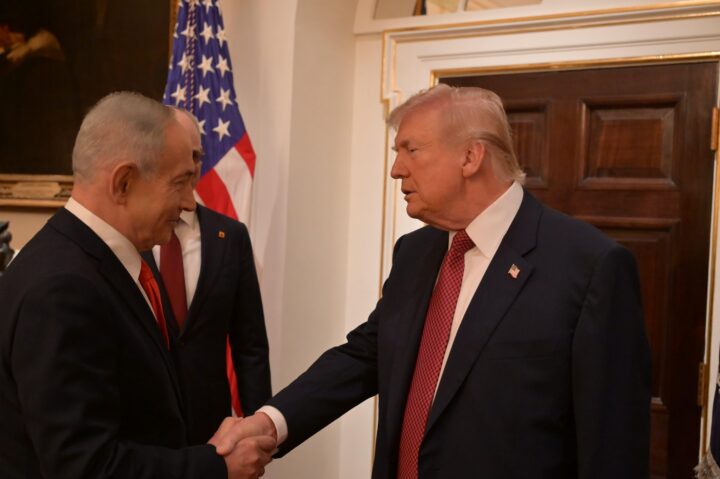
President Donald Trump greets Israeli Prime Minister Benjamin Netanyahu at the White House on Feb. 11, 2026.


 Add JewishInsider on Google
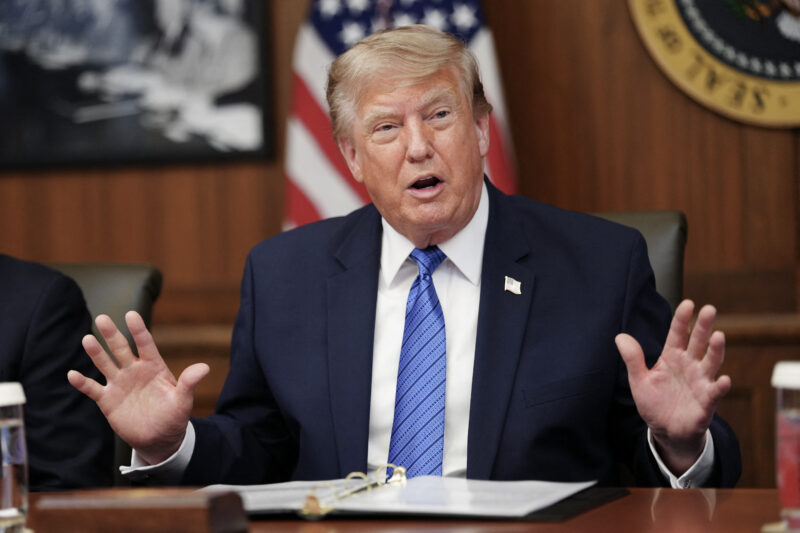
At first glance, President Donald Trump and Israeli Prime Minister Benjamin Netanyahu’s nearly three-hour meeting at the White House on Wednesday appeared to end without any clear accomplishments.
Instead of the freewheeling question-and-answer sessions with media in the Oval Office and formal press conferences that followed most of Trump and Netanyahu’s previous six meetings since Trump returned to the White House, came a laconic statement from Netanyahu’s office about Israel’s security needs and a Truth Social post from Trump that was staid by the president’s standards.
Trump wrote that he “insisted that negotiations with Iran continue to see whether or not a deal can be consummated. If I can, I let the Prime Minister know that will be a preference.” However, the president warned that last time Iran decided against making a deal, “that did not work out well for them,” and the U.S. struck the country’s nuclear sites.
However, Trump and Netanyahu were similarly silent about their meeting in April 2025 — their last in-person meeting before the joint strike in Iran two months later.
Behind the scenes, the main topic of conversation between the two leaders yesterday appeared to focus on options for action if Iran does not agree to a deal.
The lack of press around the meeting was because Netanyahu wanted to keep a relatively low profile and show deference to Trump, since a strike on Iran — should one occur — would be led by the U.S., an Israeli source said.
The Israeli side is very skeptical that any deal can be reached between the U.S. and Iran, with Trump saying publicly that a good deal would mean “no nuclear weapons, no ballistic missiles,” and Iranian Foreign Minister Abbas Araghchi saying the ballistic missile issue is a nonstarter for Tehran.
According to a report by Barak Ravid for Israel’s Channel 12, the Trump administration’s views are very close to those on Netanyahu’s team, with a senior American official also believing the Iranians are unlikely to compromise.
The meeting between the two leaders was “critical,” Ravid quoted the official as saying, because they “need to decide whether to conduct a joint strike if a deal is not reached.” Such a strike would be more likely to succeed if the militaries work together.
One indication of the Trump administration’s pessimism about the talks is the Pentagon’s order, as reported by The Wall Street Journal, for a second aircraft carrier strike group to deploy to the Middle East if negotiations fail, which came after Trump teased the idea earlier this week.
A source in Netanyahu’s delegation said that the prime minister also arrived in Washington with evidence, which he presented to Special Envoy Steve Witkoff and Jared Kushner on Tuesday and Trump on Wednesday, that the Iranians lied to the Americans about their intentions in the talks, which they never planned to include ballistic missiles, as well as about stopping the slaughter of anti-regime protesters.
Meanwhile, the U.S. and Iran have yet to set a date for a second round of talks, and the first was under 90 minutes long — with some of that time dedicated to their Omani hosts passing messages back and forth in the indirect talks.
More Stories
analysis
Pappas wins New Hampshire Senate nomination over anti-Israel Dem activist
analysis
Netanyahu’s U.N. visit presents test for Mamdani and NYPD

Norm-alizing?
Norm Eisen’s alliances with Israel critics raise eyebrows within Jewish community

ON THE HILL
Senate Republicans urge Saudi response to Houthi attacks
Please log in if you already have a subscription, or subscribe to access the latest updates.
 Continue with Google
 Continue with Apple