



































Stephen Maturen/Getty Images
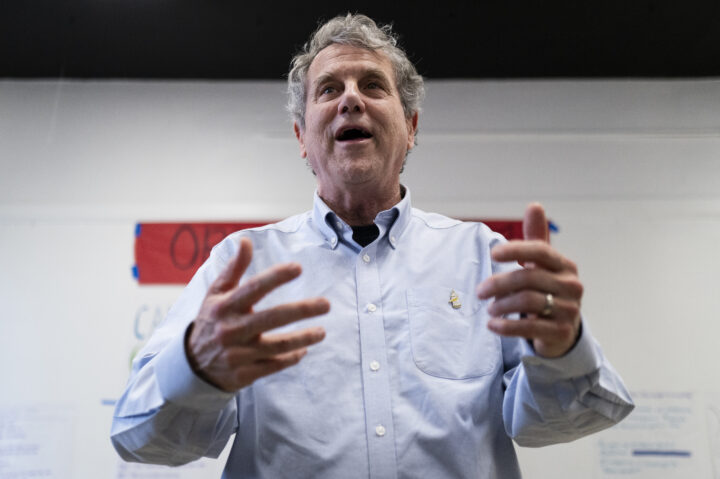
Democratic senate candidate, then-Sen. Sherrod Brown (D-OH), addresses volunteers at a campaign office on November 4, 2024 in Cleveland Heights, Ohio.


 Add JewishInsider on Google
It’s notable that Democrats are still relying on experienced, brand-name candidates a bit past their political prime as top recruits for key Senate races.
Former Sen. Sherrod Brown, now 72, is seeking a political comeback after losing his reelection bid last year in Ohio. Former North Carolina Gov. Roy Cooper is pursuing a career change to the Senate at 68 years old. Maine Gov. Janet Mills is being recruited into the Senate race against Sen. Susan Collins (R-ME) even though she’s 77.
To be sure, these are the strongest challengers Democrats could muster in these three must-win battleground states. All are popular statewide officials with a history of winning support from outside the party base. It’s hard to name any other Democratic candidate more capable of flipping these GOP-held seats than the aforementioned recruits.
But there’s another more uncomfortable reality that is drawing the Democrats towards their stars of yesteryear. In today’s fractured media environment, it’s incredibly hard for a new face to emerge and get the type of publicity rising stars would generate from “earned media” on television and in the press, as was common in the recent past.
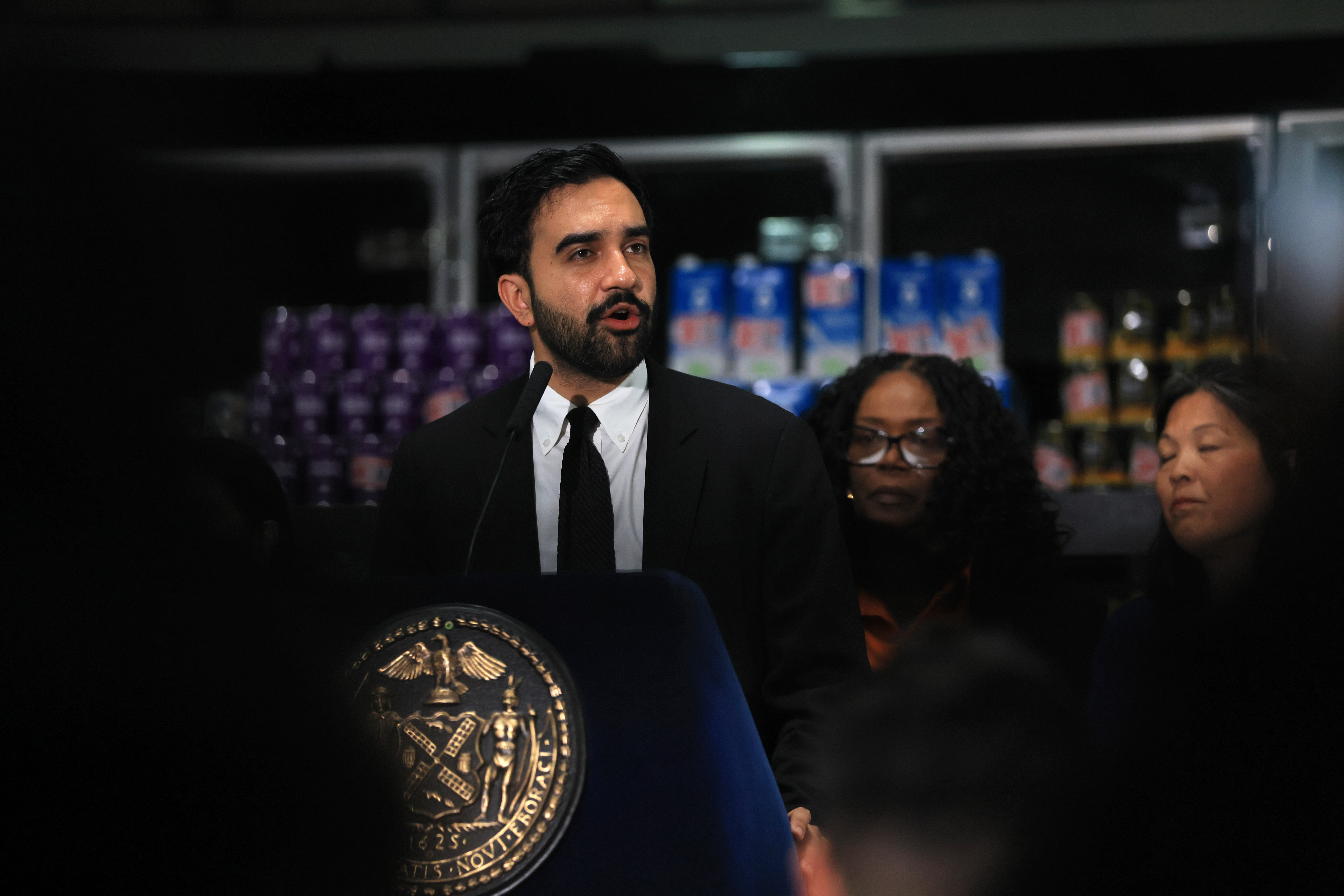
And given the declining influence of such mainstream platforms, the best way to get attention is by playing to the party’s activist base on social media. It’s how Zohran Mamdani broke through a comparatively dull field of challengers in the New York City Democratic mayoral primary. Going viral is becoming a prerequisite in today’s politics, and the best way to go viral is to play to the extremes — or to, like California Gov. Gavin Newsom, emulate President Donald Trump’s online bullying and trolling.
If you don’t have name identification built up from a career in politics, it’s hard to register any other way these days. And it’s exceptionally hard to break through the noise if you’re a thoughtful moderate.
It’s why we’re seeing a slew of Democratic candidates popping up who are looking to capture the anti-establishment mood within the party amid the desire for a younger generation of leadership. At the same time, most of these change-focused candidates also hold political views that are well out of the mainstream.
Take Democrat Graham Platner, the 40-year-old Maine oyster farmer and former bartender who is disrupting the party efforts to recruit Mills into the Senate race. He exudes authenticity, and is a political outsider who has never run for elective office before. But his support for government-run health care and apparent hostility towards Israel, to name a few issues, would certainly make it harder for him to win over the moderate-minded voters that Collins has easily secured in past elections.
That would be the case in any battleground state or district: Nominate a candidate who captures the imagination of the progressive base, and odds are they’ll be less electable in a general election.
The 2020 Democratic presidential primary was a case study in this dynamic. There were a handful of talented center-left candidates running, like Minnesota Sen. Amy Klobuchar or then-South Bend, Ind., Mayor Pete Buttigieg. But given the party’s alarm about Sen. Bernie Sanders’ (I-VT) electability, only the universally known Joe Biden had the profile to become the mainstream standard-bearer, even though he was 77 at the time.
At a certain point, the party’s bench of baby boomers will run out and the more progressive-minded Gen Zers will be stepping into political office. Whether this new generation can capture the public’s attention without being beholden to the ideological extremes will be one of the most consequential tests for the party’s future.
Please log in if you already have a subscription, or subscribe to access the latest updates.
 Continue with Google
 Continue with Apple