




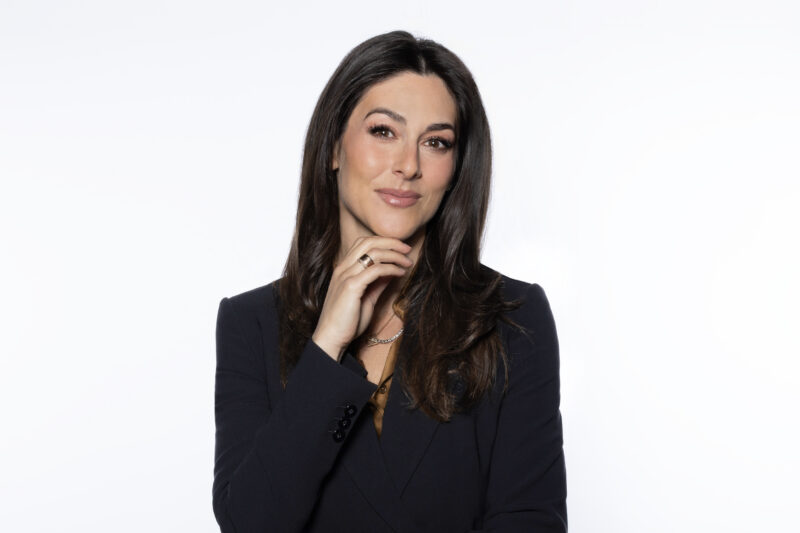

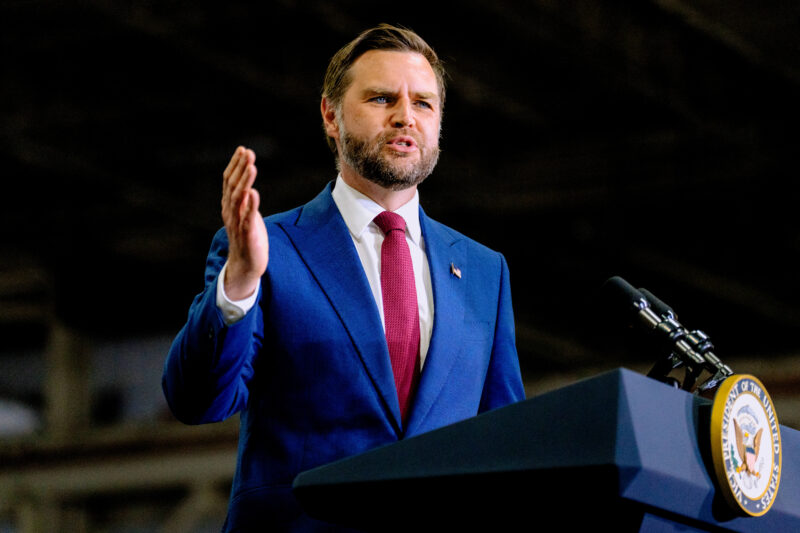
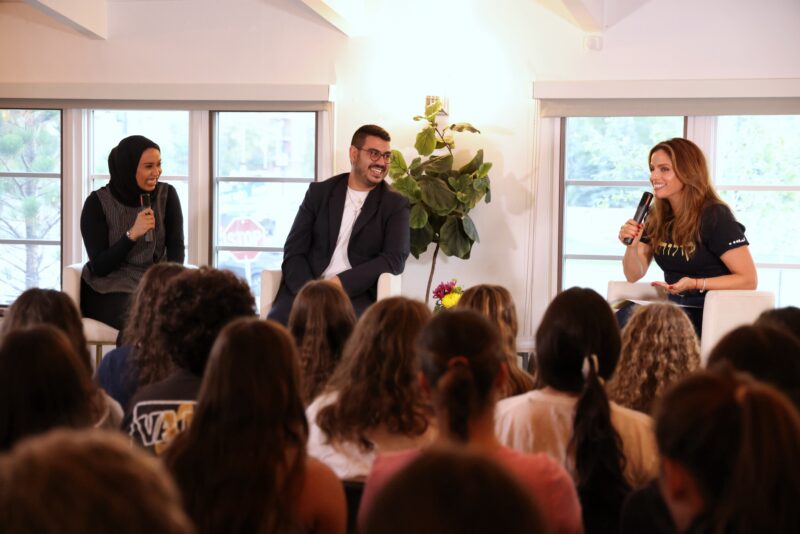








Parsi has long faced allegations of closeness with the Iranian regime, while Rhodes’ nickname in the Obama WH was ‘Hamas’ in part due to his hostility toward Israel
Tasos Katopodis/Getty Images
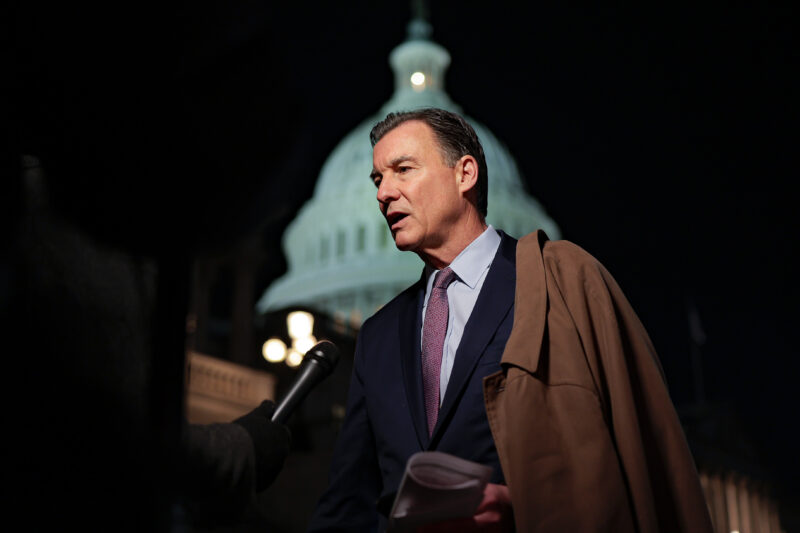
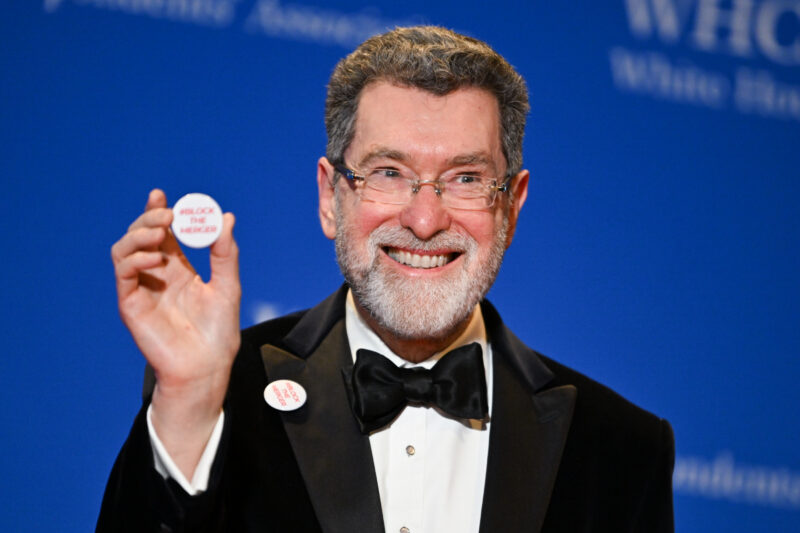
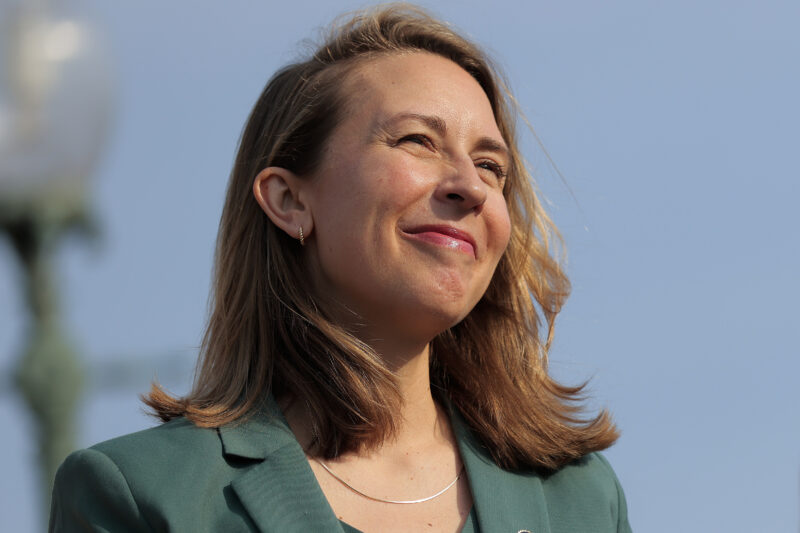
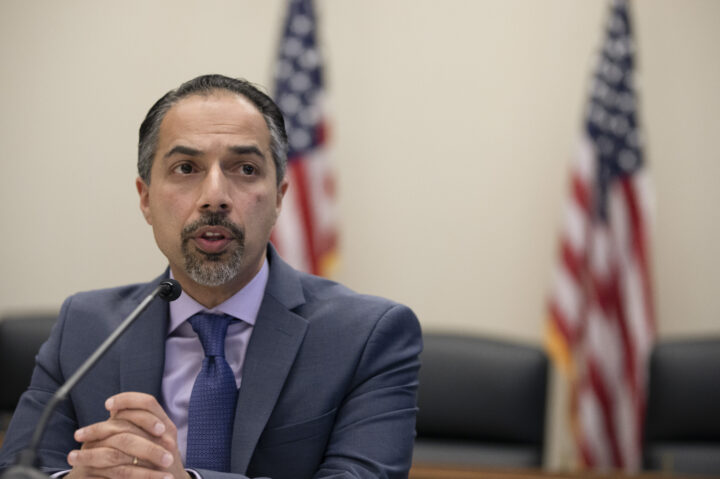
Trita Parsi of the Quincy Institute speaks on February 12, 2020 at the U.S. Capitol in Washington, DC.


 Add JewishInsider on Google
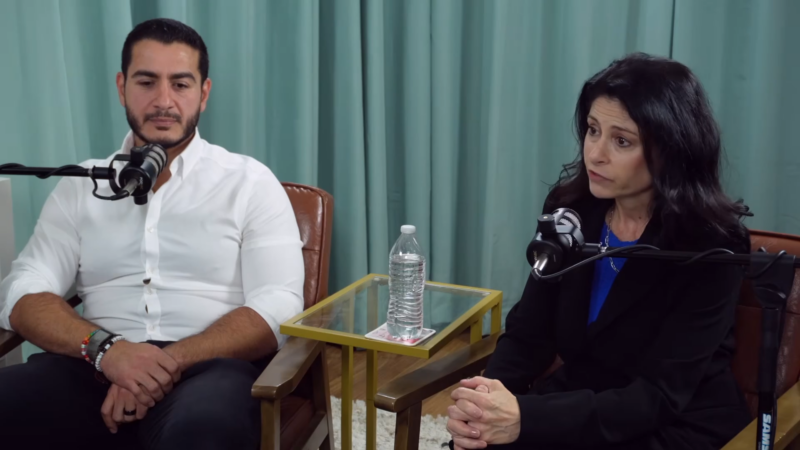
The Congressional Progressive Caucus organized an “emergency convening” on Saturday evening for members to receive a briefing on Iran from the Quincy Institute’s Trita Parsi and former Obama administration official Ben Rhodes, according to an invitation obtained by Jewish Insider.
CPC members have been largely unified in condemning the U.S. strikes on Iran.
Parsi, a cofounder of the National Iranian American Council, has long faced accusations of being overly cozy with and supportive of the Iranian regime, while Rhodes has come under scrutiny for his hostility toward Israel — a stance that earned him the nickname “Hamas” inside the Obama White House.
Throughout the first day of the war, Parsi was vociferous in condemning the attack, characterizing it as a U.S. operation in service of “Israel’s war” and condemning a variety of international actors, particularly in Europe, that he said have failed to respond forcefully enough and he claimed are acting as “vassals” of the U.S. and Israel.
He has further suggested that the public in Arab states are rallying around Iran, despite the forceful and united condemnation of Iran’s indiscriminate strikes across the region by all Gulf countries.
Parsi also highlighted a strike on a girls’ school in Iran which killed dozens, according to Iranian media, though the source of the missile has not been determined. He claimed such incidents would make a civilian uprising in Iran less likely.
Rhodes has also forcefully condemned the operation. “A war that has no domestic or international legal basis. A war that Americans do not support. A war in response to no imminent threat. A pointless war,” Rhodes said in response to the attack. “Trump and Netanyahu seem to be totally unconcerned about the human beings — on all sides — who will suffer.”
The pro-Iran think tank is sponsoring a panel featuring the former Iranian foreign minister
AFP via Getty Images
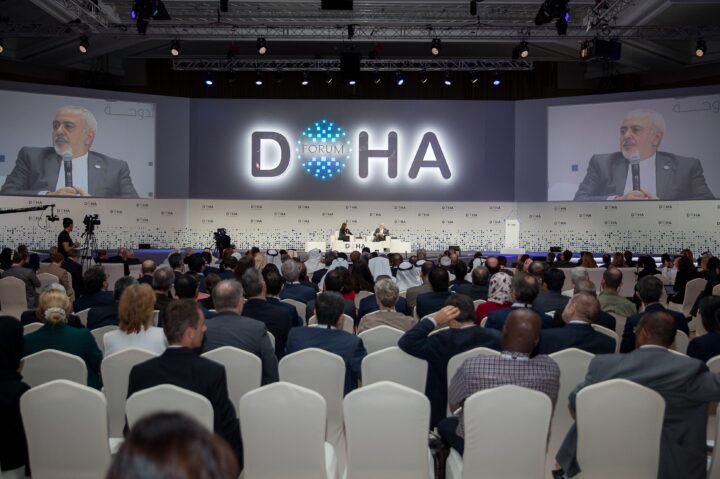
Iranian Foreign Minister Mohammad Javad Zarif speaks during a session of the Doha Forum in the Qatari capital on December 15, 2018.
The Quincy Institute for Responsible Statecraft, an anti-Israel think tank in Washington that has pushed sympathetic positions on Iran, is sponsoring a panel discussion at the Doha Forum in the Qatari capital on Saturday — further underscoring how the two-day conference is including a range of extreme voices amid more centrist and mainstream figures.
The panel, billed as “Iran and the Changing Regional Security Environment,” will prominently feature former Iranian Foreign Minister Mohammad Javad Zarif, who has used antisemitic rhetoric and was called the “propaganda arm” of the Iranian regime by officials in the first Trump administration, in a talk with Trita Parsi, executive vice president of Quincy and the founder of the National Iranian American Council, a pro-Iran lobbying group.
Parsi, a fierce detractor of Israel, has previously faced accusations of operating as an undisclosed foreign agent for the Islamic Republic, which he has denied.
“On June 13, 2025, Israel initiated a war against Iran that lasted twelve days and that also brought the U.S. into direct confrontation with Iran for the first time,” reads a blurb describing the discussion. “This unprecedented event shattered the regional balance and compelled nations to rethink their security strategies. This session will examine the current state of regional affairs, assess its impact on diplomatic and security alignments, and explore potential pathways toward de-escalation and stability.”
The seemingly neutral tone of the summary is belied by omissions such as Iran’s sponsorship of regional terror proxies like Hamas and Hezbollah, among other rhetorical elisions that more broadly highlight Qatar’s own carefully managed approach to diplomatic engagement — which critics have cast as a two-faced effort to play both sides of opposing parties.
To that end, the oil-rich Gulf state, a major U.S. ally that has drawn scrutiny for hosting Hamas leaders and for its ties to the Muslim Brotherhood, has attracted a wide assortment of speakers and partners to its annual forum in Doha, touted as a “global platform for dialogue” relating to “critical challenges facing our world.”
Its stated theme this year, according to a press release, is “Justice in Action: Beyond Promises to Progress.”
“As a convener of diverse voices, Doha Forum stands as a leading platform to explore how diplomacy, development, and humanitarian action can intersect to deliver measurable, inclusive progress,” Mubarak Ajlan Al-Kuwari, the event’s executive director, said in an announcement on Thursday.
In addition to Iran-friendly groups and figures like Parsi and the International Crisis Group, formerly led by Rob Malley — the controversial Iran envoy in the Biden administration — the summit is elevating figures who have embraced hostile views on Israel or promoted antisemic tropes. Most notably, Tucker Carlson, who has invited several antisemites to join his podcast for friendly or credulous interviews, will sit for a conversation on Sunday with Qatar’s prime minister, Sheikh Mohammed bin Abdulrahman Al Thani.
At the same time, the Gulf confab, which extends through the weekend, is also featuring a variety of establishment-oriented participants, obscuring the extremism and fringe positions of other guests set to receive equal or even more prominent billing at the event.
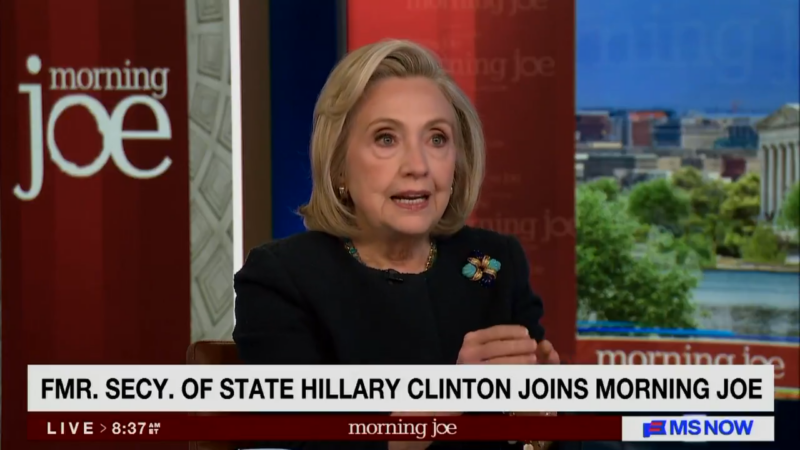
Alongside Carlson, the forum, co-sponsored by CNN, the Atlantic Council and other mainstream institutions, includes a more traditional roster of speakers such as former Secretary of State Hillary Clinton, philanthropist Bill Gates and several world leaders.
Petraeus says it is 'likely that my thoughts and contributions may contrast with those of some of the other participants gathered'

New America
General (ret.) David Petraeus (left), takes part in a panel discussion in 2016.
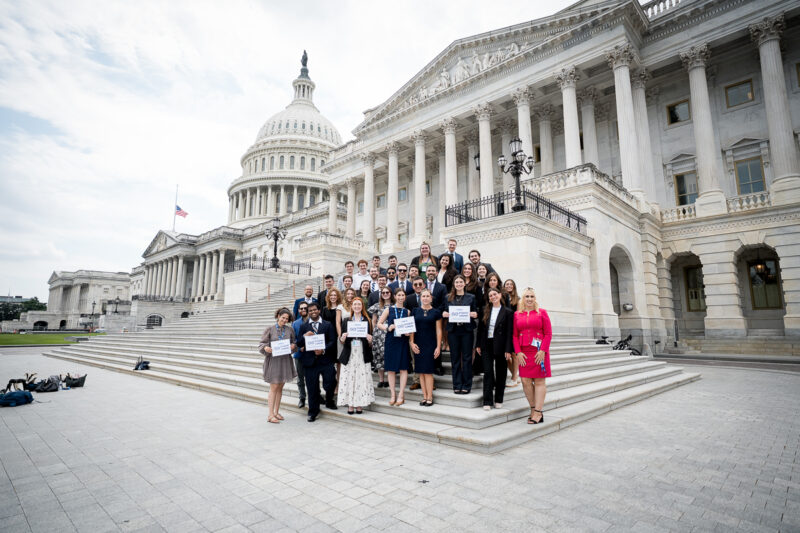
The Quincy Institute for Responsible Statecraft, in conjunction with Foreign Policy, is holding a leadership forum on the future of U.S. foreign policy and national security at the U.S. Capitol Visitor Center in Washington, D.C. this afternoon.
Speakers include Reps. Andy Biggs (R-AZ), Ro Khanna (D-CA) and Pramila Jayapal (D-WA); former CENTCOM commander and CIA Director Gen. David Petraeus, journalist Peter Beinart, and Matt Duss, a foreign policy advisor to Sen. Bernie Sanders.
Background: The Quincy Institute — founded in 2019 and funded by the unlikely pairing of George Soros and Charles Koch — calls for an end to American military intervention and a refocus on diplomatic strategy. Neorealist scholars John Mearsheimer and Stephen Walt, who in 2007 jointly published the controversial book The Israel Lobby and U.S. Foreign Policy, are both non-resident scholars at the institute. In a Senate floor speech last month, Sen. Tom Cotton (R-AR) accused the think tank of fomenting antisemitism.
Petraeus defended his participation, telling JI he was invited to speak by the editors of Foreign Policy, with whom he has a close relationship. “It is likely that my thoughts and contributions may contrast with those of some of the other participants gathered when it comes to the U.S. role in the world, the need for a sustained sustainable commitment in the fight against Islamist extremists, the importance of alliances, allies, and partners — including Israel,” Petraeus said. “And that is the principle reason that I decided to participate — similar to when I offer thoughts and assessments to political figures or policy makers of either party, even when I may disagree with them on a variety of issues.”
Please log in if you already have a subscription, or subscribe to access the latest updates.
 Continue with Google
 Continue with Apple