






























































Treasury moves to terminate tax-exempt status for some universities, private schools
The new regulation is scheduled to go into effect next June
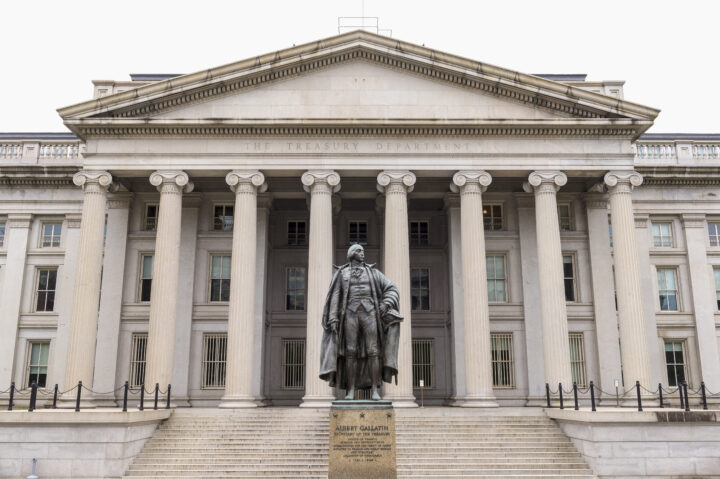
Getty Images
Building of the US Treasury Department in Washington, D.C.


 Add JewishInsider on Google
The Treasury Department in early September issued a proposed regulation that would rescind tax-exempt status from private universities and schools that “engage in racial discrimination,” another escalation of the administration’s efforts to roll back Diversity, Equity and Inclusion programs in academia.
Some advocates in the Jewish community have urged similar steps in the case of schools that fail to take action against antisemitism, and the Louis D. Brandeis Center for Human Rights Under Law urged the Treasury in a letter sent last week to apply the new policy in such cases.
“Under President Trump, this Administration is standing up for America’s students by ensuring racial discrimination has no place in American education,” Treasury Secretary Scott Bessent said in a statement. “Schools rebranding race-based preferences as equitable, inclusive, or diversity-enhancing does not change their discriminatory nature. Today’s Treasury and IRS proposed regulations establish a clear standard, and the institutions that continue to use discriminatory practices will no longer receive the benefits of federal tax-exempt status.”
Under the proposed regulation, a school would not qualify for tax exemptions if it “adopts, maintains, or enforces a policy or practice that discriminates on the basis of race, color, or national or ethnic origin” in admissions, policies, scholarships, loans, athletics or any other school supported program.
The regulation would allow schools to maintain religious affiliations and to select admittees based on religion. The move has prompted concerns from various institutions of higher education, and critics have described it as a politicization of tax policy.
The Treasury is taking comment on the regulation until early November, but it would not go into effect until June.
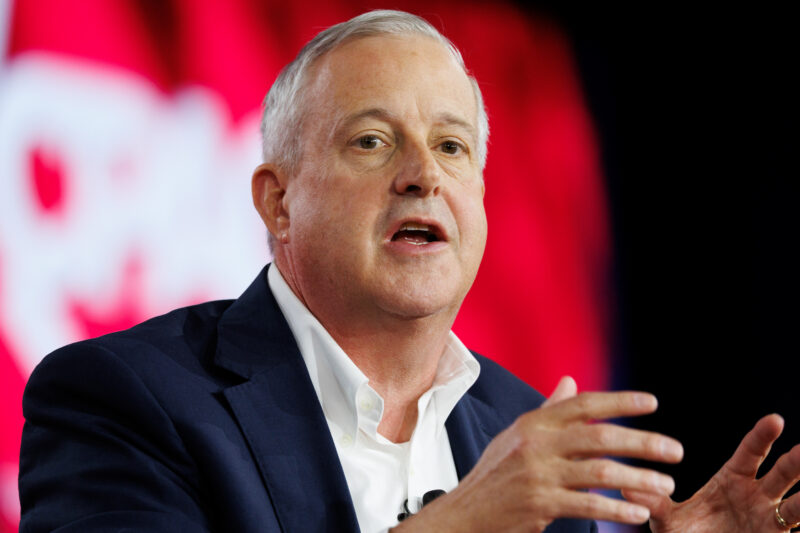
In a letter to the Treasury and the Internal Revenue Service, Brandeis Center CEO Kenneth Marcus expressed support for the policy, emphasizing that the policy should be applied to “anti-Semitic discrimination against Jewish students or national-origin discrimination against Israeli students” and that the final policy should make clear that it is applicable to antisemitism as defined by the International Holocaust Remembrance’s working definition of antisemitism.
“The need for these protections is particularly acute at a time when Jewish and Israeli students are facing increasing discrimination and exclusion on college campuses. In some instances, Jewish students have been excluded from campus organizations, programs, activities, or spaces because of their Jewish or Israeli identity or their connection to Israel,” the letter states.
Marcus also urged that tax-exempt institutions should be barred from engaging in “discriminatory boycotts,” and that the Treasury should make clear that joining such a boycott “may be relevant to [an institution’s] continued entitlement to federal tax-exempt status.”
Marcus encouraged the Treasury to create an electronic submission portal and other avenues for individuals and organizations to submit documentation of discriminatory behavior that may compromise institutions’ tax exemptions, to be reviewed by staff with relevant expertise in both tax exemptions and discrimination.
“These measures would give private parties and civil-rights organizations a meaningful role in bringing potential violations to the IRS’s attention while preserving the IRS’s authority over examinations and enforcement,” Marcus said.
More Stories

ON THE HILL
House passes Iran, Russia sanctions bill, over objections from leading Democrats
NOT SO FAST
Democrats push back on White House’s planned $2.8 billion sale of bombs to Israel
DIPLOMACY DIARIES
AJC plans ‘diplomatic marathon’ amid U.N. General Assembly in New York
TAKING HEAT
Colby back in Capitol’s crosshairs
VEEP APPEAL
Michigan Jewish leaders urge Kamala Harris to appeal to El-Sayed on antisemitism, Israel

SHOW OF SUPPORT
Suozzi, Knott, Jewish groups rally for Right to Worship Act
Please log in if you already have a subscription, or subscribe to access the latest updates.
 Continue with Google
 Continue with Apple