










































Raskin’s probe of campus antisemitism investigations draws criticism from Jewish community
The Maryland Democrat campaigned alongside Abdul El-Sayed this week, while withholding criticism of antisemitic streamer Hasan Piker
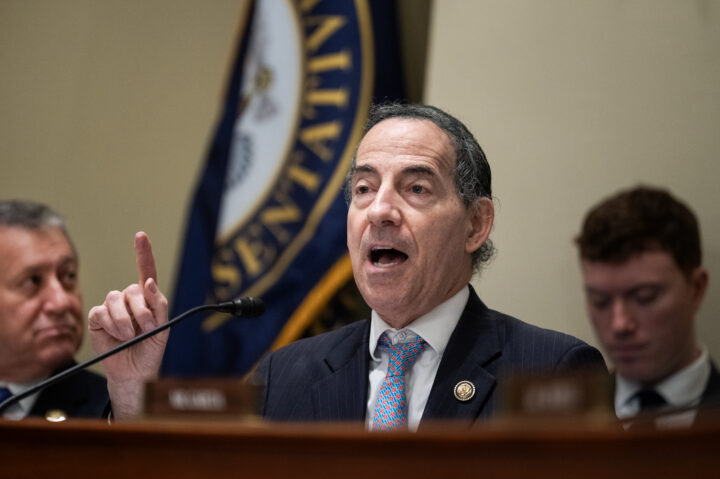
Tom Williams/CQ-Roll Call, Inc via Getty Images
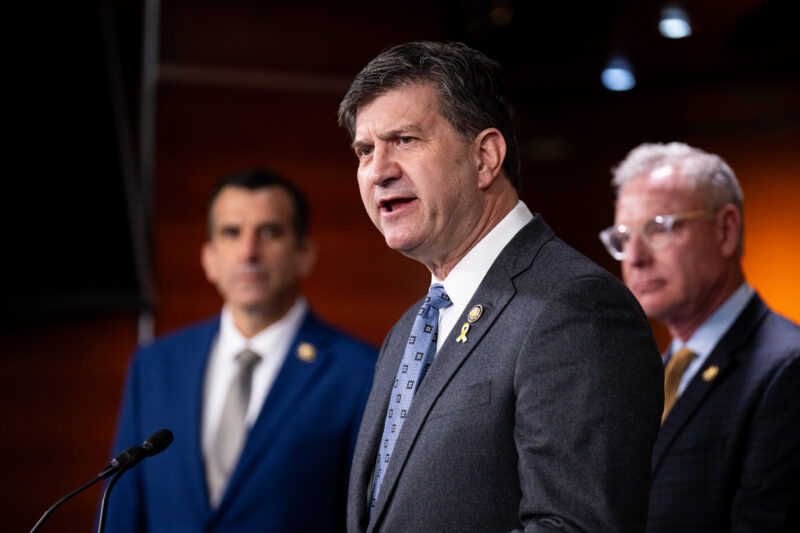
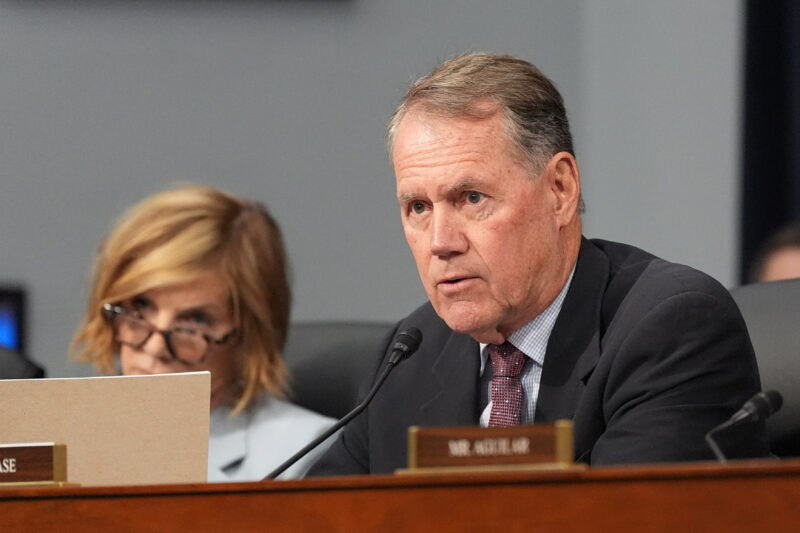
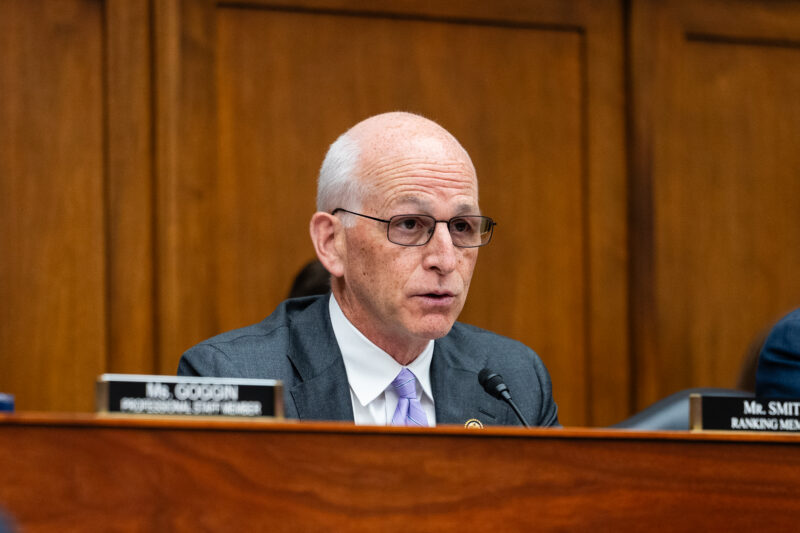
Rep. Jamie Raskin (D-MD) speaks during the House Administration Committee hearing on June 10, 2026.


 Add JewishInsider on Google
For years, Rep. Jamie Raskin (D-MD) has been viewed by his Jewish constituents as an ally in fighting antisemitism and as generally supportive of Israel, despite his deep disagreements with the Netanyahu government and current U.S. policy in the Middle East.
The congressman has maintained a good relationship with many of the Jewish constituents in his suburban Washington district with the largest share of Jewish voters in Maryland, even as he’s backed numerous measures restricting U.S. aid to Israel, which has drawn backlash from prominent Jewish community figures.
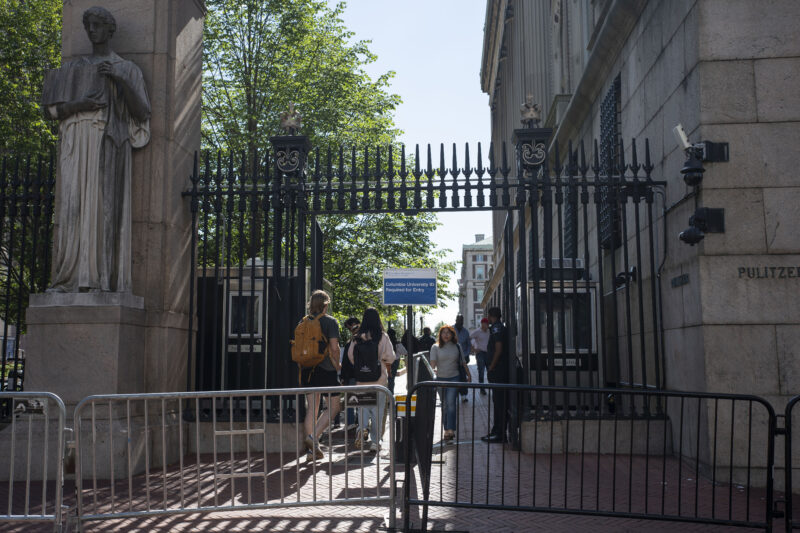
But a recent broadside against the Trump administration’s investigations into antisemitism, in which Raskin cited whistleblower reports to describe the investigations into Harvard, Brown and Columbia universities as fabricated and predetermined, is generating new tensions with some community members.
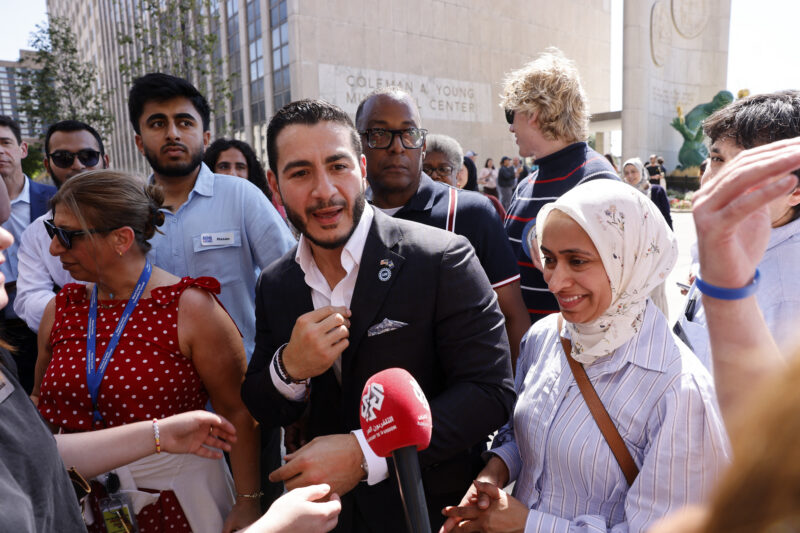
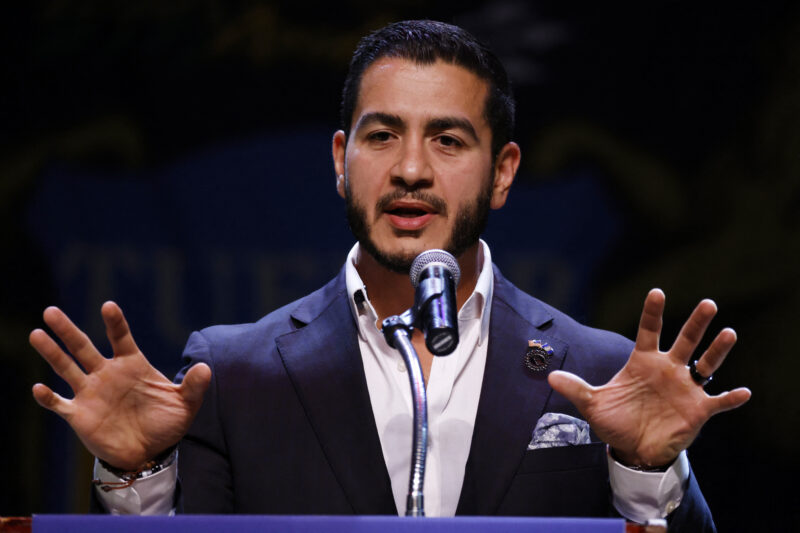
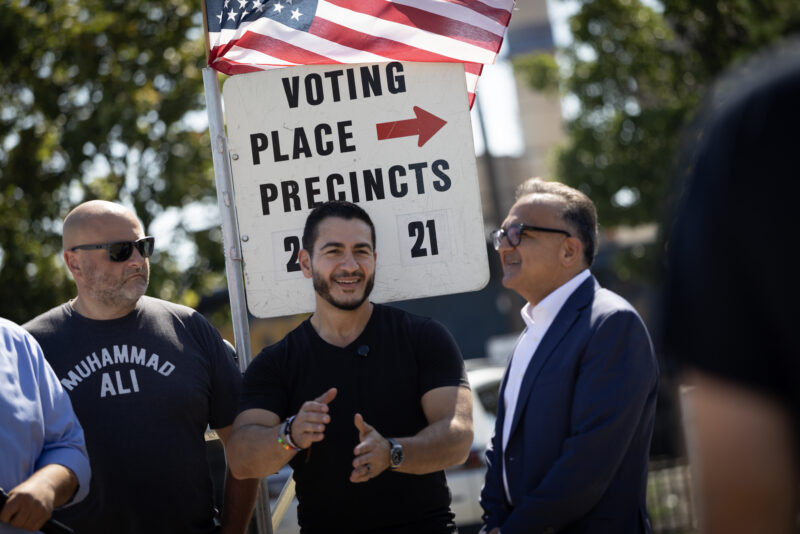
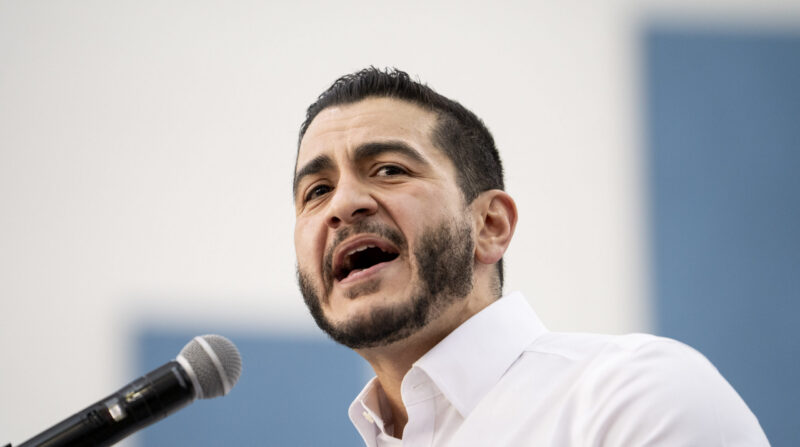
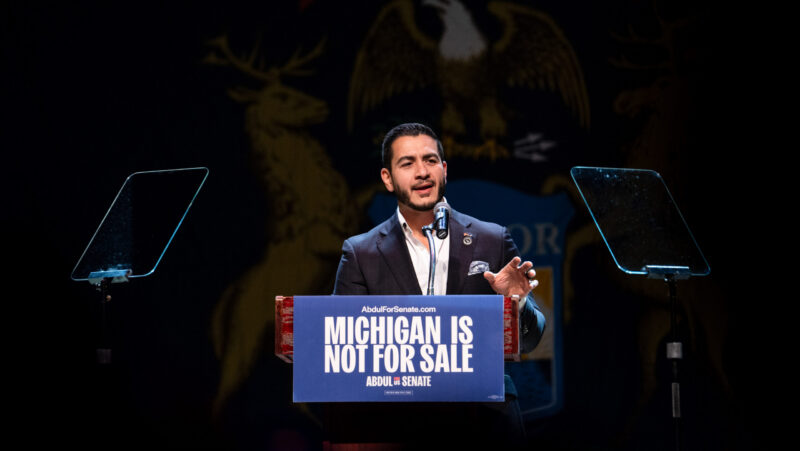
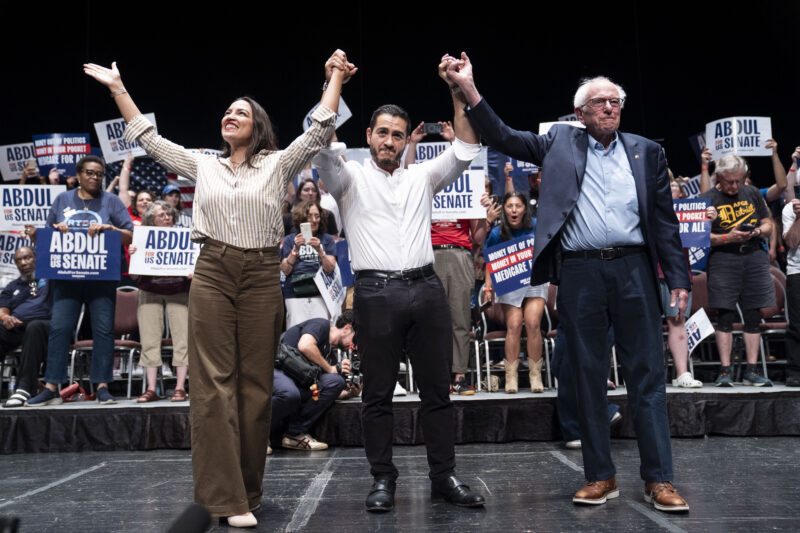
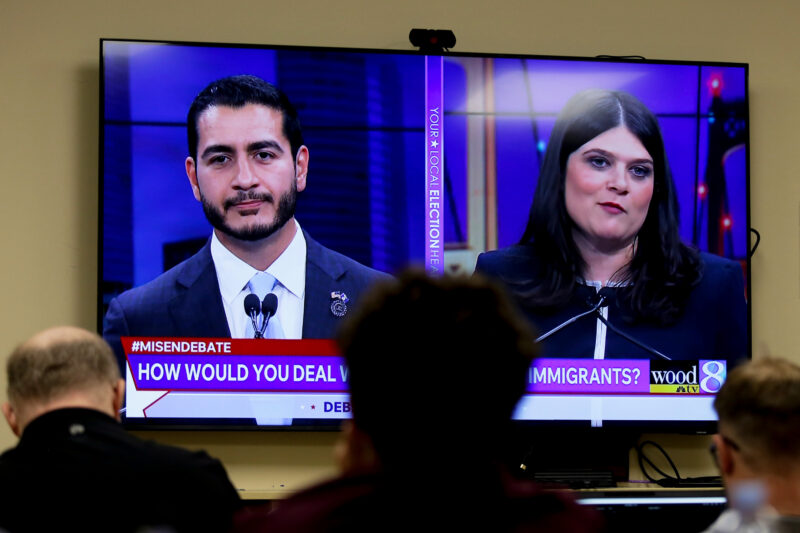
Raskin also spent Wednesday on the campaign trail boosting Michigan Senate nominee Abdul El-Sayed, whose virulent anti-Israel views and associations with an antisemitic streamer have made him persona non grata throughout much of Michigan’s Jewish community.
Rabbi Stuart Weinblatt, the CEO of the Zionist Rabbinic Coalition who leads a synagogue in Raskin’s district, said that the letter from Raskin regarding his investigation into the campus antisemitism efforts was “disappointing” in light of the extent of intimidation targeting Jewish students on campus. Weinblatt said he saw the administration’s policies as a good-faith effort to support Jewish students and disrupt those who have isolated and harassed them.
He said he’s concerned that Raskin’s letter could undermine both the federal tools to protect students as well as lead some people to believe that the problem of campus antisemitism was overstated.
“We have an administration that wants to try to do something, to help protect and defend Jewish students, to help to make them feel safer and more secure,” Weinblatt said. “It would be unfortunate and tragic to be limiting their ability to be able to do that.”
He said that, if Raskin believes — as he said he does — that campus antisemitism is a serious problem to be addressed, he should articulate how that should be done in lieu of the Trump administration-led probes.
“Congressman Raskin has a history of being committed to pursuing issues related to justice and fairness, and so I think it’s unfortunate that he — as a member of Congress who is identifiably Jewish — is taking this action, because I think many Jews are concerned about the environment on college campuses and would look to our Jewish members of Congress to help,” Weinblatt continued.
But, he acknowledged, any action should be taken in a way that is legal, appropriate and measured, and should be done in accordance with the applicable laws.
Some federal courts have also raised objections to the administration’s efforts, finding that the funding cuts targeting Harvard were unconstitutional and that the administration had overstated its case against the university.
In a lengthy statement to Jewish Insider, Raskin emphasized that antisemitism on campus is a real problem that schools must address. But he said that the government levying unjustified penalties helps no one.
“Universities have a duty, under federal law, to prevent and address harassment and discrimination on their campuses and they should be held to account if and when they fail to do so,” Raskin said. “But when the government ignores the actual facts found by its investigators and resorts instead to levying major financial penalties on our universities despite the facts and the law, everyone loses, especially the actual victims of antisemitism and racism.”
He said that the government cannot legally penalize chosen targets without or in spite of an investigation “no matter how just may be its stated cause.”
“Throughout history, Jews have often suffered as the designated scapegoats of these perverted forms of justice,” he continued.
The Washington Jewish Week called Raskin’s efforts wrongheaded, arguing in an editorial published Thursday that the congressman is “making a mistake” by focusing on re-investigating the investigations, rather than trying to address the antisemitism itself.
“Raskin instead describes the administration’s investigations as ‘fake,’ a ‘pre-baked frame-up operation’ and a ‘sham,’” the editorial continues. “Those are sweeping conclusions to announce before conducting an investigation supposedly intended to determine what happened. … The House Judiciary Committee should be strengthening [the civil rights investigatory] system, not conducting another round of political theater about who weaponized government first.”
The editorial argues that Raskin should be putting his energy toward “showing America how to address [campus antisemitism] properly.”
Raskin previously criticized the administration’s efforts to shutter parts of the Department of Education’s Office for Civil Rights, a move he said endangered efforts to fight antisemitism, among other forms of discrimination.
Raskin, citing the whistleblower testimony, said in his statement to JI that the administration had “used fabricated and disproven claims of antisemitic discrimination as a cudgel, even in cases where the targeted school’s own Jewish students, faculty, and rabbis applauded and praised the university’s positive and proactive responses to incidents of antisemitism or intolerance” and “ignored Jewish voices and the on-the-ground facts found by investigators.”
He said that in doing so, the administration, rather than his probe, undermined legitimate efforts to combat antisemitism and sent a public message that the problem of campus antisemitism is not a real one.
“If we lose public confidence in the integrity of government investigations and the government’s respect for the facts, we will lose the effectiveness of our anti-discrimination laws,” Raskin said. “This is why everyone, but especially the actual victims of antisemitism and racism, have every reason to stand by the rule of law and the central importance it places on actual facts rather than allegations and suppositions.”
Ron Halber, the CEO of the Jewish Community Relations Council of Greater Washington, took a more sympathetic view of Raskin’s efforts, even while underscoring that colleges and universities have failed to protect Jewish and pro-Israel students and that he’s glad that they are being investigated and held accountable.
But he also expressed concerns about some of the penalties the Trump administration imposed, particularly stripping funding from the schools, and said that if Raskin has evidence that the cases were pre-determined, those issues should be investigated.
“If there are cases where nothing was found and the universities were punished, first of all, it’s illegal, it’s unethical and Jews do not want antisemitism being used as a weapon to further other political goals. We want open, objective investigations,” Halber said. “If a university did not act properly and protect their Jewish students, we want them to be held accountable and punished accordingly.”
He said that if some of the investigations do prove to have been faulty, that would also cast doubt on other investigations that may have found more credible evidence. “It doesn’t help us get to the bottom of [the campus anti-Israel protests and administration responses] if the investigations themselves are flawed.”
Kenneth Marcus, the CEO of the Brandeis Center for Human Rights Under Law, which has represented Jewish students in legal action against various colleges and universities, dismissed the Raskin letter as the result of a disgruntled former Department of Justice employee, who filed a whistleblower complaint because she did not align with the administration’s efforts to combat antisemitism.
“It is no secret that the career ranks of the Justice Department contains some long-time employees who do not share the current administration’s values or priorities. The federal government has a legal obligation to enforce Title VI to protect Jewish students as vigorously as it does with other groups,” Marcus said. “After years of paying insufficient attention to anti-Semitism, it is a welcome relief that the Justice Department has finally made it a priority.”
He argued that the administration’s investigations were evidently necessary, as well as overdue.
“No one can deny the seriousness of the problem at institutions like Harvard and Columbia. The question isn’t so much why this administration has responded forcefully to the problem at these campuses but rather why wasn’t it done sooner,” Marcus continued.
On the campaign trail with El-Sayed this week, Raskin was also asked — as a widely regarded figure among liberal Jews — about his pitch to Jewish Democrats concerned about El-Sayed. He emphasized in response that Democrats’ efforts must be focused on defeating President Donald Trump and GOP candidates for Congress.
Raskin visited Ann Arbor on Wednesday to campaign for El-Sayed, also joining Rep. Debbie Dingell (D-MI). Many prominent Jewish Democrats in the state say they’re agonizing over the general election, torn between their party loyalty and their concerns about El-Sayed and his allies.
“The Democratic Party is a very big tent,” Raskin said. “It’s a very big tent because there are a lot of people in it, and they’re just like — you know, any big family Thanksgiving dinner, there can be arguments and people jostling, and there’s unruliness. But fundamentally, we all believe in democracy, in freedom, and the progress and prosperity of our people.”
He said that the election is a “referendum about the future: Will we have democracy or will we have autocracy? This is our chance to cut this reign of lawlessness and terror in half in this election.”
Raskin also praised El-Sayed’s career in public health and said that he would be critical to making health care more affordable in the Senate, but didn’t directly address the concerns that members of the Jewish community have raised about the nominee.
He also did not address a question from JI about influencer Hasan Piker — whom various other leading Democrats have condemned this week — and his ties to El-Sayed.
More Stories
SCHOLTEN SAYS
Rep. Hillary Scholten blasts Piker over threatening comments against pro-Israel Jews
Daily Overtime
Jeffries fed up with party’s Piker problem
CANDIDATE COMMENTARY
Michigan AG Dana Nessel concerned El-Sayed ‘making excuses’ for domestic terrorism

BAD APPLES
Over 70% of Jewish educators in teachers unions fear speaking out about antisemitism, ADL report finds

gas pains
Qatar’s LNG exports plunge 96%, costing Doha $24 billion

analysis
Vance fundraiser with Tucker Carlson backer Omeed Malik raises eyebrows
Please log in if you already have a subscription, or subscribe to access the latest updates.
 Continue with Google
 Continue with Apple