













































Michigan rabbis set red lines for El-Sayed
Tom Williams/CQ-Roll Call, Inc via Getty Images
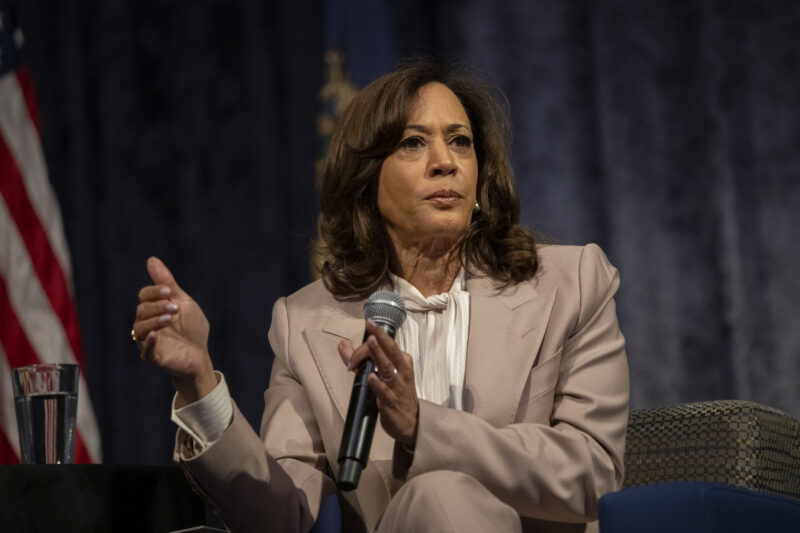
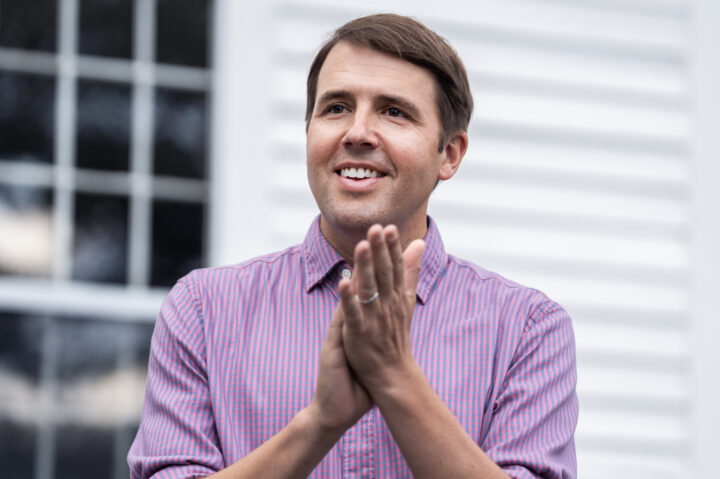
Rep. Chris Pappas (D-NH), Democratic candidate for U.S. Senate, talks with voters on August 16, 2026.


 Add JewishInsider on Google
Good Wednesday morning.
In today’s Daily Kickoff, we analyze the results of Tuesday night’s Democratic primaries in New Hampshire, and report on the blowback from the U.K.’s move to sanction Israeli settlements in the West Bank. We highlight a new petition campaign launched by a coalition of Michigan Jewish leaders to pressure Democratic Senate nominee Abdul El-Sayed to affirm a series of “nonnegotiable” commitments to the Jewish community, and report on a new caucus launched by Reps. Josh Gottheimer and Elise Stefanik to combat antisemitism on college campuses. Also in today’s Daily Kickoff: Ruby Chen, New York Gov. Kathy Hochul, Yonah Jeremy Bob and Elliot Kaufman.
Curated by Israel Editor Tamara Zieve and U.S. Editor Danielle Cohen-Kanik, with an assist from Haley Cohen.
Today’s Agenda
The Republican National Committee will kick off its first-ever midterm convention this afternoon in Dallas. President Donald Trump will deliver the keynote address tonight (as well as closing remarks on Thursday), with additional speeches throughout the two-day convening by Vice President JD Vance, Treasury Secretary Scott Bessent and Attorney General Todd Blanche.
Also scheduled to speak are: House Speaker Mike Johnson (R-LA); Sens. Ted Cruz (R-TX), Jon Husted (R-OH) and Dave McCormick (R-PA); Texas Attorney General and Senate candidate Ken Paxton; Georgia Senate candidate Rep. Mike Collins (R-GA); former Rep. Mike Rogers (R-MI), GOP nominee for Senate in Michigan; and former RNC Chair Michael Whatley, GOP nominee for Senate in North Carolina.
Some GOP candidates in tight races, including Sen. Susan Collins (R-ME), former Sen. John Sununu (R-NH) and Sen. Dan Sullivan (R-AK), will not be attending the convention, in what appears to be a pointed effort to keep their distance from Trump.
Rhode Island is holding its primaries today: Gov. Dan McKee, a Democrat, is at risk of losing the nomination to business leader Helena Foulkes. Brett Smiley, the Jewish mayor of Providence, R.I., is also facing serious opposition from 27-year-old state Rep. David Morales, a socialist challenger.
The Israeli Embassy in Washington is hosting its Rosh Hashanah celebration this evening.
The two-day MEAD Summit continues in Washington today, attended by representatives from Israel, the U.S. and Arab countries — including some that do not have diplomatic ties with Israel.
New York City Council Speaker Julie Menin and Comptroller Mark Levine will walk the runway at the Metropolitan Opera House during Style Across the Aisle, where they will be dressed by Jewish designers Elie Tahari and Yosel Tiefenbrun.
Elsewhere in New York City, the La’Aretz Foundation will host its annual benefit dinner.
One Thing To Know
ANALYSIS
By Marc Rod
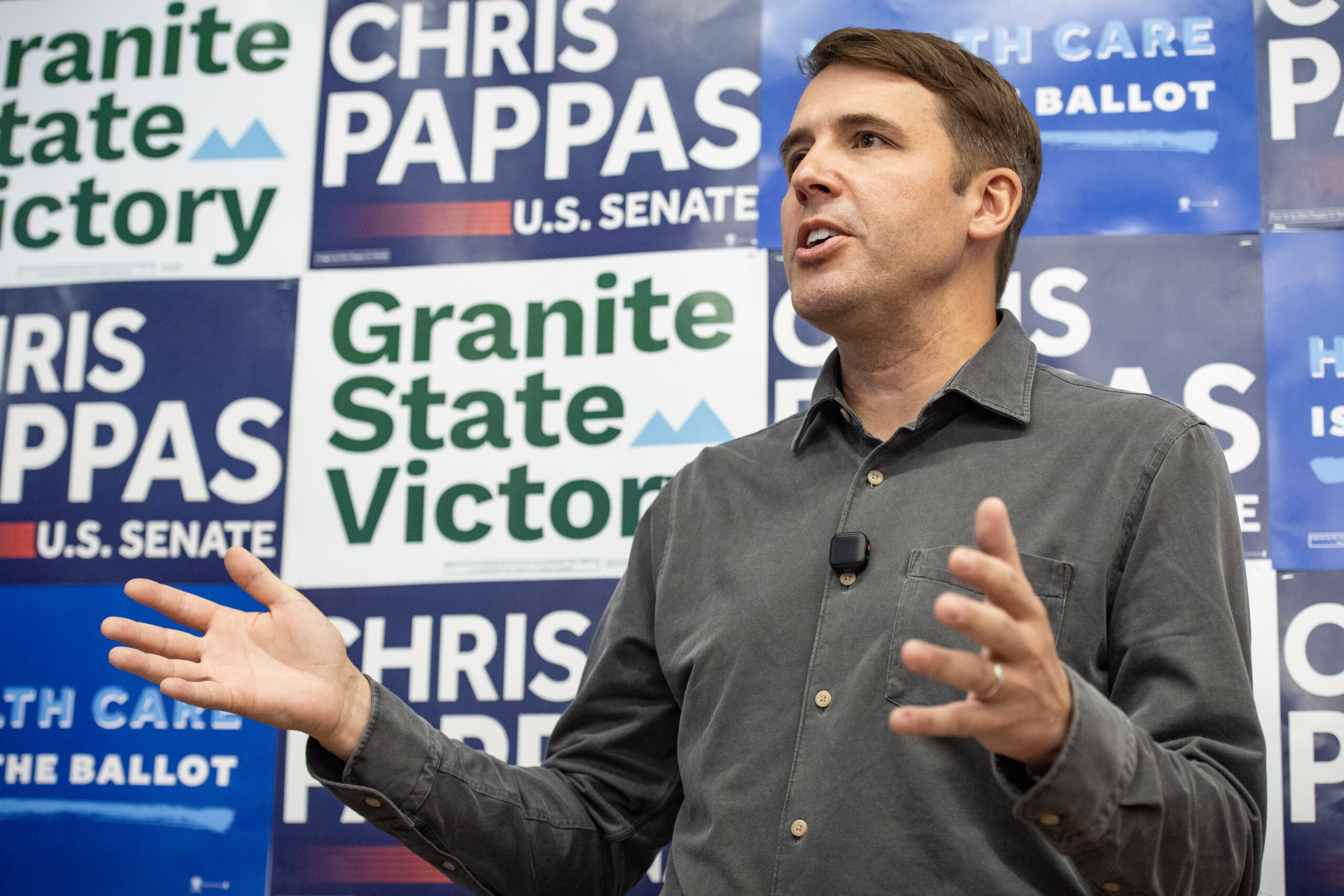
Tuesday night’s Democratic primaries in New Hampshire delivered mixed results for candidates who made attacks on Israel a centerpiece of their closing arguments.
Rep. Chris Pappas (D-NH) trounced progressive activist Karishma Manzur by nearly a 2-to-1 margin (65%-33%) in the Senate primary, after Manzur attacked Pappas for his stance on Israel and called him a “shill for AIPAC” as a central message of her campaign.
Pappas is now facing a competitive general election against former Sen. John Sununu (R-NH), who is running to rejoin the Senate after nearly two decades out of office. Sununu is expected to be a formidable challenger who holds a narrow lead over Pappas in some recent public polling.
The Big Reads
SETTLEMENT SHOWDOWN
U.K. Foreign Secretary Ed Miliband announced a sweeping new sanctions regime on Tuesday targeting Israeli settlements in the West Bank, marking a major escalation in Britain’s diplomatic stance toward Israel, Jewish Insider’s Matthew Shea reports. Addressing the House of Commons, Miliband unveiled an import ban on goods produced in settlements alongside targeted sanctions against individuals and corporate entities involved in constructing, advertising or financing settlement expansion. The secretary also announced a ban on real estate events in the U.K. promoting the purchase of homes in West Bank settlements.
Muted Marco: Secretary of State Marco Rubio offered a tepid response on Tuesday to the U.K.’s new sanctions regime against Israeli settlements in the West Bank. “Obviously, we’re not going to do what the U.K. did,” Rubio told reporters when asked about Miliband’s announcement, but said he didn’t have anything further to add.
Scoop: Rep. Claudia Tenney (R-NY) urged the Trump administration on Wednesday to review whether the U.K. and other countries imposing trade restrictions and additional sanctions on Israeli settlements places those countries in violation of U.S. anti-boycott laws — and to consider whether the effort merits a response from the U.S., JI’s Emily Jacobs reports.
Diplomacy risks: Former White House officials and diplomats say the U.K. government’s decision is primarily a bid to appease far-left political factions in Britain, warning that while the move is unlikely to alter Israeli behavior on the ground, it risks increasing diplomatic friction between London, Jerusalem and Washington.
COMMUNITY VOICE
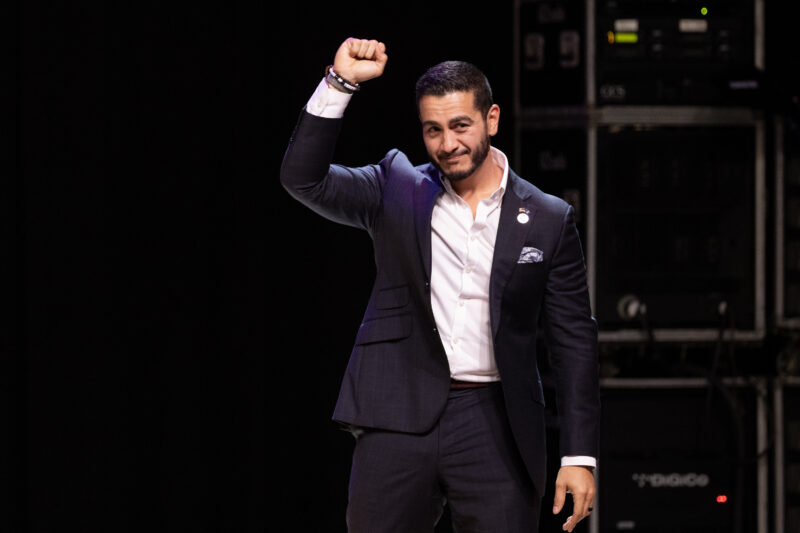
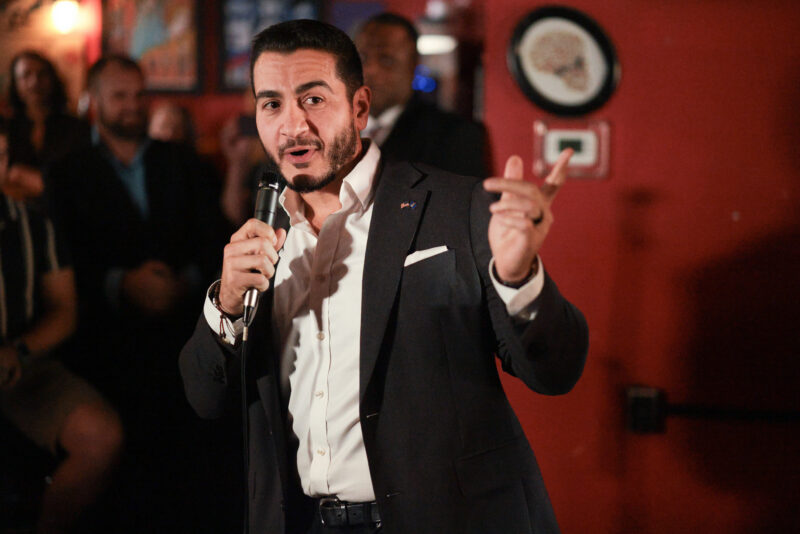
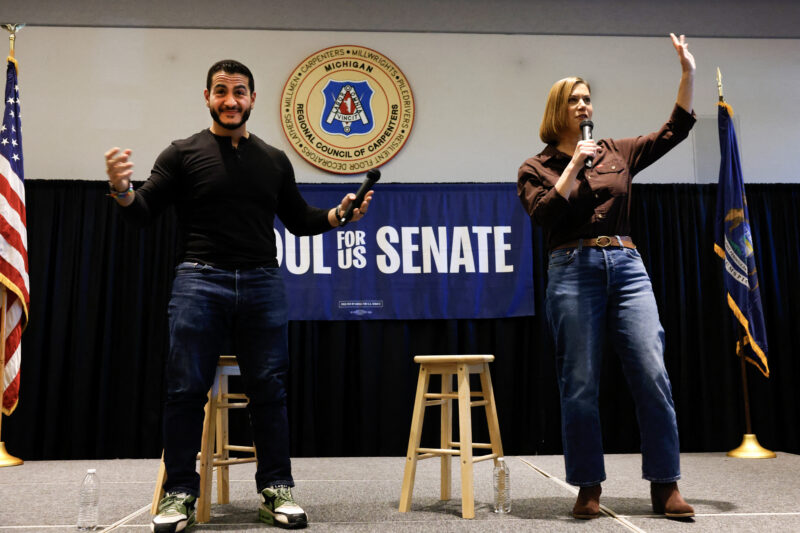
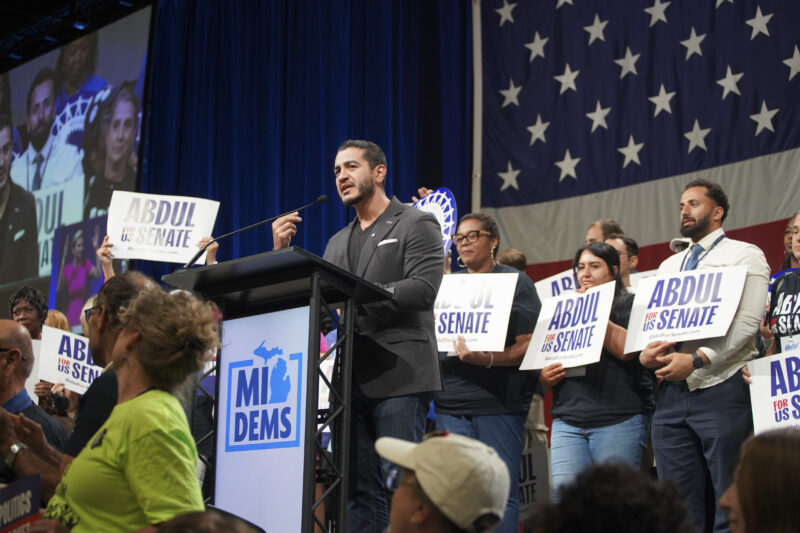
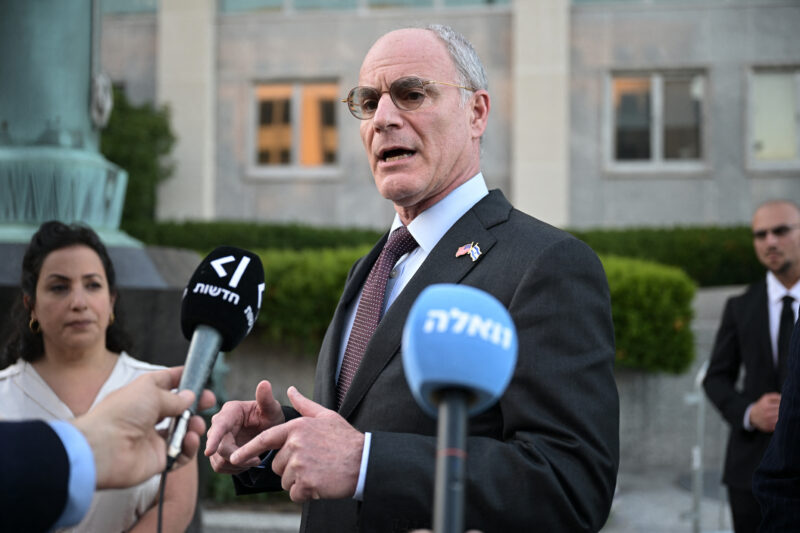
A group of more than a dozen Michigan rabbis, cantors and Jewish lay leaders from across the state launched a new petition campaign this week to pressure Abdul El-Sayed, the Democratic Senate nominee, to affirm a series of “nonnegotiable” commitments to the Jewish community, arguing that failing to do so would jeopardize Jewish support for Democrats, Jewish Insider’s Marc Rod reports. The Nonnegotiable Michigan campaign, created in cooperation with the liberal Jewish group Zioness Action Fund, calls out El-Sayed for a “sustained pattern” of comments by himself and surrogates that organizers say crosses the line into antisemitism, including downplaying, justifying or potentially inciting violence against Jews.
CAMPUS CAUCUS
Reps. Josh Gottheimer (D-NJ) and Elise Stefanik (R-NY) announced that they are launching the Combating Antisemitism on College Campuses Caucus during a visit to Vanderbilt University on Tuesday, Jewish Insider’s Marc Rod reports. The announcement was made during an event with Vanderbilt Chancellor Daniel Diermeier and the leaders of the University of Kentucky, University of Texas at Austin, Dartmouth College, the University of Alabama and Washington University in St. Louis. The event, with an audience of Vanderbilt students, faculty, staff and local community members, was focused on highlighting some of the campuses that have, in the view of the organizers, successfully navigated the post-Oct. 7 environment, balancing freedom of speech and expression with protecting Jewish students.
The Rundown
EXCLUSIVE
BOOKSHELF
A FATHER’S LOVE
SAFETY SURGE
SCOOP
On Our Radar
● The Live Briefing. Word on the street, clips, podcasts and quick updates — the items we’re tracking all day in our Live Briefing on the app (on Apple and Android) and website.
The U.S. destroyed five Iranian oil tankers on Tuesday after the Islamic Revolutionary Guard Corps targeted a U.S. Navy warship with ballistic missiles twice over the previous two days, CENTCOM announced. Iran retaliated by firing 20 ballistic missiles at U.S. forces in Jordan, 18 of which the Jordanian army said it intercepted…
The tit-for-tat comes as Iran signals readiness for broader escalation, The New York Times reports, with analysts warning the clashes risk reigniting full-blown war ahead of a U.S. midterm season Tehran believes gives it leverage…
Earlier on Tuesday, the Treasury Department announced sanctions against 27 Iranian airlines as well as several front companies, foreign intermediaries and other aviation-related actors for supporting the regime’s illicit activities…
Despite the new sanctions and more than a decade of existing ones, Iranian airline Mahan Air, which Washington accuses of ferrying cash, weapons and personnel for the Islamic Revolutionary Guard Corps, is expanding its operations, The Wall Street Journal reports…
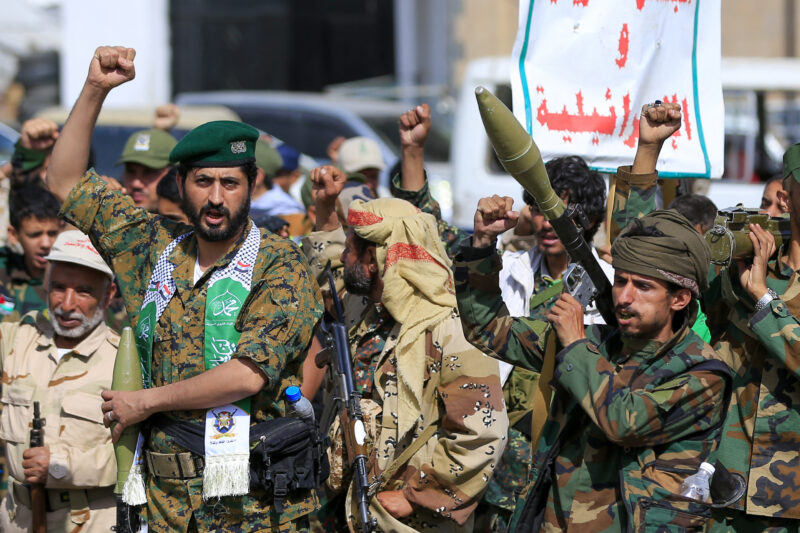
The global price of oil hit $100 a barrel on Wednesday for the first time since July, after Yemen’s Houthis attacked energy facilities in Saudi Arabia on Tuesday, stoking supply concerns…
The Independent examines why the escalating fighting between Yemen’s Houthis and Saudi Arabia poses a problem for the Trump administration, with analysts arguing that Washington can no longer ignore the Red Sea front of the war with Iran…
Former GOP Rep. Mike Rogers, the Republican Senate nominee in Michigan, is up with a new ad attacking his Democratic opponent, Abdul El-Sayed, for associating himself with influencer Hasan Piker, and featuring the antisemitic streamer’s comments that “America deserved 9/11.” “Abdul is too extreme for Michigan. I’m Mike Rogers, and I approve this message — because I’ll fight to keep America safe. Always,” Rogers says at the end of the ad…
El-Sayed’s speech at a controversial Islamic convention in Detroit last weekend came before a video montage that featured an imam declaring “America is going down!” and an address from another cleric who described lawmakers who voted for a bill tackling antisemitism as “treasonous”…
A new poll commissioned by the Detroit News found Rogers with a narrow 46%-44% lead over El-Sayed, with 9% of respondents undecided. The poll was conducted by the Glengariff Group and surveyed 600 likely general election voters between Aug. 31 and Sept. 3…
The University of Texas’ College Democrats chapter invited Piker to speak on campus on Sept. 30…
Rep. Jared Moskowitz (D-FL) launched his first ad of the general election campaign, touting his leadership in passing school safety laws in the aftermath of the shooting at Marjory Stoneman Douglas High School that killed 17 students and staff…
Democratic Majority for Israel announced on Wednesday the election of Michael Horowitz, founding partner of The Selective Group; David Kramer, a principal of Highstreet ProLaw Group; Jeffrey Stewart, founder and president of Walnut Hill Advisors; Jerry Yanowitz, former telecommunications industry executive; and Kinney Zalesne, former Microsoft executive, to its board of directors…
Bloomberg does a deep dive on the Democratic Socialists of America‘s breakout this year — 19 congressional primary wins and nearly 100 state and local victories, per a Brookings Institution study. The string of victories, the outlet suggests, puts the movement on a collision course with the party’s moderates, with Third Way planning to spend $15 million through 2028 to counter the DSA and former Chicago Mayor Rahm Emanuel arguing that the socialists are “not Democrats”…
Israeli Prime Minister Benjamin Netanyahu’s office denied reports that he was warned by the UAE ahead of the Oct. 7, 2023, Hamas attacks: “If there was any relevant information, it was passed through intelligence channels between the two countries,” the PMO said…
President Donald Trump, who was briefed on the U.K.’s move to sanction Israeli settlements ahead of the announcement, did not push back, U.S. officials and Western diplomats told Axios. In addition, a White House official told the news outlet that U.S. Ambassador to Israel Mike Huckabee’s remarks that the move amounted to “discrimination against the Jewish people” “were not coordinated with the White House” or State Department…
According to Israel Hayom, however, British Prime Minister Andy Burnham had initially considered a broader and harsher set of sanctions, but Washington pushed him to dial it down…
The 59th season premiere of CBS News’ “60 Minutes” this Sunday will feature an interview with one of the officers aboard an F-15 fighter jet that was shot down in April over Iran. The officer, known as “Dude 44 Bravo,” will be interviewed by correspondent Norah O’Donnell in his first on-camera sit-down…
The New York Times is soliciting reader feedback on “how Israel’s war in Gaza is affecting New Yorkers,” specifically asking Jewish respondents to let them know how their views and feelings have evolved since the Hamas terrorist attack on Oct. 7, 2023…
As Jewish students return to K-12 classrooms and face another year marked by increased antisemitism, five major Jewish organizations — the Jewish Federations of North America, the Anti-Defamation League, the American Jewish Committee, the Conference of Presidents of Major American Jewish Organizations and StandWithUs — released a Jewish Students’ Bill of Rights…
The document outlines six standards schools should meet, including staff training on antisemitism; clear incident-reporting processes; accurate curricula on Jewish history and Israel; accommodations to treat religious observances as excused absences and avoiding scheduling school events on major Jewish holidays; protection of Jewish identity and Israel affiliation from coercion or bullying; and balanced teaching on contested issues…
LIV Golf filed for Chapter 11 bankruptcy protection in New Jersey on Tuesday, listing between $500 million and $1 billion in liabilities, months after Saudi Arabia’s Public Investment Fund — which had poured more than $5 billion into the league — announced it was ending its backing…s deputy chief of mission in Rabat, Morocco, and Nairobi, Kenya…
Worthy Reads
Find more Worthy Reads in our Live Briefing via our app (on Apple and Android) and website.
From 9/11 to MAGA: Former Wall Street Journal Washington bureau chief Gerald Seib examines the contrast between the bipartisan political moment after 9/11 and the polarization within the country on the 25th anniversary of the terror attacks. “It isn’t hard to draw a line from 9/11 to the rise of the Make America Great Again movement of President Trump, who once falsely claimed that thousands of Muslims in New Jersey celebrated the terrorist attacks. The oxygen feeding the MAGA forces is precisely the anger and dissatisfaction with the political establishment that has emerged in the years since.” [WSJ]
Labour Pains: In The Telegraph, British journalist Nicole Lampert accuses the Labour government of “audacious cynicism” over its sanctions targeting Israeli settlements in the West Bank. “I don’t think this Government actually is filled with Jew-haters, but perhaps this is even worse: I think it is filled with people who are happy to appease Jew-haters and will do anything to make that happen. Beyond cynical … What has happened to this country where one of our most senior politicians is pushing this dangerous propaganda? Are we really going to shoot ourselves in the foot just because Labour wants to win a few more votes? Truly staggering.” [Telegraph]
Contenders’ Circle: In The Free Press, historian Simon Sebag Montefiore, whose history of the modern Middle East, The Cauldron: The Making of the Modern Middle East, is out later this month, surveys the “tournament of power” reshaping the region since Oct. 7, 2023 — from the new Saudi-Turkish-Pakistani “Islamic NATO” to Israel’s deepening ties with Greece and India. “In sum, all of these players will contend for control of the Middle East. But none of them are strong enough to rule or dominate — a formula for fierce competition. As the Gulf monarchies seek safety from Iran and less so from Israel, their alignments are so far too flawed, contradictory, and performative to deliver the security they seek.” [The Free Press]
Picture of the Day

Met Council, America’s largest Jewish nonprofit organization dedicated to fighting poverty, distributed a record 2,016,982 pounds of kosher food to struggling families ahead of the High Holy Days. The food drive was carried out from August through September together with 162 partner organizations, including shuls, yeshivas and community tzedakah organizations. Courtesy of Met Council
Birthdays

Adam Sandler, actor, comedian, screenwriter, film producer and musician, famous for “The Chanukah Song,” turns 60
Barbara Schechter, Beverly Hills resident
Reuven Rivlin, president of Israel from 2014 to 2021, turns 87
Kenneth Lieberthal, senior fellow emeritus in the foreign policy program at The Brookings Institution, turns 83
Donald M. Berwick, former administrator of the Centers for Medicare and Medicaid Services, turns 80
Daniel Pipes, president of the Middle East Forum and publisher of its Middle East Quarterly journal, turns 77
Richard Joel, president emeritus of Yeshiva University, turns 76
Nissim Ze’ev, a founder of the Shas party, he served in the Knesset for 16 years, turns 75
Martin Kramer, founding president of Shalem College in Jerusalem, he is the Walter P. Stern fellow at The Washington Institute for Near East Policy, turns 72
Steven Elworth, Brooklyn educator
Altie Karper, retired editorial director of Schocken Books (the Judaica imprint of the Knopf Doubleday Publishing Group, which is part of Penguin Random House)
Shari Arison, Israeli businesswoman and philanthropist, at times reported to be the wealthiest woman in the Middle East, turns 69
Aaron G. Frenkel, Israeli businessman, based in Monaco, he is the president of Limmud FSU, turns 69
Suzanna Stone
Jeffrey Weintraub, D.C.-based communications strategist and tactician
Eric B. Dezenhall, crisis management consultant, author and co-founder of D.C.-based PR firm Dezenhall Resources, turns 64
Lloyd Appel, founder and managing member of Alternative Asset CFO Services
Chris Coons, U.S. senator (D-DE), turns 63
Skip Kendall, professional golfer formerly on both the PGA Tour and then on the Champions Tour, turns 62
Jonathan Cohn, author and former senior national correspondent at HuffPost for 10 years, now senior national correspondent at The Bulwark, turns 57
Dov Lipman, former member of the Knesset for the Yesh Atid party, turns 55
Sacha Frédéric Litman, former partner and associate director at Boston Consulting Group, now an independent consultant
David Freedlander, features writer and political columnist for New York magazine
Zeev Farbman, Israeli entrepreneur and the CEO and co-founder of Lightricks, turns 47
Michael B. Greenwald, director of global executive relations at Amazon Web Services
Carla Hashley, program specialist at USC’s school of architecture
Brett Perlmutter, former head of Google Cuba, now an investor and strategist
Trey Meehan, managing director at Alums for Campus Fairness
Ben Lang, co-founder of International Hummus Day in 2012, now an angel investor, he served in the IDF’s signals intelligence group, Unit 8200
Luke Hughes, fourth overall pick by the New Jersey Devils in the 2021 NHL draft, he is the son of hockey star Ellen Weinberg-Hughes, turns 23
While an anti-Israel activist was defeated in the Senate primary, another prominent candidate who attacked AIPAC won her hotly contested congressional primary
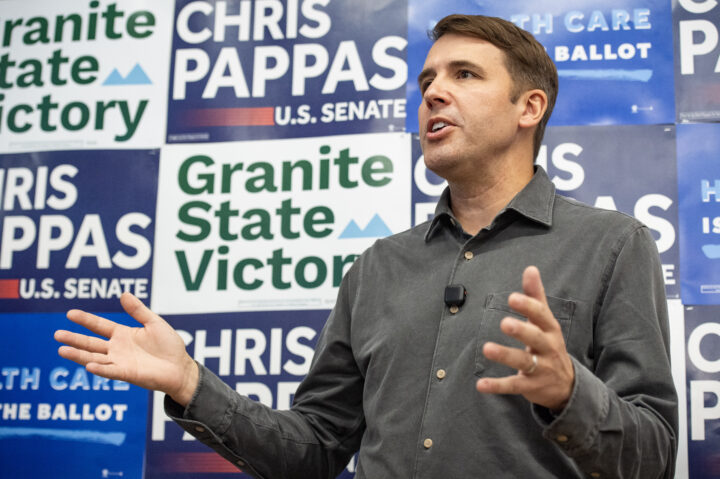
(Joseph Prezioso/Getty Images)
New Hampshire Democratic Senate candidate, U.S. Rep. Chris Pappas (D-NH) speaks to supporters as he attends a canvass launch rally as he campaigns for office on September 6, 2026 in Manchester, New Hampshire.
Tuesday night’s Democratic primaries in New Hampshire delivered mixed results for candidates who made attacks on Israel a centerpiece of their closing arguments.
Rep. Chris Pappas (D-NH) trounced progressive activist Karishma Manzur by nearly a 2-to-1 margin (65%-33%) in the Senate primary, after Manzur attacked Pappas for his stance on Israel and called him a “shill for AIPAC” as a central message of her campaign.
Pappas is now facing a competitive general election against former Sen. John Sununu (R-NH), who is running to rejoin the Senate after nearly two decades out of office. Sununu is expected to be a formidable challenger who holds a narrow lead over Pappas in recent public polling.
The Cook Political Report rates the race as “Lean Democratic.” A longtime New Hampshire pollster told JI last week that Sununu is the underdog but is a strong and experienced candidate, and has a well-known and popular family name in the state, with a record of support from moderates and independents whom Pappas has previously worked to attract.
Pappas will likely be buoyed, however, by the strong national environment for Democrats, while Sununu will need to hold together a coalition of moderates skeptical of President Donald Trump and MAGA diehards in the GOP base.
Meanwhile, Stefany Shaheen, the daughter of Sen. Jeanne Shaheen (D-NH), narrowly beat military veteran and second-time candidate Maura Sullivan. Shaheen closed out the race with claims that AIPAC, which did not endorse and was not involved in either race, had been bundling contributions for Sullivan.
Shaheen’s advantage is partly attributable to her family name — but Sullivan came close to overcoming that advantage despite starting the race trailing Shaheen by double digits.
Shaheen went on air in the closing days of the race with ads accusing Sullivan of being “bankrolled” by AIPAC, and leaned into her opposition to Israel in interviews. Sullivan hit back in her own ad saying she doesn’t take any money from AIPAC.
Under pressure from the left in the wake of the war in Gaza, both Pappas and Sullivan recalibrated their stances on Israel during their primary races. Pappas, a pro-Israel moderate for most of his time in the House, backed away from his previous relationship with AIPAC and called for a “reset” of the U.S.-Israel relationship while voting “present” on an amendment to strip aid from Israel.
Democratic Majority for Israel and the Jewish Democratic Council of America congratulated Pappas on his victory.
Sullivan, who rejected efforts to cut aid to Israel earlier in the race, came around to supporting the suspension of at least some weapons sales to Israel.
The pro-Israel moderate has been recalibrating his foreign policy views under pressure from a far-left anti-Israel opponent
Tom Williams/CQ-Roll Call, Inc via Getty Images
Rep. Chris Pappas (D-NH), Democratic candidate for U.S. Senate, talks with voters on August 16, 2026.
Moderate Rep. Chris Pappas (D-NH) remains favored to win the New Hampshire Democratic Senate primary, but the race is shaping up to be more competitive than expected, both in the Democratic primary and in the general election.
In the primary, Pappas’ progressive challenger, Karishma Manzur, has been gaining ground against him, and leveling attacks related to Pappas’ past support from AIPAC and backing of the U.S.-Israel relationship. Pappas has subtly recalibrated his foreign policy views during the primary.
An Aug. 20-24 poll by the University of New Hampshire showed Pappas’ lead had shrunk to 13 percentage points — though other surveys have shown Pappas with a more significant lead, including a mid-August St. Anselm poll that put him up 31 points and an internal campaign poll that showed him with a 56-point lead.
Pappas has been a pro-Israel moderate in the House, though he voted “present” on the recent amendment by Rep. Thomas Massie (R-KY) to cut off U.S. aid to Israel and, with most Democrats, against a college campus anti-Boycott, Divestment and Sanctions bill. He was endorsed by AIPAC in his House races, but the group has not yet made any endorsements in the Senate race.
Manzur, who accuses Israel of genocide, has made attacks on Pappas for past support from AIPAC a central element of her campaign, going after him for “tak[ing] money from corporate PACs, super PACs, AIPAC, foreign lobbyists” (foreign political donations are illegal) while stating she only takes donations from “regular American folks,” a comment that the New Hampshire Jewish Federation has described as offensive.
She has also accused Pappas of taking a “payoff” from AIPAC in exchange for voting “against humanitarian aid to starving children.”
Her campaign has rented a billboard in Pappas’ home city attacking him over his ties to AIPAC.
Manzur, in a statement to Jewish Insider on Friday, said that Pappas was “unwilling to answer a simple question about AIPAC’s endorsement” and accused him of “hypocrisy.”
“Pappas is a shill for AIPAC and corporations supporting the war machine, so it’s no surprise that special interests are pouring in millions to buy this seat,” she said. That’s exactly why I’m surging in the polls: people are sick and tired of business-as-usual politicians like Pappas who serve their wealthy donors instead of the people they represent. Granite Staters deserve leaders with honesty, integrity, and accountability. I am honest, un-bought, and the people’s candidate, fighting every day to improve people’s lives. That’s why I will win this primary.”
Pappas, for his part, has toned down his past support for the Jewish state, saying after the vote on the Massie amendment, “I cannot support this amendment as written, but also cannot support the disproportionate, extreme policies of the Netanyahu government” and calling for a “reset” of the U.S.-Israel relationship.
Despite appearing at an AIPAC summit earlier this year, and recording a video in front of an AIPAC backdrop expressing support for the U.S.-Israel relationship, he has more recently downplayed that appearance as a meeting with local constituents, rather than with AIPAC as an organization.
Asked recently on CNN about his past support from AIPAC, he downplayed his relationship with the group, saying, “I appreciate the support I have from individuals out there” and said he’s working to change campaign finance laws, as well as emphasized his criticisms of the Israeli government and efforts to push for a two-state solution.
Andrew Smith, the director of the University of New Hampshire Survey Center, attributed Manzur’s growing share of the vote to left-wing energy in the party. New Hampshire Democrats, he explained, have traditionally put forward “people who are kind of middle of the road, not flashy, somewhat boring as candidates … who [aren’t] going to be the most dynamic campaigners,” including Pappas.
“That I think is the biggest problem that Pappas has right now. He’s seen as part of that old guard of the Democratic Party here, even though he’s pretty young,” he continued. “He’s not really, I think, reflecting the energy and anger that you’re seeing from the progressive left of the party.”
That said, he predicted that Pappas is still favored to be the nominee, given the strong support he receives from older voters. Younger voters, who are Manzur’s base, are less likely to turn out on Election Day.
General election polling is also pointing to a competitive race for Pappas in November. A UNH poll in late August showed former Sen. John Sununu (R-NH), the likely GOP nominee, with a narrow lead over Pappas, a result matched by a GOP-sponsored Fabrizio, Lee & Associates poll last week. The nonpartisan elections handicapper Inside Elections shifted the race to a toss-up on Thursday.
A St. Anselm College poll in mid-August had shown Pappas with a seven-point lead over Sununu.
Smith said that Pappas, assuming he’s the nominee, would face a competitive race in the general election, despite the environment otherwise favoring Democrats. Sununu’s family name is well-known throughout the state, he was popular during his time in office and his brother Chris Sununu was a popular recent governor, Smith explained.
“He’s getting more support from more moderate voters and more independent voters who either don’t know Pappas or maybe they are just looking for somebody different,” Smith said. “Sununu is maybe the underdog, but … he knows how to run,” is very sharp and is a strong debater.
Sununu’s biggest challenge will be to distance himself enough from President Donald Trump to win over moderate voters without angering Trump voters in the GOP base.
Shaheen, despite her famous last name, is narrowly trailing military veteran Maura Sullivan in New Hampshire’s congressional primary
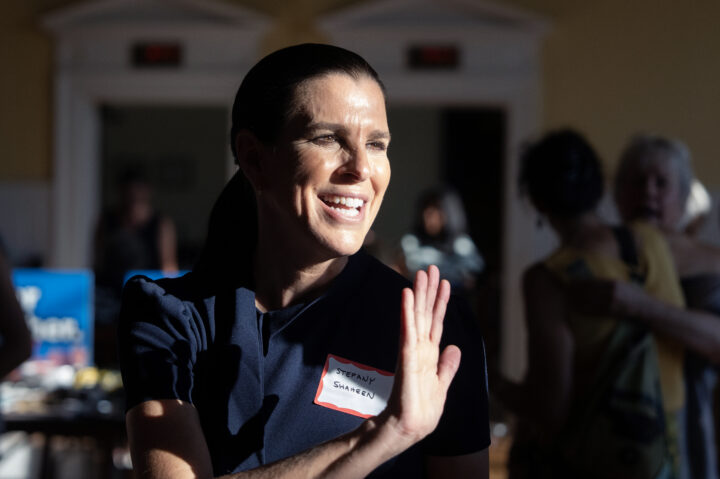
Tom Williams/CQ-Roll Call, Inc via Getty Images
Stefany Shaheen, Democratic candidate for New Hampshire's 1st Congressional District, at City Hall in Dover, N.H., on August 13, 2026.
Stefany Shaheen, the daughter of Sen. Jeanne Shaheen (D-NH), has been attacking AIPAC as a central message of her campaign in the closing days of her campaign.
But unlike some other Democrats who have used attacks against Israel to boost fortunes with the progressive base, Shaheen has fallen behind her primary opponent, military veteran Maura Sullivan, who holds a narrow lead in the latest public polling. Sullivan, who entered the race as a supporter of Israel, has also taken a more critical turn, supporting blocking at least some offensive weapons sales to the Jewish state.
Shaheen and Sullivan are the two leading Democratic candidates vying to succeed Rep. Chris Pappas (D-NH) in New Hampshire’s 1st Congressional District, and the race has turned increasingly acrimonious in the closing days of the campaign.
Shaheen, who went on air with an anti-AIPAC ad accusing Sullivan of receiving support from the pro-Israel group last month, has continued to double down with a new ad airing this week, shared by the New Hampshire Journal, which describes Sullivan as “bankrolled” by AIPAC, which the ad describes as “the powerful pro-Israel lobby aligned with Netanyahu,” alongside a photo of the Israeli prime minister.
The outlet noted that Shaheen has been leaning into her opposition to Israel aid in media interviews as well, and accused Sullivan of attempting to recast herself as a progressive in the closing stretch of the campaign.
Sullivan is circulating her own ad accusing Shaheen of “shameful” lies about Sullivan, including emphasizing that Sullivan “doesn’t take a dime from corporate PACs or AIPAC.”
In the ad, Sullivan accuses Shaheen of feeling “entitled” to the seat because of who her mother is.
The two again traded barbs during a Thursday evening debate, with Sullivan also facing criticism from several of the other candidates on stage.
“She has taken AIPAC-bundled donations more than she has raised from people who are in New Hampshire,” Shaheen claimed. “It matters because the voters deserve to know what her positions are.”
Sullivan responded that she does not have any support from AIPAC. “I have called for the cessation of the illegal encroachment on settlements in the West Bank. I’ve said that the U.S.-Israel relationship needs a reset, and I’ve been very, very clear that I would have voted with Bernie Sanders on a recent bill to not send offensive weapons to Israel,” she continued — a significant shift from her more pro-Israel stance earlier in the race.
Faced with continued accusations from Shaheen, Sullivan said that she had contacted Democrats across the country who have supported other in-state Democrats. “I think we can all agree that that’s great company. And let me be clear: I’m incredibly proud to have the support of people who have supported our senators and see leadership in me.”
A poll by Tavern Research released on Wednesday showed Sullivan holding a narrow lead over Shaheen, 33%-27%, even after Shaheen secured the endorsement of Sen. Maggie Hassan (D-NH) in late August. University of New Hampshire and St. Anselm College polls also showed Sullivan with a narrow lead as of mid-to-late August. Shaheen had previously led in surveys in the district.
Andrew Smith, the director of the University of New Hampshire Survey Center, told Jewish Insider that the race is still very much unsettled and in flux, and said that he sees a path to victory for progressive Carly Beriont as well, running in a more anti-establishment lane, after other progressive candidates dropped out, and as Shaheen and Sullivan focus their fire on each other.
Shaheen, given her family pedigree, and Sullivan, as a previous candidate for the seat, “have been engaged in Democratic politics for quite a bit of time, whereas Beriont is the outsider,” Smith said.
Smith said that early polling showing Shaheen leading was primarily due to name recognition, but that Sullivan has been able to close that gap before the primary. He emphasized that, in UNH’s most recent polling, the two are effectively tied and neither has pulled above 30%, “which says to me, as somebody who’s followed these races here in New Hampshire for 25, 30 years, it could go in a lot of different directions at the end.”
Smith called Shaheen’s anti-AIPAC attacks somewhat surprising, given that the issue hasn’t been particularly salient in New Hampshire in the past, but said other Democratic primaries elsewhere in the country have shown it to be effective. At the same time, he said that the state hasn’t seen many anti-Israel demonstrations, “so I don’t believe there’s that much of a movement there.”
Smith predicted that the winner of the Democratic primary will be the favorite in the general election, given the district’s Democratic lean, the unpopularity of President Donald Trump in the district and the underwhelming field of GOP candidates. Businessman Anthony DiLorenzo has emerged as the GOP favorite after winning Trump’s endorsement.
Stefany Shaheen, the daughter of Sen. Jeanne Shaheen, accused her congressional primary opponent of taking $300,000 in donations ‘bundled from AIPAC donors’
Tom Williams/CQ-Roll Call, Inc via Getty Images
Stefany Shaheen, Democratic candidate for New Hampshire's 1st Congressional District, at City Hall in Dover, N.H., on August 13, 2026.
Stefany Shaheen, the daughter of Sen. Jeanne Shaheen (D-NH) and a candidate for New Hampshire’s 1st Congressional District, launched a TV ad this week hitting her opponent for receiving support from pro-Israel donors.
The ad claims Maura Sullivan, a military veteran, has taken $300,000 in donations “bundled from AIPAC donors,” in addition to support from Jeff Bezos and a contractor for Immigration and Customs Enforcement. The attacks come even as Sullivan has shifted left on Israel policy issues during the campaign.
“Let’s show them New Hampshire’s not for sale,” the ad declares.
The donations referenced in the ad appear to be from individual donors who have previously contributed to AIPAC, referencing a story in the New Hampshire Union Leader. Despite the claims, AIPAC itself has made no endorsement and has not been directly involved in the race — although the grassroots pro-Israel group NORPAC did hold a fundraiser for Sullivan earlier this year.
“Maura has not received any money from AIPAC and would not accept its endorsement if offered,” Emmett Avery, a spokesperson for Sullivan, told HuffPost. Avery also said that Sullivan wants to see a “full reevaluation of the U.S.-Israel security relationship” and that the U.S. can no longer provide a “blank check for offensive weapons.”
Though Sullivan has outraised Shaheen $3.3 million to $2.2 million, limited public polling of the race had put Shaheen ahead until this week. The most recent poll, from St. Anselm College conducted, had the two at a statistical tie, with Sullivan at 26% and Shaheen at 24%. The survey suggests Sullivan is gaining ground — the same poll put Shaheen seven points ahead, 22-15%, in late June, with nearly 50% of voters remained undecided.
The stance expressed by Sullivan’s spokesperson is a shift from her position in an interview with Jewish Insider in 2025, when Sullivan said she would not support efforts to cut off U.S. aid to Israel, and emphasized the importance of the U.S.-Israel relationship even as she criticized the humanitarian situation in Gaza.
Shaheen has said she would have supported an amendment led by Rep. Thomas Massie (R-KY) to cut off $3.3 billion in U.S. aid to Israel in 2027 and her campaign has repeatedly hit Sullivan over alleged ties to AIPAC.
Emma Greenberg, a spokesperson for Shaheen’s campaign, accused Sullivan of being “beholden” to AIPAC and said that Shaeen “supported the Massie amendment to stop sending endless weapons to Netanyahu because she knows change is critical.”
Jack Cocchiarella’s latest guest was Gov. Gavin Newsom, as Newsom positions himself for a potential 2028 presidential run

Jack Cocchiarella/YouTube
Jack Cocchiarella interviews California Gov. Gavin Newsom in New Hampshire on March 5, 2026.
As Gavin Newsom travels around the country promoting his book — a memoir widely seen as a first step on his journey toward a 2028 presidential campaign — the California governor made appearances in South Carolina and New Hampshire, two early Democratic primary states that are important stops for any likely candidate.
For a trip signaling presidential ambitions, Newsom’s choice of interviewer is revealing. On Thursday night, he was interviewed in Portsmouth, N.H., by Jack Cocchiarella, a self-described “progressive political pundit,” part of a group of Gen Z influencers with growing clout among Democratic voters.
Courting those content creators has been central to Newsom’s efforts to build an engaged national audience.
He’s adopted a go-anywhere media strategy that has put him in conversation with everyone from New York City Mayor Zohran Mamdani, a democratic socialist, to conservative Daily Wire founder Ben Shapiro. On Thursday, at the event with Cocchiarella, Newsom said he would sit for a conversation with the far-left streamer Hasan Piker, one of the most recognizable names among young political influencers — and who has an unshakeable predisposition toward antisemitism.
In recent months, Cocchiarella has adopted a stridently anti-Israel posture that mirrors some of the incendiary rhetoric frequently employed by Piker, though Cocchiarella isn’t yet as prominent as Piker.
But the Columbia University graduate has quickly gone from being a small-time digital strategist for Democratic candidates in Florida to a YouTuber who has scored interviews with some of the most important members of the Democratic Party. In the 20 months since he posted his first YouTube video, he has garnered 1.47 million subscribers, with some of his videos fetching up to 5 million views. Most of them feature Cocchiarella attacking President Donald Trump.
While Cocchiarella has developed a somewhat cheeky style drawing on Democrats’ opposition to Trump, he’s far less aggressive than Piker, and more in line with the talking points of mainstream Democrats. He’s interviewed many of them: Sens. Elizabeth Warren (D-MA), Cory Booker (D-NJ), Ruben Gallego (D-AZ) and Mark Warner (D-VA); House Minority Leader Hakeem Jeffries (D-NY); and Reps. Greg Landsman (D-OH), Robert Garcia (D-CA), Jamie Raskin (D-MD) and Eric Swalwell (D-MA) all appeared in video interviews with Cocchiarella, as did Kentucky Gov. Andy Beshear.
But against this backdrop, Cocchiarella also has a combative streak. In October, weeks after conservative activist Charlie Kirk was killed, Cocchiarella drafted a tweet responding to news that Turning Point USA, the organization Kirk created, would be putting together an “All-American” halftime show to compete with the Super Bowl’s official halftime show, where the Puerto Rican artist Bad Bunny was set to perform. “Shoot him again,” Cocchiarella wrote.
The message was never posted on X, but he shared a screenshot of the draft to a private Instagram story. “Thoughts?” Cocchiarella wrote. He did not respond to a request for comment. (A screenshot of the post was obtained by Jewish Insider.)
Israel did not appear to be an issue Cocchiarella cared much about until last year. “Also f*** Israel just to be clear,” he wrote in a post on X in October. “STOP SENDING MY F***ING TAX DOLLARS TO ISRAEL,” he wrote in December. “Israel is a terrorist state that threatens and kill [sic] Americans,” Cocchiarella posted this week, days after the U.S. and Israel began military strikes against Iran.
In December, Cocchiarella interviewed Newsom and asked him about whether he would accept money from AIPAC, the pro-Israel lobby.
“AIPAC, DMFI [Democratic Majority for Israel], the Israel lobby at large. This has become a big conversation, [for] someone like myself, and I think at this point a broad majority of Democrats are saying we don’t want candidates who are taking money from AIPAC. We don’t want candidates who are beholden to the Israel lobby,” Cocchiarella said.
In response, Newsom said he had never received financial support from AIPAC — which only contributed to federal campaigns — just like he has never accepted donations from the tobacco or oil lobbies.
On Thursday, at the New Hampshire event, Cocchiarella asked Newsom to clarify comments he had made two days earlier suggesting that Israel could be considered an “apartheid state.” Cocchiarella said some online conversation has suggested Newsom is just following the polling, that “you don’t actually believe what you said there,” that “it’s kind of like a shape-shifting move.” But he said it reminded him of Newsom’s decision in 2004, when he was mayor of San Francisco, to give out same-sex marriage licenses — much to the chagrin even of other liberal Democrats in the state who had not yet come out in support of gay marriage.
“History echoes a little bit in the same way,” Cocchiarella said.
In response, Newsom spoke about growing up deeply connected to the Bay Area Jewish community and even traveling to Israel with his family.
“I want to level set on that basis. What I can’t accept today, though, is what Bibi Netanyahu is doing in Israel, and I just can’t countenance that,” said Newsom, who compared his anger at Netanyahu’s efforts to annex the West Bank to the way he felt when same-sex marriage was not yet legal.
“I can’t sit back in the spirit of this book, in the spirit that defined marriage equality, in terms of my values and beliefs, and watch that,” said Newsom.
Before Newsom’s interview with Cocchiarella, a spokesperson said the governor often sits for interviews with people whose views diverge from his own.
“Of course the governor doesn’t agree with every statement of every person he ever sits down with,” Izzy Gardon, Newsom’s communications director, told JI. “He is proud to engage with people across the political spectrum — from Ben Shapiro to Mayor Mamdani. The governor believes in free speech and open debate, something Donald Trump, who dines with neo-Nazis like Nick Fuentes, clearly doesn’t understand.”
The state’s attorney general said the suspect ‘was making a lot of different statements, and it appears to us that it’s more likely that those statements were intended to create chaos’

Brandon Bell/Getty Images
A police vehicle and crime scene tape.
Authorities said on Sunday that they believe the suspected gunman in the fatal shooting at a country club in New Hampshire on Saturday night shouted “Free Palestine” in order to “create chaos” at the scene, suggesting they do not view the case as motivated by antisemitism.
Hunter Nadeau, a 23-year-old Nashua, N.H., resident, was apprehended and taken into custody near the Sky Meadow Country Club on Saturday. Shortly before, Robert Steven DeCesare, 59, was killed in the shooting while attending dinner at the club, located about 40 miles north of Boston, and two other adults, another restaurant patron and an employee were injured. The employee was in stable but critical condition as of Sunday, Nashua Police Chief Kevin Rourke said.
Four other restaurant patrons were wounded as a result of the chaos as people tried to escape the shooting.
According to local reports, as a wedding was taking place at the club, gunfire rang out as guests were gathering around the dance floor for the bride and groom’s first dance, which was set to include some individuals breaking dishes, a traditional custom in Greek weddings. Attendees quickly scattered amid the realization of gunfire, with some hiding inside the event room and others running into the kitchen and the club’s restaurant, located directly next door.
Several witnesses reported hearing the suspect shout “Free Palestine,” including Tom Bartelson, the groom’s uncle, who told WCVB that the shooter also shouted: “The children are safe.”
“It looked like a target, that he was going right for this person. I feel terrible for him,” Bartleson later told WMUR.
Speaking to reporters on Sunday, New Hampshire Attorney General John Formella said that the suspect made a series of statements during the shooting, and that authorities did not currently have evidence of the attack being motivated by antisemitism or other hate-based reasons.
“He was making a lot of different statements, and it appears to us that it’s more likely that those statements were intended to create chaos during the event and that they don’t really give us much of a sense of his motive,” Formella said at a news conference.
Formella said Nadeau had been charged with one count of second-degree murder for knowingly shooting DeCesare, whose mother told CNN her son lunged at the gunman in an attempt to stop the shooting when he was killed. While police originally believed there to be two suspects, prompting a local shelter in place order to be issued temporarily, they reversed course later Saturday after apprehending Nadeau, who is expected to face additional charges relating to the victims with non-gunshot wounds.
The state attorney general revealed that Nadeau was a former employee of the club, but had not been employed there in about a year.
Democrat Maura Sullivan, a military veteran running in a swing district, is aiming to succeed Rep. Chris Pappas in the House
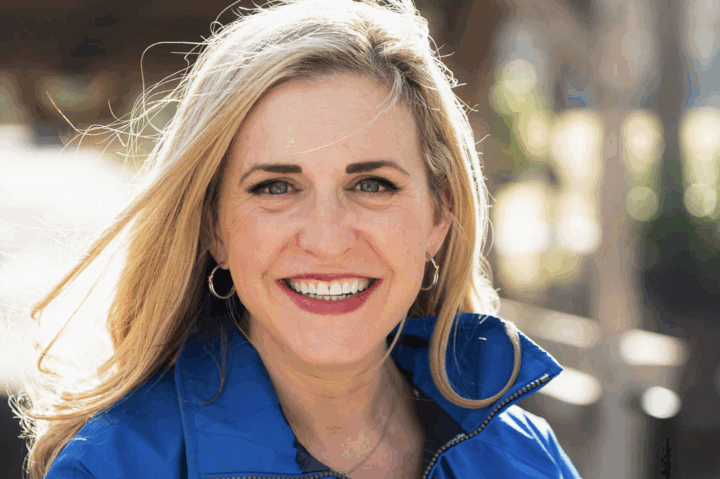
Maura Sullivan for Congress
Maura Sullivan
Maura Sullivan, a Marine veteran who served in Iraq and later worked as a senior Defense Department official, is aiming to leverage that experience to win the New Hampshire congressional seat currently held by Rep. Chris Pappas (D-NH), who is running for the Senate. She’s also leaning on that background as she stakes out her positions on the conflict in the Middle East.
Speaking to Jewish Insider, Sullivan strongly criticized Israel for the humanitarian crisis in Gaza, saying it must take action to ensure more aid to the Palestinian people, but at the same time said that she would not support efforts to cut off U.S. aid to the Jewish state and affirmed her commitment to the U.S.-Israel relationship and the need to eliminate Hamas.
As a Pentagon official, Sullivan said she spent time in the Middle East on “allied reassurance tours,” visiting allies and meeting with top officials, such as Israeli Prime Minister Benjamin Netanyahu and Moshe Ya’alon, then Israel’s defense minister, to learn about Israel’s challenges and capabilities and “talking about the incredibly important relationship between the United States and Israel and strongly reaffirming the United States commitment to our ally Israel.”
“I’ll bring that perspective to the work I do in Congress and will greatly inform because I have that firsthand perspective, experience and knowledge,” Sullivan said, adding that she’d be seeking a spot on the House Armed Services Committee if elected.
“I’ve been very clear since the devastating, absolutely deplorable Oct. 7 attacks that Hamas perpetrated that Israel has the right to defend itself,” Sullivan continued. “I also want to be clear that the conditions in Gaza are inhumane, they’re deplorable and they must be improved immediately. … Hamas can be destroyed and significant aid can be let in at the same time. It’s a false choice to think that those two objectives cannot occur simultaneously.”
She said she has firsthand experience with humanitarian supply issues in a war zone, having served as a logistics and operations officer in Fallujah, Iraq, to move food and other supplies through what was at times an urban combat zone.
Doing so, she said, is “logistically complex” but also “doable” and “necessary.” She said the U.S. should apply “maximum pressure” on Netanyahu to increase aid, or provide aid directly if that fails.
Unlike growing numbers of Democrats in Congress, though, Sullivan said that she does not support efforts to cut off the U.S. supply of arms to Israel in response to the humanitarian situation in Gaza.
“I do not think that the answer in this conflict is to make Israeli civilians less secure due to the actions of their government,” Sullivan said. “In an effort to solve this conflict, the Israeli people need to have the ability to defend themselves against not only Hamas, but also other nefarious actors, [like] Hezbollah and … Iran.”
Sullivan added that she wanted to be clear that Hamas is a terrorist organization, its attack on Oct. 7, 2023, was the “catalyst behind all of this” and that it must return the hostages.
The pathway to a lasting peace, through a two-state solution, requires “eradicating Hamas,” she continued. “The Palestinians need to be able to live in a demilitarized state that they control, not Hamas, and the Israelis need to be able to live beside them in peace.”
Sullivan has visited Israel three times, including visiting extended family of her husband, who is Jewish, in Tel Aviv and Jerusalem. She described a visit to Yad Vashem, while she was a Pentagon official, as particularly “powerful and unforgettable.”
Sullivan said she saw during her time in Iraq that “leadership in Washington was totally out of touch” — on both sides of the aisle — with the actual situation on the ground, “and we were sent to a war we never should have been in without a plan to win and without the resources to succeed, in what was arguably the biggest foreign policy debacle this country has seen since the Vietnam War.”
That experience, she said, showed her firsthand the real consequences of decisions made in Washington. She expressed strong support for long-running efforts in Congress to repeal the Authorizations for Use of Military Force for Iraq and Afghanistan.
“Congress has to go on the record if we are going to declare war,” Sullivan said, asked about the U.S. military strikes on Iran. She urged the administration to prioritize the safety of U.S. troops and “resist any effort to drive the U.S. into another costly and deadly war in the Middle East.”
But, Sullivan continued, “Iran is the leading state sponsor of terrorism, relentlessly driving violence and chaos against the United States, Israel and our allies. A nuclear armed Iran would represent a direct and unacceptable threat to America’s national security, regional stability, as well as Israel’s very existence.”
Given Iran’s recent violations of the Nuclear Non-Proliferation Treaty, she said that “Israel is absolutely justified in taking action to dismantle Iran’s dangerous nuclear ambitions. No nation should be forced to stand by while its survival is threatened.”
Sullivan also served on the American Battle Monuments Commission, visiting gravesites of fallen soldiers around the world, which “greatly heightened my sense of the role of America in the world” and what the U.S. means to its allies.
The Marine veteran described the antisemitism crisis in the United States as particularly personal for her, given that her husband is Jewish and they are raising their children, ages 3 and 5, in an interfaith home.
“I understand these issues at a deep and personal level. Judaism was a first-date conversation for my husband and I,” Sullivan said. “My children are not yet old enough to talk to them about it, but it is something that we will need to address as a family.”
She said that she would be a “strong voice in Washington” against antisemitism and noted that it had recently hit close to home when a group of neo-Nazis marched on the state Capitol in Concord.
Sullivan leads the primary field in fundraising, having pulled in nearly $800,000 as of the end of the last quarter. Her leading Democratic primary challenge is Stefany Shaheen, the daughter of Sen. Jeanne Shaheen (D-NH) and a former Portsmouth city councilor, who raised $532,000 in the last quarter.
Carleigh Beriont, a Harvard professor and Hampton, N.H., selectwoman, entered the race in June, raising $162,000 that month. Multiple Republicans have filed to run for the seat, but none have reported raising any funds thus far.
Sullivan ran in the 2018 primary against Pappas, who is leaving the seat to run for the Senate. Sullivan won 30% of the vote in 2018 to Pappas’ 42%, before Pappas went on to win his first term in Congress.
The Marine veteran said that she believes that the Democratic Party and the country “needs new and different leadership,” and argued that her military background will make her more effective in holding the administration accountable.
Sullivan drew explicit comparisons between herself, and other female veterans running in swing districts, and the class of female national security leaders — including Sen. Elissa Slotkin (D-MI), Reps. Mikie Sherrill (D-NJ) and Chrissy Houlahan (D-PA) and former Rep. Abigail Spanberger (D-VA) — who helped Democrats win back the House in 2018.
She’s part of a group calling itself the Hellcats, which also includes New Jersey congressional candidate and Navy veteran Rebecca Bennett, that is trying to emulate their model.
If elected, Sullivan said she’d be the first female Marine ever elected to Congress.
She said she’s heard from voters in the 1st District, particularly veterans and small business owners who typically vote Republican, that they’re supporting her in part because of her military background.
She said her interest in public office was spurred by a family commitment to service as well — her grandfathers fought in World War II and her grandmothers were both involved in Jesuit education, as well as her own military service.
Coming back from Iraq, Sullivan felt a “very deep-seated obligation to commit my life to public service,” particularly because some of those she served with would not have that chance. “To live your life in a way that matters for something and for people way beyond yourself, something so much bigger than yourself — it was a transformational experience.”
Please log in if you already have a subscription, or subscribe to access the latest updates.
 Continue with Google

 Continue with Apple