




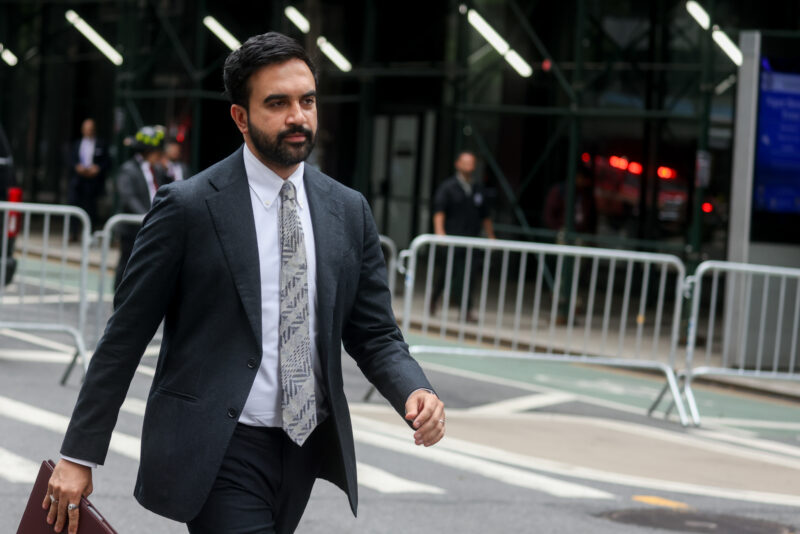




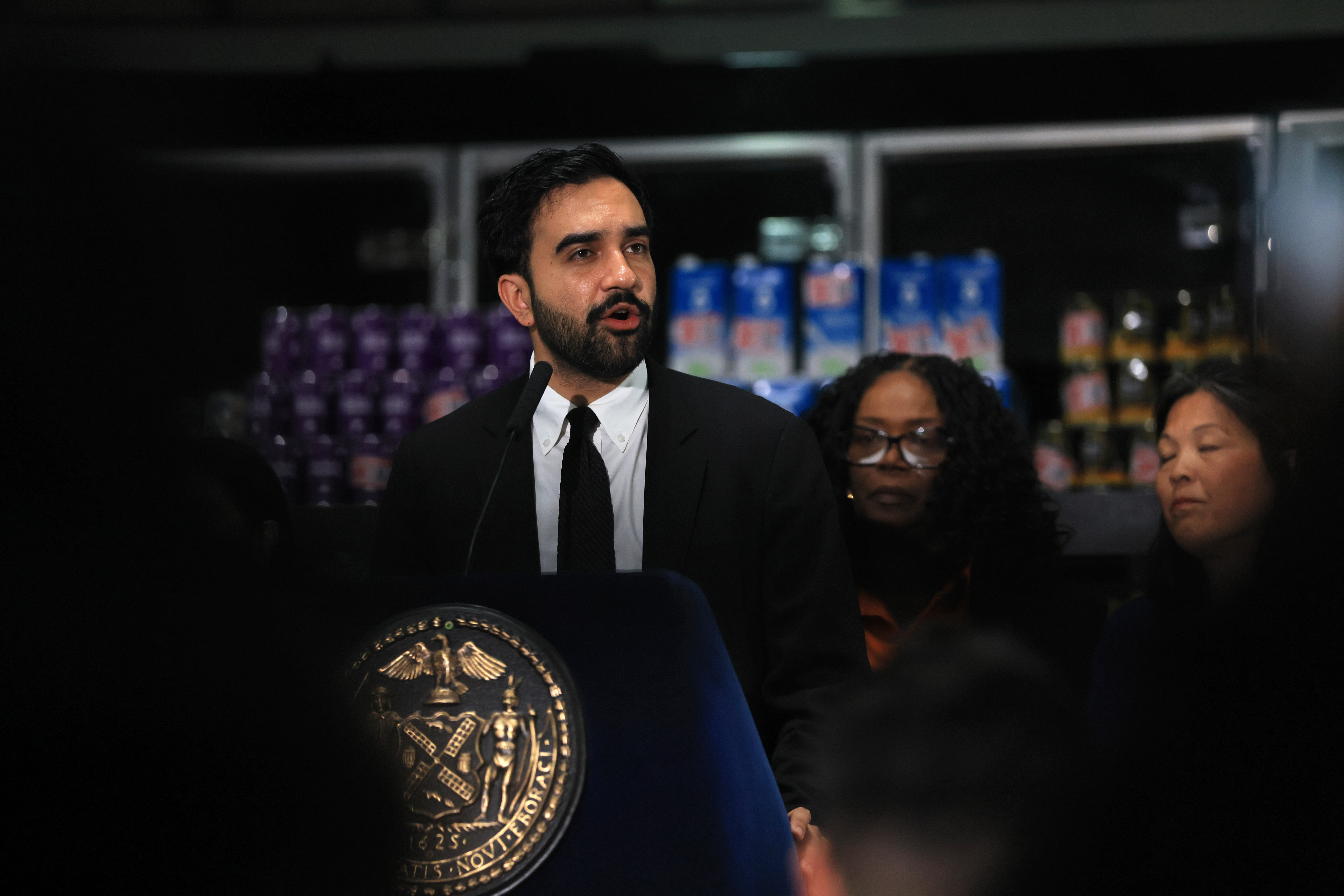






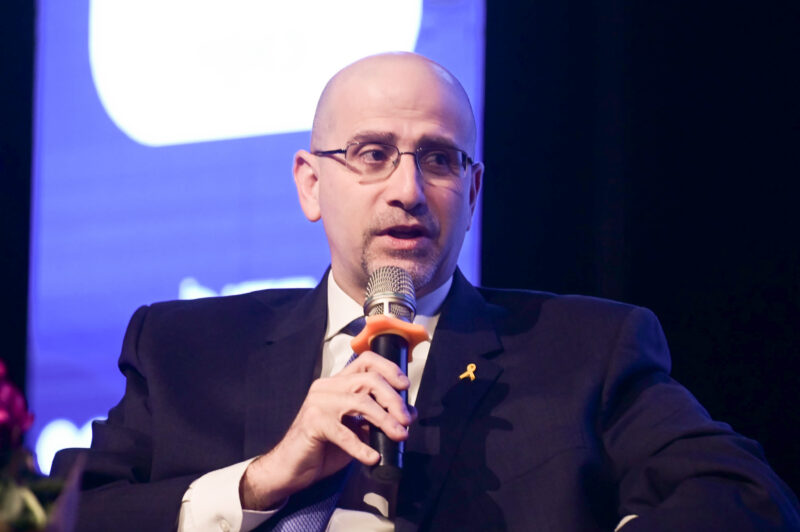










Tibon told JI that the documentary's eventual debut, despite significant roadblocks, was ‘a victory for the movie and a victory for the truth of what happened on Oct. 7’
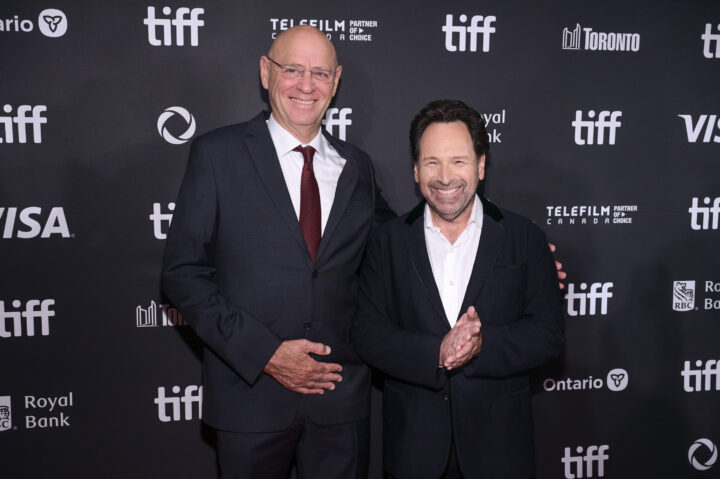
George Pimentel Photograph
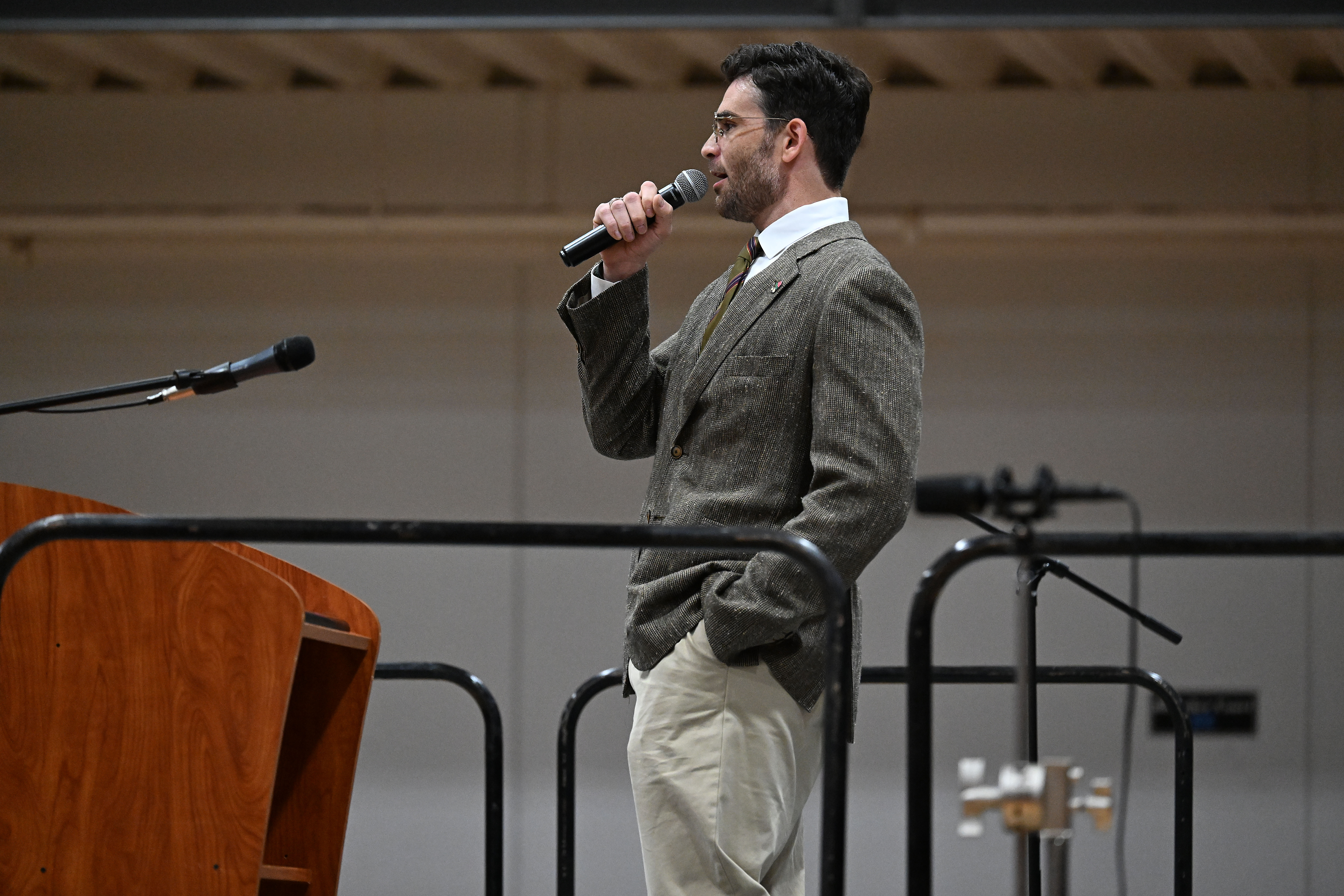
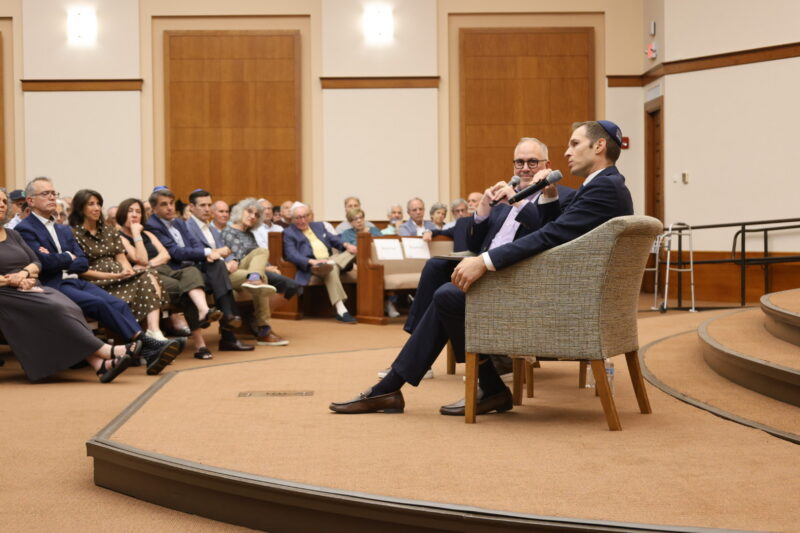
AM Noam Tibon and Barry Avrich at the premiere of "The Road Between Us" documentary at the Toronto International Film Festival.


 Add JewishInsider on Google
The most important major victory of retired Israeli Gen. Noam Tibon’s life was rescuing his son, Amir, his daughter-in-law, Miri, and their two young daughters from their home in Kibbutz Nahal Oz during the Oct. 7, 2023 Hamas terror attacks.
But the premiere of a new documentary telling that story almost didn’t happen.
“The Road Between Us: The Ultimate Rescue” debut at the Toronto International Film Festival last month was “a victory for the movie and a victory for the truth of what happened on Oct. 7,” said Tibon, the film’s protagonist who served in the IDF for 35 years, specializing in combat operations and counterterrorism.
“For 72 hours, as the world came together to say this should be screened, I felt a ray of hope,” the documentary’s director, Barry Avrich, told Jewish Insider in an interview alongside Tibon, days before the film debuted in 81 theatres across North America on Friday. “We hadn’t felt that since Oct. 7 at all.”
Getting the film to the big screen required a global effort. In August, a month before the festival, TIFF organizers revoked their invitation to show “The Road Between Us,” citing the documentary’s use of Hamas footage of the attacks that the festival said had not been approved for use by the terror group.
Following pressure from Hollywood heavyweights and Jewish groups, the film was ultimately allowed to premiere at the festival on Sep. 10, where it received a standing ovation from an audience of nearly 2,000 people and won the festival’s top prize, the People’s Choice Award.
“What was extraordinarily amazing to me — because I just didn’t think we had the wind to our back — was that the global pressure and reaction to the withdrawal of this film was so enormous and validating. We received emails from Jewish people as far as Shanghai” who were outraged over the film’s cancellation, Avrich recalled. “It was one of the great moments in my film career, when the Hollywood community and Jewish community globally said, ‘We will not be erased.’ I kept telling Noam, ‘You will not cancel your ticket, you’re coming to Toronto. We will show this film.’”
“I was very proud that we got into the TIFF festival,” added Tibon. “This industry is all new to me but I understand it’s one of the biggest festivals in the world. One day, Barry called me and said we were out of the festival. Then we got so much support from Jewish communities and movie supporters all over the world. I want to thank all of the people who stood up and said this is not fair.”
The documentary tells the story of Tibon and his wife Gali’s race in their jeep — pistol in hand — from Tel Aviv to the kibbutz in the Gaza envelope to rescue their son, Amir Tibon — a correspondent for Haaretz — his wife Miri Bernovsky-Tibon and their two daughters, then three and nearly two years old, trapped in a safe room on their kibbutz when Hamas terrorists invaded on Oct. 7. The film uses Hamas body cam footage and video from surveillance cameras to tell Tibon’s chronicle as he not only successfully fought his way to his son, but saved several others along the way, from Nova Music Festival concert-goers to Israeli soldiers.
The elder Tibon said that from his experience on Oct. 7, diaspora Jews and the organizations that serve them can learn “only one piece of advice.”
“If your family or people you love are in danger, do something. Do whatever you can to save them,” he told JI. “Of course you can prepare, but [it comes down to] your spirit, your willingness to take risks to save the people you love. The movie — and my story about my family — is about doing whatever [can be done] to save family. I used all my experience and skills on that day.”
Avrich, a Canadian acclaimed documentary filmmaker, first learned of the Tibon family story when it aired on “60 Minutes” in October 2023. “You look for stories as a documentary filmmaker. I like stories of heroism,” he told JI. “[This story] is about leaving no one behind. The minute I got on a Zoom with Noam, I knew I had to tell his story.”
“It wasn’t so much that this was an Israeli story,” continued Avrich, who said he wasn’t seeking out Oct. 7 stories. “It’s a story about family. This is a slice of a day that really attracted me to some hope of the day. The film is not about Oct. 7. It’s about the Tibon family. It happened on Oct. 7, but it’s not a political commentary.”
As the two year anniversary of the attacks approaches, Tibon said Israel has several issues it needs to address — including uncovering how the Israeli government missed signals of the looming Hamas terror attack on Oct. 7.
“It’s important that all of the kibbutzim communities along the border feel secure,” he told JI. “That’s why the hostages are the second biggest failure of this government. It’s against Judaism and the main values of the IDF to leave anyone behind. All of the communities along the border need to see that the hostages are back home to feel that they are secure. One of the biggest challenges is making people in Israel feel secure again.”
“Oct. 7 was the biggest failure in the history of the state of Israel,” Tibon continued. “It’s not one or two [issues], it’s a collapse of a system. I’m pushing that the government will go according to Israeli law and build a formal investigation, led by a Supreme Court judge, like we did after the [1973] Yom Kippur [War] failure. This should answer three main questions: what happened on that day, why it happened and who was in charge and what we need to do in order to prevent such a failure in the future. After the election in Israel, this is the first thing the new government will do.”
Tibon said that his experience on Oct. 7 should lead to the IDF permitting “more and more people” to volunteer to serve, including older Israelis in reserves. “On Oct. 7, the IDF was too small for the challenges of the security of the state of Israel,” he said.
The younger Tibons remain displaced from Nahal Oz, which is located just 850 meters from the border with the Gaza Strip. “Kids cannot come back to the kibbutz yet,” said Tibon, adding that he hopes they will return home “as soon as the border will be quiet.”
“We heard [President Donald] Trump’s [Gaza peace] plan. I hope we will move forward to this and bring the hostages home,” said Tibon. On Wednesday night, Israel and Hamas signed off on the first phase of the peace deal, with all the hostages expected to be released by Monday.
Noting the upcoming anniversary of the attacks, Tibon said he dedicates the film to “all of the people who fought with me on Oct. 7 — the brave soldiers and border patrol and the brave squad of [Kibbutz Nahal Oz]. I hope many people will watch this around the world because it’s a story about family. What would you do in such a situation?”
Please log in if you already have a subscription, or subscribe to access the latest updates.
 Continue with Google
 Continue with Apple