














































Senate expected to vote on Saudi nuclear deal before end of year
A resolution of disapproval brought by Sens. Markey and Merkley is unlikely to pass, even as some Republicans voice skepticism of the deal
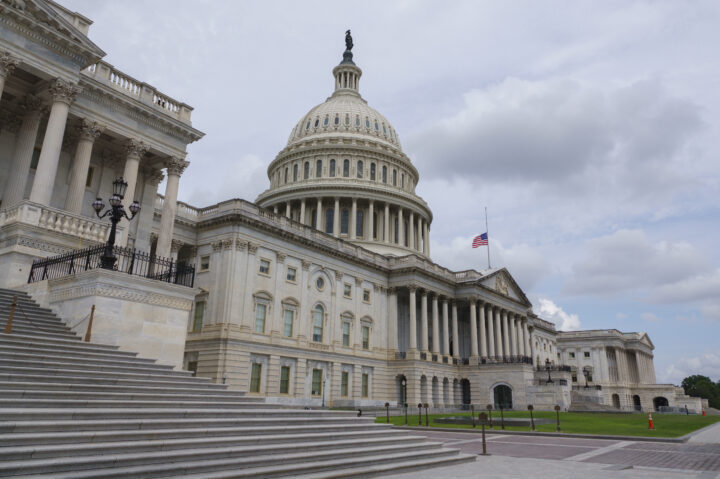
Kevin Carter/Getty Images
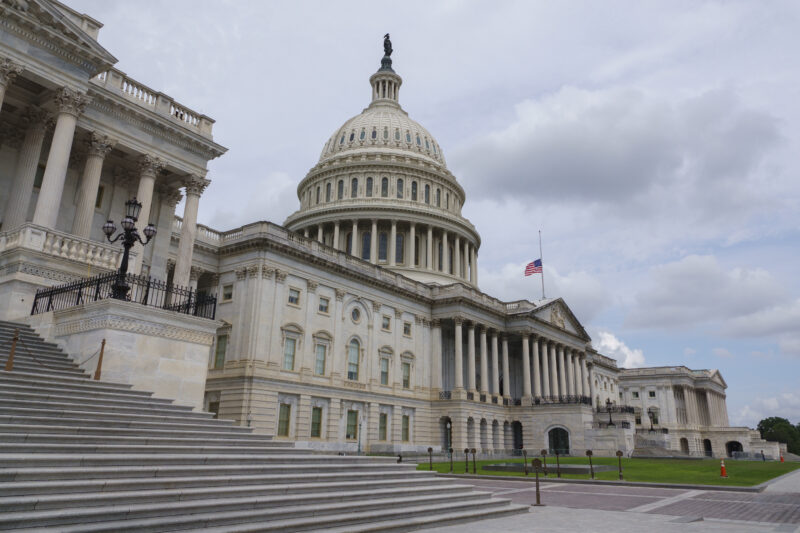
U.S. Capitol building on July 12, 2026 in Washington, DC.


 Add JewishInsider on Google
Sens. Jeff Merkley (D-OR) and Ed Markey (D-MA) introduced a joint resolution of disapproval on Thursday that aims to block the U.S.-Saudi nuclear deal, allowing the Democrats to force a vote on the deal when the chamber returns from recess.
It appears unlikely at this point that the GOP-controlled Congress will vote to block the deal, with most Republicans expressing support for it, but some GOP holdouts have voiced their concerns. The agreement would tee up the possibility of nuclear enrichment inside Saudi Arabia and lacks the safeguards applied to deals with the United Arab Emirates and some other U.S. allies.
The resolution could come up for a vote on Nov. 29 at the earliest. House Democrats have introduced a similar resolution to block the deal.
Both Merkley and Markey said that the deal is effectively a covert path to a nuclear weapon for Saudi Arabia.
Merkley said it is “unacceptable” to make such a deal without “ironclad protections” to ensure that the program cannot be used to create a nuclear weapon. He said that nations pursuing ostensibly peaceful nuclear energy programs must agree to forego enrichment and reprocessing and allow rigorous inspections.
“We can’t sleepwalk into a decision this consequential,” Merkley said. “The law gives Congress the power to review and block a deal like this, and the Senate will now have the chance to fulfill its statutory responsibility before it’s too late.”
Markey was even more direct.
“The US-Saudi nuclear deal is about megatons, not megawatts. Trump should not be sharing nuclear bomb technology with a nation that US intelligence says may want nuclear weapons,” Markey said. “Even worse, the deal fails to meet the nonproliferation Gold Standard, by allowing Saudi Arabia to enrich uranium, an essential step to producing a bomb, but not requiring the strongest international inspections. This deal is the starting gun for a Middle East nuclear arms race. Congress must reject it.”
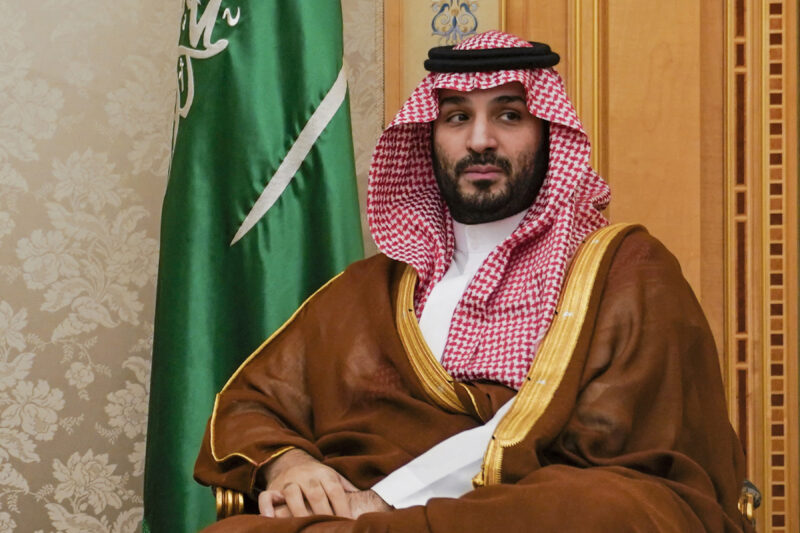
Saudi Crown Prince Mohammed bin Salman has said openly that Saudi Arabia would pursue nuclear weapons if Iran were to obtain a nuclear bomb.
In a press release, Merkley and Markey also noted that President Donald Trump has said publicly that he would tie the deal to Saudi normalization with Israel but that no such conditions exist within the language of the agreement.
More Stories

SCOOP
Rep. Lawler urges Treasury to reopen investigation into Swiss bank’s Nazi ties

Cross-Party Call
JCPA urges candidates in both parties to reject antisemitism ahead of midterms

BACK FROM THE GULF
Sen. Murphy accuses admin of ‘active cover-up’ of Iran war, vows to leverage funding to end war

TEXAS TALK
Talarico accuses Netanyahu of imposing ‘collective punishment’ in Oct. 7 response

DIPLOMATIC PUSH
Miliband agrees to host international antisemitism meeting at urging of J7 Task Force
PROBLEMATIC POST
Paxton senior advisor endorsed antisemitic slur on social media
Please log in if you already have a subscription, or subscribe to access the latest updates.
 Continue with Google
 Continue with Apple