

















































Israel expands strikes in Lebanon after major Hezbollah barrage
About 120 of the rockets and missiles crossed from Lebanon into Israel during the Wednesday night barrage, with those not intercepted mostly striking Israel’s north
FADEL itani/AFP via Getty Images
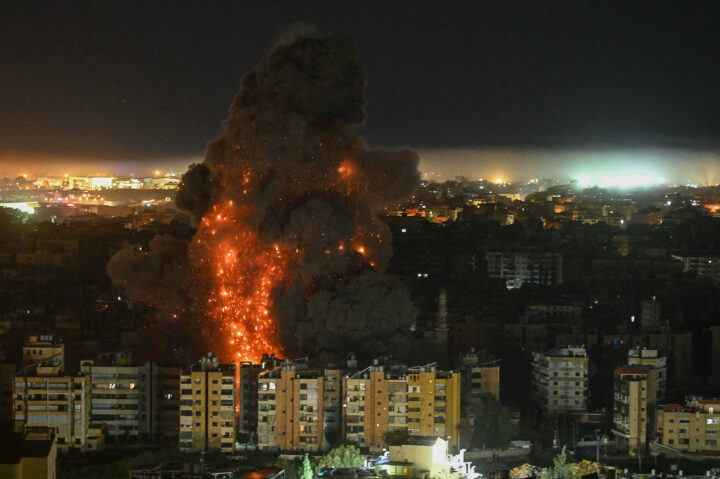
A fireball rises from the site of an Israeli airstrike that targeted an area in Beirut's southern suburbs overnight March 10 to 11, 2026.


 Add JewishInsider on Google
Israel continued extensive strikes on Lebanon on Thursday morning, after Hezbollah shot about 200 projectiles at northern Israel the night before.
About 120 of the rockets and missiles crossed from Lebanon into Israel during the Wednesday night barrage, with those not intercepted mostly striking Israel’s north.
The Magen David Adom emergency service treated two individuals with mild injuries following the missile fire from Lebanon.
A home, with the exception of its safe room, was destroyed, and two others were damaged in Moshav Haniel in Emek Hefer, a region of Israel 70 miles from the Lebanon border.
Soon after, Iran launched missiles at Israel, a move officials said likely indicated that the two Wednesday night barrages were coordinated between Tehran and Beirut.
A senior Israeli official briefed the media on Thursday morning that a significant expansion of operations in Lebanon would soon take place, but did not say whether that would include a broad ground invasion.
Shortly after Wednesday night’s barrage began, the IDF announced “a large-scale wave of strikes on Hezbollah infrastructure in the Dahieh area of Beirut” while “interception efforts [were] ongoing.”
As part of that wave, the IDF struck 10 Hezbollah sites within 30 minutes, including an intelligence base and headquarters of the elite Radwan unit. On Thursday morning, the IDF reported launching 200 munitions from air and sea at 70 Hezbollah targets in Beirut.
“The Hezbollah terrorist organization has embedded its terrorist infrastructure in the heart of Beirut under the cover of the civilian population,” the IDF Spokesperson’s Office said.
IDF Spokesperson in Arabic Avichay Adraee posted evacuation warnings on social media throughout the night and morning. Over half a million residents of Lebanon have evacuated since Hezbollah joined the war on Iran’s side last week.
In addition, troops of the IDF’s Mountain Brigade operated in Lebanon near the border with Israel to locate and destroy rocket launchers and weapons storage facilities.
The IDF reported “a wide-scale wave of strikes in Iran” on Thursday. In addition, according to Israeli and other Middle Eastern media, Israeli drones have been striking checkpoints manned by Iranian paramilitary militia Basij. The checkpoints had been set up on central arteries throughout Iran to try to suppress an uprising and limit movement.
The IDF intercepted Iranian missiles headed for Jerusalem on Thursday.
In addition to the two mild injuries from Lebanese missiles, Magen David Adom treated 45 people who were injured on their way to shelters or suffered from anxiety on Wednesday.
Since the start of Operation Lion’s Roar, MDA reported 759 physical casualties, of which 169 were caused by missile fire, including 12 fatalities.
Iran struck an oil tanker off the coast of the United Arab Emirates on Thursday, the sixth such ship targeted in the Gulf over two days, after attacking two vessels in Iraqi waters overnight, killing one. Iranian drones struck an oil facility in Bahrain, an airport in Kuwait, an Italian military base in Iraqi Kurdistan and a tower in Dubai on Thursday morning. The Saudi Defense Ministry said it intercepted a UAV targeting an oil field.
Also Thursday, Israeli Education Minister Yoav Kisch said that schools in northern Israel and the coastal strip, including Tel Aviv, are not expected to reopen in the coming days, while in other areas, school may reopen gradually, starting Monday.
More Stories
RELATIONSHIP STATUS
How Israel’s parties say they would rebuild support in America

SMITHSONIAN STUDY
Commission studying potential Smithsonian Jewish museum holds first meeting
meeting minutes
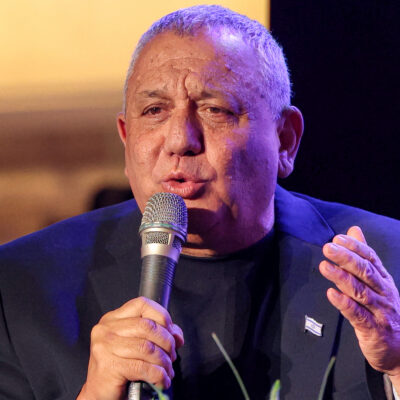
Huckabee met secretly with Netanyahu’s top rival, Gadi Eisenkot
analysis
Could these two small parties be Israel’s kingmakers?
Daily Overtime
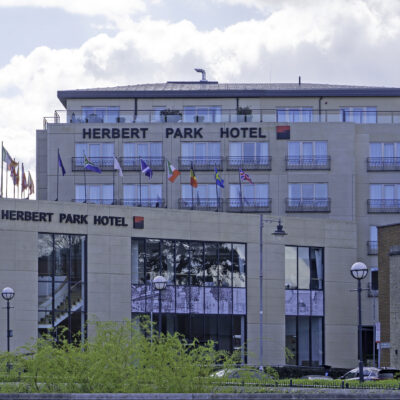
Dublin hotel dumps antisemitism conference
BIBI BOOST
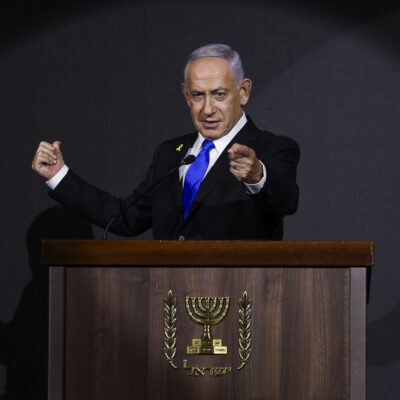
Netanyahu bloc gains on Gadi Eisenkot’s opposition in latest Israeli polls
Please log in if you already have a subscription, or subscribe to access the latest updates.
 Continue with Google
 Continue with Apple