













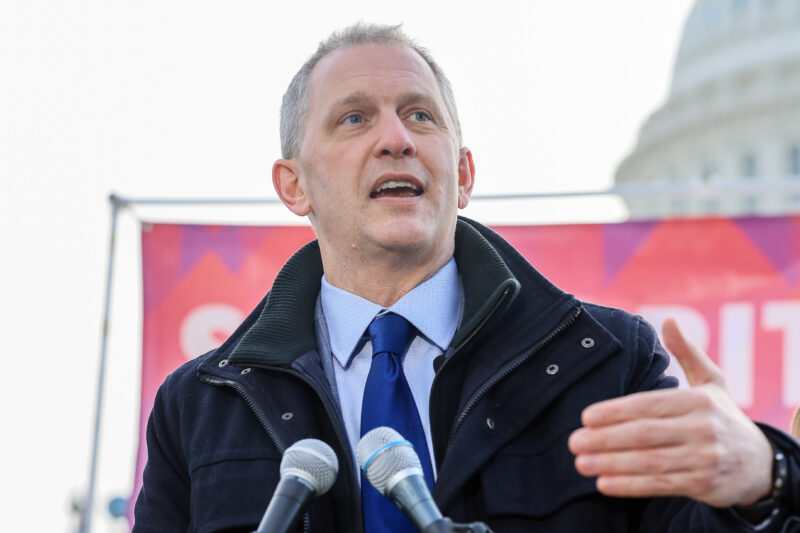





Sen. John Fetterman asked members of the left, ‘Why can’t you just call it [antisemitism] what it is?’
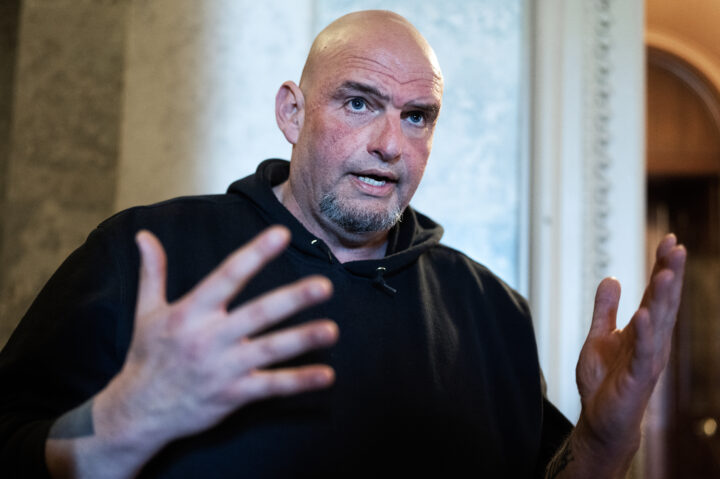
Tom Williams/CQ-Roll Call, Inc via Getty Images
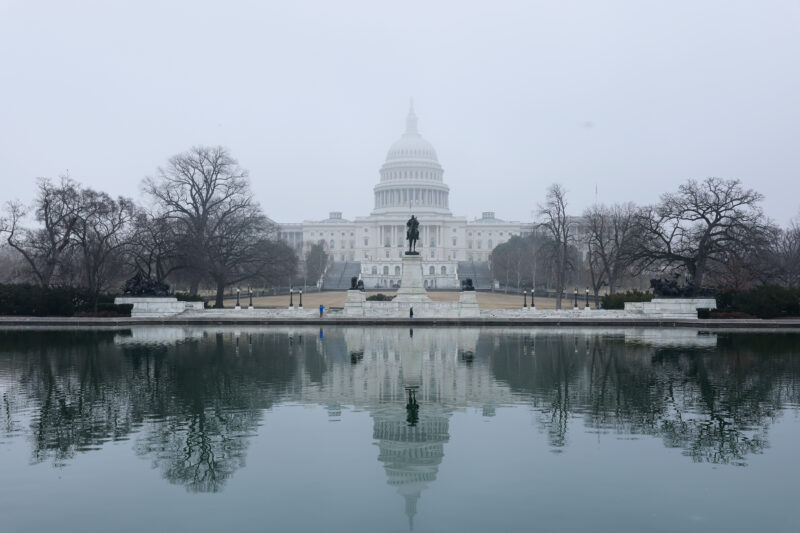
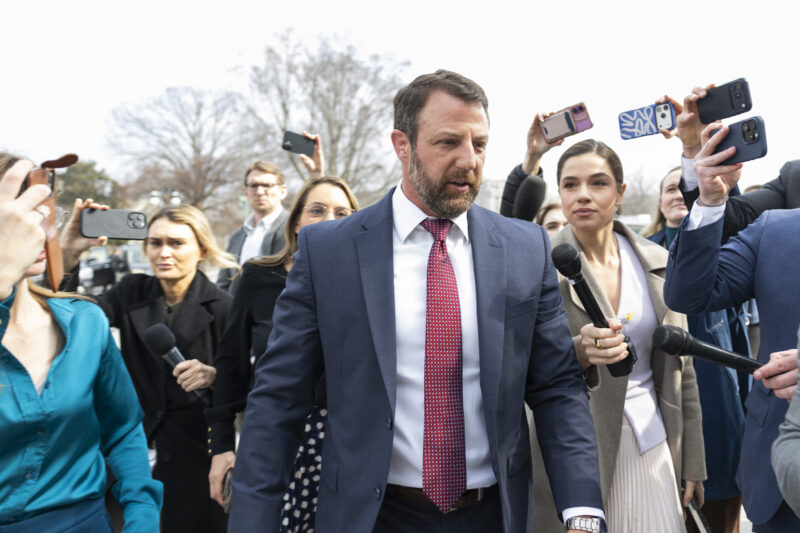
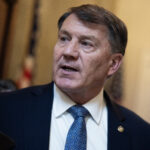
Sen. John Fetterman, (D-PA) talks with reporters after the Senate luncheons in the U.S. Capitol on Tuesday, March 11, 2025.


 Add JewishInsider on Google
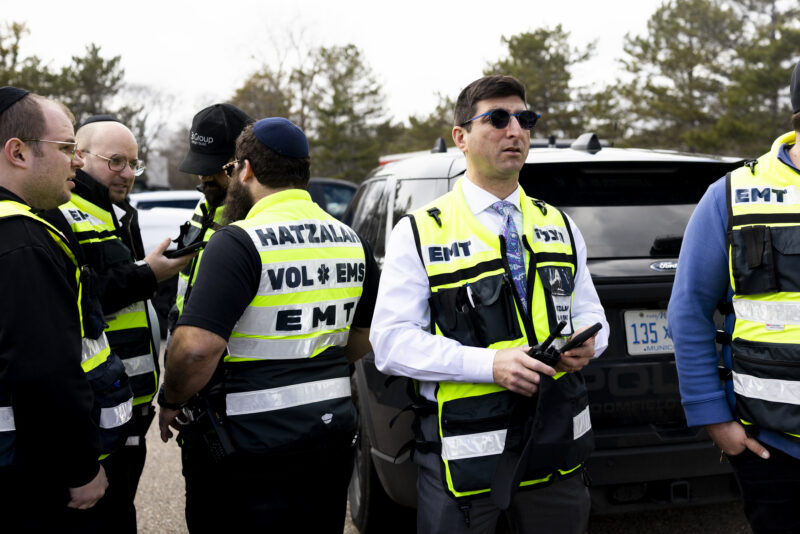
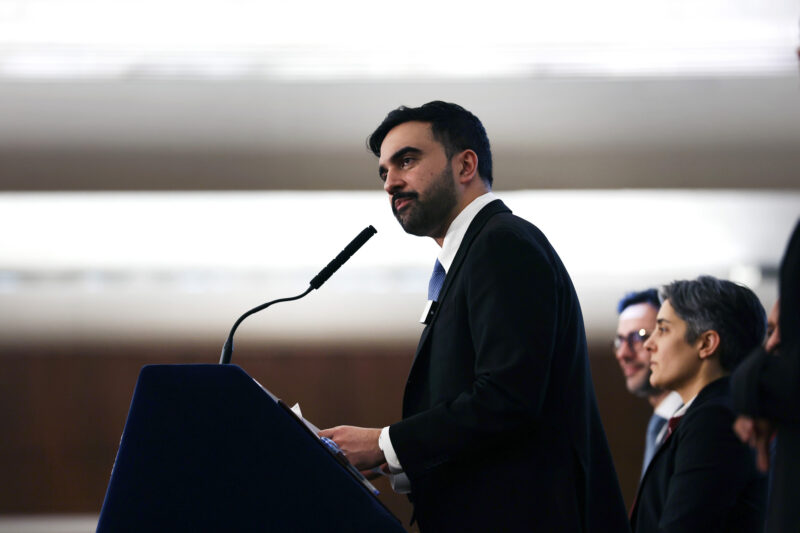
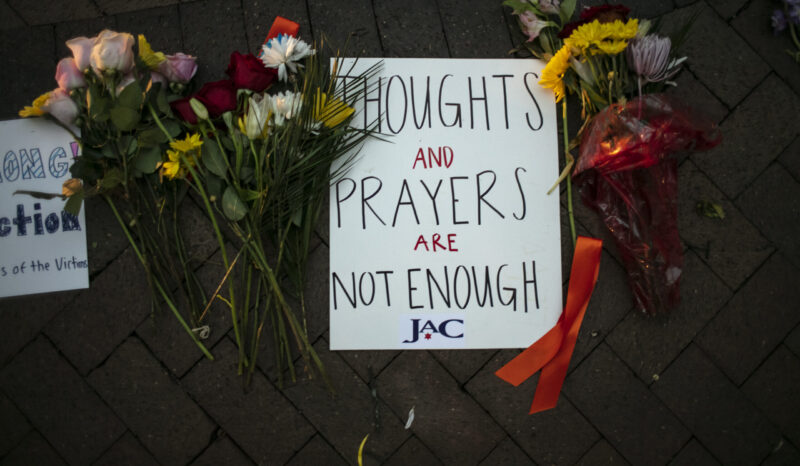
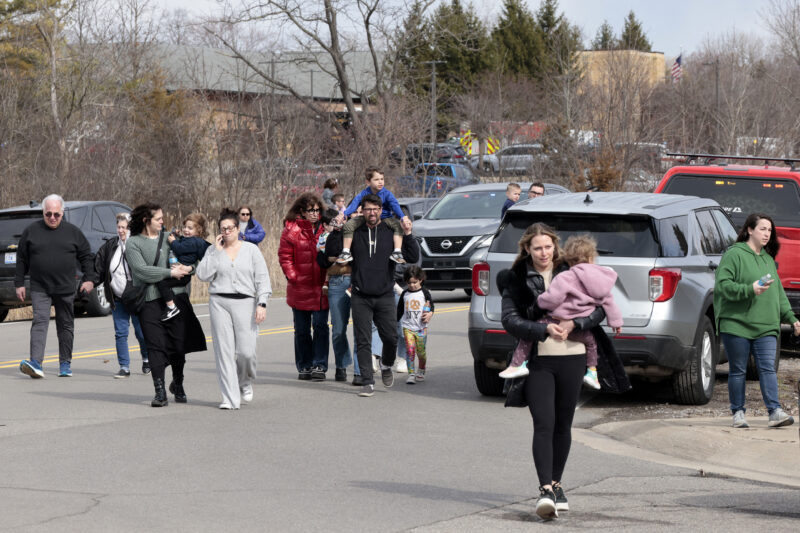
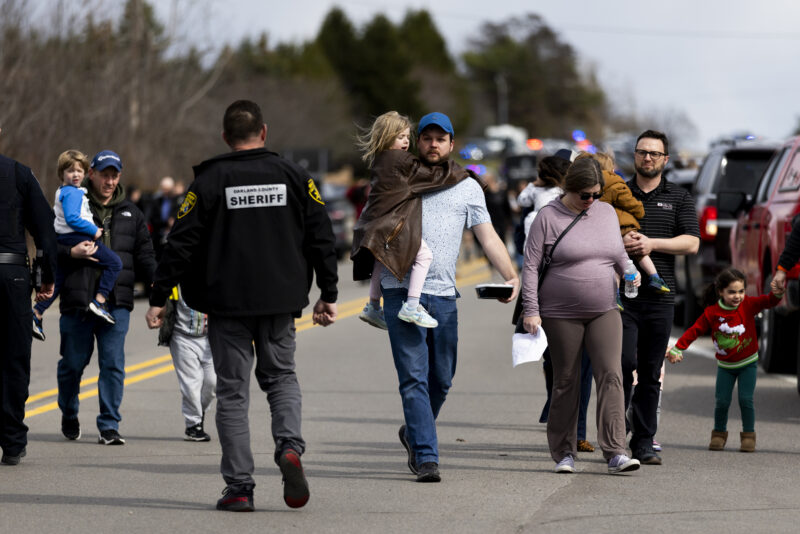
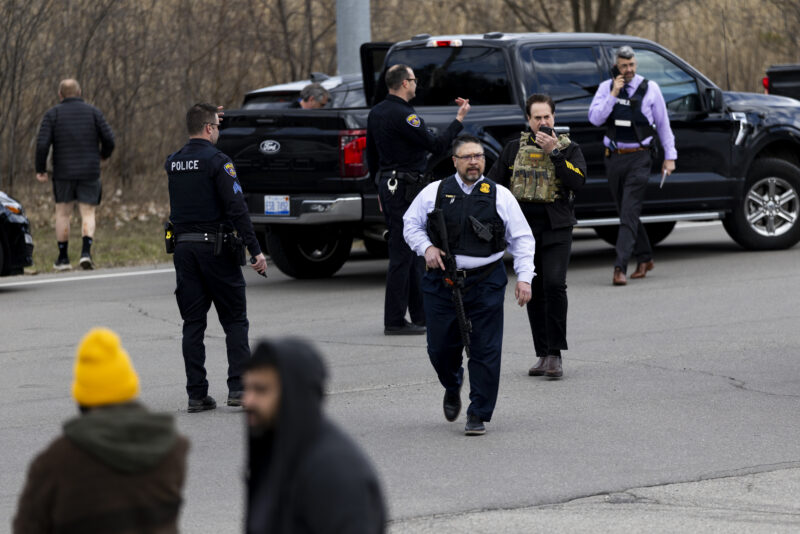
Pro-Israel leaders in the United States on Thursday connected the murder of two Israeli Embassy employees outside the Capital Jewish Museum in Washington to the anti-Israel advocacy seen on the political extremes throughout the country since the Oct. 7, 2023, attacks, characterizing it as a culmination of such rhetoric and, in some cases, the failure of some politicians to denounce it.
The suspected shooter, Elias Rodriguez, shouted “free, free Palestine” and “I did it for Gaza” following the shooting, according to an eyewitness and video from the arrest. He reportedly published a manifesto railing against Israel.
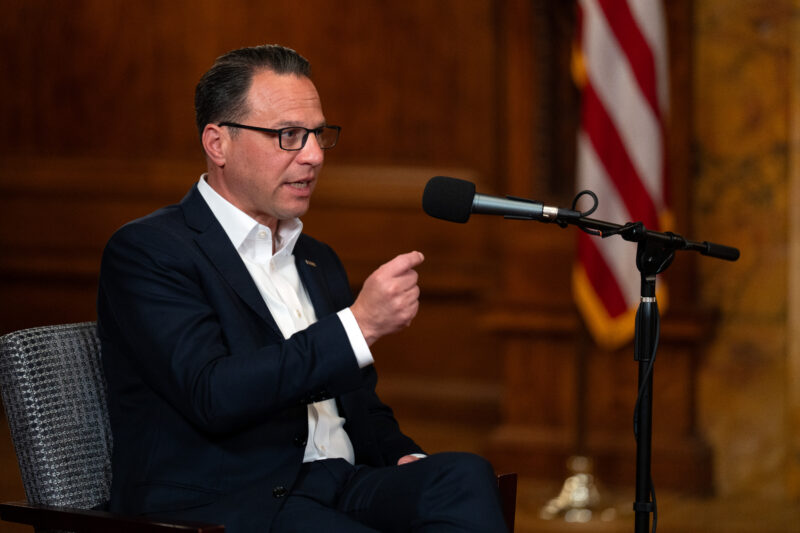
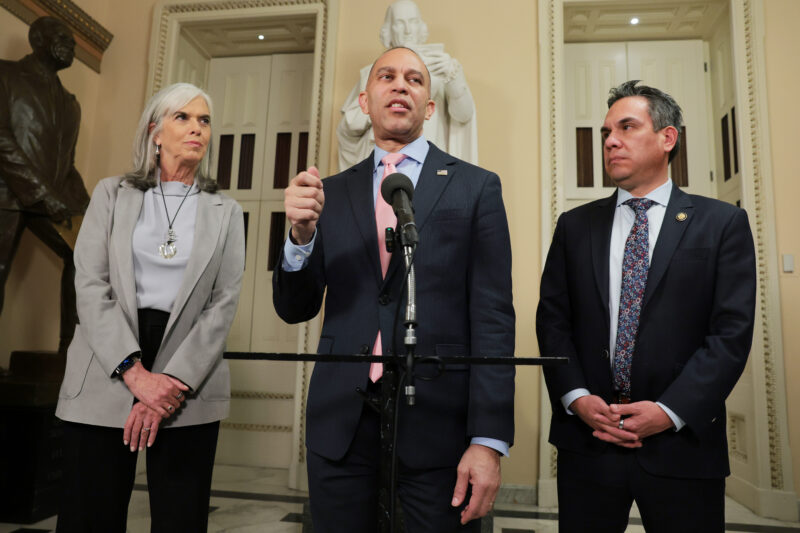
Sen. John Fetterman (D-PA) said that the attack should be a signal to the left that it needs to rethink its rhetoric on Israel and Zionism. He compared the anti-Israel movement in the United States to a “cult” that has been stoked online and is using inherently violent slogans while its members “try to hide behind this idea that it’s free speech to intimidate and terrorize members of the Jewish community.”
He said that too many on the left have failed to call out antisemitism in the anti-Israel movement.
“Why can’t you just call it what it is, and then address and assert the pressure on the aggressor,” which is Hamas,” Fetterman said. “I can’t even imagine having to live with that ever-present antisemitism and what? Why can’t people just acknowledge and call that what it is?”
Fetterman predicted that the same elements of the left that have supported Luigi Mangione, the alleged assassin of UnitedHealthcare CEO Brian Thompson, will also rally behind Rodriguez.
“What part of my party does this come from where it’s like, we try to defend or try to justify assassinating an executive in broad daylight or … somebody [who] guns down” two people at a Jewish event, Fetterman asked incredulously.
Israeli Ambassador Yechiel Leiter connected the shooting to the anti-Israel protests seen on college campuses and elsewhere in the country.
“The point of the matter is that on campuses around this country, where ideas — these are the temples of ideas — where smart ideas, intelligent ideas, moral ideas, truthful ideas, are supposed to be taught, we have useful idiots running around in support of the destruction of Israel,” Leiter said at a press conference.
“This is done in the name of a political agenda to eradicate the State of Israel,” Leiter added. “The State of Israel is now fighting a war on seven fronts. This is the eighth front, a war to demonize, delegitimize, to eradicate the right of the State of Israel to exist.”
He also connected rising global antisemitism to countries like France that have spoken out against Israel and are moving to recognize a Palestinian state.
A coalition of 42 Jewish organizations, in a statement, described the murders as “the direct consequence of rising antisemitic incitement in places such as college campuses, city council meetings, and social media that has normalized hate and emboldened those who wish to do harm.”
William Daroff, the CEO of the Conference of Presidents of Major American Jewish Organizations, said on X, “There is a direct line between demonizing Israel, tolerating antisemitic hate speech in the public square, and violent action.”
“We are now witnessing the deadly consequences of months of relentless antisemitic incitement — amplified by international organizations and political leaders across the globe — since the horrors of October 7,” Daroff said. “This is not a debate over policy; it is the mainstreaming of hatred, and its consequences are measured in blood.”
Rep. Josh Gottheimer (D-NJ) said on X the attack was “the deadly consequence of normalizing Jew-hatred.”
“Since October 7, antisemitic attacks have surged — fueled by violent chants to ‘globalize the intifada’ and slurs like ‘dirty Zionist,’” Gottheimer said.
Rep. Ritchie Torres (D-NY), highlighting a tweet from a local anti-Israel group that praised the attack, said that, “Violence is not a bug but a feature of virulent Anti-Zionism.”
Arizona state Rep. Alma Hernandez called out a series of progressive lawmakers, saying, “spare us the fake outrage.”
“Two Israeli diplomats were murdered in cold blood—and you dare act concerned? Y’all have spent years fueling the hate and antisemitism that’s now exploding across America. Don’t pretend to care,” Hernandez continued, in an X post. “You are constantly surrounded by keffiyehs and “Free Palestine” and have pushed rhetoric that’s radicalized Americans into thinking murdering Jews and harassing them in the streets will somehow “liberate” Palestine and end the so-called genocide. No thanks.”
“We don’t want prayers from politicians who support individuals and organizations that promote this hate and who are being actively supported by said individuals and organizations while they run for office,” Hernandez added.
“You can’t support chants of ‘Globalize the Intifada’ and then be ‘appalled’ when people act it out,” Georgia state Rep. Esther Panitch said on X in response to a statement on the attack from Rep. Ilhan Omar (D-MN) that did not acknowledge that the victims worked for the Israeli embassy and condemned “violence” broadly. Panitch also criticized other progressive Democrats who issued statements on the attack.
Panitch added, “Fascinating that those who campaigned against the Jewish community’s right to define their own experience of antisemitism are the ones who call ‘Globalizing the Intifada’ peaceful protests. The same ones who can’t say the word antisemitism in their posts.”
Jordan Acker, the University of Michigan regent who has been repeatedly targeted with antisemitic harassment and vandalism, drew a direct line between those incidents and demonstrations on the University of Michigan’s campus, and the Wednesday night murders.
“This isn’t protest. It’s a threat. This is what antisemitism looks like — and it’s escalating,” Acker said. “This is part of a terrifying trend: Jews in America being hunted, harassed, and attacked for being visibly Jewish — for existing in public. When we call it antisemitism, we’re told we’re overreacting. That our fear is political. That our pain is inconvenient. We’ve been gaslit for 18 months. Enough.”
He also called out progressives directly, saying “antisemitism isn’t any less dangerous when it comes wrapped in ‘progressive’ language.”
In response to the attack, some of the most prominent far-left critics of Israel on Capitol Hill have offered what many in the Jewish community have seen as half-hearted and inadequate responses.
“My heart breaks for the loved ones of the victims of last night’s attack in D.C. Nobody deserves such terrible violence. Everyone in our communities deserves to live in safety and in peace,” Rep. Rashida Tlaib (D-MI) said, linking to an article highlighting that the victims, Sarah Milgrim and Yaron Lischinsky, were Israeli Embassy workers, but not noting their backgrounds or the circumstances of the shooting in her own post.
Omar noted that the shooting took place at the Capital Jewish Museum but did not acknowledge the victims’ backgrounds and condemned violence broadly.
“I am appalled by the deadly shooting at the Capital Jewish Museum last night. Holding the victims, their families, and loved ones in my thoughts and prayers,” Omar said. “Violence should have no place in our country.”
The shift has been attributed to a mix of factors: stricter consequences from university leaders, fear of running afoul of Trump’s pledge to deport pro-Hamas foreign students and the issue generally losing steam among easily distracted students
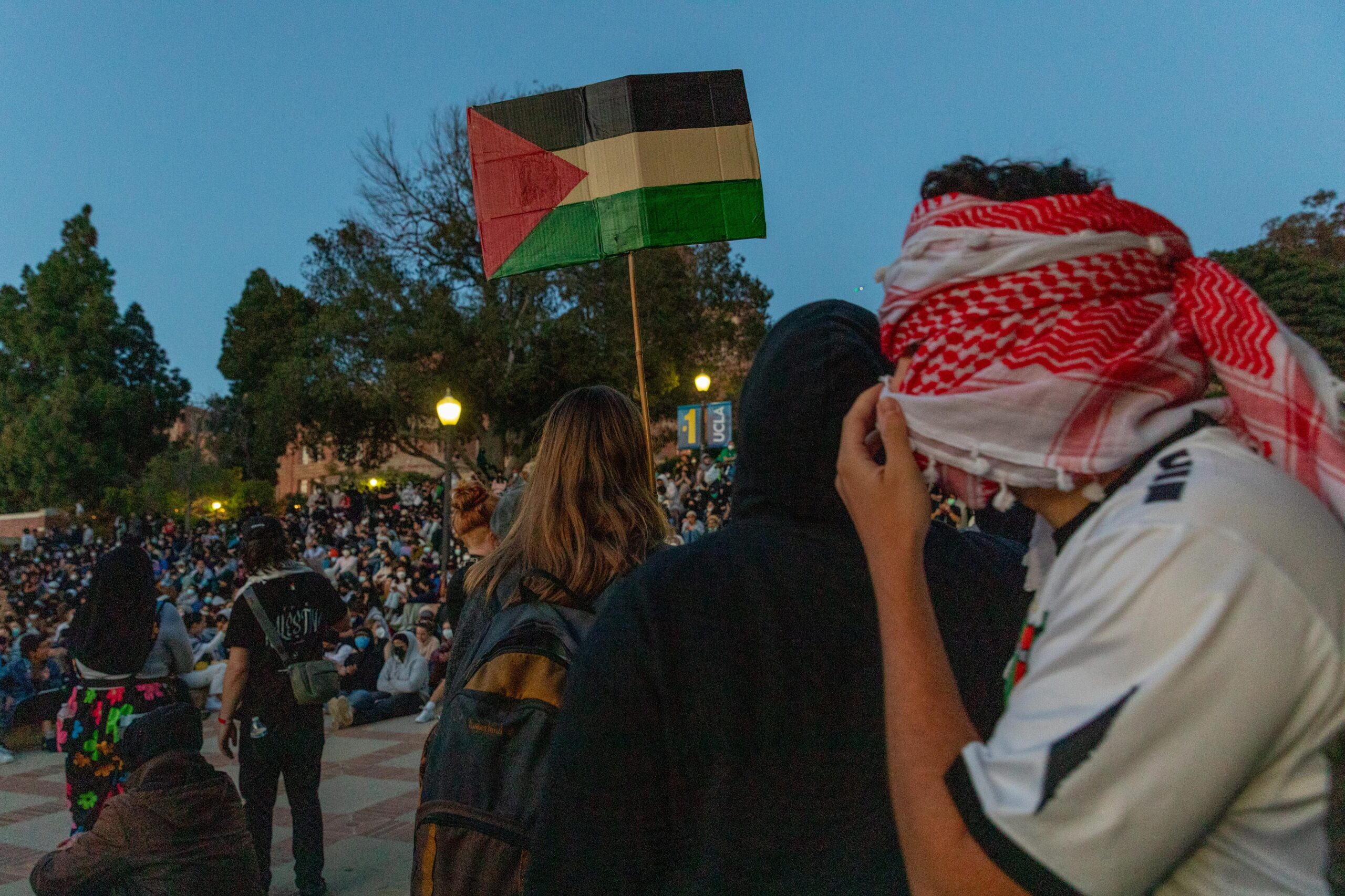
Grace Yoon/Anadolu via Getty Images
Pro-Palestinian students at UCLA campus set up encampment in support of Gaza and protest the Israeli attacks in Los Angeles, California, United States on May 01, 2024.
For a brief moment, it looked like 2024 all over again: Tents were erected at Yale University’s central plaza on Tuesday night, with anti-Israel activists hoping to loudly protest the visit of far-right Israeli National Security Minister Itamar Ben-Gvir to campus. Videos of students in keffiyehs, shouting protest slogans, started to spread online on Tuesday night.
But then something unexpected happened. University administrators showed up, threatening disciplinary action, and the protesters were told to leave — or face consequences. So they left. The new encampment didn’t last a couple hours, let alone overnight. The next day, Yale announced that it had revoked its recognition of Yalies4Palestine, the student group that organized the protest. (On Wednesday night, a large protest occurred outside the off-campus building where Ben-Gvir was speaking.)
Meanwhile, at Cornell University, President Michael Kotlikoff announced on Wednesday that he had canceled an upcoming campus performance by R&B singer Kehlani because of her history of anti-Israel social media posts. He wrote in an email to Cornell affiliates that he had heard from many people who were “angry, hurt and confused” that the school’s annual spring music festival “would feature a performer who has espoused antisemitic, anti-Israel sentiments in performances, videos and on social media.”
The quick decisions from administrators at Yale and Cornell to shut down anti-Israel activity reflect something of a vibe shift on American campuses. One year ago, anti-Israel encampments were, for a few weeks, de rigueur on campus quads across the nation. University leaders seemed paralyzed, unsure of how to handle protests that in many cases explicitly excluded Jewish or Zionist students and at times became violent. That’s a markedly different environment from what’s happening at those same schools so far this spring.
“In general, protest activity is way down this year as compared to last year,” Hillel International CEO Adam Lehman told Jewish Insider.
There is no single reason that protests have subsided. Jewish students, campus Jewish leaders and professionals at Jewish advocacy organizations attribute the change to a mix of factors: stricter consequences from university leaders, fear of running afoul of President Donald Trump’s pledge to deport pro-Hamas foreign students and the issue generally losing steam and cachet among easily distracted students.
Last spring, an encampment at The George Washington University was only dismantled after the university faced threats from Congress. Now, no such protest is taking place — which Daniel Schwartz, a Jewish history professor, said was likely due in part to the “sense that the university was going to be responding much more fiercely to anything resembling what happened last year.”
“For the most part, the enforcement of rules, the understanding of what the rules are, what you can do, what you can’t do, requiring people to get permits for protests, has really calmed things down [from] the sort of violence that we saw last year,” said Jordan Acker, a member of the Board of Regents of the University of Michigan, who has faced antisemitic vandalism and targeted, personal protests from Michigan students.
Michael Simon, the executive director at Northwestern Hillel, came into the school year with a “big question mark” of how the school’s new policies, which provide strict guidance for student protests and the type of behavior allowed at them, would be applied. “I’m going to say it with a real hedging: at least up until now, I would say we’ve seen the lower end of what I would have expected,” he said of campus anti-Israel protests.
Many major universities like Northwestern spent last summer honing their campus codes of conduct and their regulations for student protests, making clear at the start of the school year that similar actions would not be tolerated again. In February, for instance, Barnard College expelled two students who loudly disrupted an Israeli history class at Columbia,.
“For the most part, the enforcement of rules, the understanding of what the rules are, what you can do, what you can’t do, requiring people to get permits for protests, has really calmed things down [from] the sort of violence that we saw last year,” said Jordan Acker, a member of the Board of Regents of the University of Michigan, who has faced antisemitic vandalism and targeted, personal protests from Michigan students.
In recent weeks, the Trump administration has pressured top universities to crack down on antisemitic activity. The president’s threats to revoke federal funding if universities don’t get antisemitism under control has drawn pushback — Harvard is suing the Trump administration over its decision to withhold $2.2 billion in federal funds from the school — but it has also led universities to take action to address the problem.
Sharon Nazarian, an adjunct professor at UCLA and the vice chair of the Anti-Defamation League’s board of directors, said there is “no question” that “the national atmosphere of fear among university administrators for castigation and targeting by the [Trump] administration is also present” at UCLA and other University of California campuses.
“My sense is that being anti-Israel is not as much of the popular thing anymore,” Evan Cohen, a senior at the University of Michigan, said at a Wednesday webinar hosted by Hillel International for Jewish high school seniors. “On my campus, there are other hot topic issues. There might be more focus on what’s happening with U.S. domestic politics.”
Rule-breaking student activists also face a heightened risk of law enforcement action. A dozen anti-Israel student protesters were charged with felonies this month for vandalizing the Stanford University president’s office last June. On Wednesday, local, state and federal law enforcement officials in Michigan raided the homes of three people connected to anti-Israel protests at the University of Michigan. Protesters’ extreme tactics have scared off some would-be allies.
“I think some of the most activist students went too far at the end of last year with the takeover of the president’s office and a lot of pretty intense graffiti in important places on campus,” said Rabbi Jessica Kirschner, the executive director of Hillel at Stanford. “I think a lot of other students looked at that and said, ‘Oh, this is perhaps not where we want to be.’”
Students’ priorities shift each year, and other issues beyond Israel are also vying for their attention. Trump’s policies targeting foreign students are drawing ire from students at liberal universities, many of which have large populations of international students.
“My sense is that being anti-Israel is not as much of the popular thing anymore,” Evan Cohen, a senior at the University of Michigan, said at a Wednesday webinar hosted by Hillel International for Jewish high school seniors. “On my campus, there are other hot topic issues. There might be more focus on what’s happening with U.S. domestic politics.”
But the lack of protests does not mean that campus life has returned to normal for Jewish students, many of whom still fear — and face — opprobrium for their pro-Israel views.
“It’s easy to avoid the protests but if you are an Israeli student or a Jewish student perceived to be a Zionist, you should expect to be discriminated against in social spaces at the university,” Rabbi Jason Rubenstein, executive director of Harvard Hillel, told JI. “That is the most powerful way students are impacted by all of this.”
Ken Marcus, founder and chairman of the Louis D. Brandeis Center for Human Rights Under Law, which since Oct. 7 has represented dozens of Jewish students in Title VI civil rights cases against their universities, said that campus-related lawsuits are only faintly slowing down this semester.
“A lot of the staff and the administration think that, ‘OK, since there’s no protest outside, all the Jewish students must feel OK, and let’s put all this stuff that happened in the spring behind us.’ It’s really not the case,” said Or Yahalom, a senior at Northwestern University who was born in Israel. “That doesn’t mean that it’s all better for students. Jewish students are increasingly afraid to speak openly about their identity or connection to Israel, except in private, safe Jewish spaces.”
“Some campuses have been less intense than during last year’s historically awful period, but others have been bad enough,” Marcus told JI. “I believe that the federal crackdown, coupled with the impact of lawsuits and Title VI cases, has had a favorable impact at many campuses, but the problems have hardly gone away.”
Or Yahalom, a senior at Northwestern University who was born in Israel, recently attended a dinner with Northwestern President Michael Schill, who has faced criticism from Jewish Northwestern affiliates — including several members of its antisemitism advisory committee — for what they saw as the administration’s failure to adequately address antisemitism.
“A lot of the staff and the administration think that, ‘OK, since there’s no protest outside, all the Jewish students must feel OK, and let’s put all this stuff that happened in the spring behind us.’ It’s really not the case,” said Yahalom. “That doesn’t mean that it’s all better for students. Jewish students are increasingly afraid to speak openly about their identity or connection to Israel, except in private, safe Jewish spaces.”
Even without massive encampments, disruptive anti-Israel protests and campus actions have not gone away entirely, though they have been more infrequent this academic year. A Northwestern academic building housing the school’s Holocaust center was vandalized with “DEATH TO ISRAEL” graffiti last week. The office of Joseph Pelzman, an economist at The George Washington University who authored a plan calling for the U.S. to relocate Palestinians in the Gaza Strip and redevelop the enclave, was vandalized in February. The Georgetown University Student Government Association is slated to hold a campus-wide referendum on university divestment from companies and academic institutions with ties to Israel at the end of the month. Smaller-scale protests continue at Columbia, with students chaining themselves to the Manhattan university’s main gate this week to protest the ICE detention of Mohsen Mahdawi and Mahmoud Khalil, two foreign students who had led protests last year.
Leaders of the University of Michigan’s anti-Israel coalition held a sham trial for the university president and Board of Regents members in the middle of the Diag, the main campus quad, this week. The event took place without issue, and the activists left when it ended.
“I wouldn’t want to say that it’s perfect,” said Acker, the Board of Regents member. “But it’s certainly much better than a year ago.”
The school year isn’t over. Some students at Columbia are planning to erect another encampment this month, NBC News reported on Wednesday.
But they’ll be doing so at an institution with new leadership, weeks after Columbia reached an agreement with the Trump administration, where the Ivy League university pledged to take stronger action against antisemitism to avoid a massive funding cut. The pressure on Columbia to crack down on any encampment will be massive.
Please log in if you already have a subscription, or subscribe to access the latest updates.
 Continue with Google
 Continue with Apple