





















Some Venezuelan Jews see similarities in the response of far-left activists to Trump’s capture of Maduro and their criticism of Israel’s actions in Gaza

Michele Eve Sandberg/Sipa USA)(Sipa via AP Images
Mural artist from Venezuela, Pedro Martin, pictured. A mural depicting Venezuelan President Nicolas Maduro portrayed as captured is seen in the Wynwood Arts District in Miami, Florida.


 Add JewishInsider on Google
When Valerie Stramwasser woke up on Saturday, Jan. 3, she glanced at her phone and saw hundreds of WhatsApp messages.
“I’m like, ‘Oh my god, something happened.’ I first thought that it was something in the family, and then I opened up and I hear, ‘We’re free.’ We’re free. It happened,” Stramwasser told Jewish Insider on Thursday. “Literally tears of joy.”
Stramwasser, 37, lives in Hollywood, Fla., with her husband and two children, but she grew up in Caracas, Venezuela. She was forced to flee the country as a teenager after a failed kidnapping attempt against her. She hasn’t been back in years, not even for the funerals of her grandparents.
The tears of joy began when she saw the news that the U.S. military had captured Venezuelan President Nicolás Maduro and his wife, and flown them to New York to stand trial on narco-terrorism charges. Stramwasser and her husband, who is also Venezuelan, couldn’t wait to tell their 8- and 11-year-old children the news.
“As a mom, you tell the stories to your kids, and they know how much I miss my country. But I’ve never been able to go back,” Stramwasser recounted. Then they drove to her brother’s house to celebrate and watch President Donald Trump discuss the operation. “This is one of the most important things that, as a Venezuelan, you can hear in the past 30 years.”
“Growing up there, it was a community of about 28,000 Jews that were living there. It was a vibrant community, a very successful and respected community,” said Paul Kruss, a city commissioner in Aventura, Fla., who also owns a popular local bagel shop. “Now there’s maybe 4,500 that live there, which should tell you all you need to know about the kind of brain drain that they had. It wasn’t only the Jewish community that fled.”
An economic crisis that began under the country’s socialist president, Hugo Chávez, who was elected in 1999, grew exponentially worse when Maduro came to power in 2013 after Chávez’s death. The resulting poverty, starvation and crime have led to a massive refugee crisis of roughly 8 million people who have left the South American country. Amid the global diaspora of Venezuelans, many are cheering the removal of Maduro, whom they view as responsible for deteriorating standards of living, repression and political dysfunction plaguing the country.
Stramwasser is one of hundreds of thousands of those Venezuelans who now call Florida home, including several thousand Venezuelan Jews who have developed outposts of their once-strong Caracas community centers in Miami.
“Growing up there, it was a community of about 28,000 Jews that were living there. It was a vibrant community, a very successful and respected community,” said Paul Kruss, a city commissioner in Aventura, Fla., who also owns a popular local bagel shop. His mother, who was from Warsaw, Poland, moved to Caracas after surviving the Holocaust. “Now there’s maybe 4,500 that live there, which should tell you all you need to know about the kind of brain drain that they had. It wasn’t only the Jewish community that fled.”
The surprise operation has largely garnered support from Republicans, while Democrats are more skeptical, including many who are outspoken critics of Maduro, igniting a debate in Congress about presidential war powers. Senate Minority Leader Chuck Schumer (D-NY) said Trump should not have acted without congressional approval.
“Maduro is a horrible, horrible person, but you don’t treat lawlessness with other lawlessness, and that’s what’s happened here,” Schumer said over the weekend.
In Florida, even among Democrats, the reaction was more celebratory.
“The capture of the brutal, illegitimate ruler of Venezuela, Nicolás Maduro, who oppressed Venezuela’s people is welcome news for my friends and neighbors who fled his violent, lawless, and disastrous rule,” Rep. Debbie Wasserman Schultz (D-FL) said in a statement. “However, cutting off the head of a snake is fruitless if it just regrows. Venezuelans deserve the promise of democracy and the rule of law, not a state of endless violence and spiraling disorder.”
The question of what comes next for Venezuela remains unanswered. The country’s interim president is Delcy Rodríguez, the vice president and oil minister, who was close to Maduro.
“The good thing about what just happened is that sometimes bad people in the world need a message to be sent. If they know that they can do bad things, and no one will come for them, well, they will just keep doing bad things,” said Brian Fincheltub. “ We want to go back, so we are very happy with this.”
Secretary of State Marco Rubio laid out a three-step process for Washington’s plans in Venezuela: stabilizing the country, followed by allowing American companies access to the Venezuelan market and, finally, a transition of power. But the U.S. has not laid out plans for a new political regime in Venezuela.
The Venezuelans cheering on the ouster of Maduro are content to wait a bit longer.
“She’s been part of the problem, no question,” Kruss said of Rodríguez. “I’m hopeful that the United States will be guiding them and letting the Venezuelan people decide who they want to be their leader, and I think this is just a transition period.”
Brian Fincheltub grew up in the Caracas Jewish community, which he called “one of the best in the world.” He was a social activist working in the slums of Caracas, but due to his ties to the opposition party, he fled the country in 2018 to avoid being jailed. Venezuela’s National Assembly named opposition leader Juan Guaidó acting president of Venezuela in 2019, setting up a showdown with Maduro, who never ceded power. Fincheltub moved to Washington to serve as Venezuela’s consul general under Guaidó’s opposition rule. Now Fincheltub works at the World Bank.
Fincheltub supports Trump’s actions, which he said is not about politics — that he would have supported the move had President Joe Biden done the same thing.
“The good thing about what just happened is that sometimes bad people in the world need a message to be sent. If they know that they can do bad things, and no one will come for them, well, they will just keep doing bad things,” said Fincheltub, 38. “ We want to go back, so we are very happy with this.”
Some Venezuelan Jews see similarities in the response of far-left activists to Trump’s capture of Maduro and their criticism of Israel’s actions in Gaza.
“People who are not Venezuelan, who did not grow up under Chávez or Maduro, who did not lose their country, their safety, their future, feel entitled to explain Venezuela to us,” said Valerie Stramwasser, who has said Florida will remain her home even if Venezuela elects a new government. “The same goes for people who are not Jewish, who have never lived the history, the wars, the constant existential threat, feel entitled to explain the Israel-Palestine conflict to us.”
“The same ones that were attacking Israel and the Jewish people are the same ones, or many of them, that are attacking President Trump, or that are attacking what happened in Venezuela,” Fincheltub said. “This is not about President Trump or President Biden. This is about the liberation of Venezuela.”
Stramwasser posted a video making a similar point on Instagram, where her posts usually get a couple thousand views. This one has been viewed more than 500,000 times.
“People who are not Venezuelan, who did not grow up under Chávez or Maduro, who did not lose their country, their safety, their future, feel entitled to explain Venezuela to us,” said Stramwasser, who has said Florida will remain her home even if Venezuela elects a new government. “The same goes for people who are not Jewish, who have never lived the history, the wars, the constant existential threat, feel entitled to explain the Israel-Palestine conflict to us.”
History, she added, will be on her side.
“History is very clear about this,” Stramwasser said in the video. “Those who confuse aggressors with victims don’t end up on the right side of history.”
Plus, Maduro's successor holds the party line
Amos Ben-Gershom/GPO
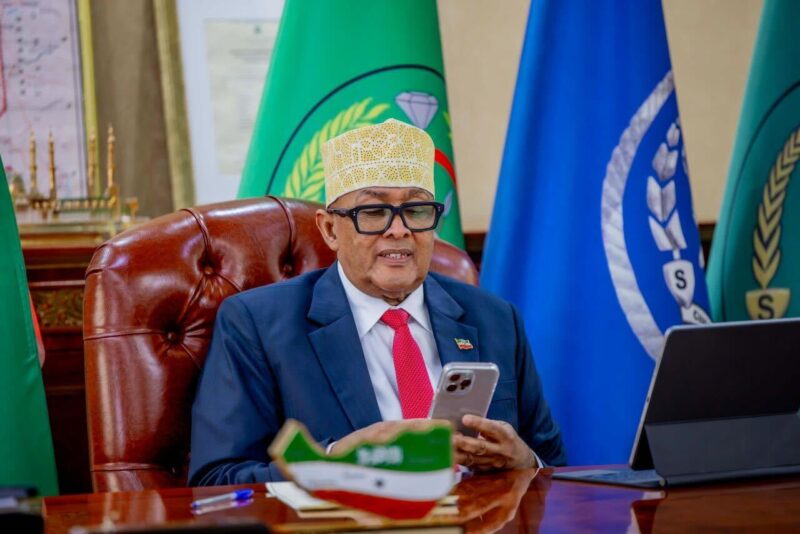
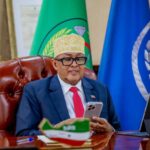
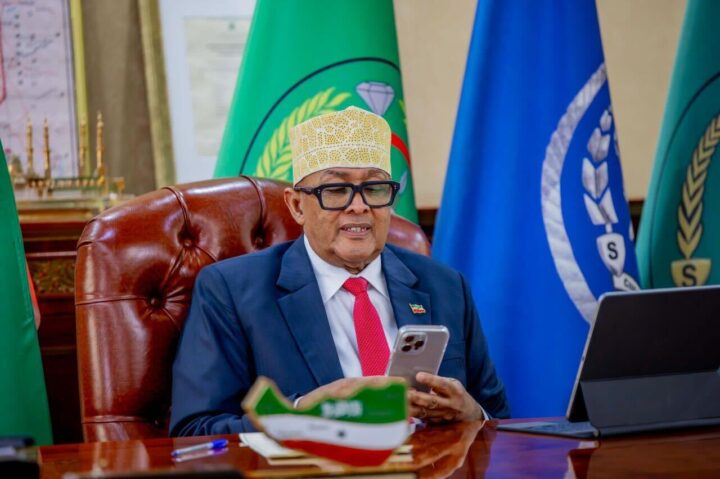
Somaliland President Abdirahman Mohamed Abdullah speaks to Israel Prime Minister Benjamin Netanyahu, Dec. 26, 2025
👋 Good Wednesday morning!
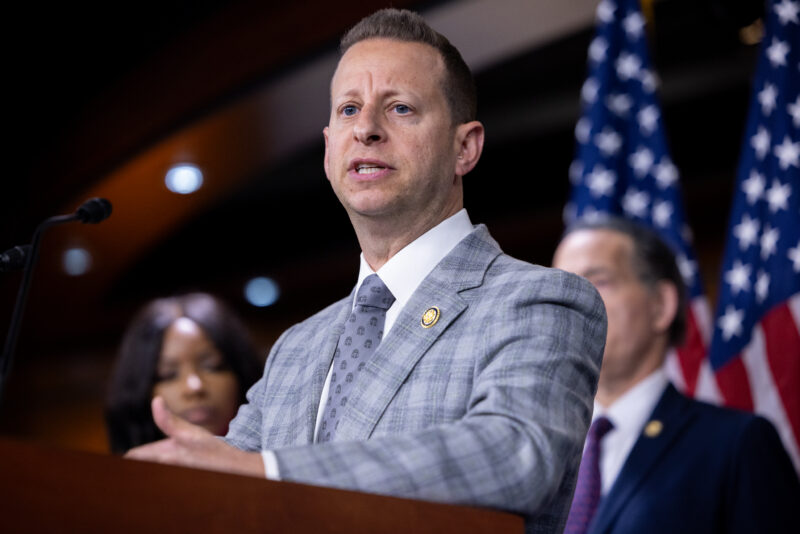
In today’s Daily Kickoff, we do a deep dive into Israel’s strategic interests in and diplomatic overtures to Somaliland following Israeli Foreign Minister Gideon Sa’ar‘s trip the country, and look at early signals from interim Venezuelan President Delcy Rodríguez that she will maintain Caracas’ critical approach to Israel and relations with American adversaries. We talk to Rep. Josh Gottheimer about his recent trip to the Middle East and challenges in building Gaza’s International Stabilization Force, and report on an article in the Spanish daily El Pais that disparaged the Jewish background of the judge overseeing Venezuelan leader Nicolás Maduro’s case. Also in today’s Daily Kickoff: Rep. Dan Goldman, George Conway and Joyce Karam.
Today’s Daily Kickoff was curated by Jewish Insider Executive Editor Melissa Weiss and Israel Editor Tamara Zieve, with an assist from Danielle Cohen-Kanik. Have a tip? Email us here.
What We’re Watching
- Secretary of State Marco Rubio is holding House and Senate briefings this morning before meeting this afternoon with Saudi Foreign Minister Prince Faisal bin Farhan Al-Saud.
- The New York City Council will elect its next speaker today. Councilmember Julie Menin, the daughter of a Holocaust survivor, announced last month she’d garnered support from a supermajority of councilmembers. Read our report on Menin — and the counterweight she is expected to be to Mayor Zohran Mamdani’s agenda — here.
- Mamdani’s first major test with the Jewish community could come as soon as this evening, when PAL-Awda, the group behind the November protest outside a synagogue that was hosting a Nefesh B’Nefesh event about immigrating to Israel, is slated to protest another event hosted by NBN tonight in Manhattan.
- Elsewhere in Manhattan, the annual Colel Chabad International Awards Gala is taking place tonight. Russian-Israeli entrepreneur Yitzchak Mirilashvili, Heather and Joe Sarachek, Sara and Harry Krakowski and Lauren and Martin Tabaksblat are set to be honored at the event. Also slated to be honored is Ahmed al-Ahmed, the Syrian immigrant to Australia who helped disarm one of the Bondi Beach terrorists during last month’s terror attack in Sydney.
- The Atlantic Council’s Freedom and Prosperity Center is holding a panel discussion this morning at its Washington headquarters on the future of humanitarian assistance. Speakers include IsraAID CEO Yotam Polizer, Zipline Africa’s Caitlin Burton, DAI’s Tine Knott and UNICEF USA’s Patrick Quirk
What You Should Know
A QUICK WORD WITH JI’S Tamara ziEVE AND MATTHEW SHEA
At the conclusion of the 12-day war in June of last year, both Israel and Iran suspected that the ceasefire brokered by the U.S. would be a pause, not a final cessation of hostilities. That truce has lasted for more than six months, with both sides wary of entering another military conflict — one likely to be more deadly and destructive than the first.
But now, amid destabilizing world events from Venezuela to the Middle East — compounded by growing domestic pressure on the Islamic Republic amid nationwide protests — that ceasefire is even more tenuous, with officials in Tehran and Jerusalem closely watching the other’s every move, careful not to make a potentially disastrous miscalculation — even as both sides make overtures at de-escalation.
Speaking at the Knesset on Monday, Israeli Prime Minister Benjamin Netanyahu said, “President [Donald] Trump and I have expressed a firm stance — we won’t allow Iran to rebuild its ballistic missile industry or to renew the nuclear program, which we damaged severely in Operation Rising Lion.”
In response, Iran’s newly formed Defense Council warned on Tuesday that the country could act preemptively if it detects clear signs of a threat. “The long-standing enemies of this land … are pursuing a targeted approach by repeating and intensifying threatening language and interventionist statements in clear conflict with the accepted principles of international law, which is aimed at dismembering our beloved Iran and harming the country’s identity,” the council said.
Recent reports suggest that Israel, in an attempt to de-escalate tensions, has used Moscow as an intermediary, communicating through Russian President Vladimir Putin that it has no intention of launching a preemptive strike on Iranian soil. Iranian leaders, including Supreme Leader Ayatollah Ali Khamenei, are unconvinced.
In a post on X, Khamenei accused Israel of deception: “What makes the enemy first request a ceasefire during [12-day] war with the Iranian nation, then send messages saying he doesn’t want to fight us?”
“Now if he doesn’t believe the messaging and thinks that Israel is about to attack then you can understand why Israel is worried Iran is about to miscalculate and attack. Very tense days/weeks ahead of us,” Nadav Pollak, a lecturer on the Middle East at Reichman University, commented on Khamenei’s post.
REASONING AND RAMIFICATIONS

When Israel announced the day after Christmas that it would formally recognize Somaliland, making it the first country in the world to announce formal diplomatic relations with the secessionist region in the Horn of Africa, even some of Washington’s foremost foreign policy experts were sheepishly asking the same question: What, exactly, is Somaliland? There was no single event that led to Israel’s choice to recognize the sovereignty of Somaliland, which announced its independence from Somalia in 1991. The territory has functioned independently for 35 years; nothing in its governance changed last year. What changed was Israel — and its geopolitical calculus regarding regional security threats, Jewish Insider’s Gabby Deutch reports.
Security strategy: “The Houthis didn’t used to fire missiles at Israel. That’s new, and Israel’s now trying to respond to a new situation,” said David Makovsky, the Ziegler Distinguished Fellow at The Washington Institute for Near East Policy. “I have no doubt that this was driven by how to try to neutralize a threat from the Houthis that Israel takes very seriously.” Somaliland sits just across the Gulf of Aden from Yemen, from which the Iran-backed Houthis have fired drones and ballistic missiles at Israel following the Oct. 7 Hamas attacks in 2023.
Sa’ar in Somaliland: Israeli Foreign Minister Gideon Sa’ar made a historic diplomatic visit to Somaliland on Tuesday, marking the first official trip by an Israeli Cabinet minister to the territory and the latest move to strengthen bilateral ties following Israel’s recognition of Somaliland’s independence last month, JI’s Matthew Shea reports.
SAME AS THE OLD BOSS
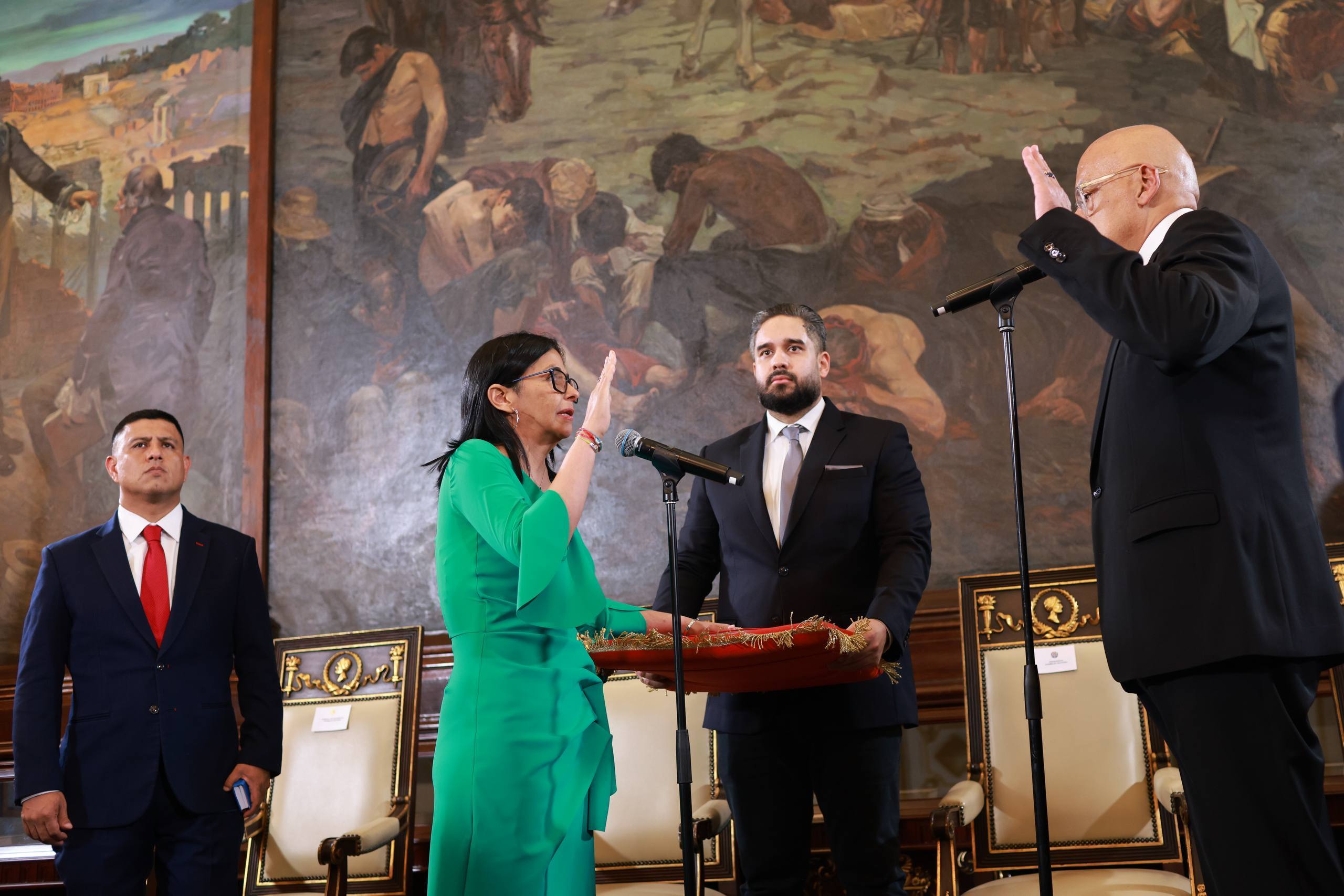
In the aftermath of U.S. strikes in Venezuela and the capture of leader Nicolás Maduro, uncertainty remains over whether the South American country’s ties to key U.S. adversaries and hostile posture toward Israel will change under interim President Delcy Rodríguez. Despite Maduro’s capture and vows from Venezuelan opposition leader María Corina Machado to return to the country and reject the authority of the interim president, the U.S. appears to be backing Rodríguez, who is closely aligned with Maduro and has shown a similar posture when it comes to Israel and U.S. adversaries, Jewish Insider’s Matthew Shea reports.
Similar direction: Brad Bowman, a senior director at the Foundation for Defense of Democracies, told JI that the Trump administration’s apparent backing of Rodríguez is a “mistake” and that he doesn’t see “any reason to believe” she would depart from Maduro’s approach to U.S. adversaries. “I have concern that we still have most of the problematic elements of the regime in Venezuela remaining in place,” said Bowman. “[Rodríguez] has been part of a regime that has been hostile to the United States and cozy with the Islamic Republic of Iran and its terror proxies. If one were a betting person, you would say at a minimum that [Rodríguez] is going to continue to harbor those problematic views toward China, Russia and Iran, if not manifest them in policy.”
REGIONAL RELUCTANCE
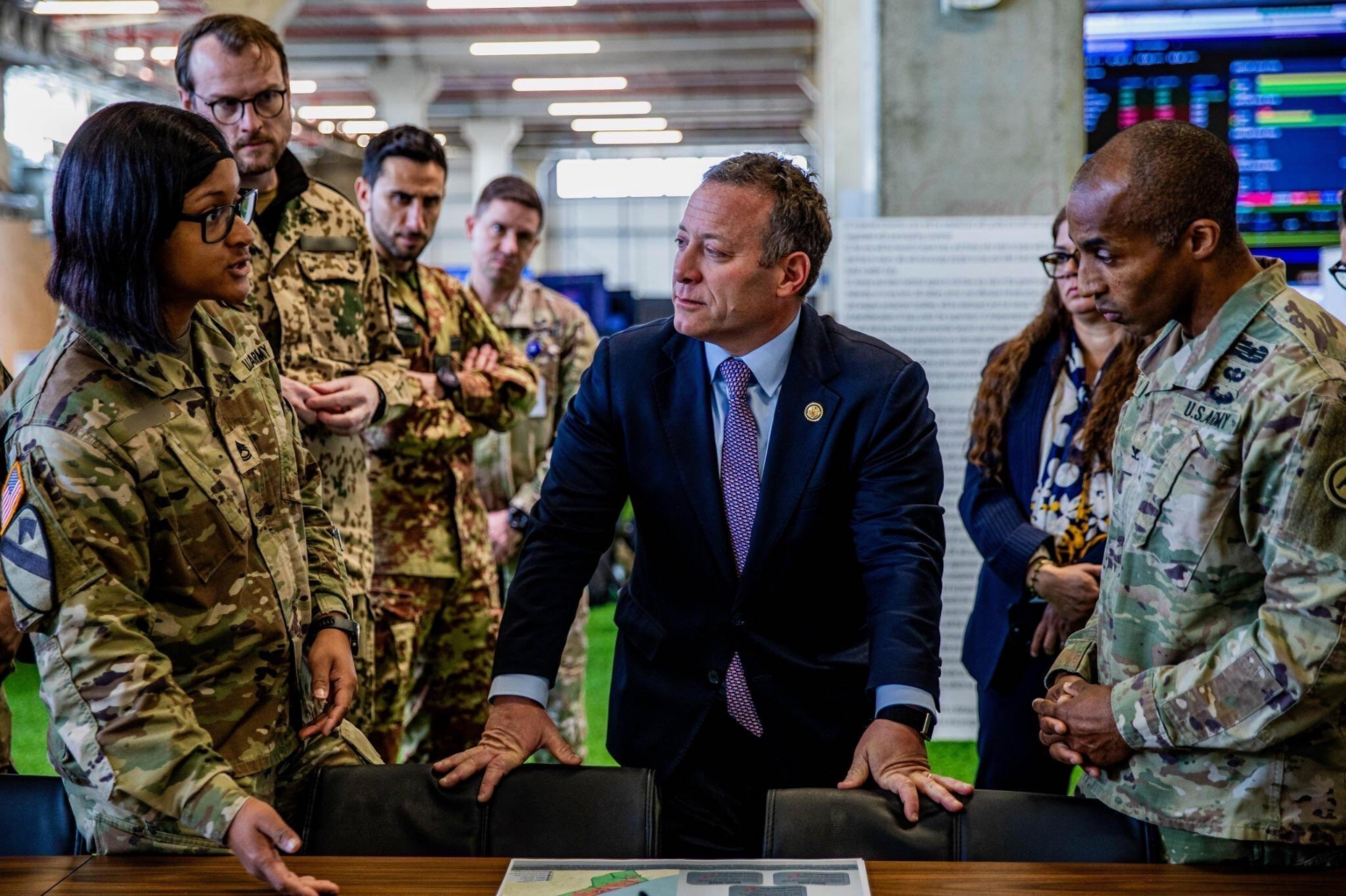
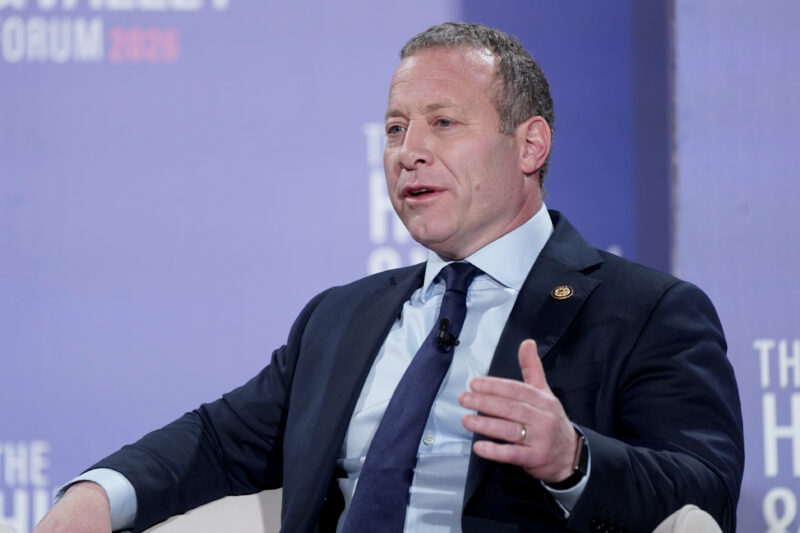
Rep. Josh Gottheimer (D-NJ), who visited Qatar, Bahrain and Saudi Arabia over the weekend, said that the Gulf countries have yet to commit personnel to be directly involved in the International Stabilization Force (ISF) in Gaza, without which the next phase of the ceasefire between Israel and Hamas cannot proceed, Jewish Insider’s Marc Rod and Emily Jacobs report. Gottheimer visited Qatar and Bahrain alongside Sen. Markwayne Mullin (R-OK) and Reps. Jimmy Panetta (D-CA), Jason Smith (R-MO) and Ronny Jackson (R-TX). Members of the delegation were photographed meeting with Qatari Prime Minister Sheikh Mohammed bin Abdulrahman bin Jassim Al Thani, who also serves as the kingdom’s foreign affairs minister.
Takeaway: “All the countries in the region who I’ve met with seem very eager to get to Phase 2. I think the question remains of which countries are willing to put boots on the ground and take the necessary steps to disarm Hamas,” Gottheimer told JI on Tuesday. “We’re all waiting for announcements on who that will be — that’s still the outstanding question … and what level of commitment.” Building and staffing the ISF, he emphasized, is a “very important piece of the puzzle right now.”
PAPER PROBLEM

Spain’s leading newspaper, El País, came under fire Tuesday for publishing an antisemitic comment about the Jewish background of the judge overseeing the case against deposed Venezuelan President Nicolás Maduro. In a since-edited story, the left-leaning newspaper reported on Monday that federal Judge Alvin Hellerstein is a highly regarded jurist “despite being a recognized member of the Jewish community,” Jewish Insider’s Haley Cohen reports.
Printed words: “Hellerstein, who studied law at Columbia University (New York), began his career as a clerk in the court he now presides over. Throughout his career, he has issued well-reasoned rulings and strived to maintain impartiality, despite being a prominent member of the Jewish community,” the article stated in Spanish. The end of the last sentence was removed on Tuesday. Before it was edited, the story was reproduced by the Uruguayan El País, which also removed the line on Tuesday evening, following an inquiry from JI.
DILUTING THE MESSAGE
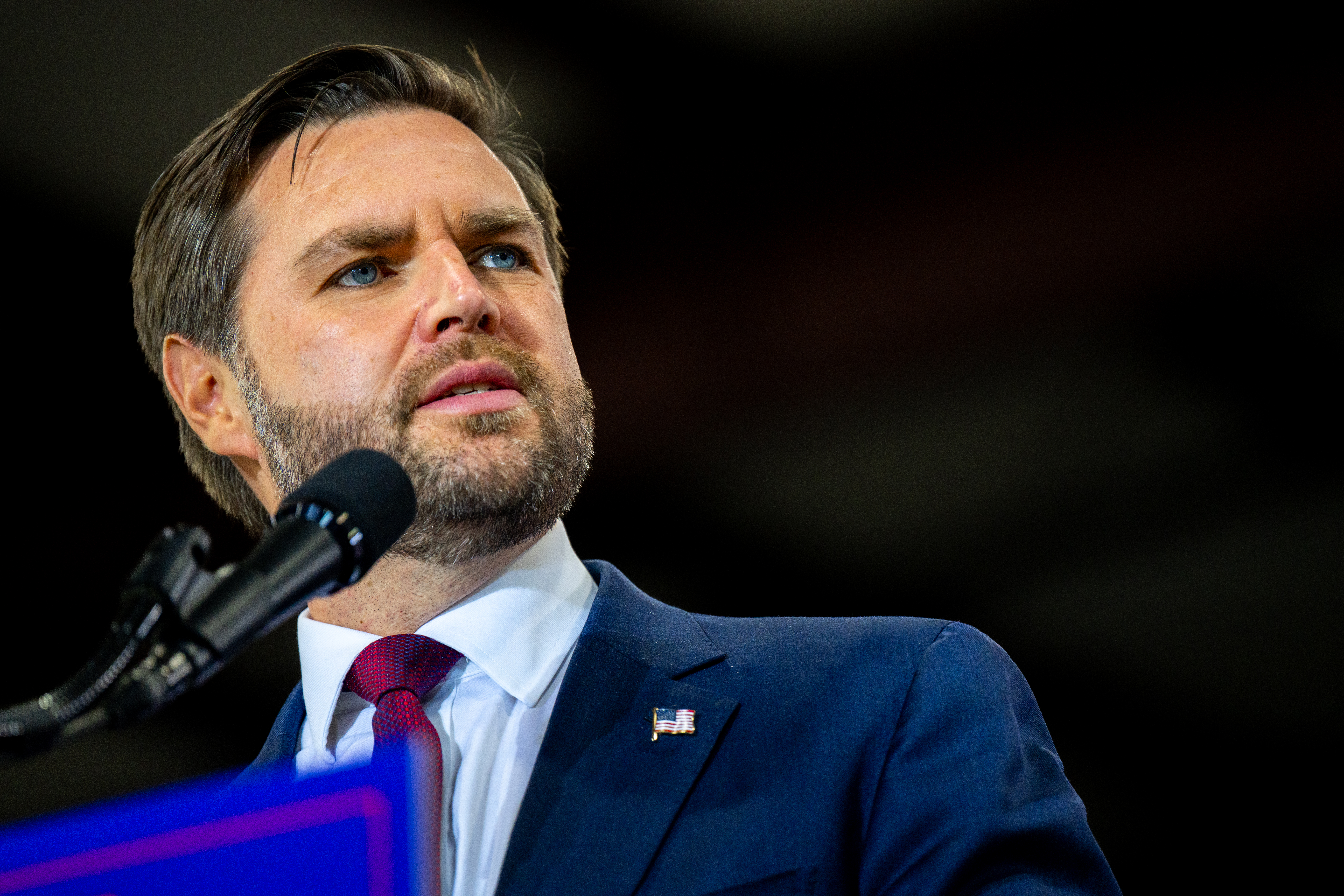
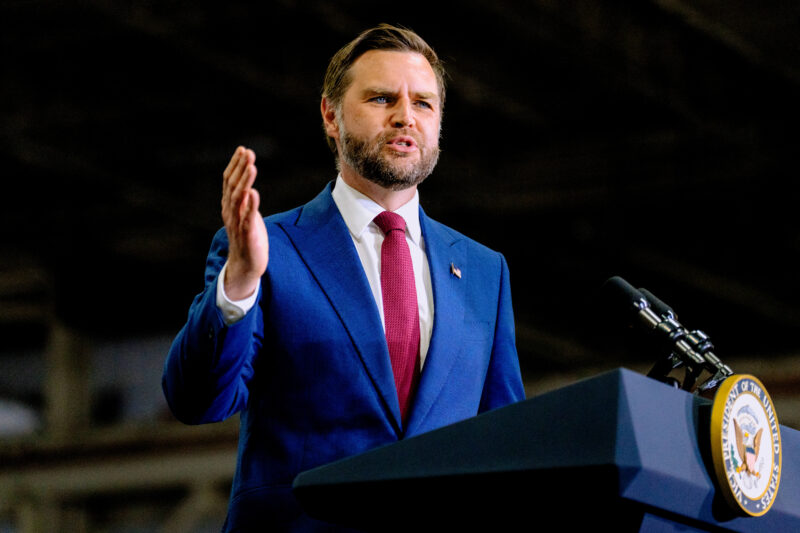
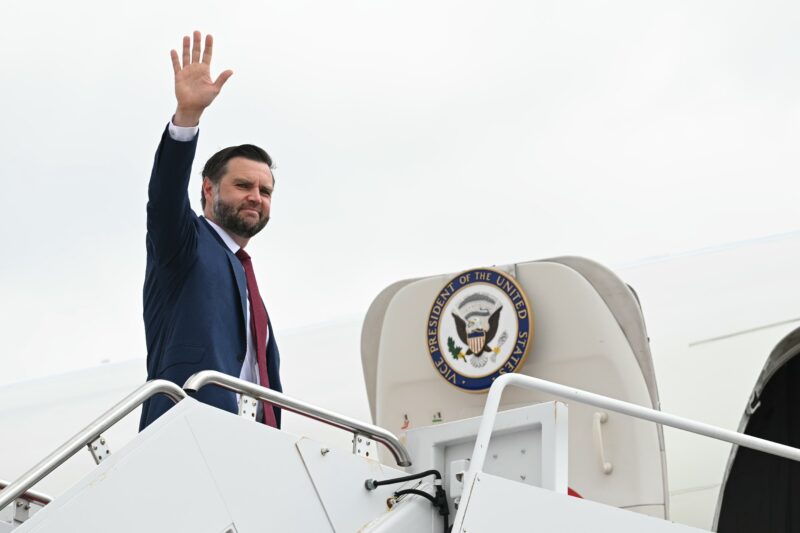
Vice President JD Vance, asked about the rise of antisemitism in the conservative movement, said “all forms of ethnic hatred” must be rejected and emphasized that the U.S. is rooted in “Christian principles,” Jewish Insider’s Danielle Cohen-Kanik reports. In an interview released Tuesday, CNN commentator Scott Jennings, on his eponymous podcast, asked the vice president about “certain kinds of views that have been espoused by certain kinds of people” in the conservative movement who “try to drag you into this conversation all the time.”
What he said: “Just for the record, does the conservative movement need to warehouse anybody out there espousing antisemitism in any way?” Jennings asked. “No it doesn’t, Scott,” Vance answered. “I think that we need to reject all forms of ethnic hatred, whether it’s antisemitism, anti-Black hatred, anti-white hatred. I think that’s one of the great things about the conservative coalition, is that we are, I think, fundamentally rooted in the Christian principles that founded the United States of America and one of those very important principles is that we judge people as individuals.”
CANDIDATE CONCERNS
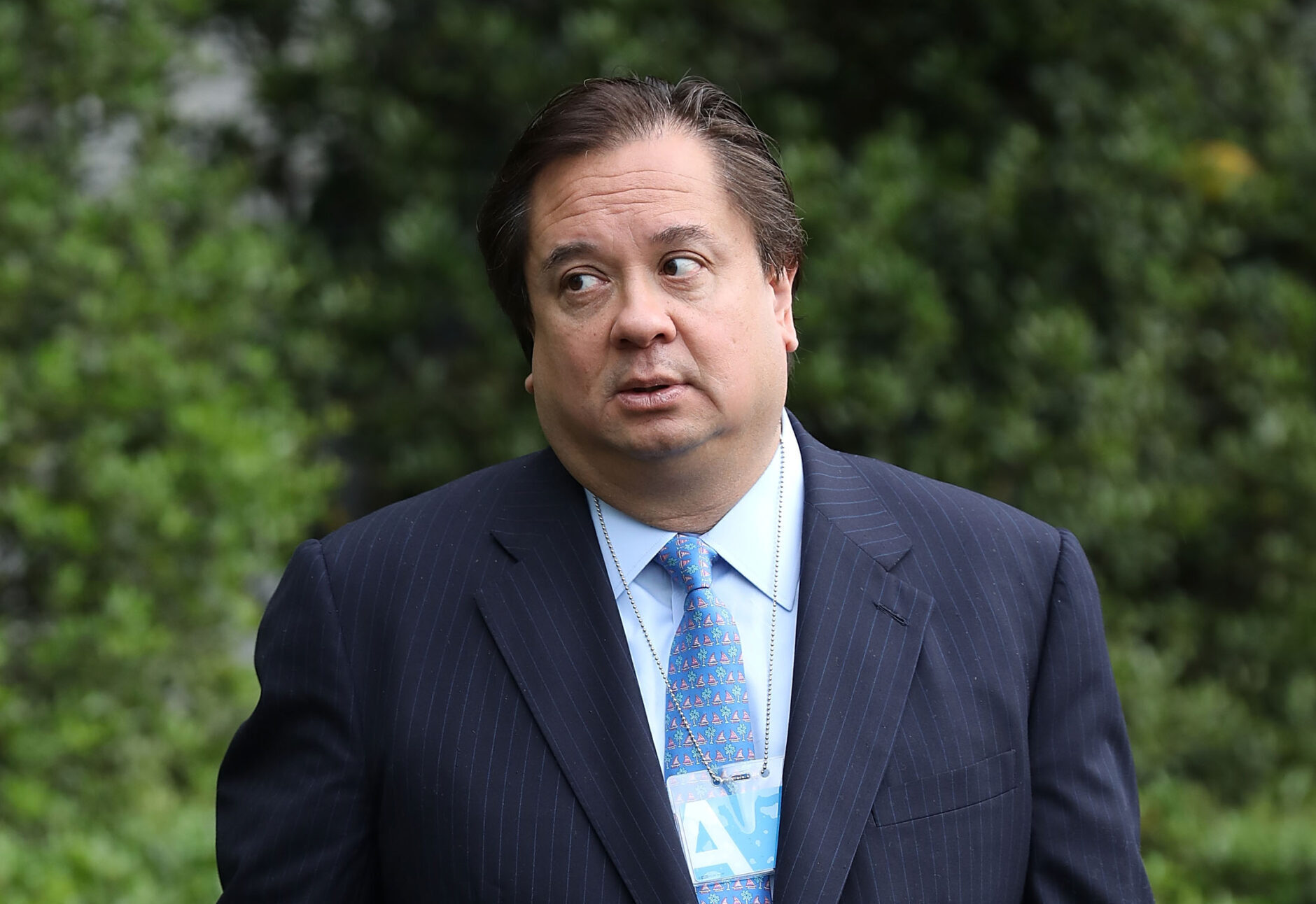
George Conway, a former Republican lawyer and prominent critic of President Donald Trump who announced his bid in a Democratic House primary in Manhattan on Tuesday, is raising concerns about New York City Mayor Zohran Mamdani’s approach to Israel and antisemitism, Jewish Insider’s Matthew Kassel reports.
Conway’s criticism: Conway, who recently relocated to Manhattan in order to run for the seat being vacated by retiring Rep. Jerry Nadler (D-NY), said in an interview with The New York Times published Tuesday that he was “disturbed” by Mamdani’s sharp criticisms of Israel, even as he called the mayor “a great politician” and voiced admiration for his “focus on affordability.” The first-time candidate, 62, added in an interview with NBC News on Tuesday that he was “concerned about some of the language” Mamdani has “used in the past about Israel,” as well as the mayor’s recent decision to revoke a pair of executive orders related to Israel and antisemitism on his first day in office.
Worthy Reads
Man of the Moment: In The Free Press, Eli Lake posits that Secretary of State Marco Rubio, who began the second Trump administration as “the odd man out,” now “might be the second most powerful man” in DC. “So what’s the secret to Rubio’s success? Administration officials and Trump intimates tell me that he clawed ahead through a combination of competence, loyalty, and realism. Rubio has not embarrassed the White House with episodes like Signalgate, when former national security adviser Mike Waltz accidentally included Atlantic editor in chief Jeffrey Goldberg in a Signal chat to discuss plans for bombing Houthi targets in Yemen. Rubio has not publicly accused subordinates of leaking classified information with little evidence, as Defense Secretary Pete Hegseth has done. ‘Marco puts his head down and does his job, and the president appreciates that,’ one administration official told me.” [FreePress]
Thank You For the Music: Rolling Stone’s Marisa Fox looks at how former Israeli hostages leaned on music for strength while in captivity in Gaza. “‘Music has been my lifeline until today,’ says [Alon] Ohel, who also attended Nova, and was snatched from a shelter along with Hersh Golberg-Polin. ‘Music helped me get through the nightmare … and rise above.’ Held in an apartment for his first 52 days, he would hum Bill Withers’ ‘Ain’t No Sunshine’ to himself, a track that took on new meaning in the pitch-black of the tunnels, where he was eventually relocated. Sometimes, he’d imagine the Police’s ‘Roxanne’ to rev himself up. But his most constant companion was ‘Shir LeLo Shem,’ or ‘A Song With No Name,’ by Israeli artist Yehudit Ravitz, and in particular the verse ‘For my song is a leaf in the wind/Faded out, forgotten/It’s the soft light opening in my nights/It is you who walks towards me.’” [RollingStone]
Word on the Street
Rep. Dan Goldman (D-NY) formally launched his reelection bid in New York’s 10th Congressional district, where he is facing a primary challenge from the left from former New York City Comptroller Brad Lander, on Tuesday…
In a New York Times interview, Goldman said that his support for Israel could cost him votes against Lander, acknowledging that some Democrats have been quick to turn on Israel; referring to a censure of Rep. Rashida Tlaib (D-MI) over her comments early in the Israel-Hamas war that he had backed, Goldman said he would “most likely vote differently” if the vote were held again…
House Majority Whip Tom Emmer (R-MN) announced the death of 65-year-old Rep. Doug LaMalfa (R-CA); the California Republican’s death shrunk the House GOP’s majority to 218-213…
Rep. Jan Schakowsky (D-IL), who is retiring at the end of this year, is expected to endorse Evanston, Ill., Mayor Daniel Biss in the Democratic primary to succeed her in the state’s 9th Congressional District…
Former Rep. Sean Patrick Maloney (D-NY) is passing on a challenge to Rep. Mike Lawler (R-NY) for his old Hudson Valley seat…
Former Rep. Mary Peltola (D-AK) is moving closer to launching a Senate bid challenging Sen. Dan Sullivan (R-AK) after narrowly losing her House reelection bid in 2024…
The Board of Deputies of British Jews called on the chief constable of West Midlands, U.K., to step down over his force’s recommendation to ban Maccabee Tel Aviv fans from a November match against Aston Villa and false statements given in a subsequent investigation…
A significant majority of Jewish Israelis feel that it is safer for them to live in Israel than abroad, according to a new survey by the Israeli Voice Index, reflecting heightened concerns about antisemitism overseas, Jewish Insider’s Tamara Zieve reports…
A teenager was killed and several others injured by a bus during a Jerusalem riot protesting Haredi draft efforts; the driver of the bus told investigators he had been attacked by Haredi protesters and lost control of the vehicle…
Senior Israeli and Syrian officials agreed at a U.S.-brokered meeting in Paris to speed up the pace of talks between the countries on reaching a security agreement…
Israel ordered Doctors Without Borders to cease operations in the Gaza Strip, citing the organization’s refusal to provide identification numbers of Palestinian employees as well its failure to comply with a policy cracking down on criticism of Israel’s conduct in Gaza…
Israel passed the final approval for the controversial E1 settlement project near Jerusalem, with a government tender now open for developers to submit bids, paving the way for construction that would effectively divide the West Bank…
At least 35 people have been killed and more than 1,200 arrested in anti-government protests sweeping across Iran…
Emily Bromberg is joining the Jewish Federations of North America as vice president of community security operations…
Joyce Karam was named the editor-in-chief of Al-Monitor…
Tennis table champion Josef Veselsky, who survived the Holocaust by joining the resistance in the mountains of Czechoslovakia before migrating to Ireland in 1949, where he eventually became the country’s oldest man, died at 107…
Pic of the Day
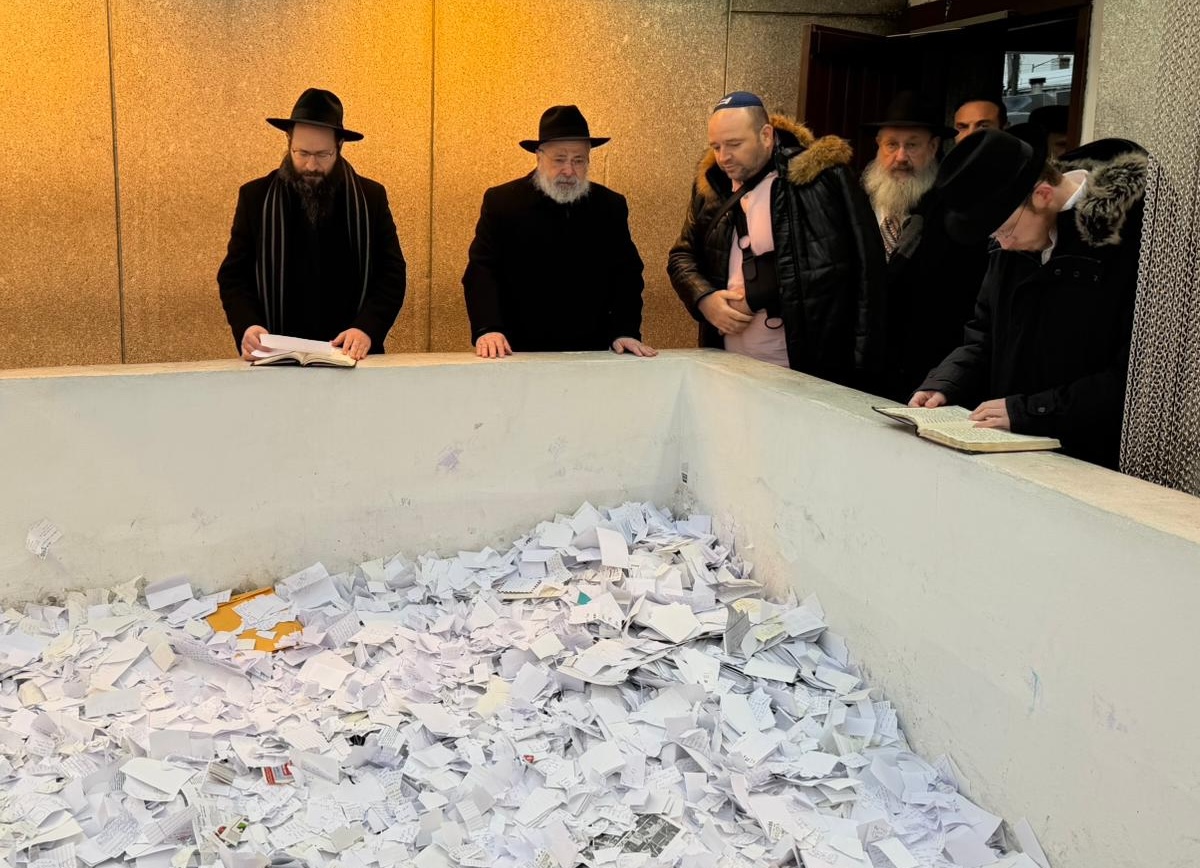
Ahmed al-Ahmed (third from left), who disarmed one of the terrorists during the terror attack on a Hanukkah celebration in Sydney, Australia, last month, joined Rabbi Yehoram Ulman (second from left), director of Chabad of Bondi, whose congregants and son-in-law were murdered in the attack, and Rabbi Sholom Duchman (fourth from left), director of Colel Chabad, at the Ohel, the resting place of the Lubavitcher Rebbe, Rabbi Menachem M. Schneerson, in Queens, N.Y.
Birthdays
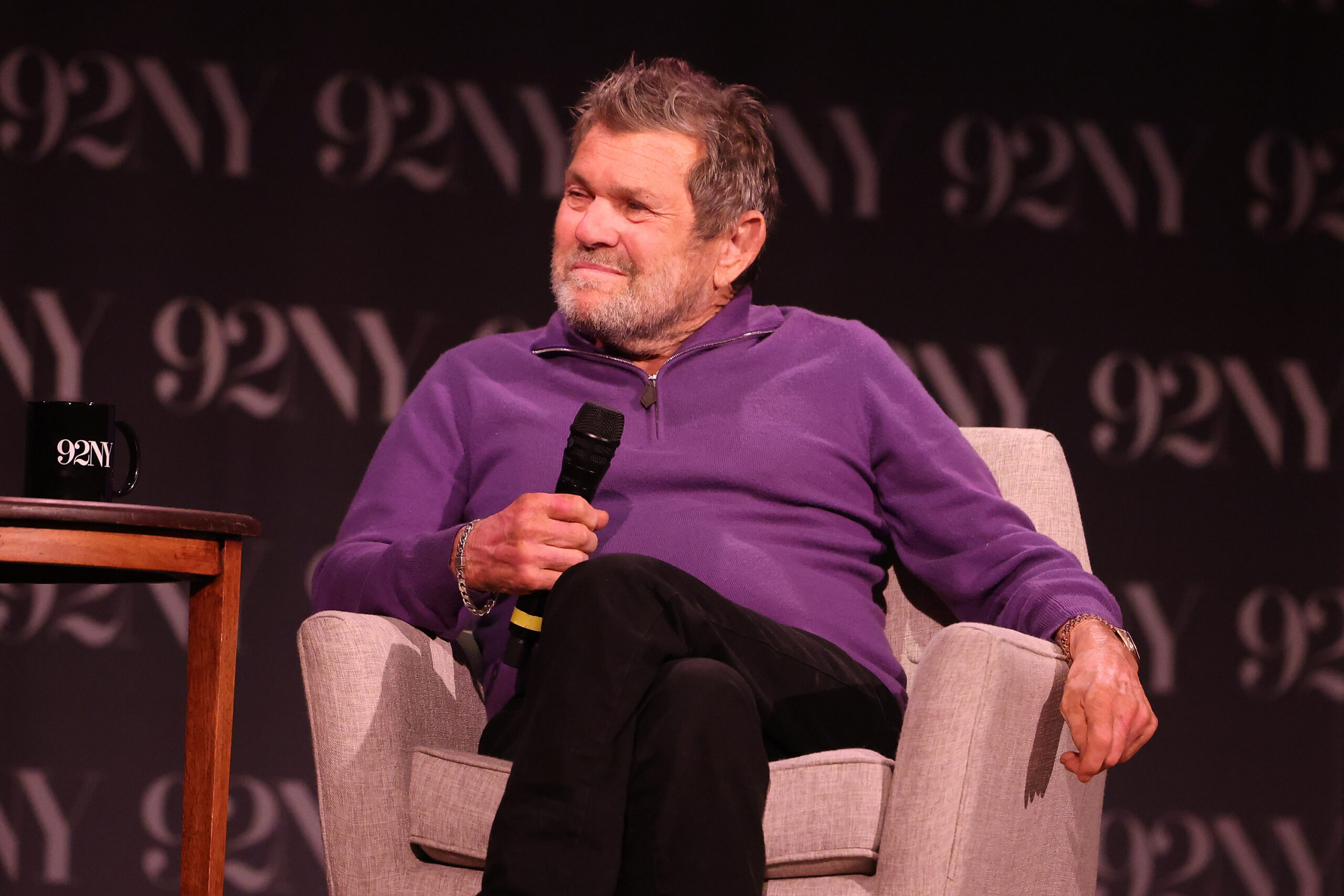
Co-founder and publisher of Rolling Stone magazine and co-founder of the Rock & Roll Hall of Fame, Jann Wenner turns 80…
Former president of the Federal Reserve Bank of Chicago, Michael H. Moskow turns 88… U.S. District Court judge for the Eastern District of Michigan since 1994, he assumed senior status in 2023, Judge Paul D. Borman turns 87… Pulitzer Prize-winning sports reporter, columnist and writer, he wrote for The New York Times from 1981 to 2007, Ira Berkow turns 86… Scottsdale, Ariz., resident, Bruce Robert Dorfman… Retired president of the University of South Florida system, Judy Genshaft turns 78… Senior U.S. District Court judge in Miami, Joan A. Lenard turns 74… Former brigadier general and chief rabbi of the IDF until 2016, then minister of Jerusalem affairs, Rafael “Rafi” Peretz turns 70… Former CEO of Glencore, one of the world’s largest commodity trading and mining companies, Ivan Glasenberg turns 69… Dermatologist and cosmetic surgeon in Beverly Hills, starting in 2011 he assumed control of his family’s nationwide real estate operations, Dr. Ezra Kest… Documentary filmmaker with a focus on social justice and Jewish history, Roberta Grossman turns 67… One of the heirs to the Hyatt Hotel fortune, Anthony Pritzker turns 65… U.S. senator (R-SD), he has served as Senate majority leader since January 2025, John Thune turns 65… U.S. senator (R-KY), Rand Paul turns 63… Managing director and senior relationship manager at Bank of America, she serves as the chair of the Jewish Funders Network, Zoya Raynes… Television and film actress, Lauren Cohan turns 44… Executive director of Keep Our Republic and author of Paths of the Righteous, Ari Mittleman… Concord, N. H.-based public affairs consultant, Holly Shulman… Executive director of Congregation Beth Am in Los Altos, Calif., Jeremy Ragent… Music director of the Israel Philharmonic Orchestra, he will become the chief conductor of the Munich Philharmonic at the start of the 2026-2027 season, Lahav Shani turns 37… Drummer and founding member of The Groggers, a pop punk band from Queens, Nechemia “Chemy” Soibelman turns 35… Reporter on Haredi and Knesset affairs for Walla News, Yaki Adamker… Author of five books and host of the history podcast “Noble Blood,” Dana Schwartz turns 33… National chair of Israel Policy Forum Atid, Jonathan Kamel… Pitcher for the Baltimore Orioles, the first Israeli player ever drafted by an MLB team, his great-uncle is Haim Saban, Dean Kremer turns 30…
Please log in if you already have a subscription, or subscribe to access the latest updates.
 Continue with Google
 Continue with Apple