



































Protest leader Mahmoud Khalil may be deported to Algeria, DHS says
Tricia McLaughlin, the DHS assistant secretary for public affairs, made the comments shortly after a federal appeals court ruled Khalil could be rearrested

Spencer Platt/Getty Images
Palestinian activist Mahmoud Khalil, who was released from ICE detention, speaks during a rally on the steps of the Cathedral of St. John the Divine in Manhattan on June 22, 2025 in New York City.


 Add JewishInsider on Google
Former Columbia University graduate student Mahmoud Khalil, a leader of the school’s anti-Israel protest movement, will likely be rearrested and deported to the North African country of Algeria, a top Department of Homeland Security official said Wednesday.
Khalil was released in June from the Immigration and Customs Enforcement detention center in Louisiana, where he had been held for three months. Last week, a federal appeals court ruled that he could be rearrested, instructing the lower court to dismiss Khalil’s habeas petition, a court filing that challenged his incarceration and eventually secured his release. His deportation proceedings had been paused.
Asked by Katie Pavlich on NewsNation on Wednesday whether there are plans to rearrest Khalil and move forward with deportation, Tricia McLaughlin, DHS assistant secretary for public affairs, said “it looks like he’ll go to Algeria. That’s what the thought is right now.”
“It’s a reminder for those who are in this country on a visa or on a green card. You are a guest in this country — act like it,” said McLaughlin. “It is a privilege, not a right, to be in this country to live or to study.”
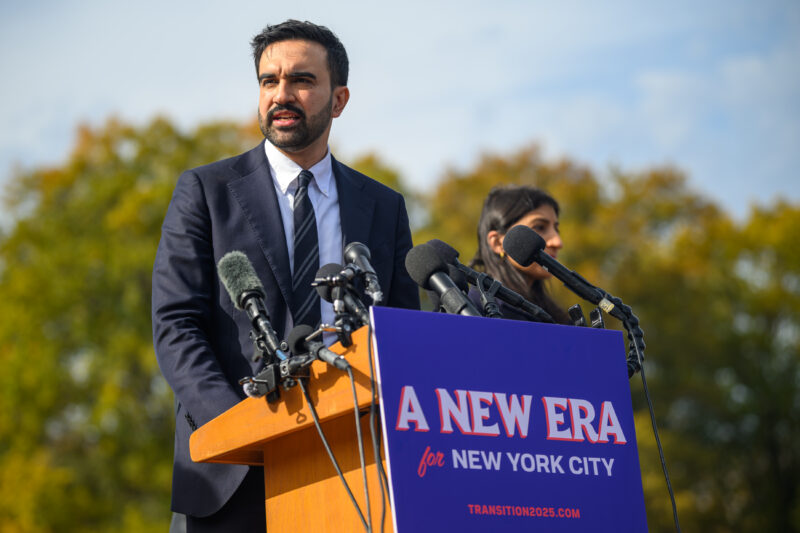
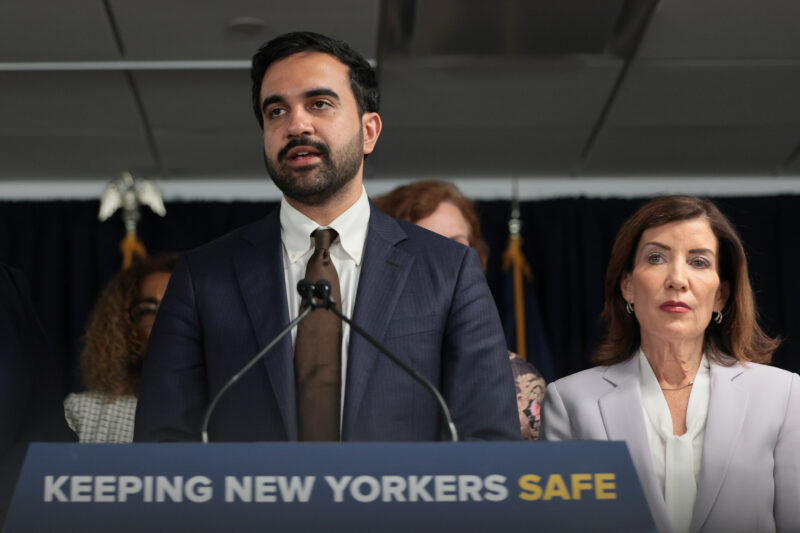
New York City Mayor Zohran Mamdani said at a press conference on Thursday that Khalil “is a New Yorker. He should remain in New York City.”
“We have seen this attack on him as part of a larger attack on the freedom of speech that is especially pronounced when it comes to the use of that speech to stand up for Palestinian human rights. I will make that clear to everyone. He deserves to be in the city just like any other New Yorker,” Mamdani said.
Khalil, who grew up in Syria but is of Palestinian descent, first came to the U.S. on a student visa, and later married a U.S. citizen and received a green card. While a graduate student at Columbia in 2024, he led campus protests against the war in Gaza and subsequent negotiations with university administrators.
The federal government sought to deport Khalil on the basis of his failure to disclose crucial information in his green card application, including his former employment by the U.N. Relief and Works Agency that works with Palestinians, as well as his membership in the unofficial campus group Columbia University Apartheid Divest, which was banned from Instagram last year for promoting violence.
Immigration authorities arrested Khalil at his home in March. He was not charged with a crime. The White House said at the time that the government had authority to arrest and deport Khalil based on the 1952 Immigration and Nationality Act, which states that if the secretary of state has “reasonable grounds” to believe that a migrant poses “potentially serious adverse foreign policy consequences,” that person is eligible for deportation.
A memo submitted in May to the court in Louisiana and signed by Secretary of State Marco Rubio cited the president’s authority to expel noncitizens whose presence in the country could have adverse foreign policy consequences, regardless of whether they have committed a crime. It stated that Khalil’s arrest and planned deportation were based on his “participation in antisemitic protests and disruptive activities, which fosters a hostile environment for Jewish students in the United States.”
More Stories
THREAT THWARTED
Man arrested in Boca Raton for making death threat against Rep. Jared Moskowitz

Regional Responsibility
Amb. Tom Barrack: It’s ‘not America’s job’ to combat Iran-backed threats in the Middle East
analysis
Is Israel’s anti-Netanyahu bloc fracturing?

PRAIRIE STATE PRIORITIES
Illinois Democrats spend big for anti-Israel candidate running for state Senate
UNKNOWN HORIZON
Final Israeli polls point to stalemate ahead of Tuesday’s election

Daily Kickoff
Barack to 1948
Please log in if you already have a subscription, or subscribe to access the latest updates.
 Continue with Google
 Continue with Apple