













































Jewish leaders condemn ‘classic antisemitism’ in Josh Shapiro’s account of Harris VP vetting
Shapiro writes in his new book that the Harris team asked if he had ever been a ‘double agent for Israel’

ANDREW CABALLERO-REYNOLDS/AFP via Getty Images
Pennsylvania Gov. Josh Shapiro (L) greets former Vice President Kamala Harris as she arrives at Pittsburgh International Airport in Pittsburgh, Pennsylvania on September 2, 2024.


 Add JewishInsider on Google
In the summer of 2024, when Vice President Kamala Harris was vetting potential running mates for her expedited campaign for president, a senior member of her team asked Pennsylvania Gov. Josh Shapiro whether he had ever been a “double agent for Israel,” Shapiro writes in a new book that will be published later this month. “Was she kidding? I told her how offensive the question was,” Shapiro recounts in the book.
The exchange — which Shapiro describes in an outraged tone — has prompted sharp criticism from Jewish leaders, including some who served in the Biden-Harris administration.
“The more I read about [Shapiro’s] treatment in the vetting process, the more disturbed I become,” Deborah Lipstadt, who served as the State Department’s antisemitism envoy under President Joe Biden, said in a post on X. “These questions were classic antisemitism.”
Shapiro suggests in the book that he was being treated unfairly as a Jewish contender for the role of vice president: “I wondered whether these questions were being posed to just me — the only Jewish guy in the running — or if everyone who had not held a federal office was being grilled about Israel in the same way,” he writes.
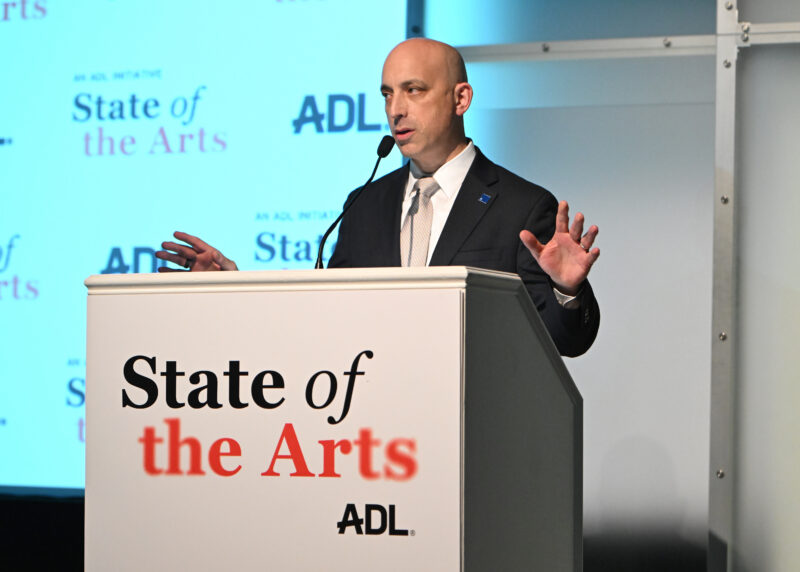
Anti-Defamation League CEO Jonathan Greenblatt called the line of questioning “barely veiled bigotry,” and said it is “a textbook invocation of one of the oldest antisemitic canards in politics: the smear of dual loyalty.”
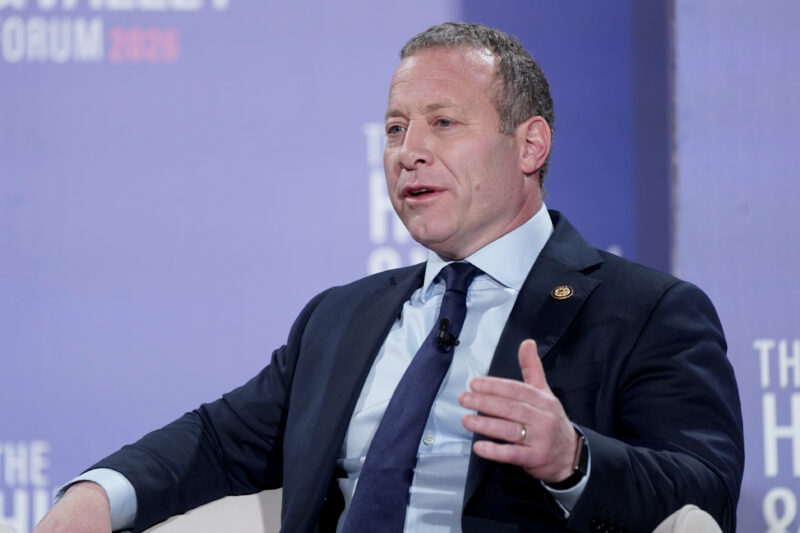
The comments also earned criticism from Rep. Josh Gottheimer (D-NJ), who said in a statement that “that kind of insinuation and targeting is antisemitism, plain and simple. No one should be judged or discriminated against because of their faith.”
Shapiro’s Jewish faith and his support for Israel became the object of criticism among far-left activists, who agitated against his selection as Harris’ running mate. Harris has maintained that antisemitism played no role in her decision not to pick Shapiro.
Shapiro’s account of his interactions with Harris’ campaign suggests that his views on Israel did present a problem for Harris. According to Shapiro, Harris asked him to apologize for comments he had made denouncing the actions of some anti-Israel protesters at the University of Pennsylvania. He refused, writing in his book that he felt Harris wanted him to align “perfectly” with her on all issues.
“It nagged at me that their questions weren’t really about substance,” Shapiro writes. “Rather, they were questioning my ideology, my approach, my world view.”
Abraham Foxman, the former longtime leader of the Anti-Defamation League, called it “very disturbing” that Shapiro was asked about being an Israeli double agent. “Aides focused on Israel to the extent he found it offensive. Something very troubling about our current political culture,” Foxman wrote in a post on X.
Shapiro was not the first Jewish official to face a “double standard” during the vetting process, Aaron Keyak, the Jewish outreach director on Biden’s 2020 campaign who later served as Lipstadt’s deputy at the State Department, said in a statement.
“During my vetting process I faced questions in a classified setting that my fellow non-Jewish political appointees did not,” Keyak said. “These sort of antisemitic questions are anti-American and do not represent the best that the Democratic Party offers. Now and especially during the next Presidential campaign we must demand better.”
Minnesota Gov. Tim Walz, who was chosen as Harris’ running mate, was also asked a question about his own ties to foreign nations. The Harris campaign asked Walz — who had previously lived and worked in China — if he had ever been an agent of China, CNN reported.
The adversarial nature of Harris and Shapiro’s relationship during the 2024 campaign was the source of a great deal of speculation. Harris took aim at Shapiro, too, in a book she published in 2025, writing that before they even met, he was asking questions about furnishing and decorating the Naval Observatory, where the vice president resides, should he be selected.
A spokesperson for Harris did not respond to a request for comment.
This story was updated on Jan. 20 with additional comments.
More Stories
TEXAS TALK
Talarico accuses Netanyahu of imposing ‘collective punishment’ in Oct. 7 response
DAYLIGHT DEBATE
Brett McGurk pushes back on former Biden WH colleagues who called for greater pressure on Israel

COMINGS AND GOINGS
Heritage Foundation taps critic of U.S. involvement in Middle East as distinguished fellow
PRESIDENTIAL POV
Obama scrutinizes Israel’s founding, says Palestinians want their ‘land back’

SMITHSONIAN STUDY
Commission studying potential Smithsonian Jewish museum holds first meeting

MAINE EVENT
Maine Senate candidate Troy Jackson says Congress should cut off funding for Iran war
Please log in if you already have a subscription, or subscribe to access the latest updates.
 Continue with Google
 Continue with Apple