























































Anti-Israel candidates struggling in the suburbs
The results of the Tennessee special election show that the type of left-wing politics that can play in the city is a political turnoff for persuadable suburban voters
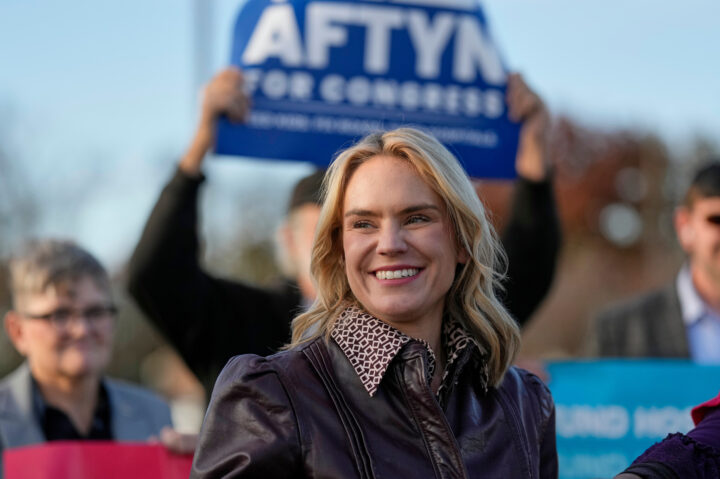
George Walker IV/AP
Democratic congressional candidate State Rep. Aftyn Behn, D-Nashville, attends a campaign event during the special election for the seventh district, Thursday, Nov. 13, 2025, Nashville, Tenn.


 Add JewishInsider on Google
If there’s a lesson for Democrats from the GOP’s nine-point victory in the Tennessee special election on Tuesday night, it’s that the type of left-wing politics that can play in the city is a political turnoff for persuadable suburban voters. Nominating a telegenic candidate with ideologically radical views — à la Zohran Mamdani — might not matter to many urban Gen Z voters, but it does matter everywhere else.
In the big picture, Republican Matt Van Epps’ single-digit margin of victory in a district that President Donald Trump carried by 22 points is a sign of a strong Democratic environment heading into the midterms. Democrats should feel confident about their chances of winning back control of the House, even with increased gerrymandering. But look a little more closely at the results, and there are signs of an urban-suburban divide in the district, indicating that Democrat Aftyn Behn’s outspoken progressivism cost her badly in the affluent, conservative-minded suburb of Williamson County.
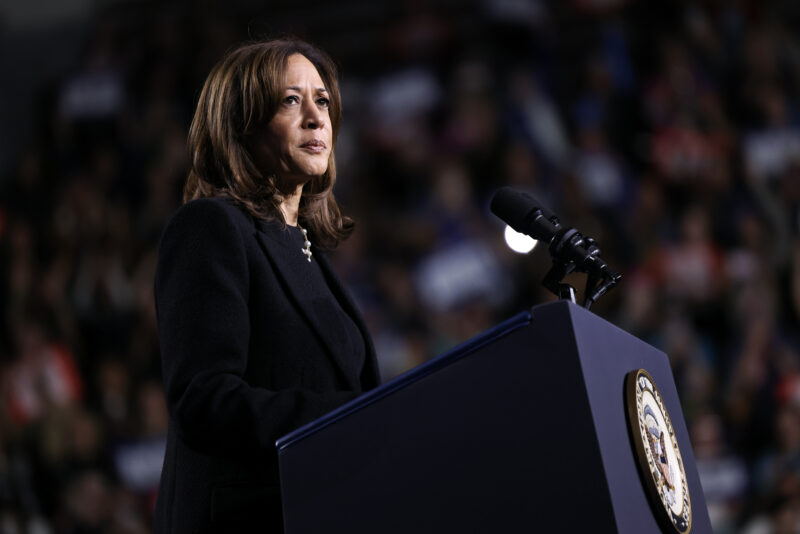
Take a look at the stark urban-suburban divide by the numbers: Behn won by 56 points in the city of Nashville, outperforming Kamala Harris’ margin in the country by a whopping 20 points. But in the Nashville suburbs, Behn barely outperformed Harris, losing Williamson County by 23 points (while Harris lost the county by 30 in 2024).
Behn was tagged as the “AOC of Tennessee” by Republicans, and she didn’t shy away from that comparison during the campaign, even inviting Rep. Alexandria Ocasio-Cortez (D-NY) to participate at a virtual rally for the Democratic candidate. Her anti-police rhetoric, antipathy towards her home city of Nashville, along with her record of hostility against Israel all underscored she was on the far left wing of her party.
Just as New York City Mayor-elect Zohran Mamdani’s anti-Israel and left-wing views were toxic enough that suburban New York City Democratic lawmakers — like Reps. Tom Suozzi (D-NY) and Laura Gillen (D-NY) — spoke out against his mayoral campaign, Behn’s suburban struggles underscore that swing-district Democrats who adopt the agenda of their party’s far-left activists will face consequences at the ballot box.
At the same time, Behn’s appreciable gains in Nashville and small inroads in the heavily Republican working-class rural counties of the district indicate that the Democratic message of affordability is outranking other more-ideological issues for voters facing challenges paying their bills. With fears of rising prices amid a volatile economy, Republicans risk losing a little support from their working-class base that could prove costly in the 2026 midterms — and beyond.
All told, the results should be encouraging for Democrats, even as their overly exuberant expectations led them to invite polarizing figures like Harris and AOC to boost turnout, despite the district’s strong conservative bent. But a more moderate nominee would likely have improved the party’s standing in the suburbs, and taken better advantage of the favorable overall political environment for the opposition party. It’s another reminder that moderation is the winning formula for the party to win back power in the future.
More Stories
ON THE HILL
Foreign Affairs subcommittee hearing highlights Hezbollah disarmament challenges and opportunities for peace with Lebanon

breaking
U.S., Israel launch ‘massive, ongoing’ strikes on Iran

PROBLEMATIC POST
Top Michigan Democratic fundraiser shared Veterans Day post honoring Nazi officer grandfather

senator says
Lindsey Graham calls on Saudi Arabia to ‘knock it off’

FEELING THE HEAT
UAE, more than Israel, absorbing bulk of Iranian strikes in war’s early weeks

BISS' BACKTRACK
Daniel Biss reversed position on aid to Israel after launching congressional campaign
Please log in if you already have a subscription, or subscribe to access the latest updates.
 Continue with Google
 Continue with Apple