

































Elon Musk’s role in the rise of right-wing antisemitism
With Elon Musk’s purchase of Twitter (now X), the platform’s algorithm now incentivizes far-right discourse, creating a marketplace for bigoted and antisemitic influencers

(Photo by Christopher Furlong/Getty Images)
WASHINGTON, DC - JANUARY 20: Tesla, SpaceX and X CEO Elon Musk arrives to speak during an inauguration event at Capital One Arena on January 20, 2025 in Washington, DC.


 Add JewishInsider on Google
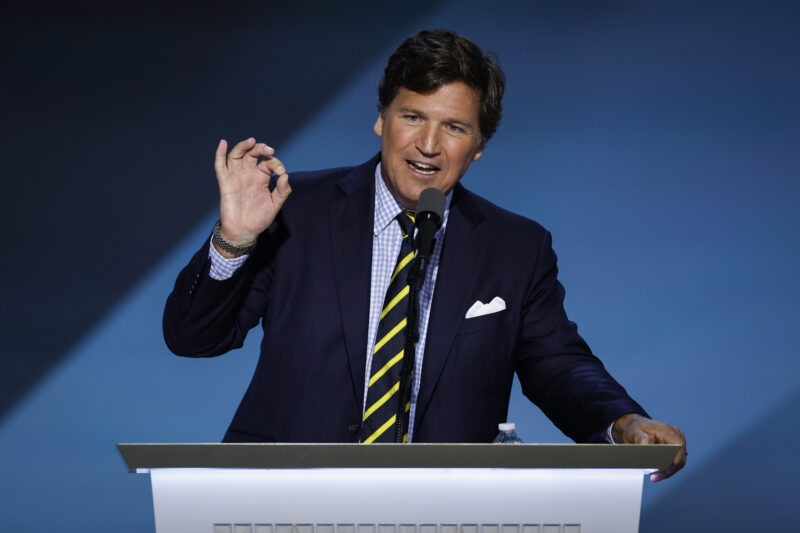
So much of the conversation about the rise of right-wing antisemitism has been focused on the supply side of the equation — the growing number of online commentators and podcasters, led by Tucker Carlson and Candace Owens, who are mainlining anti-Jewish tropes, conspiracy theories and Holocaust revisionism to their sizable audiences.
Less scrutinized is the demand-side part of the equation: Why are so many people in the independent podcasting ecosystem mimicking the same antisemitic arguments and hosting the same extremist guests? Is there really a significant audience for this nonsense?
On paper, there’s no constituency for this type of extremism. As an example: Carlson’s public sympathizing towards Russian dictator Vladimir Putin, for instance, is about as politically toxic as you can get with the American public. A recent NBC News poll found just 3% of Americans view Putin favorably, while a whopping 84% view him negatively.
But in the world of social media, a small but passionate audience of superfans — even if they’re extremists — can be more lucrative than a much broader audience of mainstream news consumers. The problem is that the perception of influence, fueled by these social media platforms, can become a self-fulfilling prophecy.
We saw this pattern play out on the left in the run-up to the 2020 presidential election, when politically toxic views about policing, immigration, race and gender identity received outsized attention on Twitter, were enforced by a small number of online influencers and quickly became conventional wisdom in institutional liberal circles. The shift was so profound that most of the 2020 Democratic presidential candidates embraced left-wing positions that they later ended up regretting.
With Elon Musk’s purchase of Twitter (now X), the platform’s algorithm now incentivizes far-right discourse, creating a marketplace for bigoted and antisemitic influencers. It’s what’s creating a demand for the conspiratorial content of Carlson, Owens and others, and it also explains why more-mainstream figures in the “independent” media space, like Megyn Kelly, are increasingly flirting with these extremist narratives.
“It’s not lost on me that there was a great celebration on the right when Elon Musk bought Twitter — and now it looks like one of the worst things for the right in a long time. The algorithms on X really promote the worst excesses of the post-liberal right,” said one former official at a conservative policy institution granted anonymity to discuss concerns. “Tucker and Megyn are in the business of monetizing the algorithm more than building an audience.”
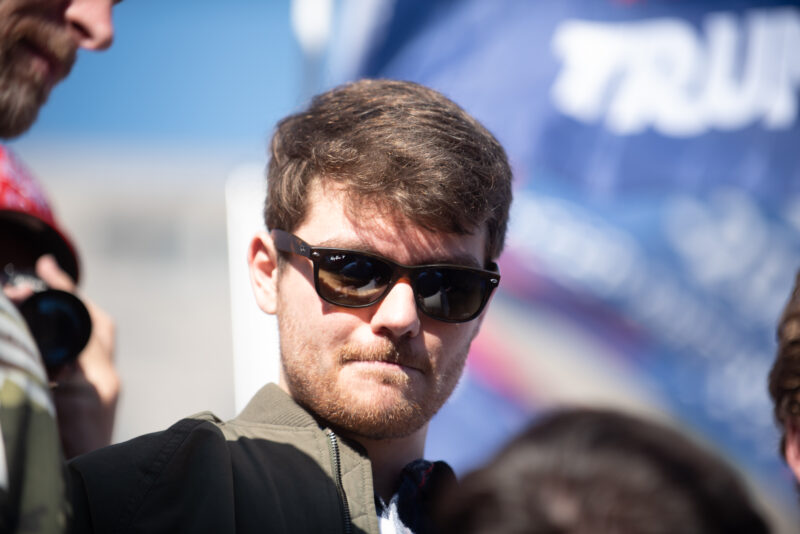
For all the ideas being floated around on how to fight back against the surge of antisemitism, it’s telling that very few conservatives are focused on an obvious source of the hate — the lack of guardrails on social media, especially from X. It’s not a coincidence that the acceleration of some of the most virulent antisemitism on the right occurred after Musk unblocked Nick Fuentes, a neo-Nazi influencer, in May 2024. (Fuentes remains blocked on other major social media services, including Meta and YouTube.)
The First Amendment protects anyone’s freedom to say whatever they want, no matter how odious. It doesn’t guarantee anyone to have their extreme views amplified on private platforms to the point where our public discourse now resembles a modern-day Tower of Babel story.
As a result of the excesses of left-wing ideology on social media in the last decade, the conservative rallying cry was to rail against any curation or regulation on these social platforms as censorship. We’re now seeing where that zero-sum game way of thinking leads.
It’s muted those mainstream voices alarmed by what’s happening on social media from even suggesting that, at the very least, our tech titans have a responsibility to prevent hate and extremism from distorting the body politic — before it’s too late.
More Stories
Political Tightrope
Pro-Israel Democrats walking a fine line on U.S. operation in Iran
blake's backtrack
In 2020 AIPAC position paper, Michael Blake vowed to support Israel, highlighted Black-Jewish unity
INFO WARS
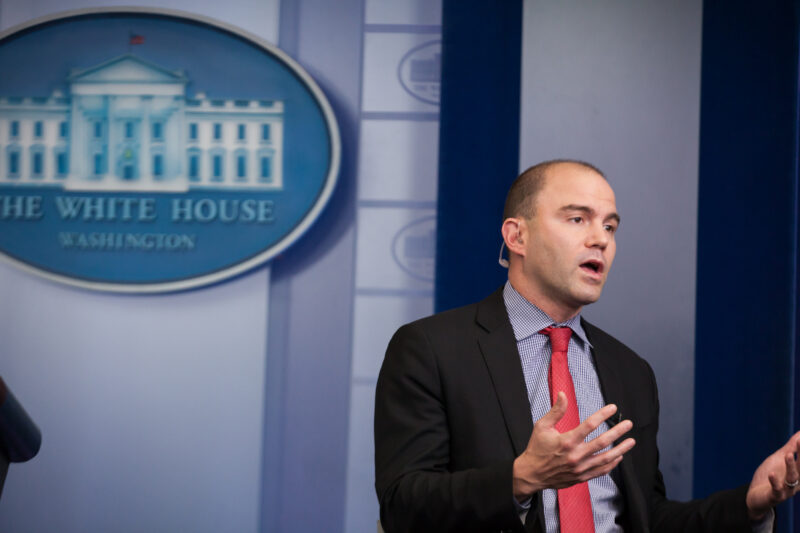
Congressional Progressive Caucus invites Trita Parsi, Ben Rhodes to brief on Iran strikes
COMEBACK BID
Elaine Luria wants to reclaim her post as a pro-Israel leader in Congress
SCOOP
Jewish leaders invited to meet with Saudi Defense Minister Khalid bin Salman in D.C.
WINDS OF CHANGE
Will Iranian attacks push Qatar to expel Hamas leaders?
Please log in if you already have a subscription, or subscribe to access the latest updates.
 Continue with Google
 Continue with Apple