






Lebanon ambassador nominee: There is a ‘narrow but meaningful window for progress’
‘The full disarmament of Hezbollah is not optional. It is essential,’ Michel Issa said
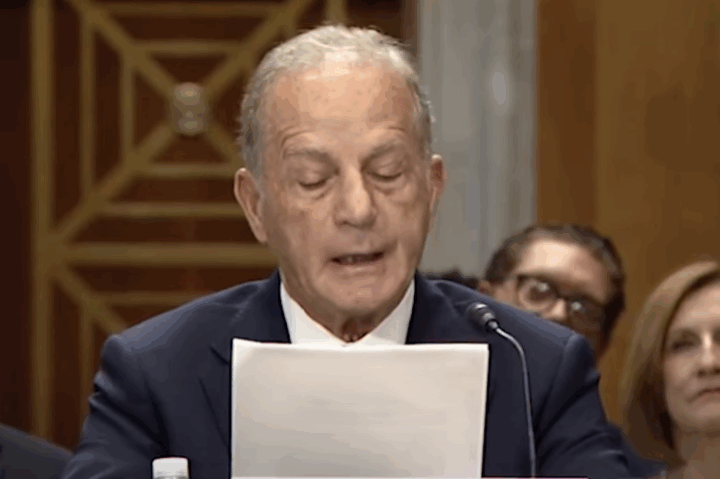
Screenshot/YouTube
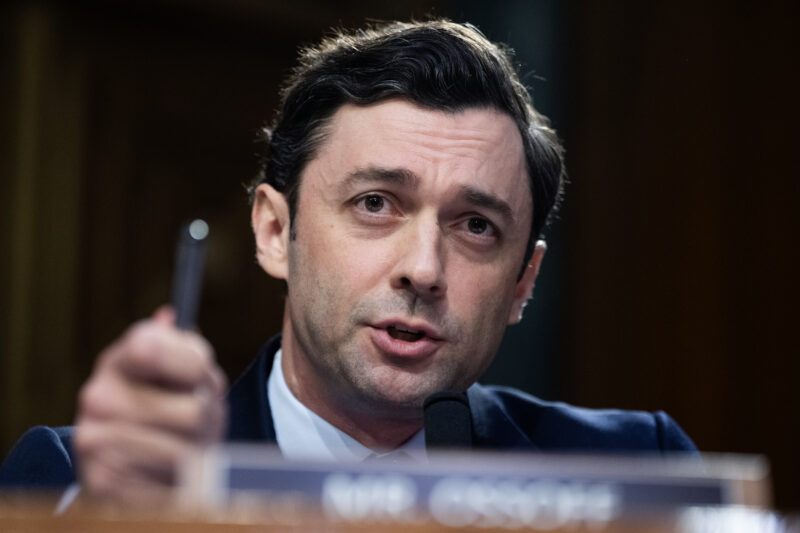
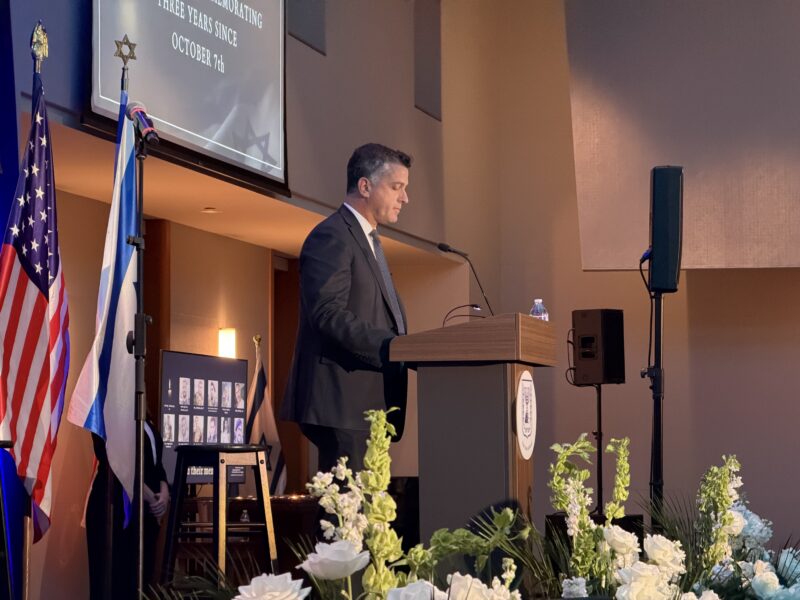
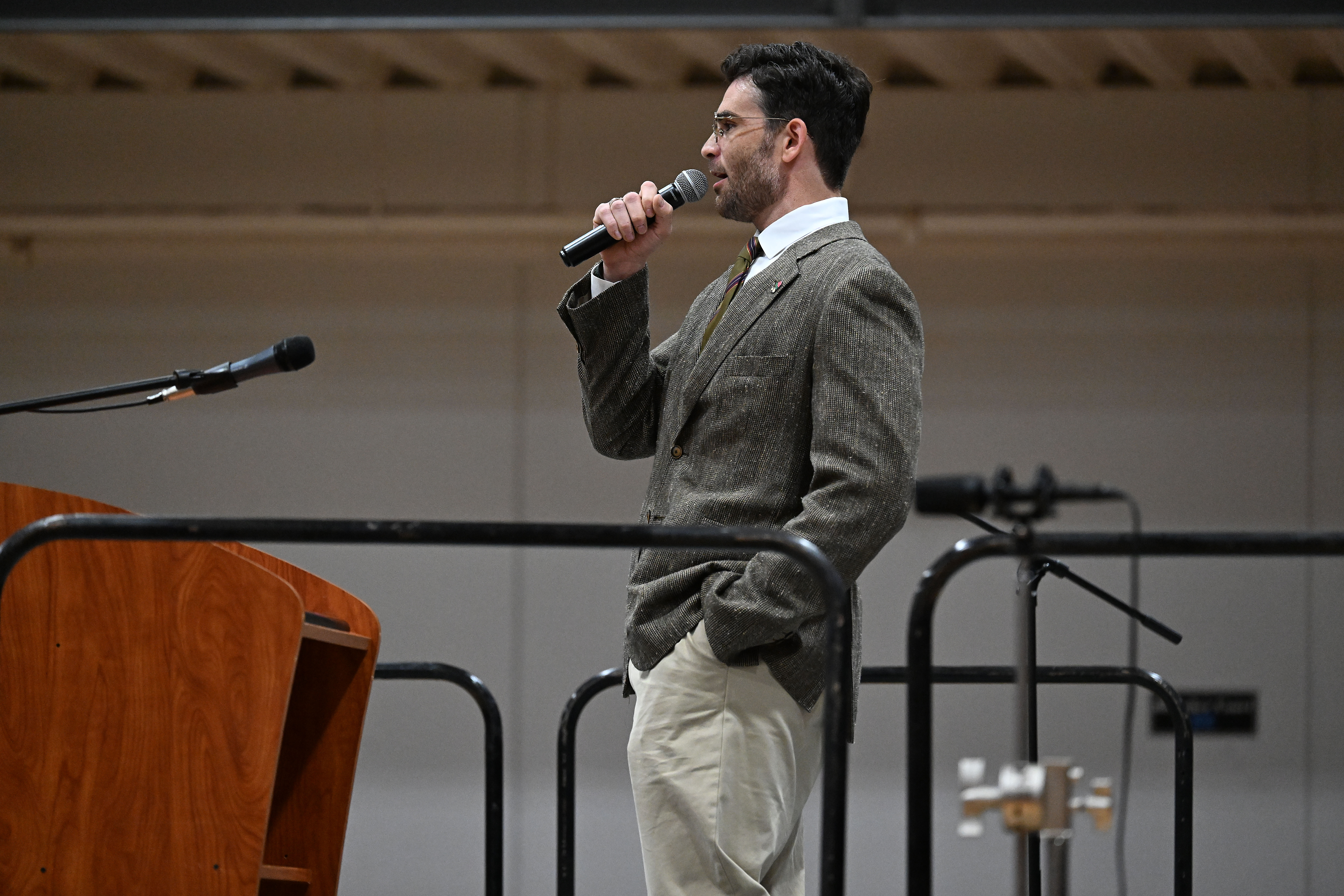
Michel Issa, nominee to be U.S. ambassador to Lebanon, speaks to the Senate Foreign Relations Committee during his confirmation hearing on July 29, 2025.


 Add JewishInsider on Google
Michel Issa, the Lebanese-American businessman nominated by the Trump administration to serve as U.S. ambassador to Lebanon, said Tuesday that the Lebanese government and armed forces must act swiftly and decisively to disarm Hezbollah and remove its influence across Lebanese society.
Issa argued at his Senate Foreign Relations Committee confirmation hearing that the war between Israel and Hezbollah, “while devastating, has opened a narrow but meaningful window for progress,” in combination with the Israel-Lebanon ceasefire deal, the fall of the Assad regime in Syria and recent blows to Iran’s military and nuclear program.
He praised the new Lebanese government as a “promising development,” saying it has made progress in combating Hezbollah’s influence.
“The Iran-Israel escalation is a reminder of how delicate an opportunity this is that could be squandered if Iran drags Lebanon back down to the path of conflict,” Issa continued. “The government has made clear it will not tolerate any violation of the cessation of hostility, and since implementation, they have begun to curb Hezbollah’s influence. But more must be done. Urgently. The full disarmament of Hezbollah is not optional. It is essential. The time to act is now.”
Finishing that job and rooting out Hezbollah’s influence across Lebanon will be difficult and take time, he added, given its decades of influence and domination across Lebanese society.
“Hezbollah needs to go. Hezbollah needs to be disarmed to bring some kind of hope to Lebanon,” he said. As long as supply lines from Iran remain cut and with continued support from the United States and other partners, he continued, he believes that over time Hezbollah’s influence can be minimized and the government can secure its hold on power.
Issa said that it’s critical that the Lebanese government maintain full control of rebuilding efforts in southern Lebanon, and that it cannot allow Hezbollah to “hijack” that work as it has in the past. He added that the country must work to ensure governance reform and financial stability, accountability and growth.
He also argued that the U.S. should continue to push for a final settlement regarding the borders between Israel and Lebanon and ultimately normalize relations between the two countries.
Issa spoke highly of the Lebanese Armed Forces, saying that they will be critical to efforts to combat Hezbollah and have been a partner to the United States, which the LAF should continue to support and cooperate with. He said that the LAF is one of the few institutions that enjoys widespread trust and support within Lebanon.
“They are doing a great role in creating stability that is very well needed in Lebanon,” Issa said. “I believe they are ready to do whatever they need to do, to take over and to become the sole military power for the Lebanese government.”
Asked about whether the mandate for the United Nations peacekeeping force in Lebanon, UNIFIL, should be extended, Issa did not offer a definitive answer, saying that its role is changing with the LAF stepping up its role in monitoring the border with Israel and ensuring that Hezbollah does not continue to threaten the Jewish state.
Issa, who was born in Beirut, said that he had renounced his Lebanese citizenship in connection with his nomination, to show his commitment to the American people and the U.S.’ interests.
Duke Buchan, an investment banker who served as U.S. ambassador to Spain in Trump’s first term and is now nominated to be U.S. ambassador to Morocco, testified alongside Issa.
Buchan said repeatedly that he would work to support the Abraham Accords, both to expand the relationship between Israel and Morocco and to urge Morocco to encourage other countries to normalize relations with Israel.
He said it would be one of his “highest priorities” to work to reestablish the Negev Forum dialogue among Israel and its Arab allies, and to convince Morocco to “step up even more.”
Buchan said he supports U.S. recognition of Moroccan sovereignty over the Western Sahara, a former Spanish colony claimed by both Morocco and the indigenous Sahrawi people, a significant contingent of whom are refugees living in Algeria. The U.S. agreed to recognize Moroccan sovereignty over the territory when the country joined the Abraham Accords in 2020.
“Secretary [of State Marco] Rubio reiterated that the United States recognizes Moroccan sovereignty over Western Sahara and supports Morocco’s serious, credible and realistic autonomy proposal as the only basis for a just and lasting solution to the dispute,” Buchan said. “If confirmed, I will facilitate progress towards this goal.”
But pressed later in the hearing on bipartisan concerns about the U.S.’ decision to recognize Moroccan sovereignty, Buchan said he was not familiar with those concerns and that he would defer to the president and secretary of state to set policy.
More Stories
Daily Kickoff
Wikipedia’s edit scandal, unedited
Daily Overtime
Jewish leaders press Miliband on U.K. antisemitism
analysis
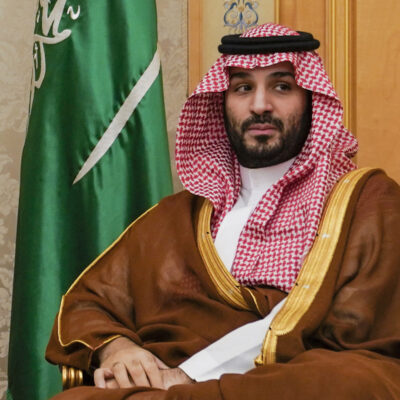
MBS bet Saudi Arabia’s future on economic transformation. The Houthis are testing that wager
PROBLEMATIC POST
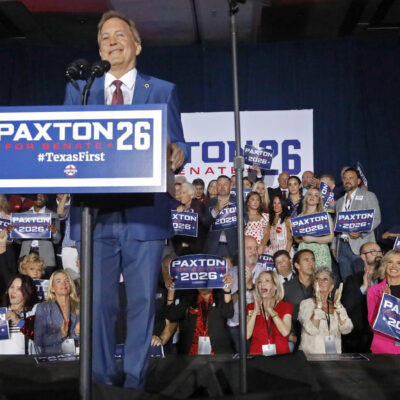
Paxton senior advisor endorsed antisemitic slur on social media
EMPIRE STATE FEUD
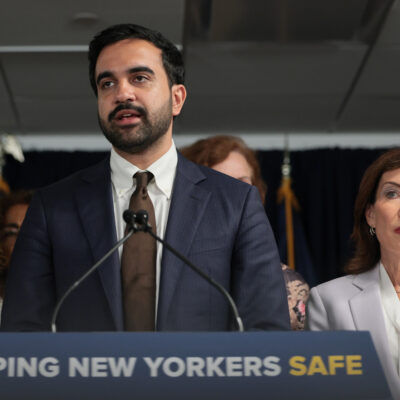
Mamdani rips Blakeman’s claims he wouldn’t protect Jews as ‘directly racist’
meeting minutes
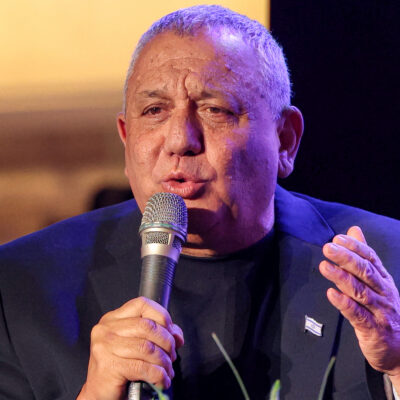
Huckabee met secretly with Netanyahu’s top rival, Gadi Eisenkot
Please log in if you already have a subscription, or subscribe to access the latest updates.
 Continue with Google
 Continue with Apple