




















































Netanyahu hopes to ensure Trump addresses the most urgent threat from Iran: ballistic missiles
Any deal that does not include significant limitations on the range of Iran’s ballistic missiles will be woefully inadequate from Israel’s perspective
Joe Raedle/Getty Images
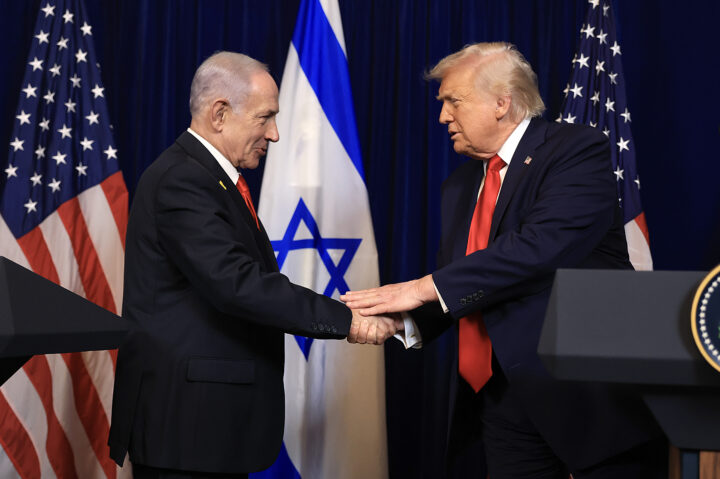
President Donald Trump shakes hands with Israeli Prime Minister Benjamin Netanyahu during a press conference at his Mar-a-Lago club on December 29, 2025 in Palm Beach, Florida.


 Add JewishInsider on Google
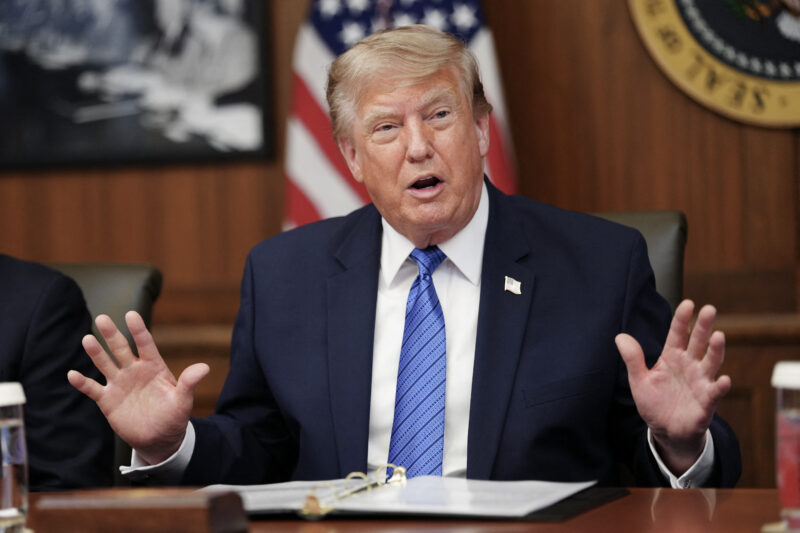
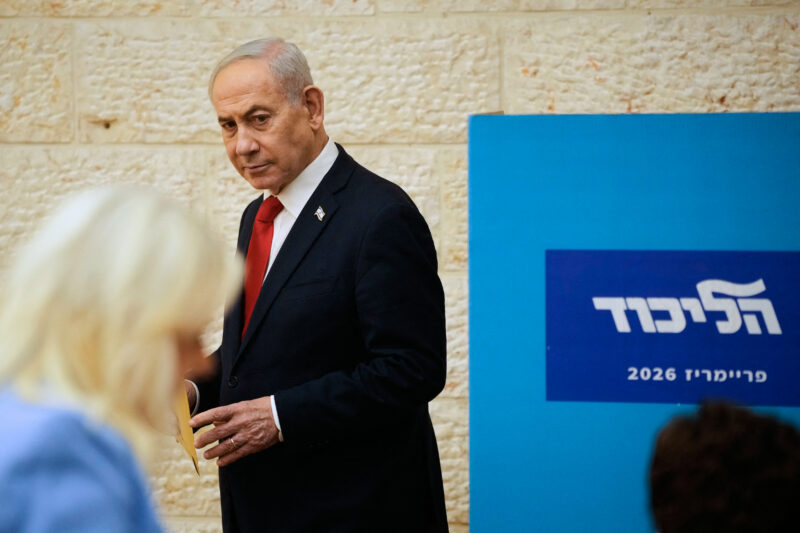
Israeli Prime Minister Benjamin Netanyahu plans to fly to Washington for a Wednesday White House meeting amid increasing concern in Jerusalem that the U.S. and Iran are headed towards a nuclear deal that does not meet Israel’s immediate security need — to drastically limit Iran’s ballistic missile program.
After the first round of indirect negotiations in Oman on Friday, President Donald Trump told reporters on Air Force One that talks had been “very good” and that “Iran looks like it wants to make a deal very badly.”
Asked about Iran’s demand that the talks only be about nuclear weapons, Trump said, “That would be acceptable. One thing, right up front, no nuclear weapons. … They weren’t willing to do that [last year]; now they are willing to do much more.” That message contrasted with Secretary of State Marco Rubio’s remarks from last week, that “in order for talks to actually lead to something meaningful, they will have to include certain things, and that includes the range of their ballistic missiles, that includes the sponsorship of terrorist organizations across the region, that includes the nuclear program and that includes the treatment of their own people.”
Netanyahu announced the urgent meeting with Trump, less than two months after they last met at Mar-a-Lago, with a statement that said: “The Prime Minister believes any negotiations must include limitations on ballistic missiles and a halting of the support for the Iranian axis.”
For Israel, while the Iranian nuclear program may be the biggest threat, Operation Midnight Hammer did enough damage that the ballistic missiles are the more urgent concern, one that Iran has been threatening to use against Israel if the U.S. launches an attack.
Though Israel destroyed hundreds of missiles, launchers and production sites during the 12-Day war last June, most of Iran’s missiles remained intact. The prime minister presented the president with evidence during their December meeting that Iran has been working to rebuild its ballistic missile program and air defenses with help from China and Russia.
Any deal that does not include significant limitations on the range of Iran’s ballistic missiles will be woefully inadequate from Israel’s perspective. Plus, as Netanyahu’s office said on Saturday, Israel wants a deal that addresses Iran’s sponsorship of terrorist proxies like Hamas and Hezbollah.
Trump said in December that he would give Israel a green light to strike Iran’s missile program – and a “fast” one if the Islamic Republic rebuilds its nuclear program. And a U.S. military threat still stands, with Trump telling reporters on Friday: “We have a big armada, a big fleet heading in that direction that will be there soon, so we’ll see how that works out. … If they don’t make a deal, the consequences are very steep.” The White House also announced on Friday new secondary sanctions on countries doing business with Iran, in the form of increased tariffs.
However, Trump also told reporters that he is in “no rush” to reach a deal. The president is less likely to green-light Israeli strikes while he still has Special Envoy Steve Witkoff negotiating with Iran. At the same time, nothing is stopping Iran from continuing to produce more medium- and long-range ballistic missiles in tandem with the talks.
Sen. Lindsey Graham (R-SC) expressed skepticism that the negotiations would bring about an acceptable agreement and noted the legal requirement to bring any such deal before Congress, writing on X: “I hope it can meet our national security objectives and the needs of the people of Iran through diplomacy. Given Iran’s behavior regarding deals, it could be a tough sell. However, I am open-minded, understanding [that] any agreement with the Islamic Republic and the United States must come to Congress for review and a vote.”
The Netanyahu-Trump meeting this week is politically tricky for both sides, as well. If Trump continues to pursue a nuclear-only deal that doesn’t meet Israel’s needs, while holding Israel back from striking Iran, the prime minister will look weak in an election year. If Trump continues to push the missiles and proxies issues, Tehran is even less likely to accept a deal and the U.S. and Iran may once again be brought to the brink of a military confrontation. That could lead to accusations that Trump is being unduly influenced by Netanyahu – though such claims from “kooky Tucker Carlson” and his ilk have not seemed to bother Trump much in similar past circumstances.

Please log in if you already have a subscription, or subscribe to access the latest updates.
 Continue with Google
 Continue with Apple