
















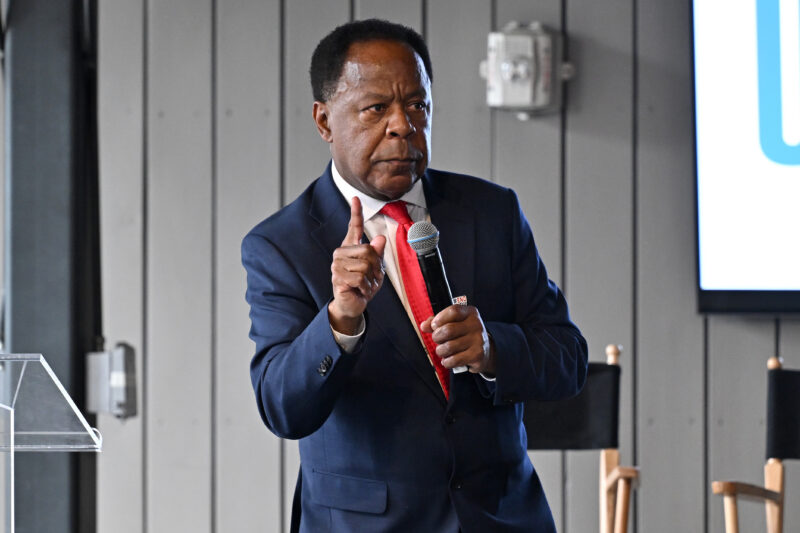









‘Too many Jewish students and educators at too many MCPS schools continue to face too many threats,’ said COO Guila Franklin Siegel
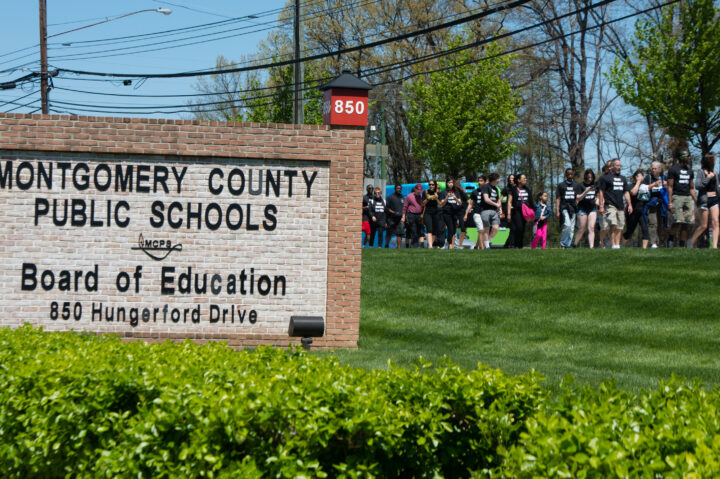
Sarah L. Voisin/The Washington Post via Getty Images
Montgomery County Public Schools building on April 27, 2014.


 Add JewishInsider on Google
The leading Jewish advocacy group representing the Washington, D.C., area is raising the alarm on a uniquely high rate of antisemitic incidents in Maryland’s Montgomery County public school system.
Guila Franklin Siegel, chief operating officer at the Jewish Community Relations Council of Greater Washington, said Tuesday that the JCRC is receiving “significantly higher” reports of antisemitism out of MCPS, located just outside of Washington, than others in the region.
Montgomery County’s public school system is the largest school district in the state and hosts a sizable Jewish student population.
The statement comes amid a new report from the Anti-Defamation League showing that Maryland ranked ninth in total antisemitic incidents nationwide in 2025, two-thirds of which occurred in Montgomery County. Among the top ten states with total incidents, Maryland ranked first in the percentage of incidents occurring at K-12 schools, at 34%.
“While the details vary, these incidents reveal a harsh truth: too many Jewish students and educators at too many MCPS schools continue to face too many threats,” said Franklin Siegel, whose statement came the day after JCRC leadership met with MCPS Superintendent Thomas Taylor and his senior management team.
Incidents in recent months include anti-Jewish and anti-Israel graffiti on school walls, most recently at Greenwood Elementary School last weekend; inflammatory anti-Israel messaging at Olney Elementary School’s recent cultural night; “Heil Hitler” gestures and speech occurring at middle school events; and, according to JCRC, “physical threats and harassment directed toward Jewish students at multiple schools.”
Franklin Siegel said MCPS and JCRC leadership discussed “progress on the steps MCPS needs to take to protect Jewish students, educators, and staff.”
“Our messages were simple: MCPS must establish a zero-tolerance policy on antisemitism and other forms of hatred and bias; train and empower administrators and teachers to correctly identify and respond to antisemitism; and rigorously enforce disciplinary codes, making it clear that anyone who engages in antisemitic or other hateful behavior will face meaningful consequences,” Franklin Siegel said.
MCPS said it “will be in compliance with recently adopted state law requiring anti-bias training for school educators and staff” starting in August, according to Franklin Siegel.
The school district also committed “to improv[ing] school participation rates in JCRC’s gold-standard Student to Student and Holocaust speakers’ programs” and to “drafting specific guidelines for culture and international nights. The district must ensure these events are safe and educational for all students and families, not political battlefields,” she added.
But Franklin Siegel called on the school district to go further in protecting Jewish students.
“MCPS should follow the lead of other schools in our area by incorporating specific antisemitism training as well,” she said. “More lessons about Jewish history beyond antisemitism and the Holocaust should be included in its curricula. And given that bias incidents are so often connected to the proliferation of hate speech online, MCPS also needs to discipline students who harass and bully Jewish students on social media accounts, even when those accounts are not formally affiliated with schools. The district has that authority, and principals must enforce it.”
MCPS, which serves over 156,000 students, did not respond to a request for comment from Jewish Insider.
The DC area’s Jewish community council calls for the offending students to be disciplined
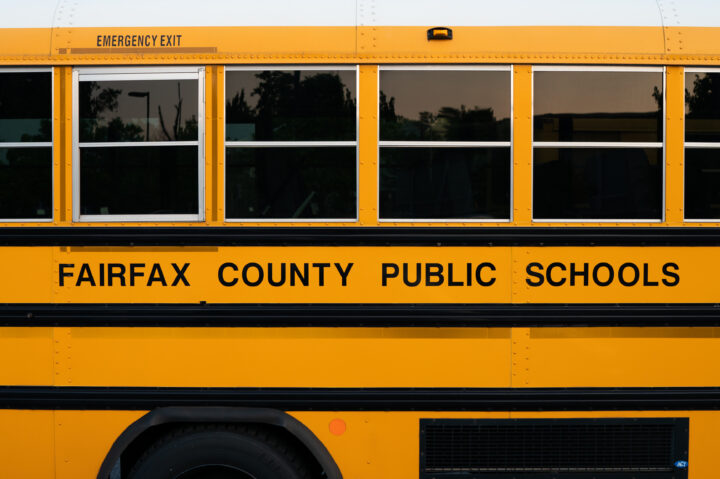
Fairfax County Public Schools bus is seen outside of Lutie Lewis Coates Elementary School in Herndon, Virginia.
The Fairfax County public school system denounced two high schools’ Muslim Student Association chapters on Monday for publishing social media videos that imitate hostage-taking and depict violence as part of a recruitment pitch to attract participants to their programming.
The school system, in a statement to Jewish Insider, said that if the involved students are found to have violated school conduct codes, they will be “held accountable for their actions.” But they announced no disciplinary measures yet, despite widespread outcry from Jewish community leaders in the Northern Virginia suburb.
“FCPS has been made aware of social media videos featuring high school student organization members that are neither school nor division approved,” a spokesperson for the school district told JI. “These videos depict violence, including kidnappings, with victims being hooded and placed in the trunk of a car, among other things. Acting out these types of violent acts is traumatizing for many of us to watch and, given world events, especially traumatizing to our Jewish students, staff, and community.”
The statement goes on: “FCPS would never consider these videos to be appropriate or acceptable content. Any students found to be violating our Student Rights and Responsibilities will be held accountable for their actions.”
The videos were published on Instagram last week by MSA chapters at two elite FCPS schools, Langley High School and Thomas Jefferson High for Science and Technology. Both videos invited students to join a club meeting and pretended to kidnap those who did not want to participate.
The Langley MSA video, which portrayed a kidnapping of students by throwing them into the trunk of a car, has since been deleted.
The Thomas Jefferson MSA clip, which was taken offline after JI reported its existence Monday afternoon, was filmed in a classroom where a student wearing a keffiyeh asks other students if they plan to attend the meeting. When two students say no, two other students approach them, cover their heads with keffiyehs and carry them away to the other side of the room, as they pretend to scream that they are being kidnapped.
In the following scene, the two students say they are attending, one of whom is wearing a sweatshirt with an outline of Israel, the West Bank and Gaza filled in with the colors of the Palestinian flag. The video ends showing the “kidnapped” students laying down, one on the floor and one in a plastic bin, and text that says, “no one was harmed in the making of this video.”
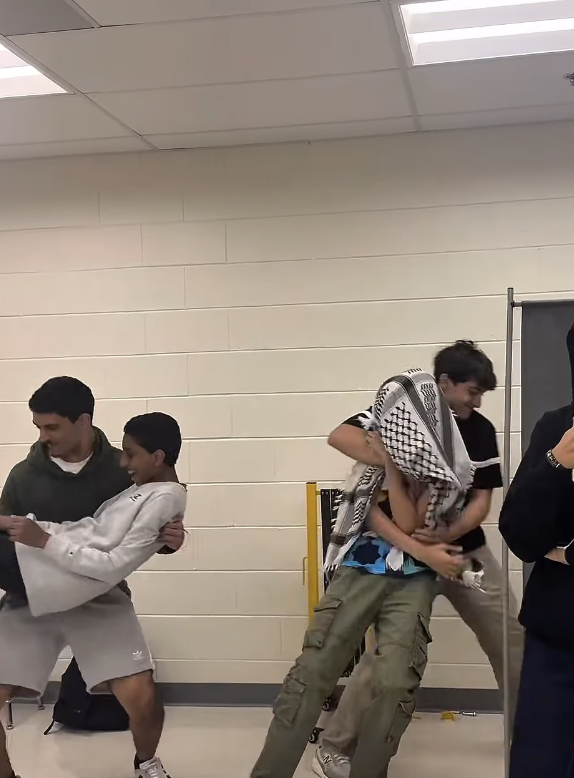
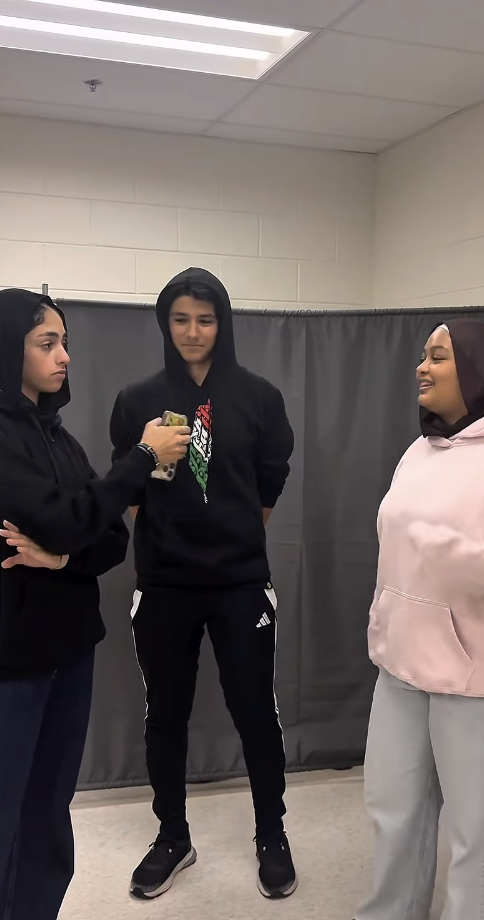
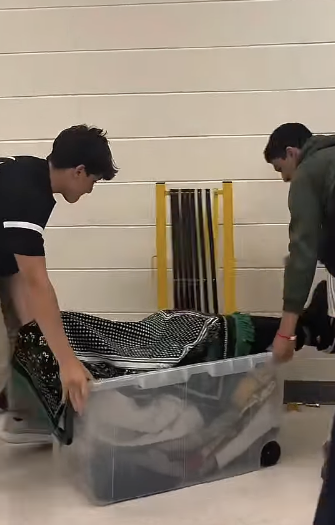
Langley High School administration did not respond to JI’s request for comment about the video, while Thomas Jefferson High School for Science and Technology administrators declined to comment, redirecting the inquiry to the county.
“We are appalled that some FCPS high school students used unauthorized social media accounts bearing FCPS school names to imitate hostage-taking and violent deaths. It is never appropriate to make light of such horrific acts, but it is especially callous and cruel to do so when Hamas continues to hold the bodies of deceased Israeli hostages more than two years after committing the worst mass murder of Jews since the Holocaust,” Guila Franklin Siegel, the JCRC of Greater Washington’s chief operating officer, told JI.
“The trauma that all families impacted by the Israel-Hamas war have experienced over the past two years remains fresh. Making light of violence during a time of war is beyond the pale.”
“FCPS must determine whether students have violated school conduct codes with this behavior, and if so, discipline them accordingly,” continued Siegel. “The district should take any steps necessary, including legal action if needed, to ensure that school names, images, and logos do not appear on unauthorized social media accounts. School officials must communicate transparently and with moral clarity to the entire school system about these incidents. All people of goodwill should be horrified by this.”
Siegel called the school system’s response to several recent antisemitic incidents “slow and nontransparent,” and urged FCPS to “do more to properly address such behavior.”
The MSA posts come weeks after students at several Muslim student organizations at Fairfax County high schools organized “Keffiyeh Week” protests timed to the second anniversary of the Oct. 7, 2023, Hamas terrorist attacks, encouraging classmates to wear the scarf associated with the Palestinian movement.
The book imparts the lesson of teaching children there are consequences for taking things that don’t belong to them
Sarah L. Voisin/The Washington Post via Getty Images
Montgomery County Public Schools building on April 27, 2014.
A book that centers on Palestinian identity is drawing controversy from some Jewish parents in the Montgomery County, Md., public school system after it was assigned to first grade students as required classroom reading, Jewish Insider has learned.
The book,“Tunjur! Tunjur! Tunjur! A Palestinian Folktale,” written by Margaret Read MacDonald, aims to convey a message to children that there are consequences for taking things that don’t belong to them. It tells the story of a woman who “prayed to Allah” for a child and received a pot as her child. The pot, too young to know right from wrong, had a tendency to steal honey from the marketplace and jewels from the king — until she got caught. As punishment, she was filled with muck. “I hope you’ve learned your lesson,” the pot’s mother tells her. “You cannot take things that do not belong to you.”
While the book does not mention Israel, local Jewish leaders and parents voiced concern that the required book’s subtext sends an anti-Israel message to elementary schoolers and that the reference to “Allah” does not belong in a public school setting.
A syllabus notes that students can receive supplemental reading materials if “any instructional material conflicts with your family’s sincerely held religious beliefs.”
The book’s lesson that “‘you cannot take things that do not belong to you’ echoes activist rhetoric that falsely casts Israel as an oppressor and the Jewish people as imperialist rather than indigenous,” Dana Stangel-Plowe, chief program officer at the North American Values Institute, a nonprofit that monitors antisemitism in K-12 schools, told JI.
“It reinforces a false narrative that erases the historic Jewish connection to Israel. It sends a troubling message to Jewish families during a time of rising antisemitism,” Stangel-Plowe told JI.
Not all Jewish communal leaders agreed that the book was problematic. Guila Franklin Siegel, chief operating officer of the Jewish Community Relations Council of Greater Washington, argued that Jewish families should embrace the book.
“If the only complaint about this book is that it’s sharing a Palestinian folktale that teaches children not to take things that don’t belong to them, I can’t see what the problem with the book is,” Franklin Siegel told JI. “It will be a shame if Jewish people wind up objecting to books only because they have protagonists who happen to be Palestinian.”
“There may well be books and materials that do misinform students about the Israeli-Palestinian conflict, and we always monitor that work,” said Franklin Siegel. “If we turn this into a back and forth where parents are requesting opt-outs for any material that they don’t see eye-to-eye with, we’ll wind up in a situation where we’re seeing a significant number of students whose parents are requesting opt-outs for things like Holocaust speakers.”
Meanwhile, Margery Smelkinson, a parent of four MCPS students, told JI that she would have preferred the district find a children’s book that teaches not to steal “without causing controversy.”
“The real problem is that MCPS chose a book that even requires an opt-out form — why not just pick another book?”
Smelkinson called on the school district to prioritize helping students get up to speed in reading, math and science instead of “creating more barriers to learning.”
“I’m concerned and curious if my child was introduced to [similar rhetoric] last year,” Diana Tung, the parent of an MCPS second grader and kindergartener, told JI. “I assume in a public school setting there’s going to be pretty diverse spiritual beliefs [but] the context of the tale itself [concerns me]. The themes should be taught using a different folktale, I’m pretty confident there are plenty.”
“Books and materials approved to be available for use in classrooms, beyond being in alignment with curriculum standards, are selected to be representative of our very diverse community,” Christopher Cram, a spokesperson for the suburban Washington school system, which is the 15th-largest school district in the country and educates a significant number of Jewish students, told JI. “Students and families expect to be able to see themselves in the materials we use.”
The school system has faced several antisemitic incidents since Hamas’ Oct. 7, 2023, terrorist attacks, leading to the school board president, Karla Silvestre, being subpoenaed to testify at a congressional hearing in May 2024. Weeks after the hearing, at least six MCPS school buildings — including three elementary schools — were vandalized with antisemitic graffiti.
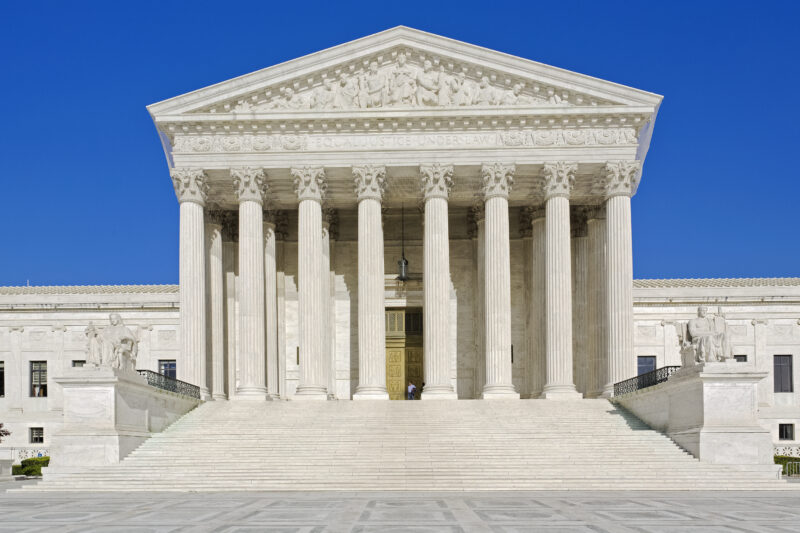
The assignment of the Palestinian folktale as required reading comes two months after the Supreme Court ruled in Mahmoud v. Taylor that MCPS must allow parents to opt their children out of lessons and books that feature LGBTQ+ themes if the material conflicts with their religious beliefs.
Please log in if you already have a subscription, or subscribe to access the latest updates.
 Continue with Google
 Continue with Apple