












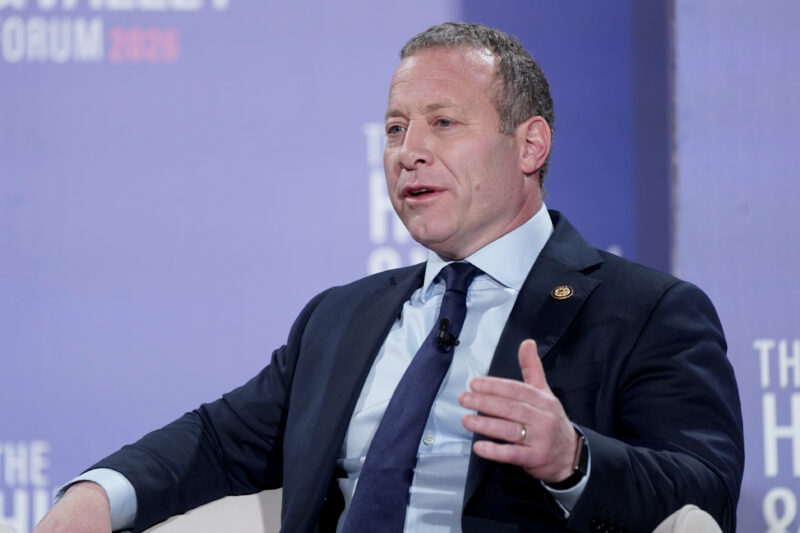
















The announcement comes several months after some alumni raised concerns about Les Wexner's past ties to Jeffrey Epstein
Stephen Lovekin/WWD/Penske Media via Getty Images
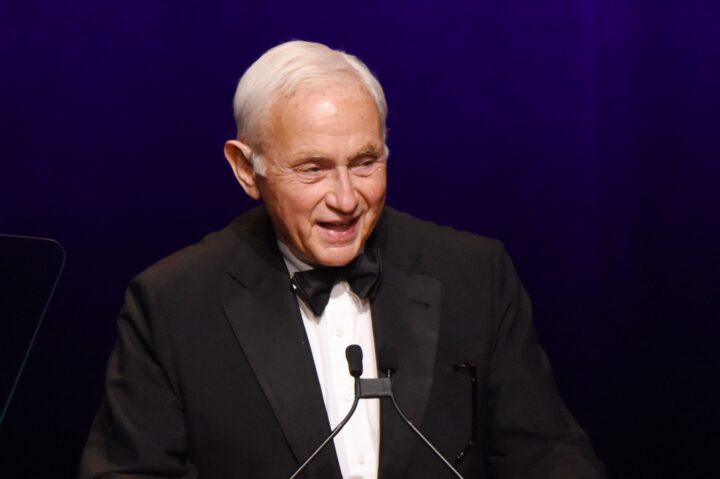
Les Wexner (Photo by Stephen Lovekin/WWD/Penske Media via Getty Images)


 Add JewishInsider on Google
The Wexner Foundation told alumni on Thursday that it will spin off its flagship leadership programs into an independent nonprofit, marking a major development within the Jewish philanthropic landscape that comes as the foundation’s benefactor, Les Wexner, continues to face pushback for his past ties to financier Jeffrey Epstein.
Wexner, the founder of the commerce empire L Brands, became one of the Jewish community’s best-known philanthropists over the past four decades as he developed and funded a range of programs to support emerging professional and lay leaders in the Jewish philanthropic world.
Wexner Foundation President Rabbi B. Elka Abrahamson said in a Thursday email that the foundation’s North American leadership programs will be moved to a new nonprofit beginning next year with a $40 million gift from Wexner and his wife, Abigail. Abrahamson told the Wexner alumni that the spin-off was a long time in the works.
“We have long imagined a time when our leadership programs would operate on their own and pursue new opportunities for growth and impact. That time has come,” Abrahamson wrote in the email, which was obtained by Jewish Insider.
The foundation’s leadership development programs have for decades been among the most prominent and prestigious fellowships in the Jewish world, helping leading rabbis, educators and Jewish communal professionals earn graduate degrees and providing professional development and educational opportunities to generations of lay leaders.
Wexner has in recent years faced scrutiny for his close relationship with Epstein, who for a period of time was granted power of attorney over Wexner’s affairs in the 1990s and early 2000s. Wexner cut ties with Epstein in 2007, a year after Epstein was first indicted on sex crimes charges.
The announcement comes three months after the Wexner Foundation began hosting listening sessions for alumni to be able to raise concerns and ask questions about Wexner as he faced continued scrutiny — most recently in the form of a congressional deposition at his home near Columbus, Ohio earlier this year — for his relationship with Epstein.
Since Epstein was indicted in 2018 on sex trafficking charges, Wexner’s alumni networks have been grappling with the once-close relationship between Wexner and Epstein, though Wexner has maintained that he was unaware of Epstein’s illicit behavior.
When asked if the change was prompted by those listening sessions or the recent public conversation about Wexner, a spokesperson pointed to the letter, which said it had been under consideration for a long time.
Abrahamson announced that Wexner will shift the focus of his personal foundation to supporting Jewish programming in his hometown of Columbus and in Israel.
The foundation’s vice presidents, Rabbi Jay Moses and Or Mars, will lead the new organization, with Moses serving as president and Mars serving as executive vice president. The organization will be overseen by a new board of directors that is “in formation.”
The influential philanthropist also praised Spain for refusing to allow the U.S. to use joint bases and called on other European countries to do the same
Elisa Schu/picture alliance via Getty Images
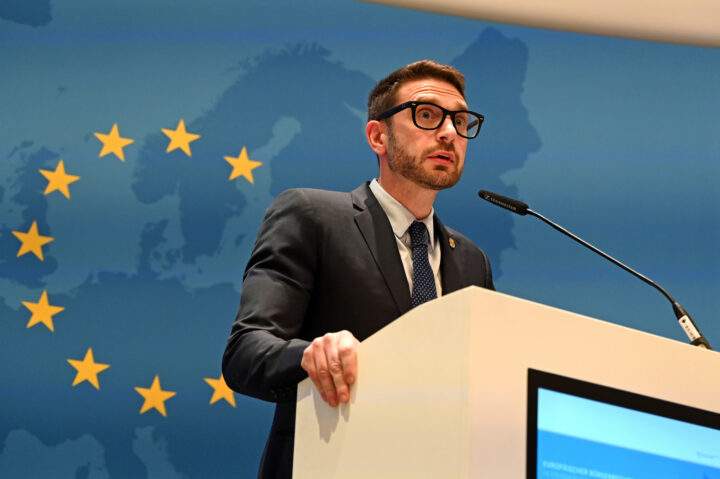
Alex Soros speaks during the presentation of the European Civil Rights Prize for Sinti and Roma on Oct, 23 2025.
The left-wing philanthropist Alex Soros on Monday boosted a social media post from Max Blumenthal, a prominent anti-Israel conspiracy theorist who has spread misinformation questioning Hamas’ atrocities on Oct. 7, 2023, while promoting sympathetic coverage of Iran and Russia as well as the toppled Assad regime in Syria, among other authoritarian countries.
While the content of Blumenthal’s X post was relatively benign, citing a Washington Post report on concerns over American military casualties in the ongoing Iran war, Soros’ decision to elevate a known conspiracy theorist raises questions about the media sources he consumes, as he now leads a multi-billion-dollar grantmaking network that has funded a range of groups and causes shaping views on the Middle East.
Soros, one of the progressive movement’s most influential donors, has been outspoken against President Donald Trump’s unilateral decision to attack Iran in a joint operation with Israel, praising Spain for refusing to allow the U.S. to use bases on its soil and reprimanding other European countries for not doing the same.
“Why aren’t more Europeans standing up to an illegal war! Same with Canada! They make nice speeches at conferences, but do little,” Soros wrote on X on Monday, saying Spain is “becoming the leader of the free world.”
The Open Society Foundations, which Soros, 40, inherited in 2023 from his father, the billionaire philanthropist George Soros, recently contributed $250,000 to establish a Middle East desk at Drop Site News, a media outlet that frequently publishes hostile coverage of Israel and credulous interviews with Hamas leaders. Drop Site has also amplified Blumenthal’s commentary.
Blumenthal, for his part, has spread false claims about the Hamas attacks — denying widespread evidence of sexual violence and suggesting Israel killed most of the victims during the massacre. He has pushed propaganda denying Syrian war crimes and China’s genocide of its Uyghur population. He regularly promotes pro-Kremlin talking points and appears on Russian television. A top editor for The Grayzone, his website, has received payments from Iranian media, according to The Washington Post.
After this story was published, a spokesperson for the Open Society Foundations told Jewish Insider that Soros had been unaware of Blumenthal’s background when he shared the post and was trying to highlight the Post’s reporting. He has since deleted the message from his X profile and shared a separate link to the same article.
A fact sheet posted to the Open Society website explicitly states the network does “not support Hamas,” saying “false accusations that are being repeated in some media circles in the United States” are “untrue.”
In January 2024, Soros, who is Jewish, wrote in an essay on his efforts to counter antisemitism that Open Society “has supported a diverse group of partners” with “different views on Israel and Palestine and what the peaceful resolution of the historic conflict might look like.”
“Their common bond: their belief that antisemitism — and also the disingenuous weaponization of the term to silence debate — presents a grave threat to democracy,” he added.
In addition to J Street, the progressive Israel advocacy group that is among the network’s top Middle East-related recipients, Open Society has given to organizations that have backed the Boycott, Divestment and Sanctions movement, according to NGO Monitor.
More recently, Soros has voiced support for New York City Mayor Zohran Mamdani, a vocal critic of Israel who has long endorsed BDS campaigns.
Blumenthal, meanwhile, has also previously aimed his conspiratorial eye at Soros himself, claiming in a social media post shortly after the 2024 presidential election that the philanthropist “might have been an X factor in Trump’s victory.”
Story updated on March 4 at 9:55 a.m.
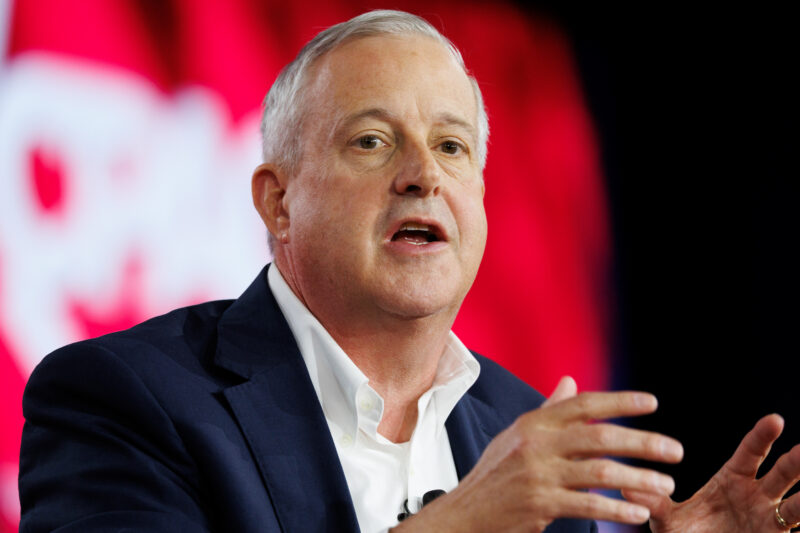
Candidate Anthony Driver Jr. said he would return donations by philanthropist Michael Sacks over his ties to AIPAC; Sacks called it ‘truly sad’
Vernon Yuen/NurPhoto via Getty Images
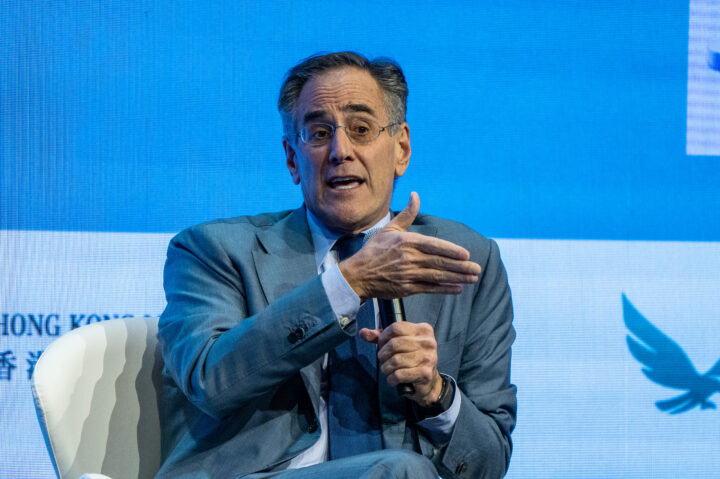
Michael J. Sacks at the Global Hong Kong Global Financial Leaders Investment Summit on October 8, 2023 in Hong Kong, China.
A prominent Jewish Chicago-area Democratic donor and philanthropist lamented rising anti-Israel sentiment and antisemitism after a progressive Illinois congressional candidate issued a public statement saying he would reject the donor’s contribution to his campaign due to his ties to AIPAC.
Union organizer Anthony Driver Jr. is running in Illinois’s 7th Congressional District, on a platform critical of Israel and in opposition to AIPAC. He said in a statement that he would return a contribution by Michael Sacks, a local Jewish, pro-Israel philanthropist and Democratic donor who had been a prominent supporter of former President Barack Obama and close ally to Chicago Mayor Rahm Emanuel. Sacks also chaired the 2024 Democratic National Convention host committee and raised nearly $100 million to put on the convention.
“Michael Sacks has supported community violence intervention work in Chicago for years. I served nearly four years as President of the Chicago Community Commission for Public Safety and Accountability, helping advance real public safety reform,” Driver said. “The first time I heard about any link between Michael Sacks and AIPAC was on the debate stage. As I said on that same stage, I will return the contribution.”
Sacks, in response, pointed to public anti-Israel and antisemitic currents as pushing Driver, who has been endorsed by the Congressional Progressive Caucus PAC, to take such a position.
“It is truly sad there is so much anti-Israel sentiment and outright Jew hate that Anthony found himself in this position,” Sacks said in a statement to the Chicago Tribune. “I can only hope that the electorate rejects hate in all forms.”
Sacks said he asked Driver to contribute the donations to a community violence prevention group of his choosing, calling Driver a “pragmatic [progressive]” and praising his work on violence reduction.
On the campaign trail, Driver has railed against AIPAC and spending by its super PAC, supporting one of his rivals, Chicago Treasurer Melissa Conyears-Ervin. Conyears-Ervin faced attacks by several of her opponents about her support from AIPAC’s super PAC during a candidate forum last week.
Driver also states on his campaign website that he supports efforts to restrict offensive weapons transfers to Israel, including the Block the Bombs Act, and the recognition of Palestinian right of return.
Driver’s unwillingness to even accept support from a pro-Israel donor underscores the deepening hostility to Israel and its supporters in certain Democratic circles. As part of their anti-Israel campaign, progressives are working to make campaign contributions from individuals who have supported pro-Israel causes unacceptable — even if they haven’t been directly connected with AIPAC.
Benjamin Landa’s confirmation process could be a tricky one — for multiple reasons
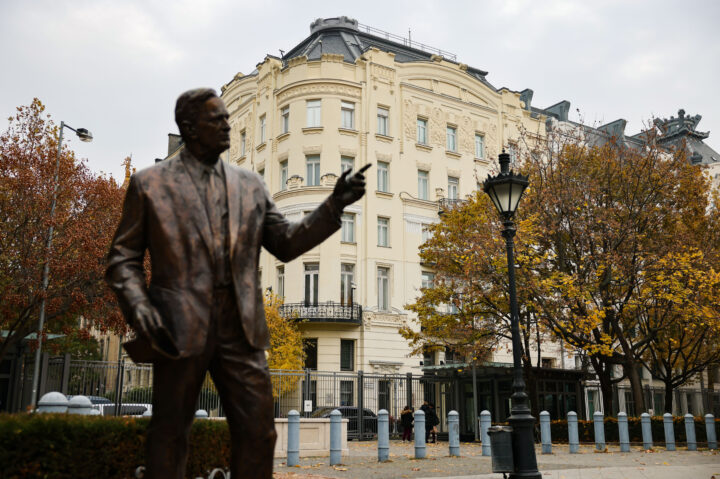
Christian Charisius/picture alliance via Getty Images
A statue shows former President George H. W. Bush in front of the Embassy of the United States of America in Budapest.
Benjamin Landa, a New York businessman and the son of a Holocaust survivor, was nominated in October to be the U.S. ambassador to Hungary — a delicate assignment given tensions over the U.S.’ relationship with the country.
Landa, 69, is a yeshiva graduate and well-known philanthropist supporting Jewish, Israeli and other causes, including as founder of the Chabad of Port Washington. His father, Yehoshua Boruch Landa, served as a rabbi in prewar Czechoslovakia and survived the Nazi regime, but most of his family, who resided in Hungary, were killed in the Holocaust, according to Newsday.
“My father, despite all the horrors he went through, he never lost his humanity, he never lost his sense of humor,” Landa told the New York Post. “It taught me the idea of resilience and starting from scratch – starting all over from the depths of hell to rise like a phoenix and that was my father – he never gave up.”
He’s also been a prominent donor to Republican political causes, and met in the Oval Office with President Donald Trump and advisor Roger Stone earlier this year. Landa was reportedly actively pursuing the role during that White House meeting.
He also met with right-wing Israeli National Security Minister Itamar Ben Gvir during the Israeli official’s visit to the United States in April.
But Landa’s confirmation process could be a tricky one — for multiple reasons.
Landa and his business, SentosaCare, have been dogged by a series of scandals. Nursing homes affiliated with Landa’s company have repeatedly faced fines, violations and complaints over allegations of insufficient care, among other issues. A federal judge ruled in 2019 that Landa and his business partner had violated human trafficking laws, using threats to coerce more than 200 nurses to remain in their jobs.
In 2022, New York Attorney General Letitia James sued Landa, various business partners and a nursing home of which he was a part owner for “repeated and persistent fraud and illegality … including but not limited to violating several laws designed to protect nursing home residents and cutting necessary staffing in order to further enrich the owners and their families.”
Landa has disputed such allegations and sued media outlets that have alleged wrongdoing or mistreatment of patients in the past. Some lawmakers may bring up the scandals at Landa’s as-yet-unscheduled confirmation hearing.
Additionally, while the Trump administration and other conservatives have forged close relationships with Hungarian President Viktor Orbán, other Republicans have been deeply critical of Orbán and his government, particularly due to the Hungarian leader’s hostility to NATO and the Ukraine war.
In 2023, Sen. Jim Risch (R-ID), the chair of the Senate Foreign Relations Committee, blocked arms sales to Hungary over its refusal to approve Sweden’s entry into NATO.
Landa could face questions at his hearing on how he’ll navigate that relationship and work to persuade Hungary to cooperate with the U.S. on Ukraine and other priorities.
The American Eagle CEO is building a legacy in business — and in Jewish giving
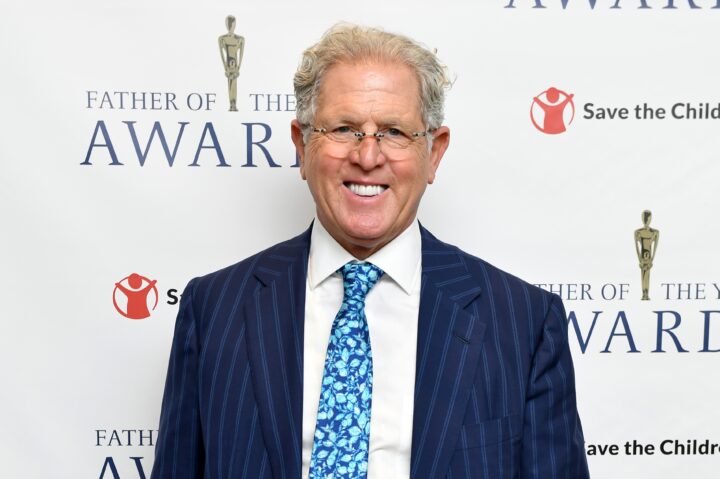
NEW YORK, NEW YORK - JUNE 14: Jay Schottenstein attends the 80th Annual Father of the Year Awards on June 14, 2022 in New York City. (Photo by Noam Galai/Getty Images)
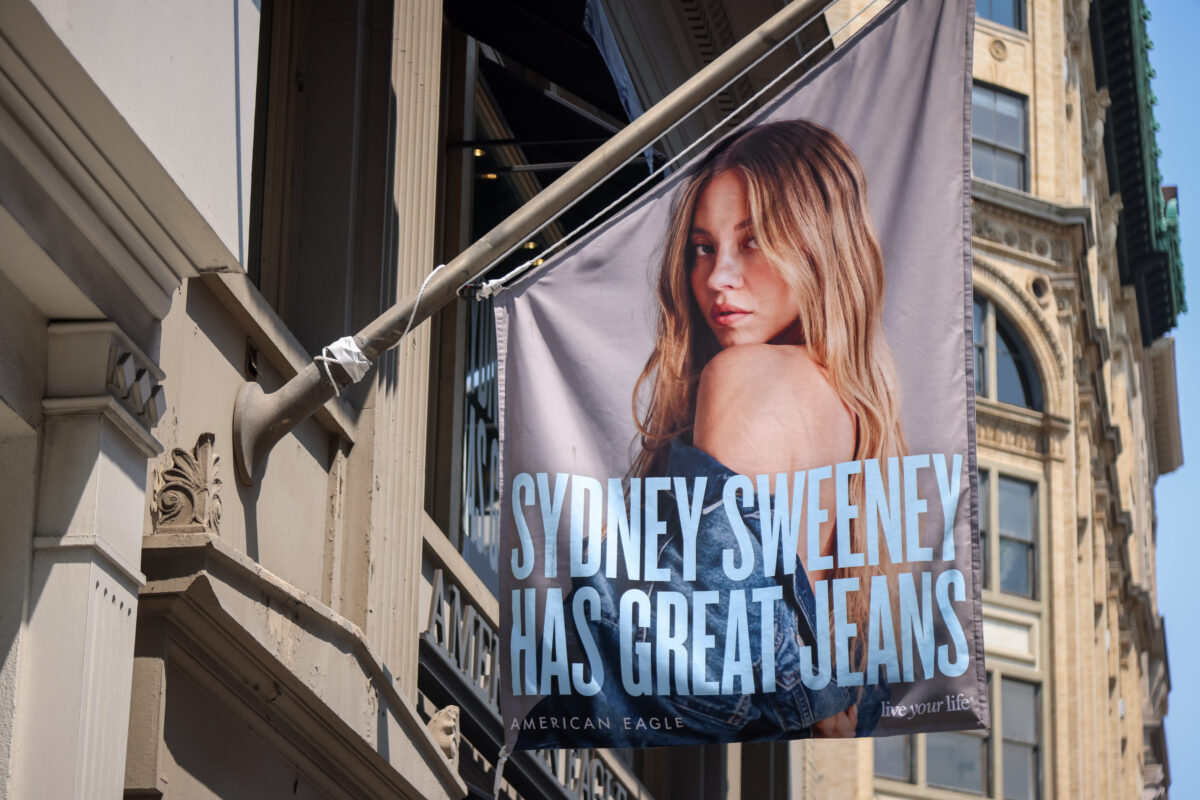
In the recent viral debate surrounding American Eagle’s “great jeans” ad campaign with Sydney Sweeney, which used a double entendre that drew accusations of promoting eugenics, it seemed many critics overlooked that the clothing retailer’s chief executive is a leading Jewish philanthropist who has long been committed to fighting antisemitism.
It was the sort of irony befitting Jay Schottenstein, 71, a mild-mannered billionaire entrepreneur from Columbus, Ohio, who oversees a sprawling business network that, in addition to American Eagle, includes DSW, the designer shoe chain he leads as executive chairman, among other holdings in wine, real estate and furniture.
But outside of philanthropic circles — where he is widely recognized as one of the most consequential sponsors of Jewish causes in the United States and Israel — his relatively private lifestyle has otherwise obscured his long-standing dedication to a range of issues including educational efforts, archeological research and translations of ancient Jewish texts.
“I think most people really don’t know who he is,” said Brad Kastan, a Jewish Republican donor who lives in Columbus and has long been friendly with Schottenstein. “He kind of keeps a low profile.”
Still, Schottenstein, who is Modern Orthodox, remains “accessible,” according to Kastan. The retail mogul, he told Jewish Insider, often can be seen walking to synagogue on Shabbat from his home in Bexley, a Columbus suburb, to attend Congregation Torat Emet, which he has endowed. “Because he’s a proud observant Jew,” Kastan added, Schottenstein “literally walks from Bexley to Ohio State, which has got to be six or seven miles, to go to football games on Shabbos.”
Meanwhile, Schottenstein, whose family is friendly with President Donald Trump, is a major player in Ohio politics, contributing to candidates from both parties, even as he largely favors Republicans. Most recently, he has donated to Vivek Ramaswamy, who is the likely GOP nominee in next year’s Ohio governor’s race.
For years, Schottenstein, who was instrumental in lobbying for legislation to allow Ohio to buy Israel bonds, has been a go-to resource among pro-Israel candidates looking for guidance on key issues about the Middle East. “If you support Israel and you’re running for office and you’re looking for advice or support in the Jewish community in central Ohio,” said Kastan, “you’re going to find your way to Jay’s office.”
The Ohio benefactor has built deep ties to Israel, where the National Campus for the Archaeology of Israel, which is under construction, bears his name. Ehud Olmert, the former Israeli prime minister, has called him a friend, and he was a top contributor to Israeli Prime Minister Benjamin Netanyahu’s 2015 reelection bid. American Eagle also operates dozens of stores in Israel.
Schottenstein, who has said he was in Israel during the Oct. 7, 2023, Hamas attacks, has stepped up his efforts to support the Jewish state in the aftermath of the incursion. He has led donations to victims of the attacks and co-founded a fund to lend financial support to families of IDF soldiers killed in the war in Gaza, among other things.
“You watch what’s going on in Israel, how everyone’s pulling together, and there’s a lot of pain,” Schottenstein said in a podcast interview last year. “I mean, this is real pain to the Jewish people. In my lifetime, I don’t think we’ve ever experienced a war like this — never experienced a time like this. But thank God, we have a strong Israel. We have a strong sense of being.”
Through his foundation, which he leads with his wife, Jeanie, whom he met at Hillel as an undergrad at Indiana University, Schottenstein has supported a growing number of Jewish institutions. These include Chabad, Agudath Israel, Hillel, Hadassah, Yeshiva University and United Hatzalah, the latter of which honored him with a humanitarian award last year.
Howie Beigelman, president and CEO of Ohio Jewish Communities, which represents the state’s eight Jewish Federations and affiliated nonprofit agencies, said that the “Schottensteins broadly are among the most generous and committed givers today,” adding that “their giving also now includes their children and grandchildren in an unmatched dedication to Jewish causes close to home and across the globe.”
Eli Beer, the founder of United Hatzalah, an Israeli emergency medical services volunteer organization, told JI that he has known Schottenstein and his wife for 18 years.
“I can say with certainty that the most important value for them is tikkun olam, repairing the world and making it a better place,” Beer explained. “Eighty percent of our conversations and time together, whether at their home for a weekend or just visiting, revolve around charity and how they can help more people in education, health and even sports, especially those who are underprivileged.”
Howie Beigelman, president and CEO of Ohio Jewish Communities, which represents the state’s eight Jewish Federations and affiliated nonprofit agencies, said that the “Schottensteins broadly are among the most generous and committed givers today,” adding that “their giving also now includes their children and grandchildren in an unmatched dedication to Jewish causes close to home and across the globe.”
“Where they stand out, of course, is in transformation projects that are charitable moonshots,” Beigelman told JI. “But they also work to find leaders they believe in and work with them to ensure the mission and the cause they champion has what it needs to succeed. And despite the reach of their generosity, and the significant amounts, they also remain deeply connected to each cause and each organization.”
Schottenstein, a descendant of Lithuanian immigrants who inherited his family’s retail business in the early 1990s, credits his late father, Jerome, a prominent supporter of Jewish causes, with fueling his continued devotion to philanthropy.
For some religious Jews, the Schottenstein name is all but synonymous with the eponymous, 73-book English translation of the Babylonian Talmud that the family sponsored over 15 years at an estimated cost of $250,000 to produce each volume.
“I think the Schottenstein name, the tradition established by his father and his grandfather, they have established a worldwide brand not just in their stores, but in Torah learning,” Malcolm Hoenlein, executive vice chairman emeritus of the Conference of Presidents of Major American Jewish Organizations, told JI. “In many cases they are models of philanthropy — and really exemplify impact giving.”
Schottenstein, who calls the translation one of his proudest achievements, took over the project from his father when he died in 1992. Published by ArtScroll, it was completed in 2005 and has since “revolutionized the study of the texts,” Malcolm Hoenlein, executive vice chairman emeritus of the Conference of Presidents of Major American Jewish Organizations, told JI recently.
Earlier this year, Schottenstein, speaking at a gathering of the Mesorah Heritage Foundation, which supports ArtScroll, said the organization, where he serves as board chair, had distributed paperback copies of the Talmud to Israeli soldiers fighting in the war. “Nobody could have imagined how the Gemaras would be used, on the battlefield, in tanks, in bunkers, in buildings,” he said in a speech in February. “Every rest period, you’d see guys studying.”
“I think the Schottenstein name, the tradition established by his father and his grandfather, they have established a worldwide brand not just in their stores, but in Torah learning,” Hoenlein told JI. “In many cases they are models of philanthropy — and really exemplify impact giving.”
Schottenstein’s passion for Jewish causes has on occasion intersected with his business. In 2024, for instance, he chose to mark the 30-year anniversary of American Eagle as a publicly traded company on the New York Stock Exchange by blowing a shofar rather than ringing the opening bell. Months before the Oct. 7 attacks, meanwhile, American Eagle placed a mezuzah on the front door of its flagship location in Times Square.
And the fashion company itself has partnered with the Anti-Defamation League on initiatives to help raise awareness about rising antisemitism, an American Eagle spokesperson confirmed to JI.
“My affinity for philanthropy is guided by faith, family and caring for others,” Schottenstein said in a statement to JI on Monday. “One’s value is not determined by possessions, rather by the number of people we have positively impacted. Of all the accomplishments in my life, the most rewarding have been giving back to those who need it most.”
He declined to comment on his company’s recent jeans ads.
LePatner, a Blackstone executive, served on the boards of the Abraham Joshua Heschel School and UJA-Federation of New York
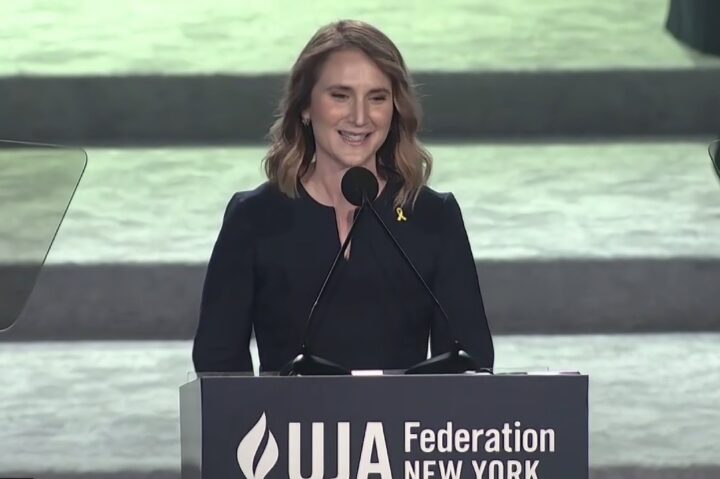
courtesy/UJA-Federation of NY
Wesley LePatner speaks at the UJA-Federation of New York's annual Wall Street Dinner in December 2023.
Wesley LePatner, a Blackstone executive who was involved with Jewish communal organizations in New York City, was killed in the Monday shooting at the firm’s Midtown headquarters, the company confirmed on Tuesday.
LePatner was the global head of Core+ Real Estate at Blackstone and CEO of Blackstone Real Estate Income Trust, according to Blackstone’s website. A Yale graduate, she joined the company in 2014 after more than a decade at Goldman Sachs.
She served on the board of trustees at the Abraham Joshua Heschel School, a pluralistic Jewish day school in New York, and she joined the board of directors at UJA-Federation of New York earlier this month.
“We are devastated by the tragic loss of Wesley LePatner, a beloved member of UJA’s community and a member of our board of directors, who was killed in yesterday’s mass shooting in Midtown,” the federation said in a statement.
“Wesley was extraordinary in every way — personally, professionally, and philanthropically,” the organization said. “In the wake of Oct. 7, Wesley led a solidarity mission with UJA to Israel, demonstrating her enduring commitment in Israel’s moment of heartache. She lived with courage and conviction, instilling in her two children a deep love for Judaism and the Jewish people.”
In 2023, LePatner was awarded the Alan C. Greenberg Young Leadership Award at UJA’s 2023 annual Wall Street dinner. In a speech, she outlined her involvement with the organization, dating back nearly two decades.
“I first attended the UJA Wall Street dinner as a young analyst in 2004, where I am pretty certain I sat in one of the last tables at the back of the room,” LePatner said at the event, which took place two months after the Oct. 7 attacks. “Never in my wildest imagination could I have believed that I would be up on this stage two decades later. UJA has many super-powers, but its most important in my view is its power to create a sense of community and belonging, and that ability to create a sense of community and belonging matters now more than ever.”
LePatner also sat on the board of the Metropolitan Museum of Art, the Yale University Library Council and Nareit, a real estate organization.
The shooting also claimed a second Jewish victim, Julia Hyman. A Cornell graduate, Hyman worked for Rudin Management in the Midtown skyscraper.
Ofir Akunis, consul general of Israel in New York, called the murder of LePatner and Hyman — as well as NYPD Officer Didarul Islam — “horrific and senseless” at the Israel on Campus Coalition’s National Leadership Summit in Washington on Tuesday. “In this difficult moment, Israel stands in solidarity with New Yorkers and all Americans,” Akunis said.
Please log in if you already have a subscription, or subscribe to access the latest updates.
 Continue with Google
 Continue with Apple