

























Trump backs Netanyahu on Oct. 7 warnings, won’t say if he deserves another term
Trump, in interview with Time magazine: ‘People have written off Bibi many, many times, just like they've written off me many, many times’
Prime Minister's Office
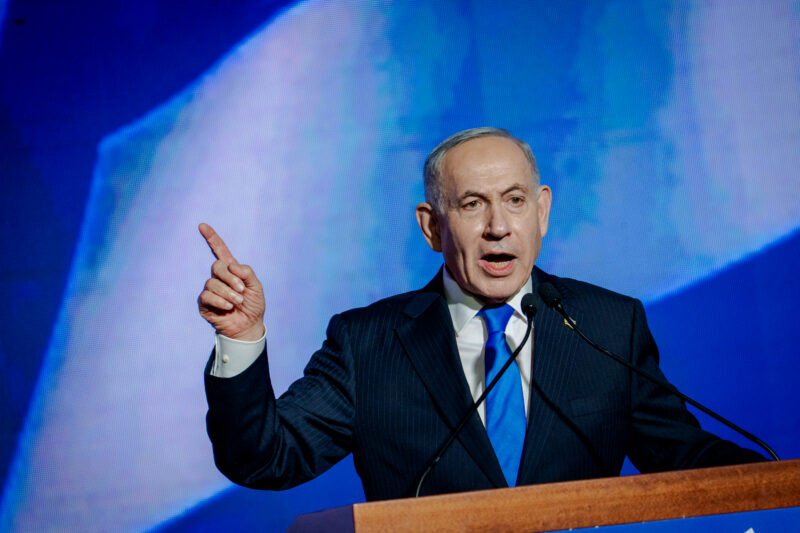
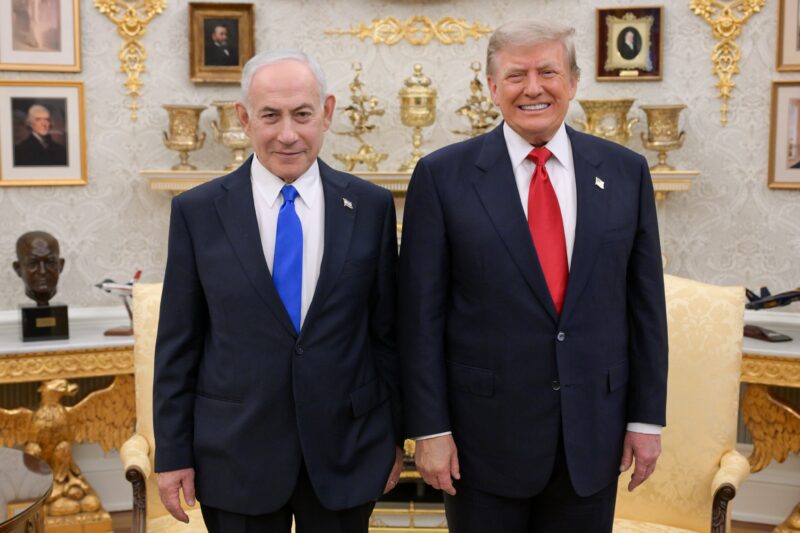
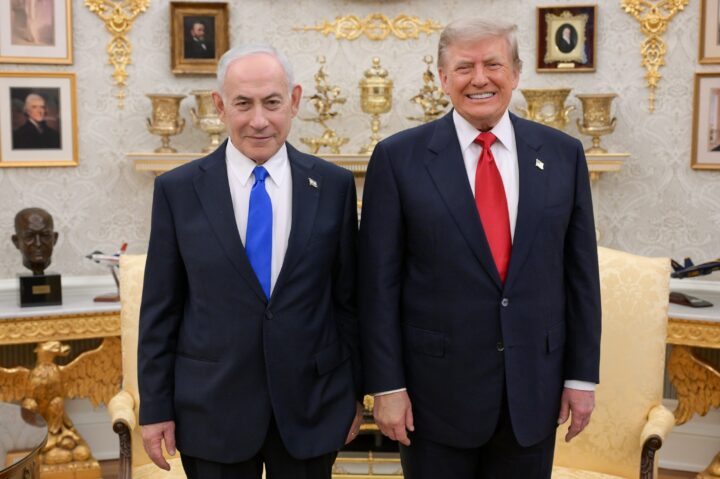
Israeli Prime Minister Benjamin Netanyahu meets with President Donald Trump in the Oval Office on July 28, 2026.


 Add JewishInsider on Google
President Donald Trump defended Israeli Prime Minister Benjamin Netanyahu this week against reports that he ignored warnings from Egypt and the United Arab Emirates about the possibility of a Hamas attack in the weeks prior to Oct. 7, 2023, while declining to say whether Israelis should give Netanyahu another term.
Trump made the comments in an interview with Time magazine at the White House on Sept. 28. The interview, published Thursday, covered a wide range of issues, including the wars in Gaza and Iran as well as the upcoming Israeli elections.
Recent reports have suggested that Netanyahu received warnings from Egypt and the UAE before the Hamas attacks that the group was preparing a potential assault. Netanyahu has disputed the allegations, while Trump said he had only heard about the reports for the first time the day of the interview, and rejected the idea that Netanyahu had ignored such warnings.
“I don’t think so. I think if he [Netanyahu] would have known, he would have done something about it. Certainly, he would have had people at least alert,” Trump said. “You know, he’s not going to forget about it. That was a terrible day.”
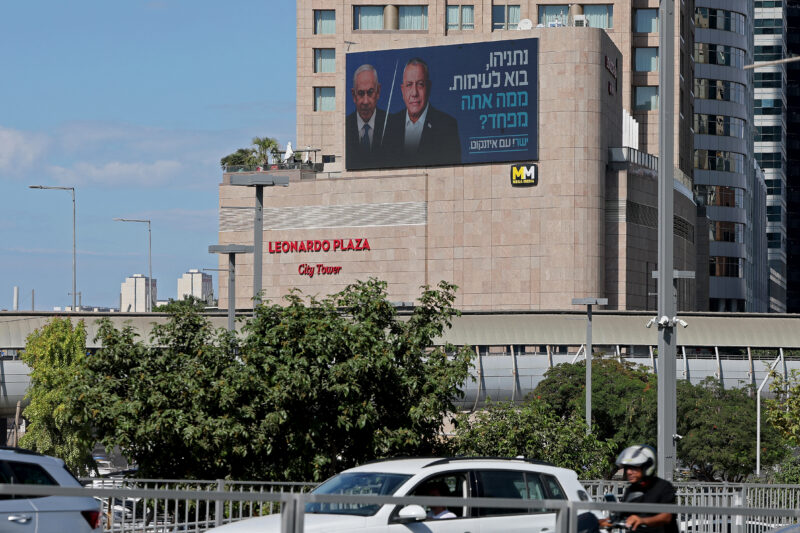
With Israeli elections less than a month away, Trump stopped short of saying whether voters should give Netanyahu another term, instead saying he was no longer involved in politics.
“People have written off Bibi many, many times, just like they’ve written off me many, many times. I wouldn’t underestimate Bibi,” Trump said.
The interview then turned to the future of the war in Gaza and Trump’s 20-point plan for ending the conflict. The plan, which has been endorsed by the United Nations Security Council, calls for Hamas to disarm, but the group has not agreed to give up its weapons, leaving implementation of the broader plan stalled.
With Hamas refusing to disarm, Trump offered the possibility that he could turn to the White House Situation Room to determine how to proceed.
“I think I’ll probably sit in the Situation Room and make an appropriate decision,” Trump said.
Trump also discussed the war with Iran, amid efforts to break through a stalemate in talks. Iran last week proposed a seven-day ceasefire plan that would have involved reopening the Strait of Hormuz and returning to negotiations, but Trump rejected the proposal as insufficient.
Explaining the rejection, Trump said his standards for an agreement had not changed since the war began.
“Because things that I wouldn’t have approved a year ago I wouldn’t have today,” Trump said. “I mean, it was — they made an offer to open up the strait. You know, you saw some aspects of it, not all. But it’s just, it’s just, it’s not good enough. Nearly.”
Trump also left open the possibility of escalating the U.S. campaign after the midterm elections, responding that it was “possible” he would ramp up bombing.
The president pushed back on reports that the war has caused significant shortages of U.S. munitions, calling them “mostly fake news,” but still acknowledged that some types of ammunition are in shorter supply.
“Some forms of ammunition are a little bit lower than other forms,” Trump conceded. “[We are] building plants all over the country … and we’re stocking up at levels we’ve never done before.”
Trump also defended his decision not to intervene militarily in Iran earlier, including during mass protests in January that prompted him to say at the time that “help is on the way.” Asked whether he regretted waiting, Trump said he did not, arguing that the current campaign was achieving its objectives and predicting that Iran would eventually agree to a deal.
“No, I think we’ve done an incredible job with that,” Trump said. “They want to make a deal. As soon as I make a deal, oil prices will drop to what they were.”
Trump also defended his relationship with Saudi Arabia amid reports that Riyadh was frustrated that the U.S. did not come to its defense against attacks by the Iran-backed Houthis. The dispute comes as Saudi Arabia has been involved in fighting the Houthis in Yemen and seeking support from international partners as the regional conflict has intensified.
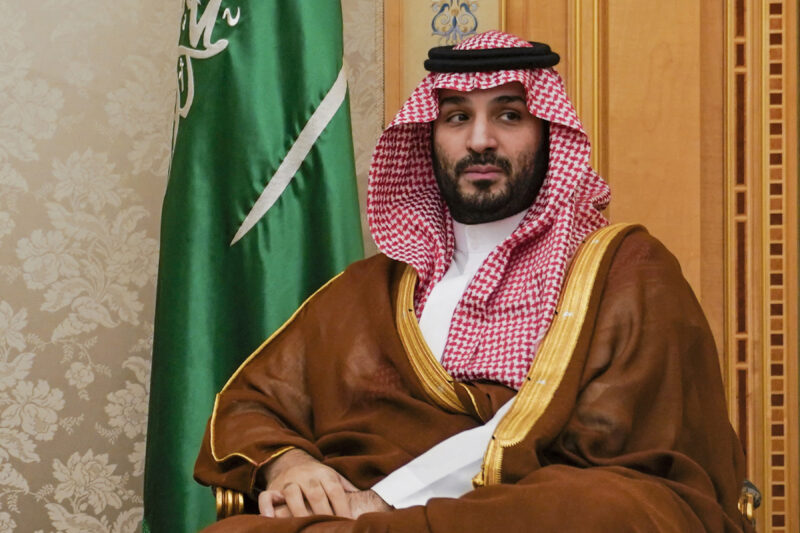
“I’ve done a lot for Saudi Arabia. I protect Saudi Arabia. If I weren’t president, Saudi Arabia wouldn’t be here right now. Neither would Israel. They’d be wiped off the face of the planet,” Trump said. “I do a lot for Saudi Arabia. My relationship with them is very good. I like the crown prince. My relationship is very good.”
More Stories
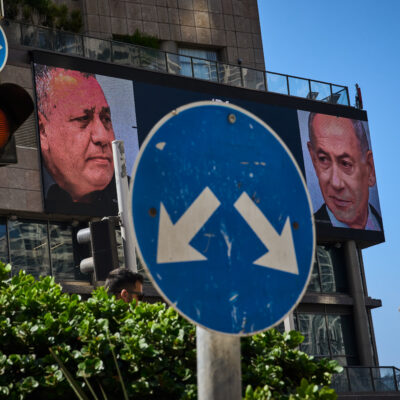
WAR WORRIES
Could another war with Iran be the October surprise of the Israeli election?
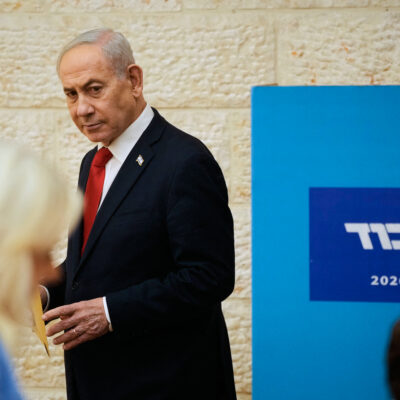
Daily Overtime
Deadlocked dash to Israeli elections
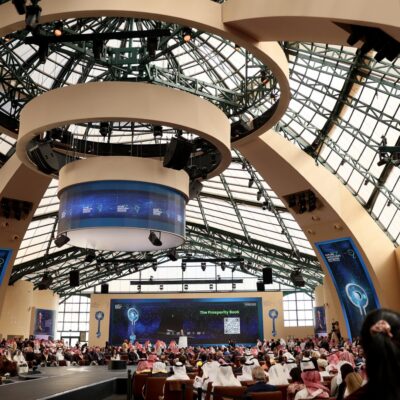
SECURITY SETBACK
Saudi Arabia postpones ‘Davos in the Desert’ until 2027 amid Houthi attacks
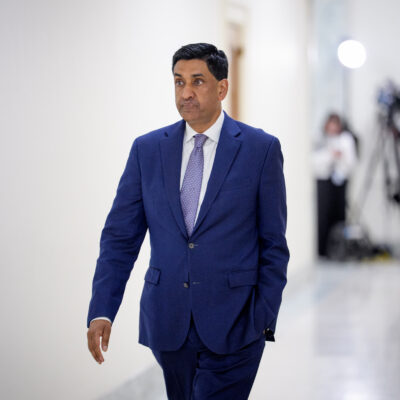
SCOOP
Ro Khanna to urge negotiators to pull U.S.-Israel cooperation provisions from defense bill
SACRAMENTO SHOWDOWN
Rep. Doris Matsui continues to highlight Hasan Piker links to far-left opponent Mai Vang
AID ARGUMENTS
Michael Oren, Jonathan Schanzer split over when Israel should move past U.S. aid
Please log in if you already have a subscription, or subscribe to access the latest updates.
 Continue with Google
 Continue with Apple