






































Latest reports indicate Ankara still possesses the Russian system that has prevented it from purchasing the F-35s; meanwhile, the White House is also advancing a $700 million sale of jet engines to Turkey
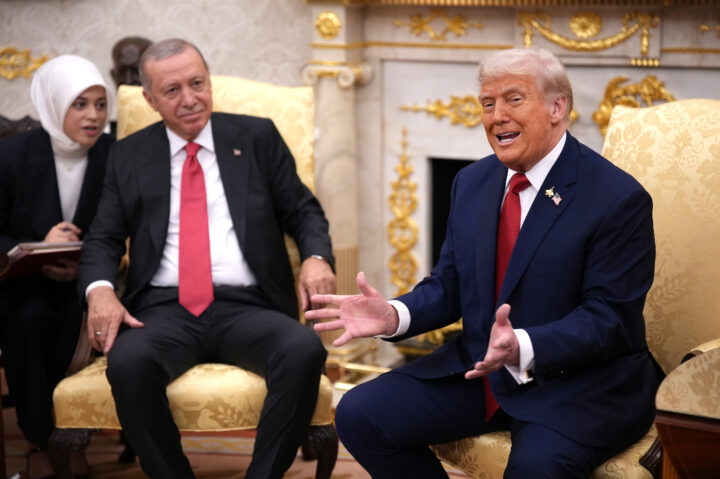
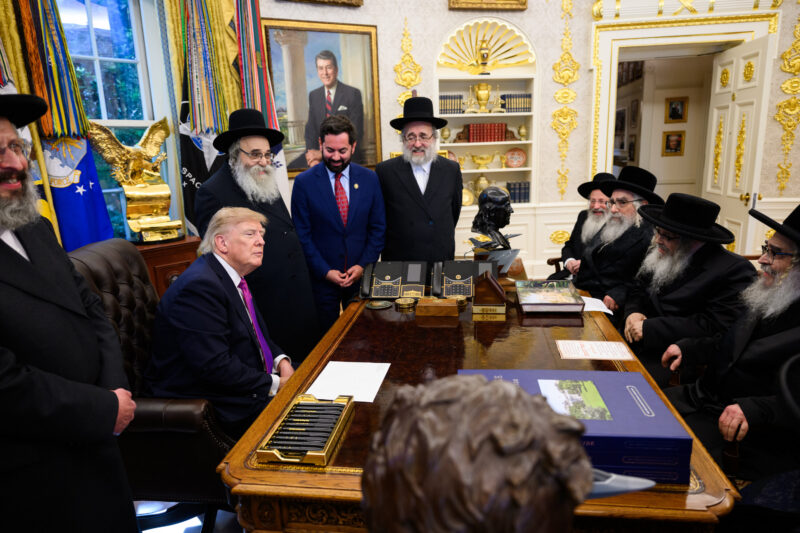
Photo by Andrew Harnik/Getty Images
President Donald Trump delivers remarks during a meeting with President of Turkey Recep Tayyip Erdogan in the Oval Office at the White House on September 25, 2025 in Washington, D.C.


 Add JewishInsider on Google
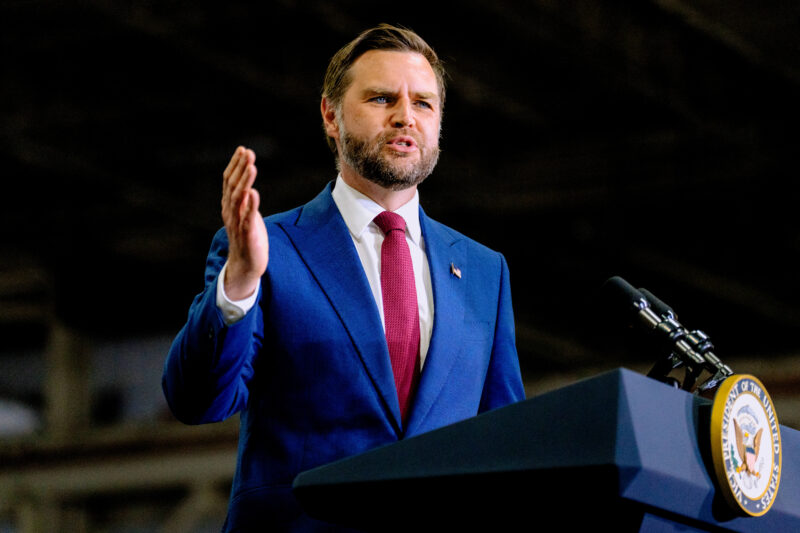
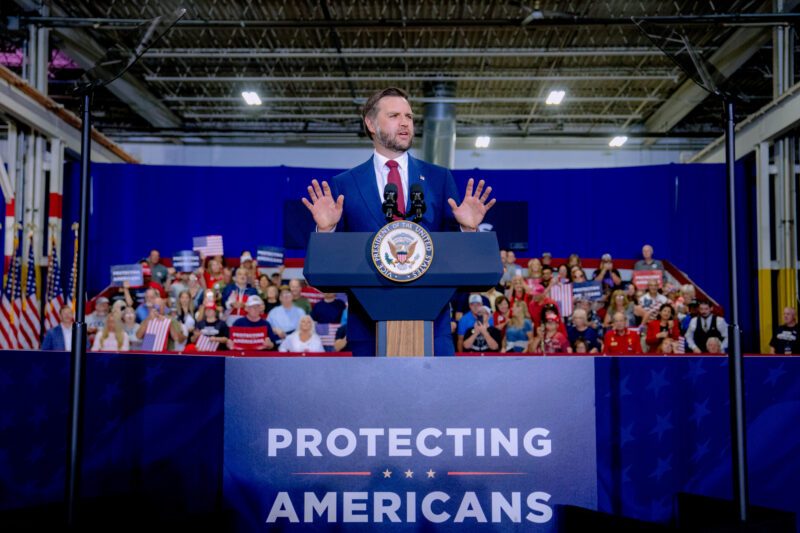
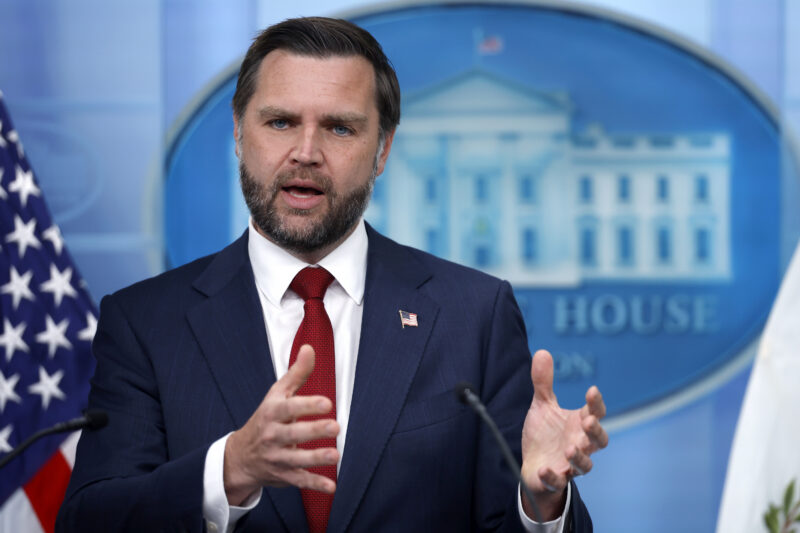
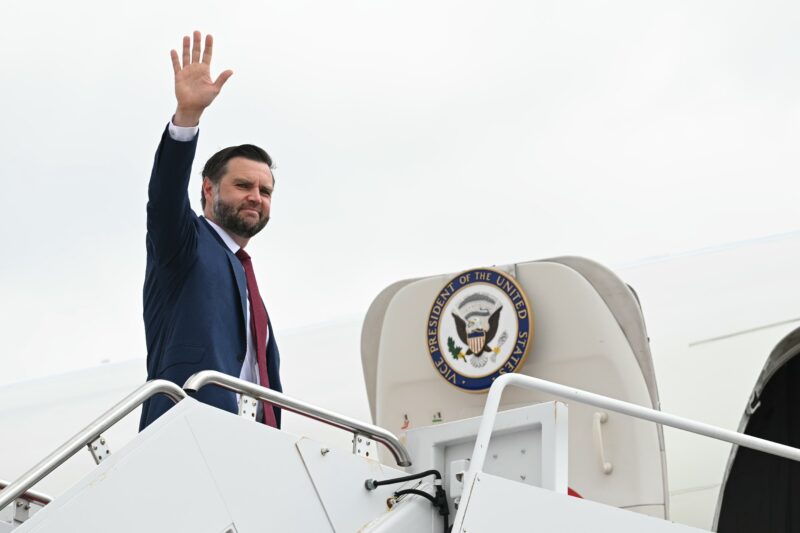
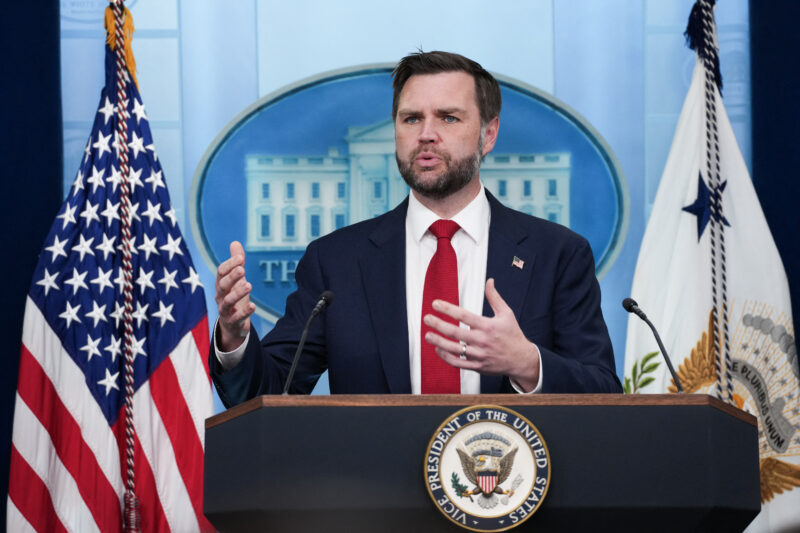
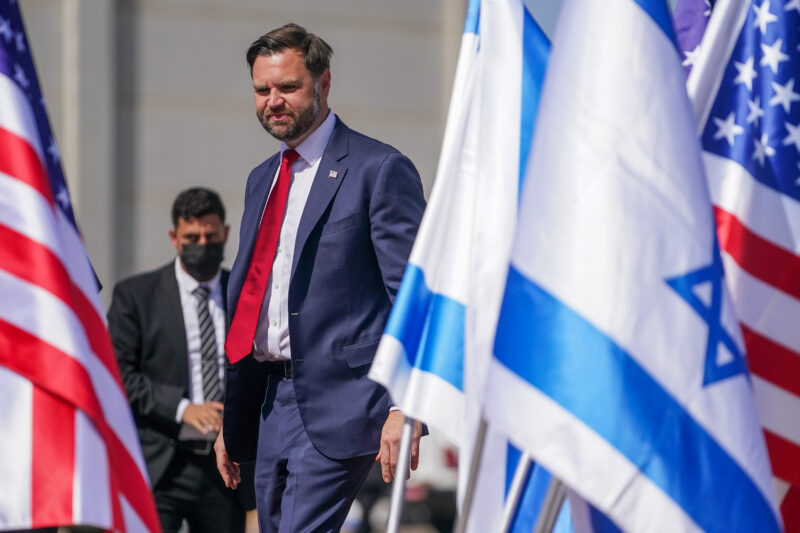
Vice President JD Vance said on Wednesday that the administration is “confirming” Turkey has fulfilled its obligations under U.S. law in order to receive advanced F-35 fighter jets, which Ankara has long sought but has been barred from purchasing since 2020 after it acquired the S-400 air-defense system from Russia.
U.S. law requires the secretaries of state and defense to certify to Congress in writing, prior to any F-35 transfer, that Turkey no longer possesses the S-400 system and has provided credible assurances it will not acquire similar Russian air-defense systems. Latest reports indicate the S-400 system is inactive but still intact in Turkey, which would not fulfill the obligations required under law to lift the sanctions.
Asked in the Oval Office “what needs to happen for the F-35 deal to be finalized,” Vance said, “[Defense Secretary] Pete [Hegseth] and the entire team are reviewing this right now, because there are certain things that we have to certify have happened … in order to comply with American law. The president has asked us to do that. We’re running the traps and confirming that’s happened.”
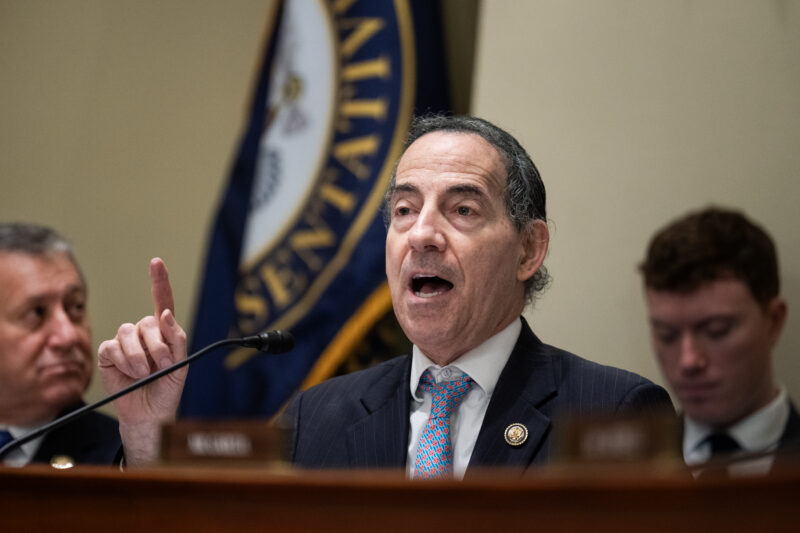
Vance’s remarks were at odds with Secretary of State Marco Rubio’s comments to the House Foreign Affairs Committee earlier this month, when he said Turkey was still prohibited from acquiring the F-35 jets until it resolved the S-400 issue in a way that complies with U.S. law. “We don’t have that choice because it’s governed by statute,” Rubio said. No certification proving otherwise has been submitted to Congress in the interim.
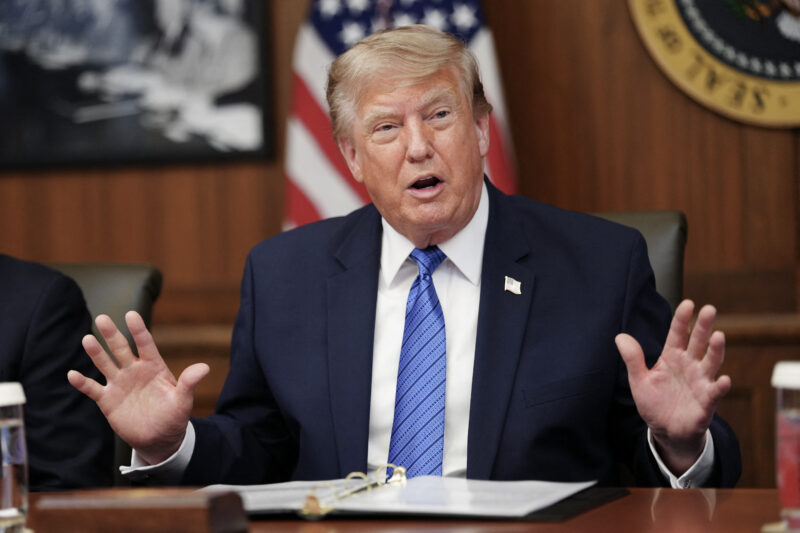
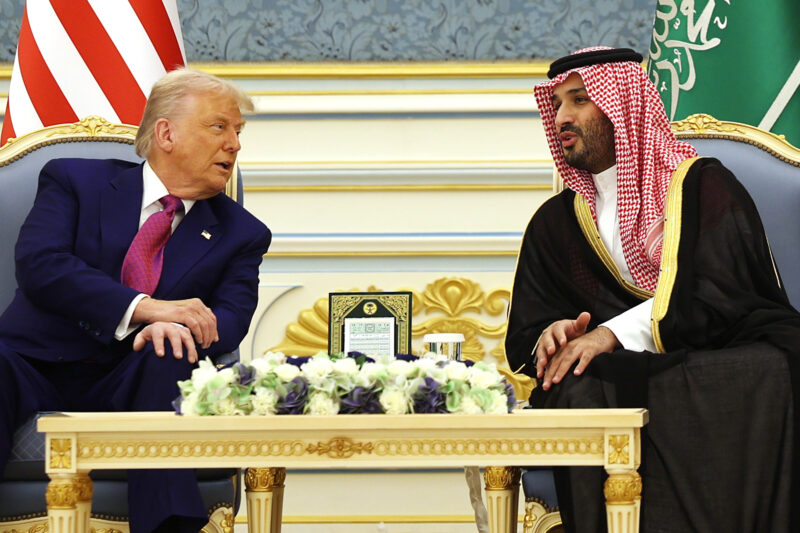
President Donald Trump, asked about whether he’s considering selling advanced jet engines or F-35s to Turkey, said while sitting next to Vance, “I think so. Look, [Turkish President Recep Tayyip Erdoğan is] a member of NATO. Some people don’t consider him so, but he really is, he’s a strong member of NATO. Yeah, I’m going to probably do something that’s going to make him very happy.” Trump is slated to attend the NATO summit being held in Ankara next month.
The president made similar comments during Erdoğan’s visit to Washington in September, when Trump said he was likely to permit Turkey to purchase F-35s as soon as “the end of the day.”
Rep. Greg Meeks (D-NY), ranking member of the House Foreign Affairs Committee, said the administration told him on Tuesday “it would once again bypass Congressional review” by allowing the Turkish military to purchase more than $700 million of U.S.-made F-110 jet engines. “The State Department did not even attempt to justify its decision,” Meeks said in his statement, adding that the administration failed to provide written rationale, brief Congress or invoke emergency authority in order to proceed with the sale.
The proposed engine sale would likely also face scrutiny under the sanctions and export-control restrictions imposed after Turkey’s acquisition of the S-400 system
Trump credited Turkey’s “very strong military” and praised Erdoğan as “a very good person” in his remarks on Wednesday.
Trump has maintained close ties with the Turkish leader, even as Turkish-Israeli relations have soured. Last year, Erdoğan reportedly said during a mosque visit: “May Allah destroy Zionist Israel in his holy name.”
Trump told reporters on Wednesday that Erdoğan was “a prime candidate to go into the war with Iran — maybe on the Iran side, because he’s not a big fan of Israel,” adding, “I asked him to stay out. He stayed out.“
Please log in if you already have a subscription, or subscribe to access the latest updates.
 Continue with Google
 Continue with Apple