






























































‘They should just rename it the Ayatollah Protection Act because that’s what it does,’ Rep. Jared Moskowitz said

U.S. House of Representatives
Reps. Josh Gottheimer (D-NJ) and Jared Moskowitz (D-FL)


 Add JewishInsider on Google
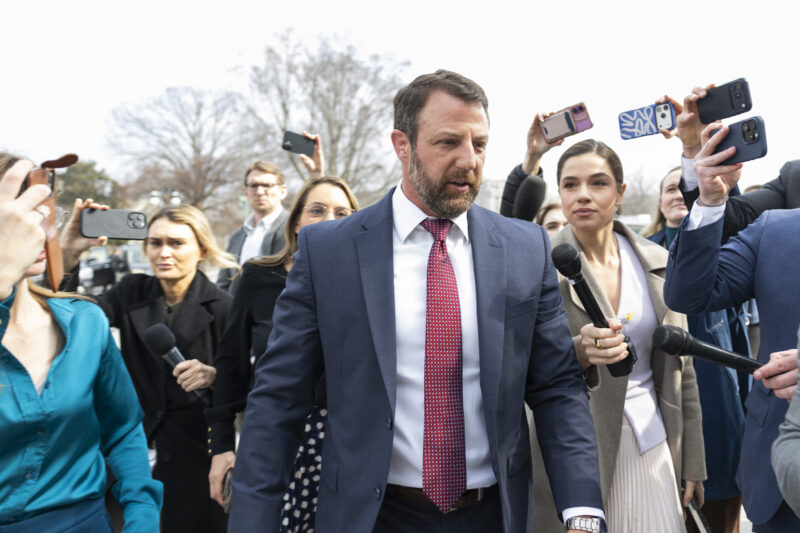
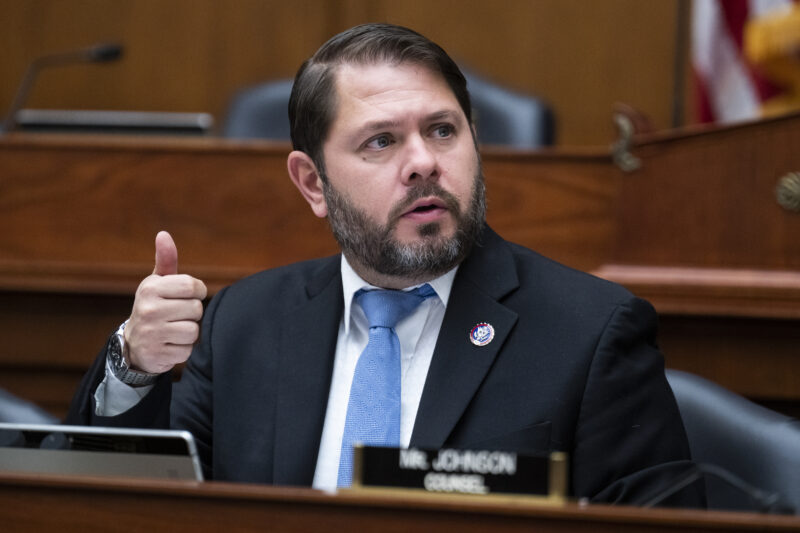
Rep. Jared Moskowitz (D-FL) told Jewish Insider on Friday afternoon that he’ll vote against a resolution blocking military action against Iran, expected to come to a vote on the House floor next week.
Moskowitz joins Rep. Josh Gottheimer (D-NJ), who issued a joint statement with Rep. Mike Lawler (R-NY) earlier in the day, as the only Democrats who are thus far publicly opposing the war powers resolution, which Reps. Ro Khanna (D-CA) and Thomas Massie (R-KY) plan to introduce.
Gottheimer and Moskowitz are among the strongest Democratic Iran hawks in the House, but others could join the two.
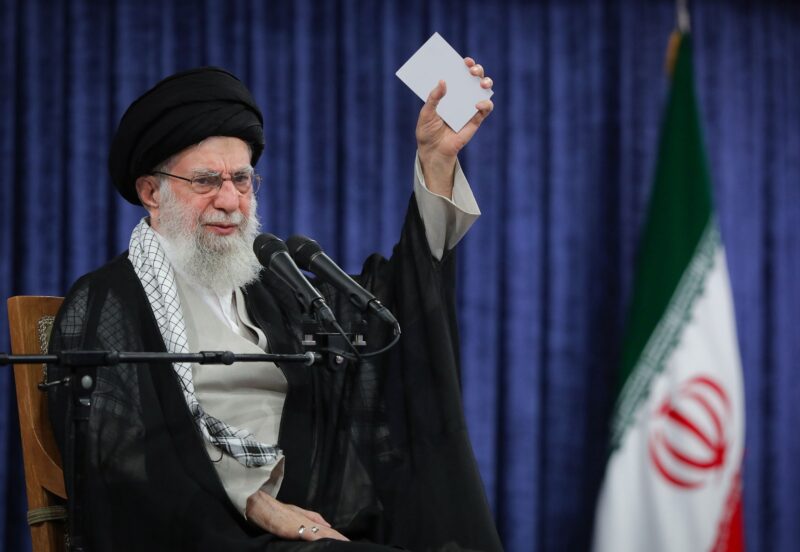
“I am a no [vote]. I am not willing to preemptively tell the supreme leader that he has nothing to worry about, no reason to negotiate because you are totally safe, and that the people of Iran can’t depend on us. They should just rename it the Ayatollah Protection Act because that’s what it does,” Moskowitz told JI.
In their joint statement, Gottheimer and Lawler emphasized that Iran poses a threat to the United States and to global stability through its pursuit of a nuclear weapon, efforts to “aggressively” reconstitute its ballistic missile arsenal and sponsorship of global terrorism, and said the regime is “waging war on its own people.”
“This record represents only a fraction of Iran’s long pattern of aggression, and it makes clear why we must preserve the ability to defend our troops and our homeland,” Gottheimer and Lawler said. “We stand with the Iranian people who are demanding basic rights and dignity, and we are committed to protecting them from the regime’s savagery.”
“That is why we oppose the Massie-Khanna War Powers Resolution to prohibit the use of force against Iran,” They continued. “We respect and defend Congress’s constitutional role in matters of war. Oversight and debate are absolutely vital. However, this resolution would restrict the flexibility needed to respond to real and evolving threats and risks signaling weakness at a dangerous moment.”
The lawmakers called for the administration to brief Congress on any planned military action in compliance with the law, but said that “Congress must not limit our ability to protect Americans and our allies.”
Most House Democrats have been vigorously urging the Trump administration against military action against Iran, and are expected to support the resolution. It’s unclear whether any other House Republicans will support the resolution.
Rep. Don Bacon (R-NE), who broke with most Republicans to support a similar resolution blocking further military action in Venezuela, signaled last week he is likely to oppose the Iran war powers resolution and expressed outright support for military action.
“I’ll study the bill before committing on how I’ll vote. But I do think the President must take military action. He promised the Iranians that we would support them if they stood up against the regime,” Bacon said in a statement. “The Iranians did and now an estimated 50,000 people have been executed. There cannot be empty promises.”
Several other House Democrats who have records of breaking with their party on Middle East issues or who supported last summer’s U.S. strikes on Iran’s nuclear facilities did not preview how they plan to vote when asked by JI on Friday.
Rep. Laura Gillen (D-NY), a hawkish moderate Democrat from Long Island, didn’t offer a definitive stance on the vote.
“The Iranian regime is the world’s leading state sponsor of terrorism, brutally oppresses its own people, and can never be allowed to acquire nuclear weapons to threaten the U.S. and our ally Israel,” Gillen told JI. “Only Congress has the responsibility to decide whether to declare war, and given the risks to American troops in the region, the Administration should immediately brief Congress on its strategy on Iran.”
Reps. Greg Meeks (D-NY), Adam Smith (D-WA) and Jim Himes (D-CT), the top Democrats on the House Foreign Affairs, Armed Services and Intelligence Committees issued a joint statement Friday “strongly oppos[ing] preemptive military action against Iran, which endangers U.S. personnel and risks drawing Israel and Gulf partners into a wider conflict.”
They called for continued diplomacy and said that the U.S. should not walk away from the talks for “a short-term, unauthorized show of military force that leaves Americans less secure,” adding that any decision to take military action must be approved by Congress.
Lawler: The KOTEL Act would remove ‘outdated restrictions so we can continue to ensure the bond between the U.S. and Israel remains ironclad’

David Dee Delgado/Getty Images
Rep. Mike Lawler (R-NY) speaks during a press conference outside of Columbia University on April 22, 2024 in New York City.
Rep. Mike Lawler (R-NY) introduced legislation on Friday to repeal a decades-old provision in U.S. law relating to the construction of new diplomatic facilities in Israel and the West Bank.
The provision, enacted in 1986 as part of a package designed to improve security for U.S. diplomats and combat terrorism, banned funding from that bill from being used for “site acquisition, development, or construction of any facility in Israel, Jerusalem, or the West Bank except for facilities to serve as a chancery or residence within five miles of the Israeli Knesset building and within the boundaries of Israel as they existed before June 1, 1967.”
The language was intended to force the relocation of the U.S. Embassy in Israel from Tel Aviv to Jerusalem, according to a report at the time. The Reagan administration opposed the move, resisting efforts to recognize Jerusalem as Israel’s capital ahead of a negotiated agreement between Israelis and Palestinians about Jerusalem’s final status.
Congress later passed the Jerusalem Embassy Act in 1995, mandating the relocation of the embassy and recognition of Jerusalem as Israel’s capital, though it was waived by successive presidents until President Donald Trump made the move in 2017. Republicans repeatedly accused President Joe Biden of seeking to undo that move or reopen the U.S. consulate in East Jerusalem that primarily served Palestinians.
Lawler’s bill, the Keeping Official Territories Eligible for Land-use (KOTEL) Act, named for the Jewish holy site, would repeal the language from the 1986 bill.
“Israel is one of America’s closest allies, and this 40-year-old inactive prohibition serves no purpose. The KOTEL Act removes these outdated restrictions so we can continue to ensure the bond between the U.S. and Israel remains ironclad,” Lawler said in a statement.
It’s not clear how much impact Lawler’s initiative would have on current efforts to acquire or build new diplomatic facilities — the funding to which the 1986 provision applies has expired. But it could head off future attempts to challenge such construction.
Lawler plans to introduce the bill for consideration as part of the House Foreign Affairs Committee’s upcoming, wide-ranging State Department reauthorization effort.
Please log in if you already have a subscription, or subscribe to access the latest updates.
 Continue with Google
 Continue with Apple