






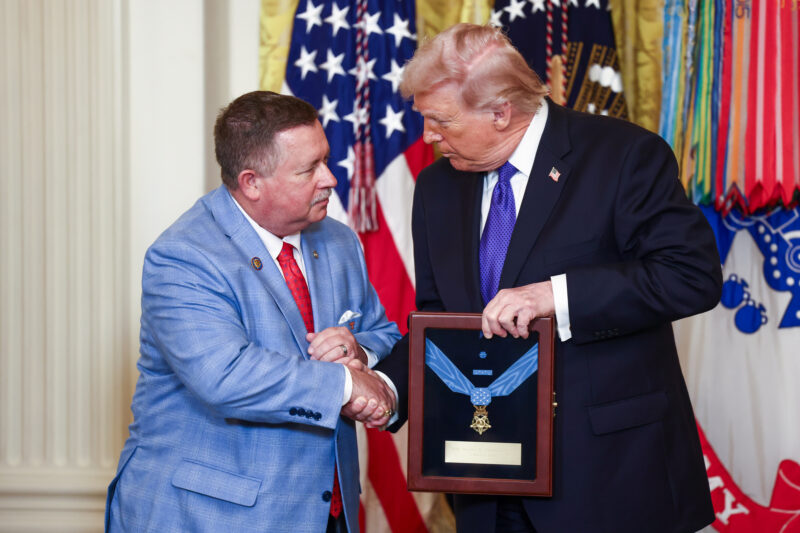


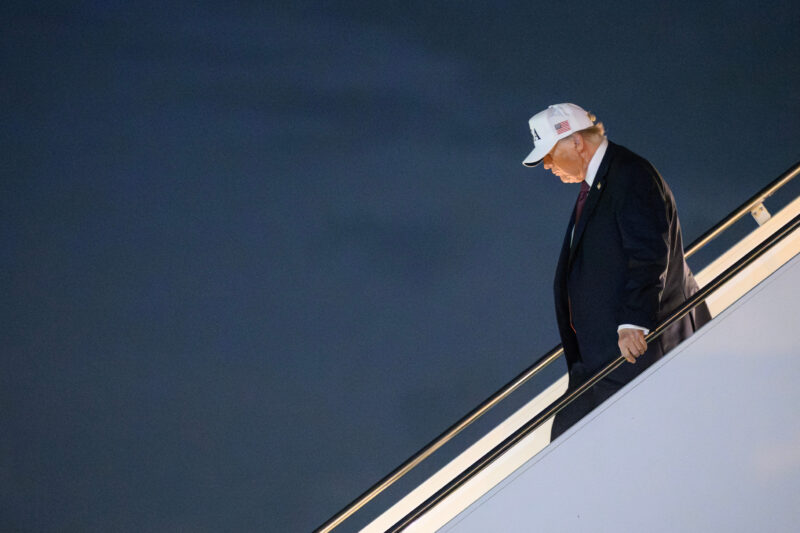
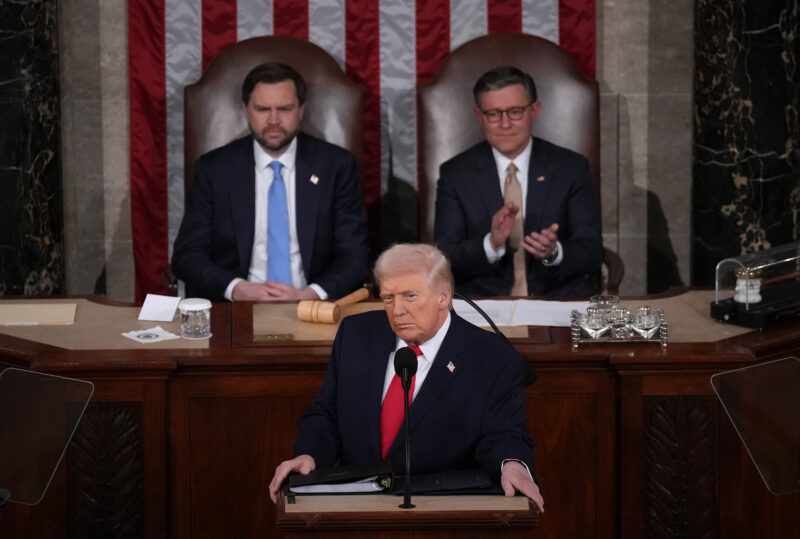
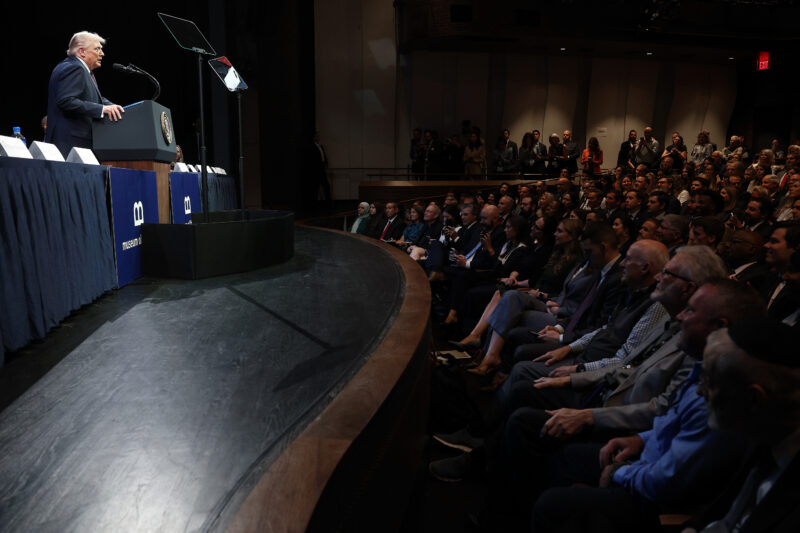











Asked at a press conference on Wednesday if he intends for the body to replace the U.N., Trump said it ‘might’
KARIM JAAFAR/AFP via Getty Images
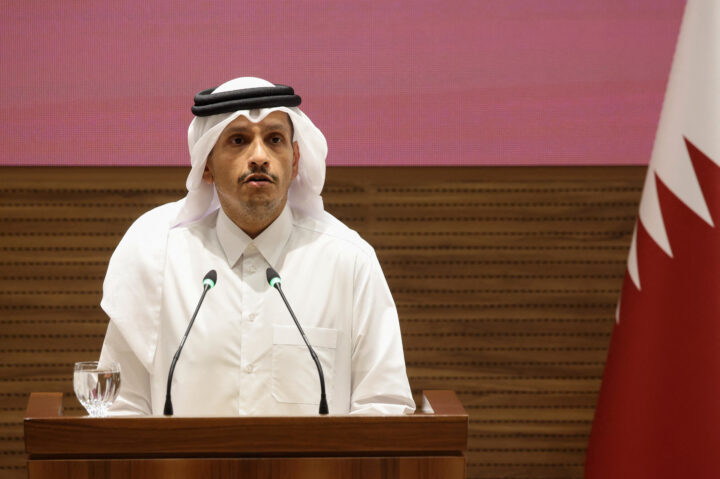
Qatar's Prime Minister and Minister of Foreign Affairs Sheikh Mohammed bin Abdulrahman Al-Thani speaks during a press conference in Doha on April 27, 2025.


 Add JewishInsider on Google
Sheikh Mohammed bin Abdulrahman Al Thani, Qatar’s prime minister and foreign affairs minister, said on Tuesday that President Donald Trump’s proposed Board of Peace represents the only viable path forward for Gaza, confirming that Doha has been invited to join the initiative.
“Yes, we were invited to the board,” Al Thani said at the World Economic Forum in Davos, Switzerland. “We are happy to be a contributor to peace and stability in our region. There are a lot of challenges in the implementation, but we have no alternative paths to seek right now.”
Al Thani emphasized that any participating countries would need to “work hard” to ensure the board functions effectively and serves as a stabilizing force.
“President Trump has proposed this path to move forward. We have a lot of work to be done,” said Al Thani. “I think that the most important thing right now is to ensure that Gaza is stabilized and we ensure that the withdrawal of the Israeli forces happens as soon as possible, and ensure that the people can get their life back as soon as possible. That should be the key focus for the Board of Peace.”
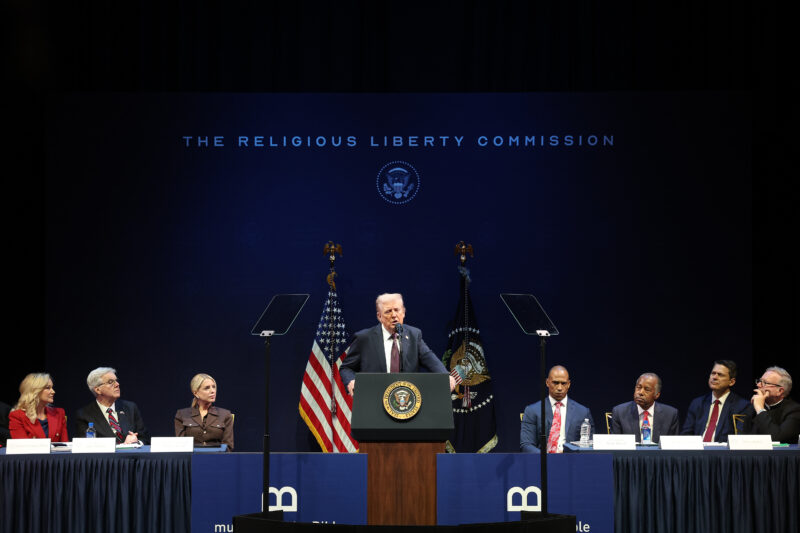
Trump has invited a range of countries to join the board, including the U.K., Canada, France and Jordan, as well as China and Russia. As of Wednesday, confirmed participants included Israel, Kosovo, Azerbaijan, Argentina, Hungary, Kazakhstan, Morocco, Belarus, Bahrain and the United Arab Emirates.
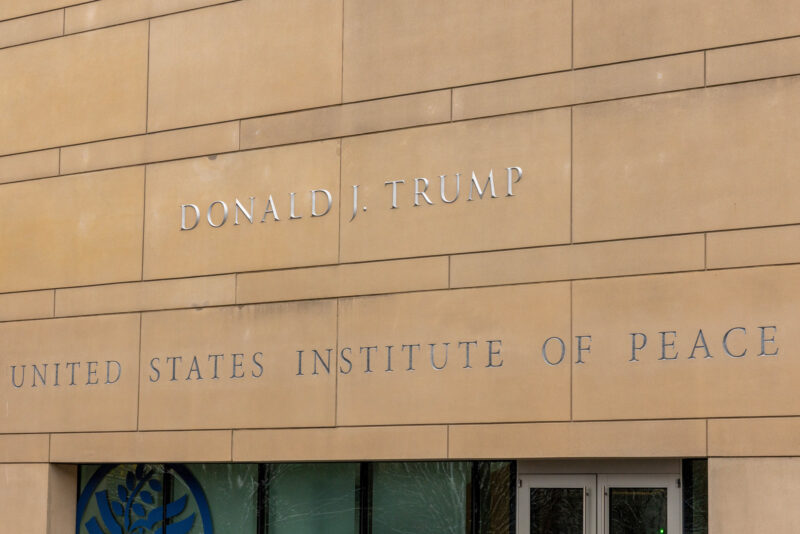
Under Trump’s 20-point Gaza peace plan, the board was initially created to oversee post-Hamas governance in Gaza and supervise a committee of Palestinian technocrats. However, the group’s new charter does not mention Gaza or the United Nations. Critics have argued that the board’s expanded mandate, along with Trump’s ramped up criticism of the U.N., are signs the group could evolve into a larger international authority intended to rival or sideline existing institutions.
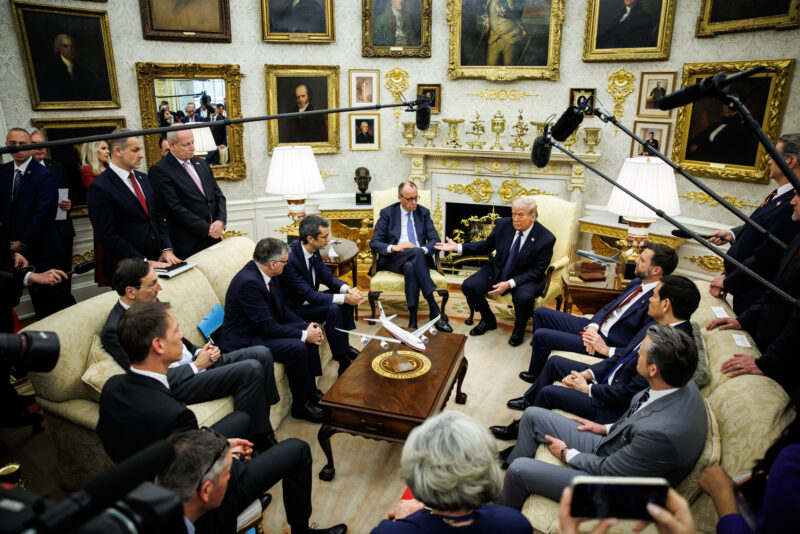
Asked at a press conference on Wednesday if he intends for the body to replace the U.N., Trump said it “might.” “Wish the United Nations could do more, wish we didn’t need a Board of Peace,” he said.
Al Thani also addressed rising tensions with Iran, urging regional leaders to remain “cool-headed” and “resort to wisdom” amid the unrest inside the country in recent weeks. Earlier this month, Israel and regional partners watched closely as the Trump administration weighed — and ultimately held off on — military strikes in response to Tehran’s crackdown on protesters, which Trump had described as a red line.
While the president has not specified what steps the U.S. may take next, reports have indicated that Israel and Arab states, including Qatar, conveyed concerns about military action. Asked whether Doha had clashed with Washington over the issue, Al Thani suggested otherwise.
“We didn’t argue with the Americans,” he said. “What we offer, as a partner and as an ally of the United States, is honest advice that the best way forward is to find a diplomatic solution.”
Al Thani said Qatar and the U.S. remain in “continuous dialogue,” but reiterated Doha’s opposition to military escalation, even as a means of addressing Iran’s nuclear ambitions.
“We don’t want to see military escalation in our region,” said Al Thani. “We always believe that there is a room for diplomacy, and that’s been our approach in the State of Qatar, and we will always keep advocating for peaceful resolution. We need to understand that any escalation will have consequences.”
Lolwah Al-Khater has repeatedly praised Hamas leaders, including Ismail Haniyeh and Yahya Sinwar
IBRAHIM AMRO/AFP via Getty Images
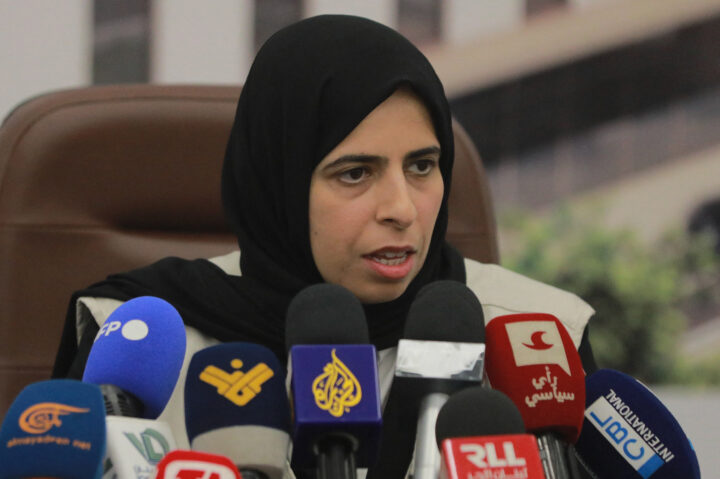
Qatar's Minister of State for International Cooperation Lolwah bint Rashid al-Khater gives remarks to the press during her tour of Beirut Governmental University Hospital in Beirut on October 8, 2024.
Qatari Education Minister Lolwah Al-Khater publicly mourned the death of Huthayfa Samir Abdullah Al-Kahlout, a senior Hamas military spokesman who served as the public face of the group’s media strategy during the war in Gaza, drawing renewed scrutiny of Qatar’s ties to the militant group.
In a post on X on Monday, Al-Khater wrote, “It is time for the knight to dismount,” next to a Palestinian flag emoji, widely interpreted as referring to the killed military spokesperson. Hamas’ armed wing officially confirmed the death on Monday, months after he was killed in an Israeli strike in the Gaza Strip.
“We announce with pride the martyrdom of the great leader,” a newly appointed and unidentified spokesman said in the video. “We have inherited his title.”
Al-Khater has repeatedly released statements in support of Hamas figures. The Qatari education leader previously praised Ismail Haniyeh, Hamas’ former political bureau leader who was killed in Tehran in July, as a “righteous servant who lived faithful to the cause.”
“He lived for his people,” Al-Khater posted on X. “He never engaged in any matter except that of his people and his country, and what served Palestine and Al-Aqsa.”
She also reportedly wrote a poem honoring Hamas leader Yahya Sinwar, who was regarded by Israel and the U.S. as the mastermind behind the Oct. 7, 2023, terrorist attacks and was killed in Gaza in May.
Qatari officials have helped broker a temporary truce between Israel and Hamas in November 2023 and a broader ceasefire and hostage deal that took effect in January 2025. More recently, Qatari mediators have been working with Trump’s envoy Steve Witkoff and his adviser and son-in-law Jared Kushner to lay the groundwork for phase two of Trump’s 20-point Gaza peace plan.
Israeli officials and critics have argued that Qatar is not a neutral party in negotiations with Hamas, pointing to sympathy for the terrorist organization among senior figures in Doha. Israeli Prime Minister Benjamin Netanyahu has also voiced skepticism over Qatar obtaining any role in efforts to demilitarize Gaza and establish a postwar plan.
Doha has blamed Israel as “solely responsible for the ongoing escalation” following the Oct. 7, 2023, terrorist attacks and has continued to provide significant financial support to both Hamas and the Muslim Brotherhood. Natalie Ecanow, a senior research analyst at the Foundation for Defense of Democracies, called Qatar a “financial patron of Hamas,” noting that in 2021 the Gulf state increased financial support to Gaza to $360 million.
“Qatar has historically served as a haven for private funders of terror,” Ecanow wrote. “And despite taking steps to crack down on terror finance, Qatar hasn’t sufficiently addressed the problem. Qatar hasn’t convicted a single terror financier since 2018, but terror financiers evidently still roam about the emirate.”
In October 2023, the U.S. Department of the Treasury sanctioned a Hamas financier based in Qatar whom the Treasury said had “close ties to the Iranian regime” and “was involved in the transfer of tens of millions of dollars to Hamas.”
Al-Ansari praised the Second Intifada for its ‘martyrdom operations’ against the ‘Zionist enemy’

MAHMUD HAMS/AFP via Getty Images
Qatar's Foreign Mininstry spokesperson Majed al-Ansari looks on at a press conference during the 2025 Arab-Islamic emergency summit in Doha on September 15, 2025.
Majed al-Ansari, a Qatari Foreign Ministry spokesman and advisor to the prime minister, praised Palestinian suicide bombings and rocket attacks on Israeli civilian centers in social media and blog posts prior to taking up his post in 2022.
Al-Ansari is one of the Qatari government’s most public faces, hosting regular press briefings and giving interviews about the Gulf state, including to Israeli media.
In May 2021, when Palestinian Islamic Jihad launched 130 rockets at Israel, Al-Ansari posted his support on X, saying that “Palestine emerges to remind this nation of its glory and the greatness of its message.” Al-Ansari added the hashtag #Tel_Aviv_is_burning to his post.
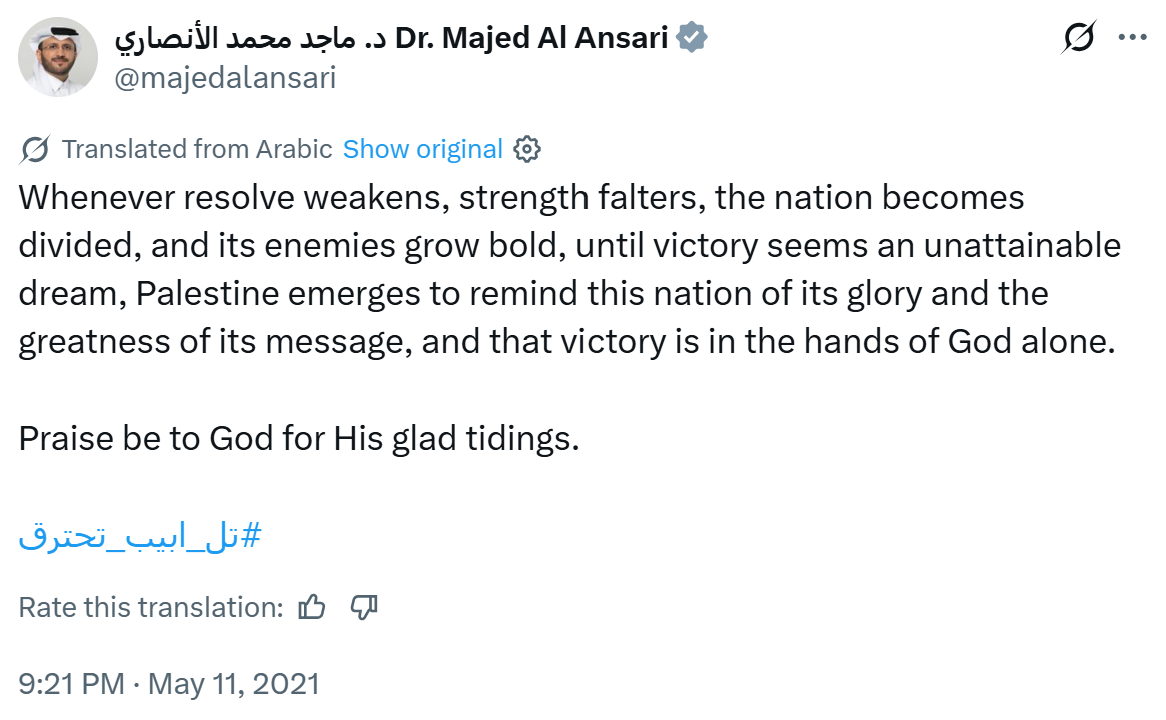
During the ensuing 11 days of fighting between Israel and Palestinian terrorists in Gaza and the West Bank, and rioting by Israeli Arabs in mixed Jewish-Arab cities in Israel, Al-Ansari posted: “Jerusalem, the interior [of Israel], the West Bank, Gaza … rise with one voice against the occupier. This unity is what terrifies the enemy the most. Oh Allah, unite their word and guide their aim.”
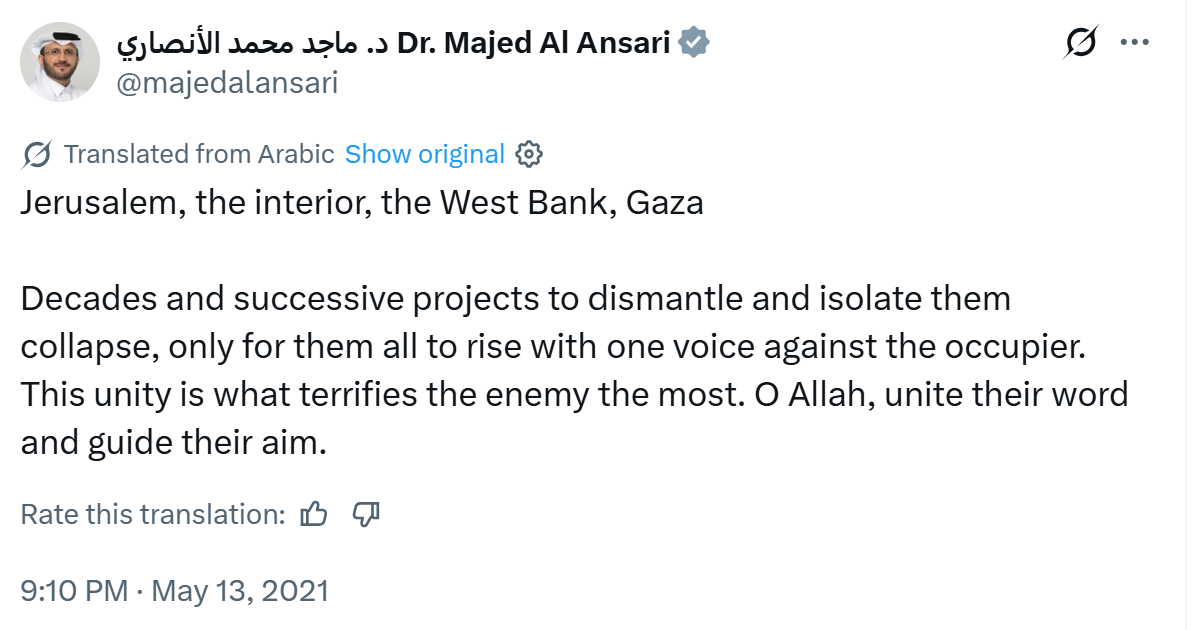
The posts were resurfaced by analyst Eitan Fischberger.
Al-Ansari also maintained a blog, which he linked to on his verified X account.
In one blog post, Al-Ansari praised the Second Intifada — the 2000-2005 Palestinian terror campaign — against the “Zionist enemy” and its “martyrdom operations,” a euphemism for terrorist attacks. He credited the intifada with leading Israel to pull out of Gaza in 2005.
In an overview of Palestinian terrorism against Israelis in recent decades, Al-Ansari argued that “the Israeli military losses were great, but the most important loss was Tel Aviv’s loss of a large part of its narrative and story of its victimhood in the West, following the spread of images of the brutal aggression throughout the world.”
Al-Ansari encouraged “a celebration of the continued march toward victory in the conflict,” praising what he described as the Palestinians’ advancement from “resistance with stones and bare chests [to] the launching of 3,000 rockets in ten days toward the entity’s [Israel’s] cities.”
In another blog post, in which Al-Ansari wrote about the Israeli Arab riots in May 2021, which included burning down Jewish-owned businesses and a synagogue, he falsely claimed that “the occupation forces were forced to withdraw” from Lod — a central Israeli city in which Ben Gurion Airport continued to operate normally and most neighborhoods continued to function peacefully.
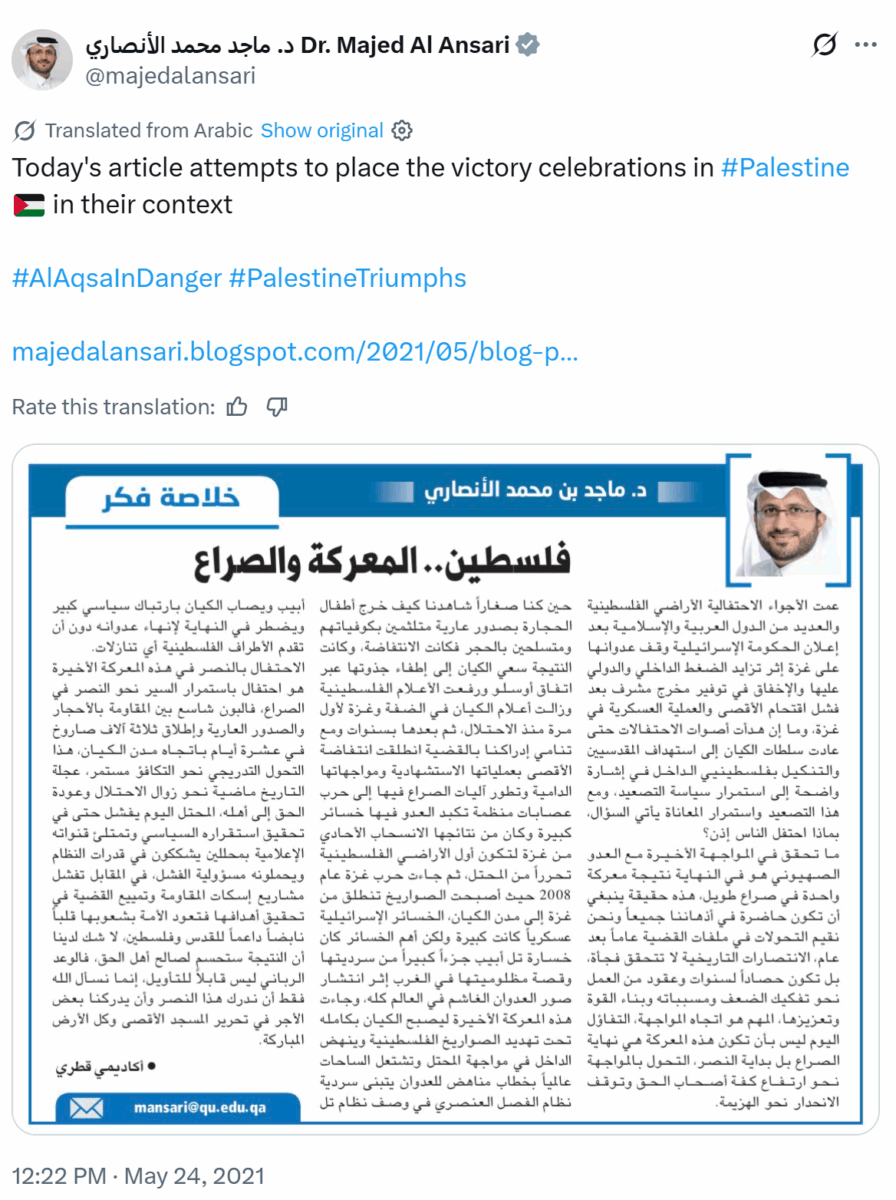
The blog and X posts were written when Al-Ansari was the head of the Qatar International Academy for Security Studies. The blog was deleted after Jewish Insider sent a request for comment about the matter to the Qatari Embassy, which the embassy did not respond to.
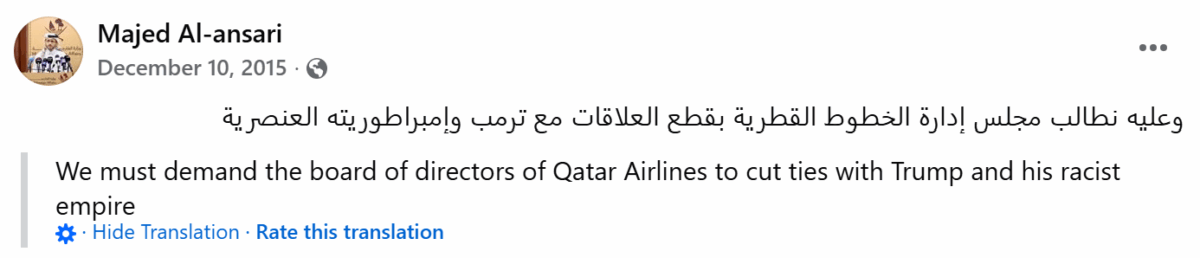
In earlier posts on an unverified Facebook account under Al-Ansari’s name, the Qatari spokesman repeatedly called President Donald Trump a racist.
In 2015, during Trump’s first presidential campaign, Al-Ansari wrote, “We call on the board of directors of Qatar Airways to cut ties with Trump and his racist empire.” Also that year, he lamented that the head of Qatar Airways “brags about his friendship with this racist.”

Please log in if you already have a subscription, or subscribe to access the latest updates.