


Eli Lilly
Alphabet’s AI bet shows early returns under Israeli-American CFO Anat Ashkenazi
The Israeli-American CFO first fueled Eli Lilly’s success, and is now turning her attention to the tech sector


 Add JewishInsider on Google
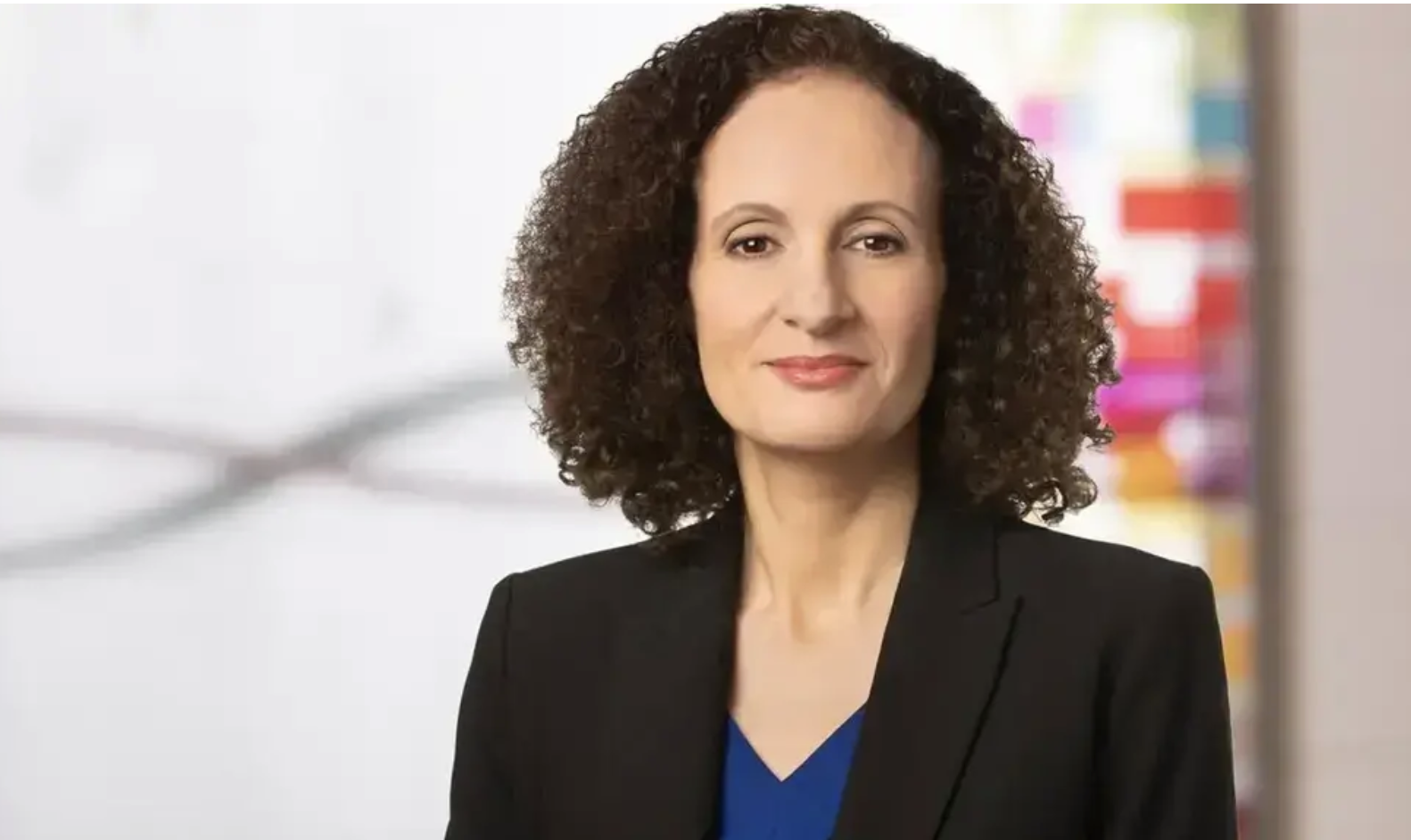
Anat Ashkenazi has presided over a tremendous amount of growth in the five years she has spent as chief financial officer at two different Fortune 500 companies — first the pharmaceutical giant Eli Lilly, and now the tech behemoth Alphabet, the parent company of Google.
Some of that is being in the right place at the right time.
Eli Lilly debuted the weight-loss drugs Mounjaro and Zepbound in 2022 and 2023, respectively, which drove substantial sales growth for the company after Ashkenazi became CFO in 2021. Then Ashkenazi moved to Alphabet in 2024, steering the company’s finances through massive investments in AI that are beginning to power a growth boost for the company.
Alphabet announced in its fourth quarter earnings call on Wednesday that its annual revenue passed $400 billion for the first time.
But much of Ashkenazi’s success is her commitment to keeping her head down and doing the work of helping companies grow. “Whether an organization is going through tremendous success and growth, or challenging times, the CFO should anchor the organization back to its core mission and values and chart the course forward,” she said in a 2023 interview.
There is no splashy origin story for her entrée into the most rarefied C-suites of corporate America beyond her public resume: early stints at Ma’alot Standard & Poor’s, the Israeli credit rating agency, and at Bank Hapoalim, one of Israel’s oldest and largest banks, before moving to the U.S. in 2001 to work at Eli Lilly. After that, she climbed the ranks, moving between senior finance roles.
Ashkenazi, an Israeli-American who studied at Hebrew University and got her MBA at Tel Aviv University, is rigorously focused on her work, at least in the public sphere. If she does speaking engagements or gives interviews, it’s typically to a finance-focused publication or conference.
She is a straight shooter, and she likes to talk numbers. Her advice to young people, according to an interview on the “CFO Thought Leader” podcast in 2023, is standard business school fare that seems to have worked quite well for Ashkenazi: to work hard and learn to seek out and accept criticism.
“I enjoy doing different things and moving. So if you look at my career, I moved every two or three years. I had a different role, a completely different role,” she said in the 2023 podcast interview. “I had these moments throughout my career, I think they become really important early on in your career, when you have these opportunities and someone taps you on the shoulder and says, ‘Come do this.’”
Ashkenazi’s portfolio at Alphabet includes much more than the search tools Google is best known for. The company’s reach includes YouTube, the AI chatbot Gemini, the self-driving technology startup Waymo and a growing cloud computing business. Last year, Ashkenazi’s first full year with the company, was “a strong year of innovation and execution” that delivered “meaningful results across the business,” she said in Wednesday’s earnings call. In Fortune’s 2025 ranking of the most powerful women, Ashkenazi was ranked No. 51.
“She had two enormous challenges [when starting at Alphabet]. One, she was taking over from an absolute superstar, CFO Ruth Porat, who is now the president [and chief investment officer] of the company,” Mark Isakowitz, the former vice president of public policy at Google who now serves as chief of staff to Sen. Dave McCormick (R-PA), told Jewish Insider. “Two, she had to accelerate what had already started under Ruth, which is the capital allocation for the AI age.” (Porat, like Ashkenazi, has Israeli roots: Though she was born in London, her parents met in Mandatory Palestine, and her father fought for Israel in the country’s War of Independence.)
Alphabet’s latest earnings report showed that the company’s investments in AI were beginning to pay off, even with large financial obligations planned for the year ahead. Ashkenazi has pledged to double down on AI.
“As I look at the business, I see opportunities for further growth, propelled by AI, and the underlying momentum across the business,” Ashkenazi said in her first earnings call at Alphabet in 2024. “I also believe that we are well-positioned to deliver meaningful innovation, which will translate to revenue.”
If Ashkenazi generally avoids the spotlight on any issues besides the most central components of her job, there is one other area where she is particularly bullish: the importance of investing in staff.
“What we do here, it’s very intentional about people development. That’s one of the core, actually one of the key areas of focus for me, as well for my team, is, how do I develop leaders that can lead in today’s environment, tomorrow’s environment?” she said in 2023 while still at Eli Lilly.
The role of a CFO, she said in another interview that year, is “financial and strategic leadership coupled with people and organizational leadership.”
Starting at Alphabet, a Silicon Valley innovator far from Eli Lilly HQ in Indianapolis, Ashkenazi needed to get the staff on board.
“You have to win the trust of one of the largest companies in the world with 180,000 employees, so even if you get the hang of it the first day, you have to win the trust of other people,” Isakowitz said. “From the outset, it appears to me she’s done that.”



Please log in if you already have a subscription, or subscribe to access the latest updates.
 Continue with Google
 Continue with Apple