


IsrAid
‘Bringing voice to the voiceless’: Former hostages Aviva and Keith Siegel heal through helping others
The couple, once held captive by Hamas, channel their trauma into humanitarian work, volunteering in Kenya’s Kakuma refugee settlement with IsraAid and amplifying the stories of those suffering in silence


 Add JewishInsider on Google
Keith and Aviva Siegel have seen the horrors of war up close and personal — torn from their home in Kibbutz Kfar Aza and taken hostage deep into Gaza, where Aviva would spend nearly two months and Keith would be held for more than a year.
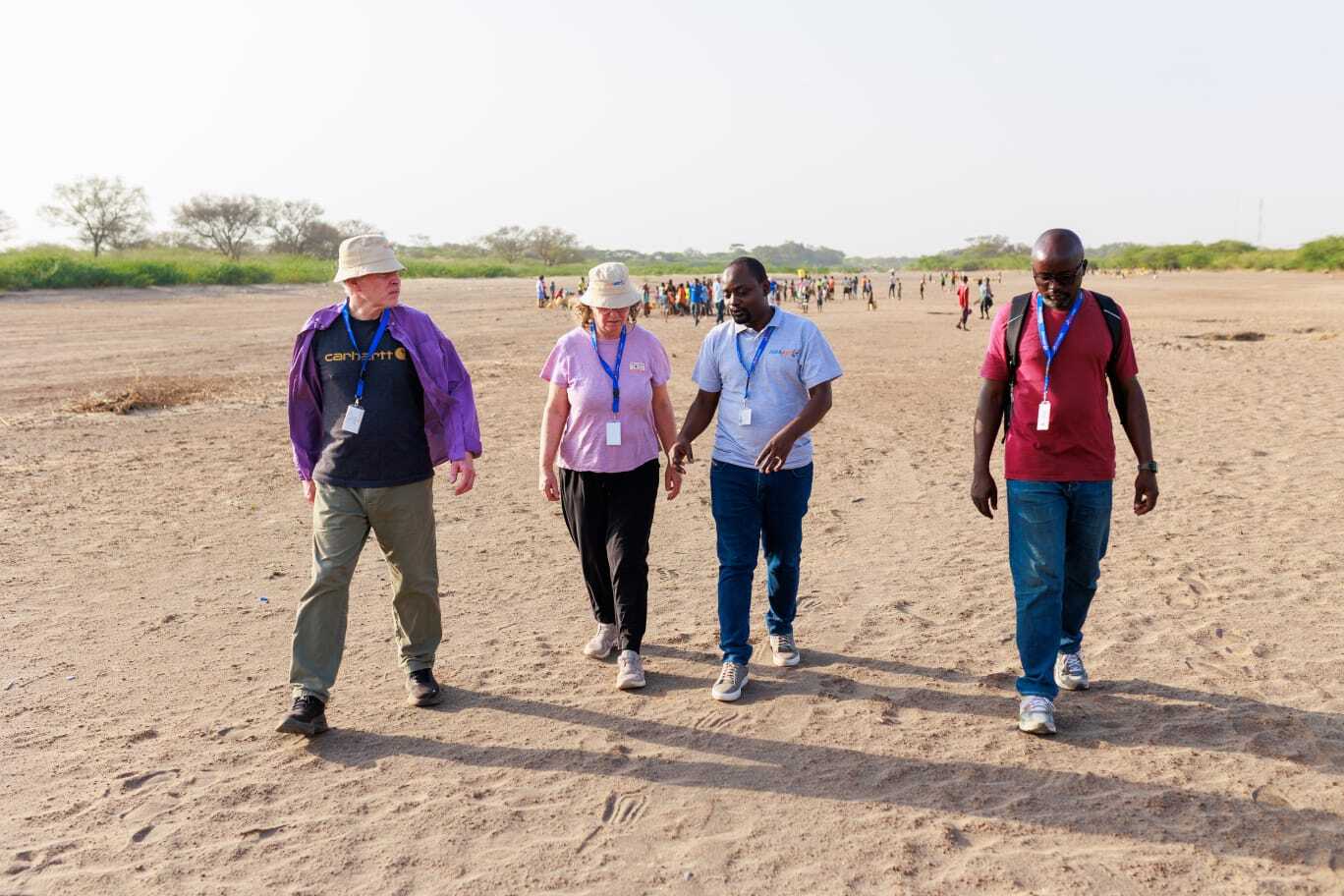
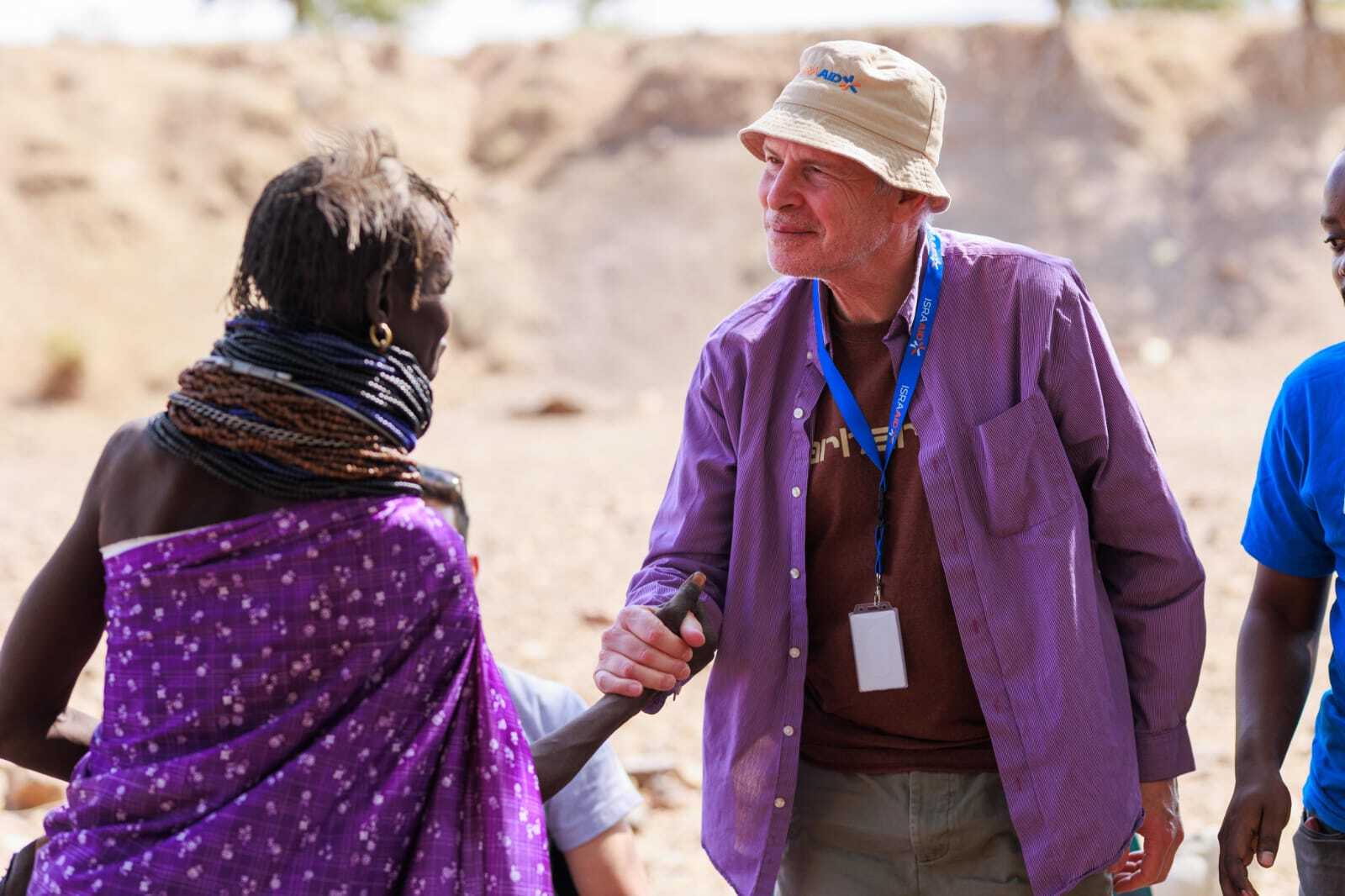
And yet, little could have prepared them for what they would encounter at the Kakuma refugee camp in Kenya, where they spent five days last month volunteering at one of the world’s largest refugee settlements with the Israeli humanitarian group IsraAid as part of the couple’s pivot to humanitarian efforts around the world.
Aviva, who was a school teacher before the Oct. 7, 2023, Hamas attacks, choked up as she recalled the pregnant teenagers she met in the camp, where hundreds of thousands of people have fled from places such as South Sudan, Somalia and the Democratic Republic of the Congo.
One of the teens she met, a 15-year-old girl, had just given birth to her second child. She had her oldest child at age 13. “It was too much for me to carry,” Aviva told Jewish Insider from New York. “It was too much for me to carry because of so many things. You know, these girls, some of them have been raped, and there’s nobody in the world that’s protecting them, nobody.”
It was a familiar feeling for the couple, who have each recounted having seen fellow hostages after they had been sexually assaulted by their Hamas captors.
The people she met at the refugee camp, Aviva said, were “screaming out with no voice to tell how bad the situation is there. It took me to Gaza, to those moments, and so many moments and so many days of not knowing if I’ll ever live, if I’ll make it, if I’m visible, if anybody is doing anything they could to take me out of there.”
“I didn’t understand in Gaza how the world let us stay there for so long,” she said.
The couple’s time in captivity — and after, as they became prominent activists lobbying for the release of the remaining hostages in Gaza — deepened their resolve to use their newfound prominence for good. From Kenya, the Siegels flew to Washington, where they met last week with First Lady Melania Trump.
“We were at the White House, and I told the first lady about our experience in Kakuma at the refugee camp, and the hardships and the horrific life they have there,” Keith said. “I kind of feel like I carry them with me, in my heart and my soul and my thoughts, and just to be able to be their voice here in the U.S.”
The couple exchanged experiences both with refugees in the camp and IsraAid staffers — many of whom are refugees themselves.
“I really felt like it was like a mutual understanding,” Keith said. “And also feeling like all of us, them and Aviva and I, have experienced suffering. All of us have experienced being hungry because we didn’t have food to eat, being thirsty because we didn’t have water to drink. Just the uncertainty, the lack of security and feeling like death could be imminent.”
Both Keith and Aviva said they were shaped by their early childhood experiences. Coming from apartheid South Africa, Aviva, whose family moved to Israel when she was 9, said that as a child, “I saw things that shouldn’t be in this world.”
Being at the refugee camp, she explained, “brought me back to those days of being a kid in a place that is just a disaster. It’s a disaster.”
Growing up in the U.S., Keith said, “my parents raised me, and they showed me, by their example, tikkun olam. It’s one of the important concepts about values of the Jewish faith.”
“I’m sure my late parents would be very, very proud of me,” he added. “I feel like I’m continuing their legacy of things that were so important to them their whole lives. They were helping people in many, many different ways. Within their community, but also outside of their community and around the world.”
The Siegels were connected to IsraAid through Matan Sivek, a co-founder of the D.C. Hostages and Missing Families Forum and, with his wife, a leader of the group’s U.S. efforts. Sivek, who lives in Washington, joined IsraAid as the group’s head of strategic partnerships last year.
The pairing between the Siegels and IsraAid was, as CEO Yotam Polizer told JI, “a spiritual match.”
“It’s an unbelievable privilege to have Aviva and Keith, because they are really bringing voice to the voiceless,” Polizer said. “They are, for me and for us, the best example of post-traumatic growth, which I believe is the essence of Israel — how these terrible, terrible tragedies could also turn into opportunities to support others and to build bridges.”
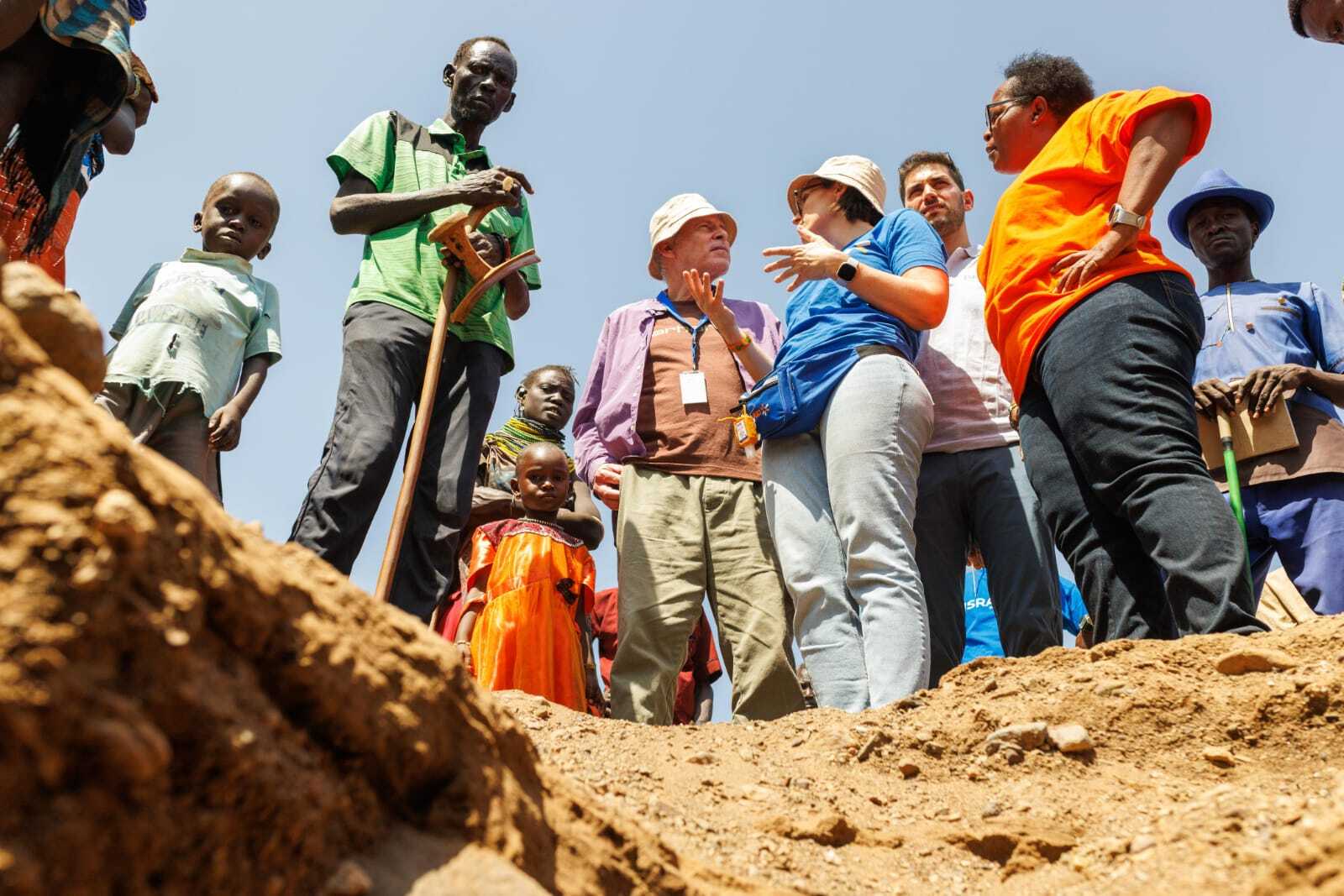
IsraAid has operated in the camp for more than a decade, and employs approximately 50 people there. Among the services it provides are health clinics, clean water access and schooling for some of the tens of thousands of children in the camp.
“Keith and I aren’t special in any way,” Aviva said. “We are just two people that were kidnapped from Kfar Aza and spent time in the world’s darkness, Keith for 484 days, and me for 51 days. And we know what it’s like to need help. So we need to help them. We just need to help them.”
Keith became emotional as he talked about the organization’s work across the globe. “I know there are many, many other people all around the world that are in big trouble, and I feel like it’s my responsibility as much as I can to search to be aware of people that are in trouble, and do whatever I can do to help them.”
For him, the pivot to the humanitarian field also served a deeper purpose. “Helping others,” he said, “is part of my healing.”

Please log in if you already have a subscription, or subscribe to access the latest updates.
 Continue with Google
 Continue with Apple