












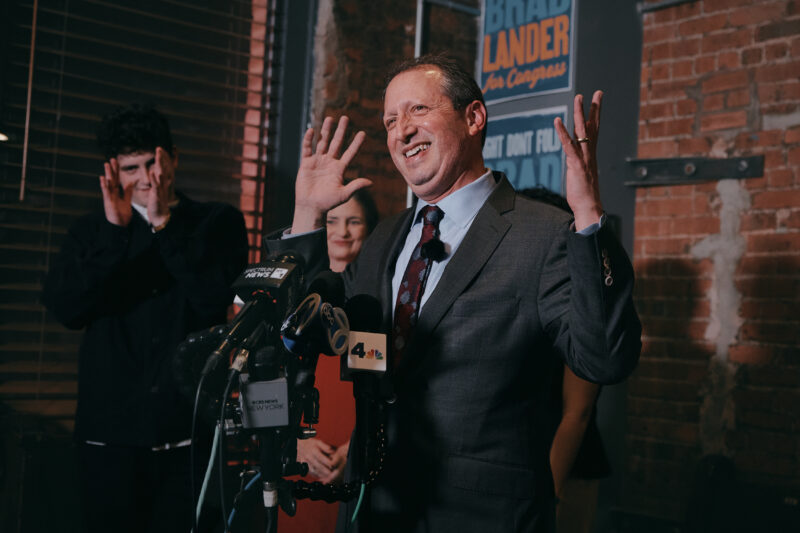




Biss reportedly told the committee ‘the great majority of his Jewish friends in the Northwestern community had no concerns,’ contrary to comments from Jewish community members and groups
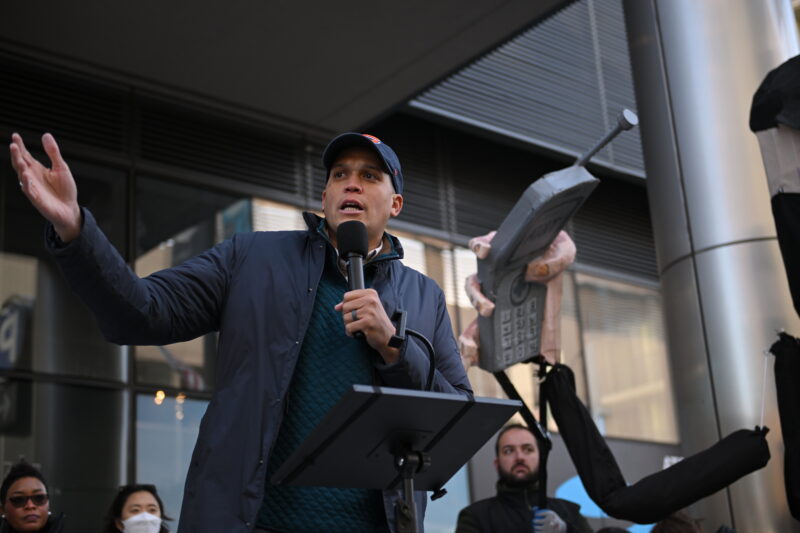
Scott Olson/Getty Images
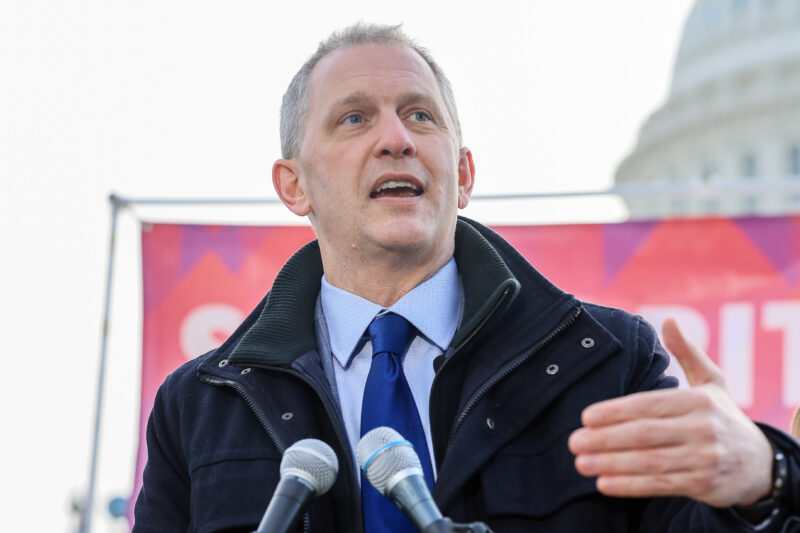
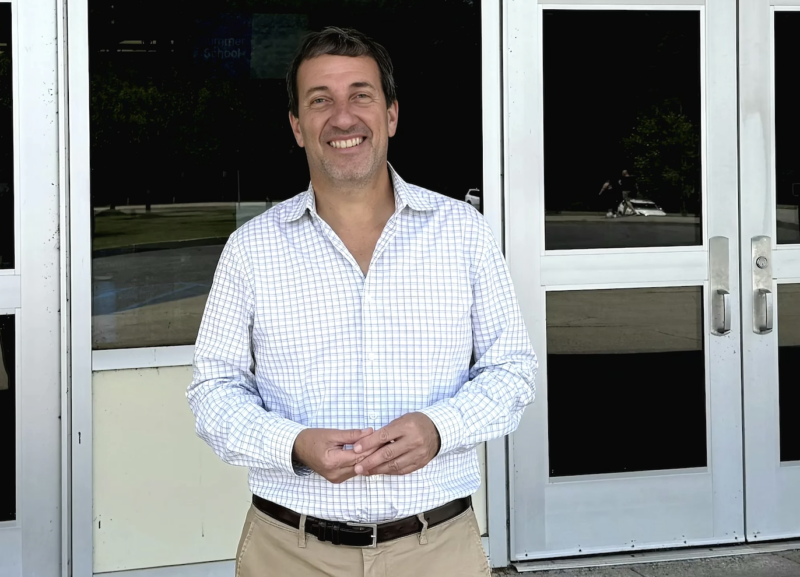
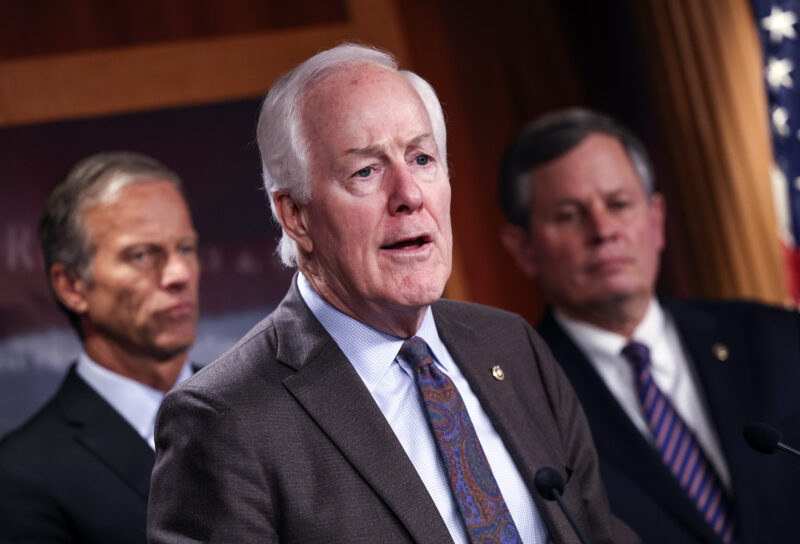
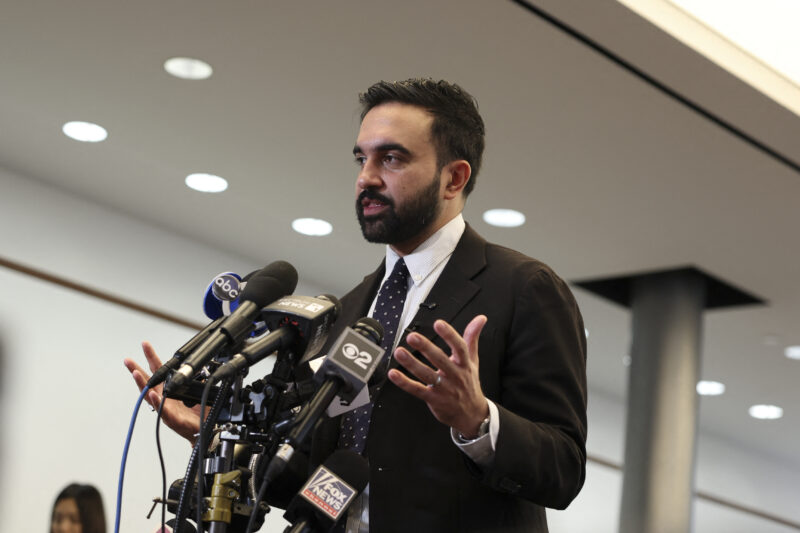
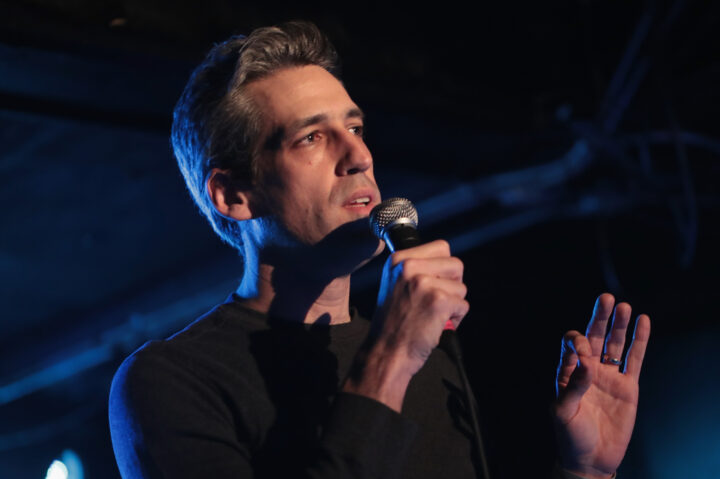
Evanston, Ill. Mayor Daniel Biss on March 6, 2018 in Chicago, Illinois.


 Add JewishInsider on Google
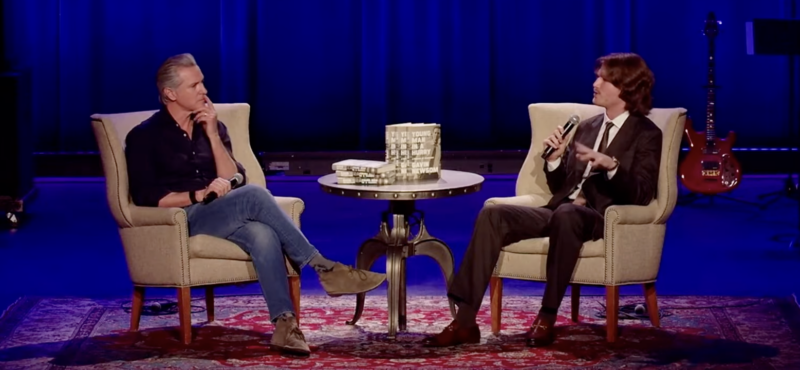
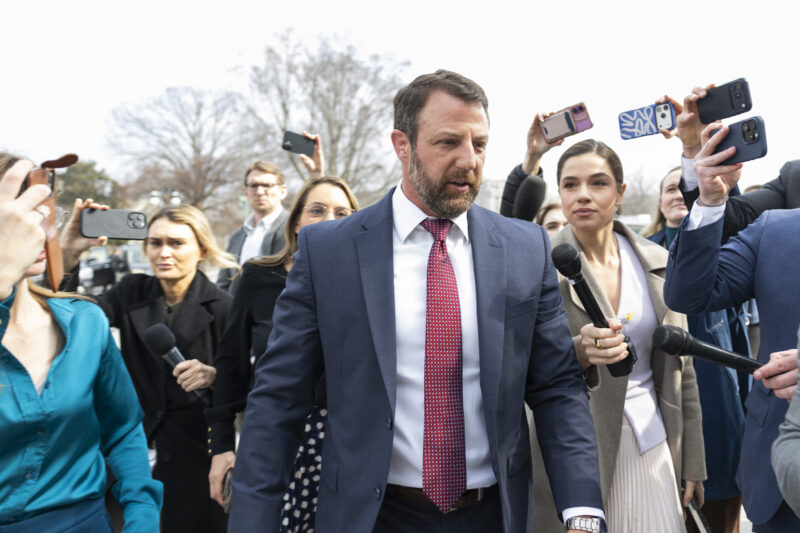
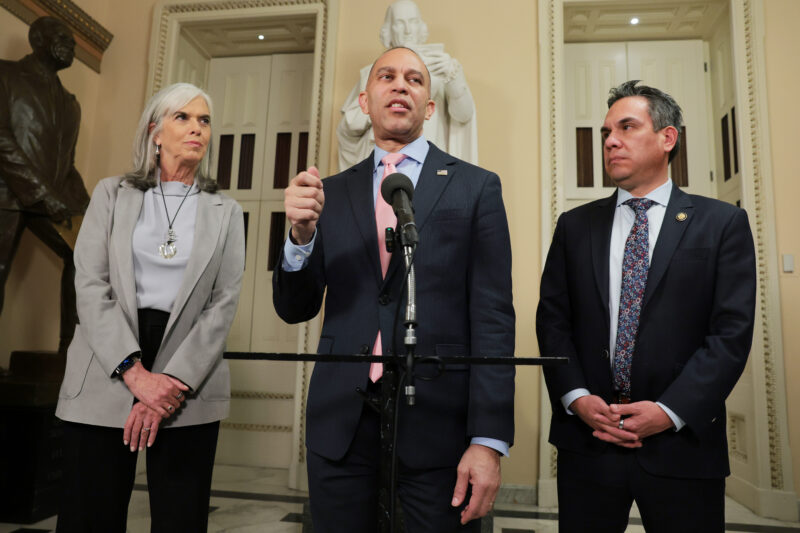
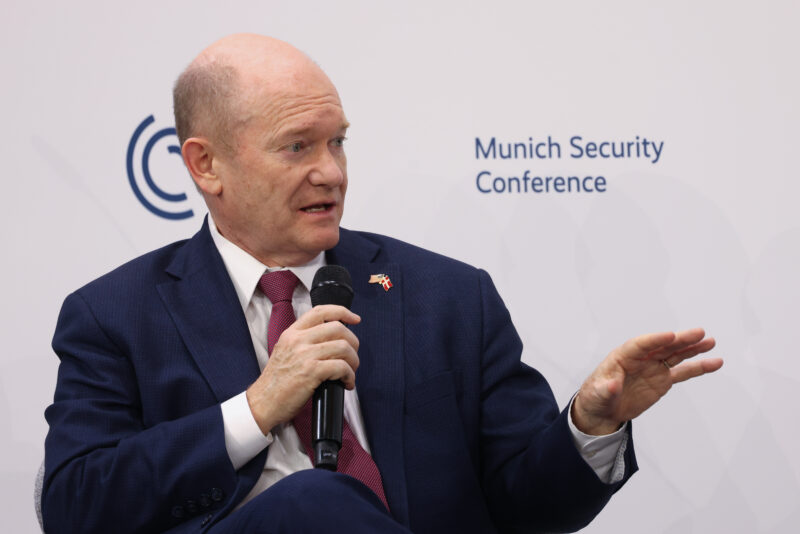
In a briefing for the House Education & Workforce Committee on his response to the anti-Israel protest encampment at Northwestern University in 2024, Evanston, Ill., Mayor Daniel Biss “severely downplayed” the situation on that campus and antisemitism across the country, the committee said.
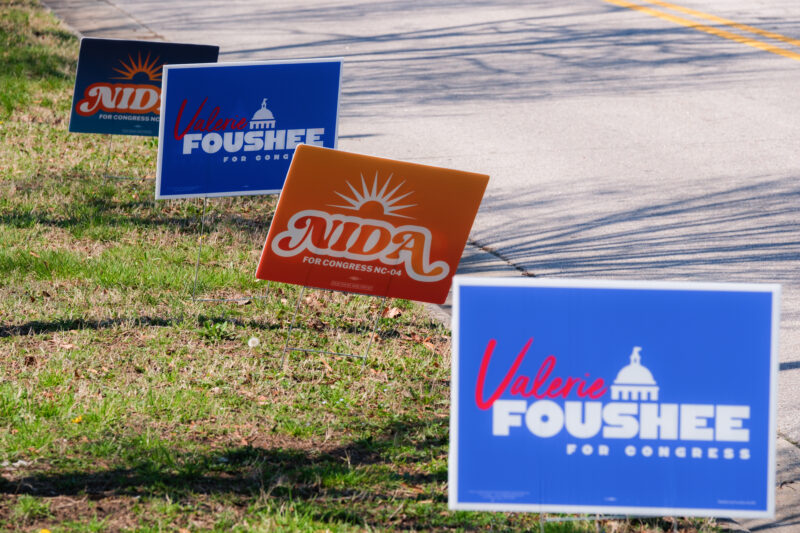
The committee asked Biss, who is a congressional candidate in the race to succeed retiring Rep. Jan Schakowsky (D-IL), to brief them on his decision to withhold Evanston police support from Northwestern University when requested by the school to help clear the encampment.
The lack of external law enforcement support prompted Northwestern to make a deal, widely criticized in the Jewish community, with the encampment members to disband voluntarily, according to internal Northwestern communications released by the committee.
“In his briefing with the Committee today, Mr. Biss severely downplayed antisemitism at Northwestern after October 7th. He told the Committee that the great majority of his Jewish friends in the Northwestern community had no concerns about it,” a committee spokesperson told Jewish Insider.
That’s at odds with comments from Jewish Northwestern community members and local Jewish groups about the encampment.
“He further stated that Northwestern should not have received an F on the Anti-Defamation League’s college report card. He even accused the Committee of alarmism that is not warranted by the facts when it comes to antisemitism at the university after the October 7th attacks,” the spokesperson continued. “The countless Jewish Northwestern students, faculty, and community members that the Committee has interviewed would say otherwise.”
The school reached an agreement with the Department of Justice last year, paying $75 million and making policy changes to address antisemitism on its campus.
Biss, meanwhile, has dismissed the committee’s questioning of him as a smear campaign orchestrated by AIPAC and one of his primary opponents, state Sen. Laura Fine, to hurt his congressional campaign.
“From the start, this ‘briefing’ was a flimsy attempt to weaponize the very real threat of antisemitism to attack me and support my opponent. It failed,” Biss said in a statement.
“I’m proud of my record of protecting peaceful protest and combating antisemitism, including my decision to decline the unnecessary and undemocratic request to clear the Northwestern encampment in 2024. As the Trump administration increasingly attacks our fundamental democratic rights, it’s more important than ever to back our commitment to peaceful protest with action. I hope the committee learned something today.”
Biss’ campaign also noted that only House staff attended the briefing, rather than lawmakers themselves.
Tricia McLaughlin, the DHS assistant secretary for public affairs, made the comments shortly after a federal appeals court ruled Khalil could be rearrested
Spencer Platt/Getty Images
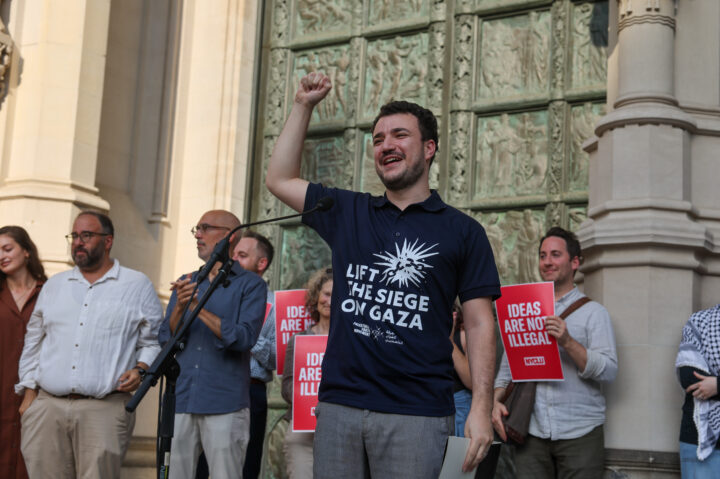
Palestinian activist Mahmoud Khalil, who was released from ICE detention, speaks during a rally on the steps of the Cathedral of St. John the Divine in Manhattan on June 22, 2025 in New York City.
Former Columbia University graduate student Mahmoud Khalil, a leader of the school’s anti-Israel protest movement, will likely be rearrested and deported to the North African country of Algeria, a top Department of Homeland Security official said Wednesday.
Khalil was released in June from the Immigration and Customs Enforcement detention center in Louisiana, where he had been held for three months. Last week, a federal appeals court ruled that he could be rearrested, instructing the lower court to dismiss Khalil’s habeas petition, a court filing that challenged his incarceration and eventually secured his release. His deportation proceedings had been paused.
Asked by Katie Pavlich on NewsNation on Wednesday whether there are plans to rearrest Khalil and move forward with deportation, Tricia McLaughlin, DHS assistant secretary for public affairs, said “it looks like he’ll go to Algeria. That’s what the thought is right now.”
“It’s a reminder for those who are in this country on a visa or on a green card. You are a guest in this country — act like it,” said McLaughlin. “It is a privilege, not a right, to be in this country to live or to study.”
New York City Mayor Zohran Mamdani said at a press conference on Thursday that Khalil “is a New Yorker. He should remain in New York City.”
“We have seen this attack on him as part of a larger attack on the freedom of speech that is especially pronounced when it comes to the use of that speech to stand up for Palestinian human rights. I will make that clear to everyone. He deserves to be in the city just like any other New Yorker,” Mamdani said.
Khalil, who grew up in Syria but is of Palestinian descent, first came to the U.S. on a student visa, and later married a U.S. citizen and received a green card. While a graduate student at Columbia in 2024, he led campus protests against the war in Gaza and subsequent negotiations with university administrators.
The federal government sought to deport Khalil on the basis of his failure to disclose crucial information in his green card application, including his former employment by the U.N. Relief and Works Agency that works with Palestinians, as well as his membership in the unofficial campus group Columbia University Apartheid Divest, which was banned from Instagram last year for promoting violence.
Immigration authorities arrested Khalil at his home in March. He was not charged with a crime. The White House said at the time that the government had authority to arrest and deport Khalil based on the 1952 Immigration and Nationality Act, which states that if the secretary of state has “reasonable grounds” to believe that a migrant poses “potentially serious adverse foreign policy consequences,” that person is eligible for deportation.
A memo submitted in May to the court in Louisiana and signed by Secretary of State Marco Rubio cited the president’s authority to expel noncitizens whose presence in the country could have adverse foreign policy consequences, regardless of whether they have committed a crime. It stated that Khalil’s arrest and planned deportation were based on his “participation in antisemitic protests and disruptive activities, which fosters a hostile environment for Jewish students in the United States.”
Khalil was released from ICE detention in June as the federal government sought his deportation
Spencer Platt/Getty Images
Palestinian activist Mahmoud Khalil, who was released from ICE detention, speaks during a rally on the steps of the Cathedral of St. John the Divine in Manhattan on June 22, 2025 in New York City.
A federal appeals court ruled on Thursday that former Columbia University graduate student Mahmoud Khalil, a leader of the school’s anti-Israel protest movement, could be rearrested.
Khalil was released in June from the Immigration and Customs Enforcement detention center in Louisiana, where he had been held for three months.
A three-judge panel from the U.S. Court of Appeals for the Third Circuit reopened the case on Thursday, instructing the lower court to dismiss Khalil’s habeas petition, a court filing that challenged his incarceration and eventually secured his release. In a 2-1 ruling, the panel decided that the federal district court in New Jersey that issued Khalil’s release did not have jurisdiction over the matter and that it should have been handled in immigration court, which is part of the executive branch overseen by the Justice Department, meaning Khalil is now liable to be rearrested.
Baher Azmy, a lawyer for Khalil, told The New York Times, “We are disappointed with and strongly disagree with the majority opinion, but take heart in the very powerful and persuasive dissenting opinion. We’ll continue to fight with all available legal options.” The dissenting option came from Judge Arianna Freeman, who said that Khalil had proved that he faced irreversible injuries during his detention.
Khalil’s deportation proceedings are currently paused, secured through a deal between his lawyers and the federal government. Thursday’s ruling could mean that the case restarts again, though it will very likely be appealed.
New York City Mayor Zohran Mamdani responded to the reopening of Khalil’s case, saying in a statement that “last year’s arrest of Mahmoud Khalil was more than just a chilling act of political repression, it was an attack on all of our constitutional rights.”
“Now, as the crackdown on pro-Palestinian free speech continues, Mahmoud is being threatened with rearrest. Mahmoud is free—and must remain free,” said Mamdani.
Khalil, who grew up in Syria but is of Palestinian descent, first came to the U.S. on a student visa, and later married a U.S. citizen and received a green card. While a graduate student at Columbia in 2024, he led campus protests against the war in Gaza and subsequent negotiations with university administrators.
The federal government sought to deport Khalil on the basis of his failure to disclose crucial information in his green card application, including his former employment by the U.N. Relief and Works Agency that works with Palestinians, as well as his membership in the unofficial campus group Columbia University Apartheid Divest, which was banned from Instagram last year for promoting violence.
Immigration authorities arrested Khalil at his home in March. He was not charged with a crime. The White House said at the time that the government had authority to arrest and deport Khalil based on the 1952 Immigration and Nationality Act, which states that if the secretary of state has “reasonable grounds” to believe that a migrant poses “potentially serious adverse foreign policy consequences,” that person is eligible for deportation.
A memo submitted in May to the court in Louisiana and signed by Secretary of State Marco Rubio cited the president’s authority to expel noncitizens whose presence in the country could have adverse foreign policy consequences, regardless of whether they have committed a crime. It stated that Khalil’s arrest and planned deportation were based on his “participation in antisemitic protests and disruptive activities, which fosters a hostile environment for Jewish students in the United States.”
Khalil’s arrest was largely met with cautious celebration from mainstream Jewish groups at the time who said his deportation was “fully justified” but emphasised a need for due process.
Khail was released on June 20 when Judge Michael Farbiarz ruled that his prolonged detention likely violated his constitutional rights.
One day after his release, Khalil appeared at a rally in New York City organized by a group accused of ties to the Iranian regime protesting the U.S.’ airstrikes on Iran’s nuclear facilities that had occurred a few days earlier.
The synagogue in Queens canceled services while nearby schools announced early closures; Democratic state Assemblyman Sam Berger said the area was ‘completely upended’
Michael M. Santiago/Getty Images
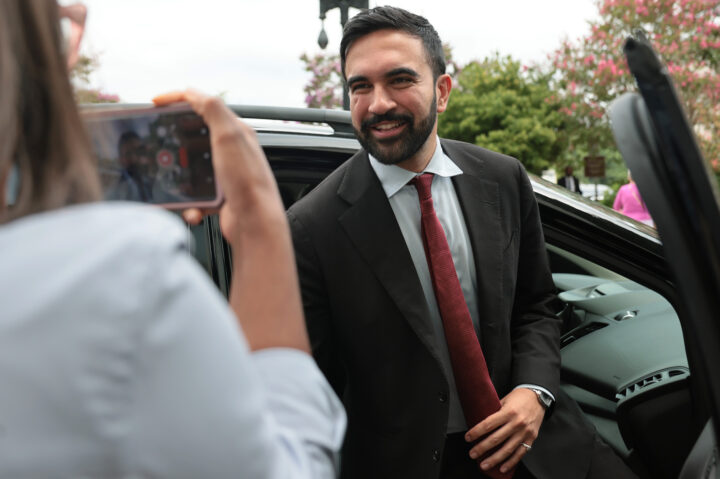
NYC Zohran Mamdani briefly speaks with reporters as he leaves the Dirksen Senate Office Building on July 16, 2025 in Washington, DC.
New York City Mayor Zohran Mamdani was silent regarding an anti-Israel protest in Queens on Thursday that caused nearby schools and a synagogue to close early in anticipation of the demonstration where protesters chanted “We support Hamas.”
The radical group behind the protest, called Palestinian Assembly for Liberation [PAL]-Awda, wrote on social media Thursday afternoon that it would gather in the evening outside of an event held by CapitIL, a Jerusalem-based real estate agency, at the Modern Orthodox synagogue Young Israel of Kew Gardens Hills. The post called it an “illegal event” promoting “blatant land theft and dispossession.”
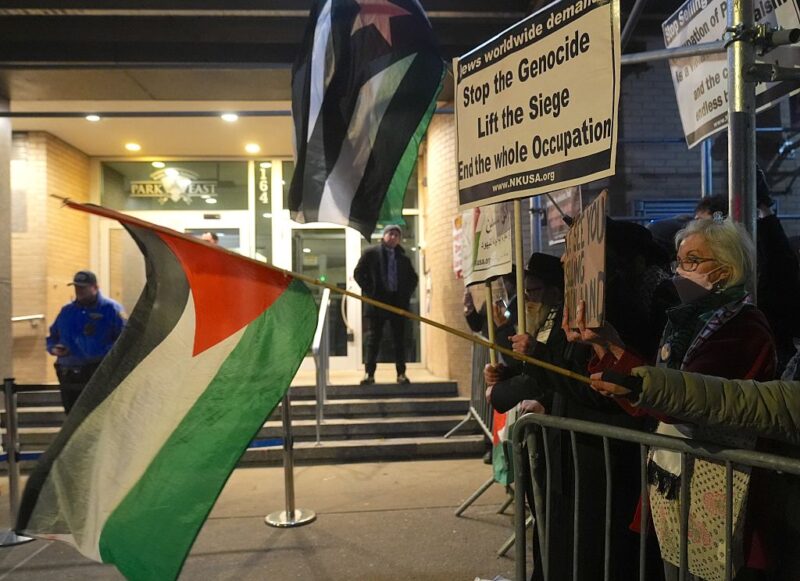
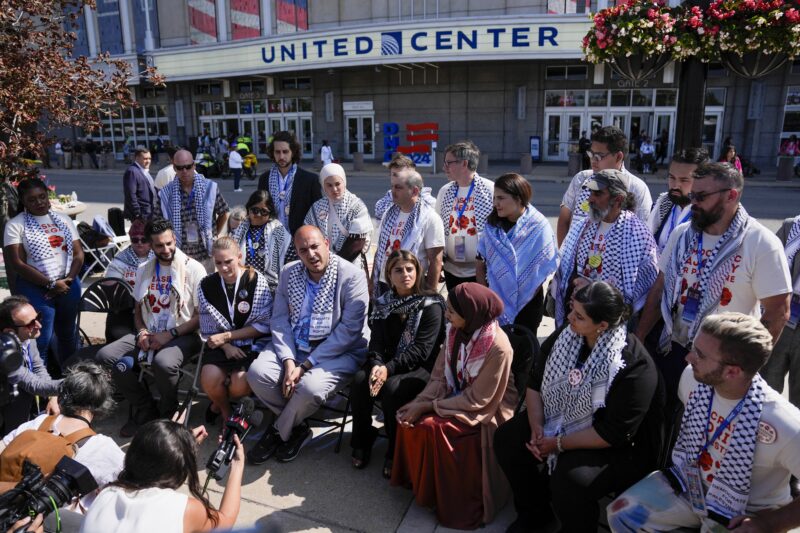
Dozens of masked, keffiyeh-clad demonstrators gathered near the synagogue and chanted, “We support Hamas here,” “There is only one solution, intifada revolution,” “Globalize the intifada” and “Death to the IDF” for more than two hours while banging on drums in the residential area in Queens’ heavily Jewish neighborhood of Kew Gardens Hills. One protester held a ripped Israeli flag that was painted red to resemble blood. The protest was also promoted by Columbia University Apartheid Divest.
A heavy NYPD presence monitored the demonstration and set up a barrier keeping protesters about 300 feet from the synagogue, and away from a counterprotest happening across the street.
The demonstration marked the first major test Mamdani has faced in protecting the city’s Jewish community since he was inaugurated last week. The same group led a protest in November outside of Park East Synagogue, where they gathered near the entrance, as it hosted a Nefesh B’Nefesh event providing information on immigration to Israel. NYPD Commissioner Jessica Tisch later called the November protest “turmoil,” while Mamdani’s office said the event was promoting “activities in violation of international law,” a statement his spokesperson would later revise.
Mamdani made no public statement regarding the protest on Thursday and his spokesperson did not respond to multiple inquiries from Jewish Insider, including one asking whether the mayor’s team had discouraged demonstrators from protesting and another asking if he condemned any of the slogans chanted.
After the announcement of the protest location, the synagogue canceled prayer services and two nearby schools, Yeshiva of Central Queens and PS 165, announced early closures. Democratic state Assemblymember Sam Berger, who represents the area, told JI that local principals, staff and parents were “very concerned.” The surrounding area was “completely upended,” he said.
“For our @NYCMayor who has said he ‘will always stand steadfast with our Jewish neighbors,’ I am calling on [Mamdani] for an immediate condemnation of this demonstration,” Berger wrote on X before the event.
The National Jewish Advocacy Center, a Jewish legal advocacy group, sent a letter earlier Thursday to Mamdani noting that “penal Law §240.20 squarely prohibits disorderly conduct that causes or recklessly risks public alarm — including masked intimidation. These laws must be enforced equally,” the group wrote.
Berger told JI during the protest that he was “grateful to the NYPD for the resources they deployed to keep order, but fielding dozens of calls from concerned parents and watching chaos descend on a peaceful community of working class New Yorkers was deplorable.”
“There is a time and a place to protest foreign policy and that is not in the middle of a residential neighborhood where families are simply trying to live their lives,” the assemblymember said.
PAL-Awda had previously planned a protest outside a Nefesh B’Nefesh event in Manhattan on Wednesday night. Less than an hour before the event began, the group announced that the demonstration was canceled, without providing a reason.
A few hours before Thursday evening’s demonstration was scheduled to begin, the group posted a series of instructions for participants including “mask up” and “bring Palestinian flags and signs.”
New York Gov. Kathy Hochul said on Tuesday she plans to implement a policy establishing “safety zones” around houses of worship. Protesters on Thursday remained further from the synagogue than the proposed legislation’s required 25-foot buffer zone.
Please log in if you already have a subscription, or subscribe to access the latest updates.
 Continue with Google
 Continue with Apple