


















































Survey finds heightened fear of antisemitism among Jewish Americans, with growing safety concerns
Young American Jews between the ages of 18-29 have faced the brunt of rising antisemitism, with 47% saying they were a target of antisemitism over the last year, compared to 28% among those 30 and over
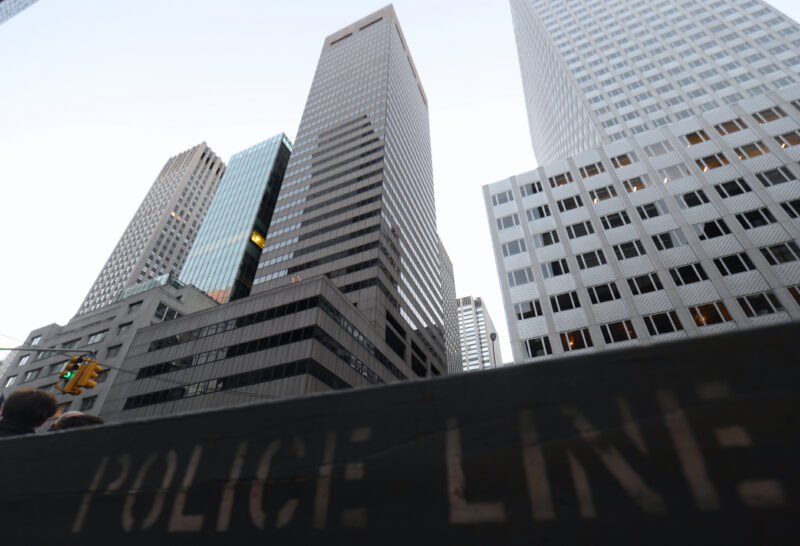
Spencer Platt/Getty Images
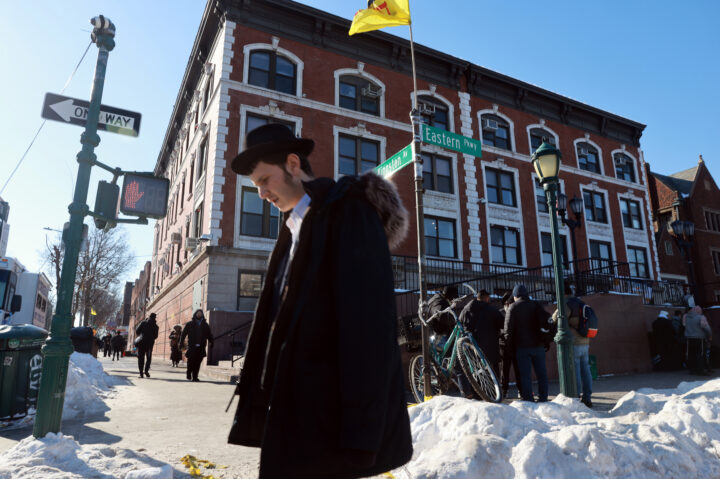
Members of the Hasidic Jewish community gather outside of the Chabad Lubavitch world headquarters, on January 29, 2026, in New York City.


 Add JewishInsider on Google
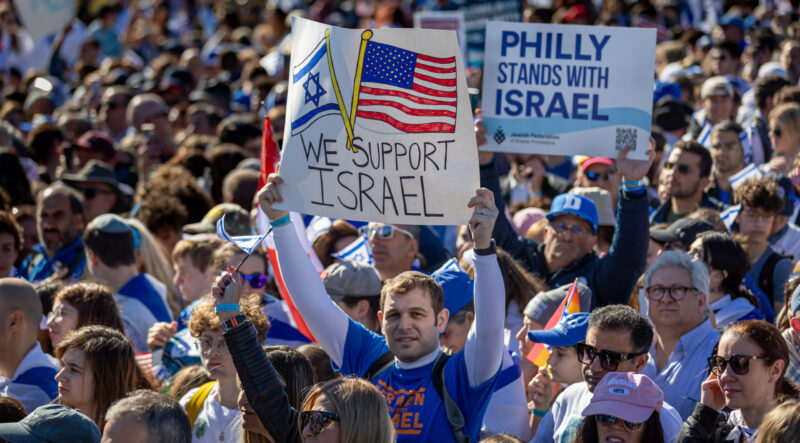
Nearly two-thirds of Jewish Americans say they feel less safe than a year ago, according to the American Jewish Committee’s newly released annual survey of Jewish public opinion, reflecting a heightened fear of antisemitism in the aftermath of several high-profile attacks against Jews and Jewish institutions.
As notable: About one-third of American Jews reported being a target of antisemitism — whether it was physical or in a virtual space. Nearly one-fifth said they would consider leaving the country as a result of antisemitism, a number that’s been on the rise over the last several years (up from 6% in 2024).
Young American Jews between the ages of 18-29 have faced the brunt of rising antisemitism, with 47% saying they were a target of antisemitism over the last year, compared to 28% among those 30 and over.
At the same time, about two-thirds (65%) of Jews overall said they felt safe attending Jewish institutions, while 60% said they were not worried about being a victim of antisemitism in the next year.
The polling, conducted by SSRS between September and October 2025, shows that both reported antisemitic incidents and fear of facing antisemitism have plateaued but are still near historic highs, when compared to the AJC’s previous surveys. (SSRS surveyed 1,222 Jewish respondents in one survey between Sept. 26-Oct. 29; it separately surveyed 1,033 U.S. adults between Oct. 3-5.)
Antisemitism continues to be particularly prevalent on college campuses, where 42% of students have reported anti-Jewish hate during their time in school — up from 35% in the AJC’s 2024 survey. The vast majority of Jewish parents (80%) said that the level of antisemitism on a campus plays a role in deciding where their student will attend college.
There’s also a noticeable gap between the near-universal view among Gen Z Jewish Americans that antisemitism is a problem (93%) and the significant but much smaller share of non-Jewish young Americans who think it is a problem (61%).
In addition, there is a noticeable spike in American Jews being exposed to explicit antisemitism when scrolling on social media. Over half of Jewish respondents (54%) said they’ve dealt with antisemitism on Facebook — up seven points in the last year. Over one-third (38%) said they’ve experienced antisemitism on YouTube — an 11-point spike in the last year. And two-fifths of Jewish respondents said they’ve experienced antisemitism on Instagram — up eight points since 2024.
Also significant: The survey asked Jewish respondents whether the phrase “globalize the intifada” — one that New York City Mayor Zohran Mamdani has pointedly declined to condemn — would make them feel unsafe. The vast majority (69%) of American Jews said it would either make them feel “very unsafe” or “somewhat unsafe.”
Among non-Jews, interestingly, the poll found very few (only 13%) had seen or heard the phrase “globalize the intifada” at all in the last year — possibly a reflection of why Mamdani’s refusal to condemn the slogan didn’t become a bigger political problem for him.
But among the general public, there was a wide awareness of how such virulently anti-Israel sloganeering is intermingled with antisemitism. More than three-quarters of overall respondents (79%) said that believing Israel has no right to exist is antisemitic, while about two-thirds said that anti-Zionist slogans like “Free Palestine” and “globalize the intifada” were connected to antisemitic incidents.
More Stories
MEDIA MOMENT
White House taps Hamas-sympathetic Drop Site News in press corps rotation

Fuentes’ following
New report documents foreign engagement driving online antisemitic activity
IRAN WAR UPDATE
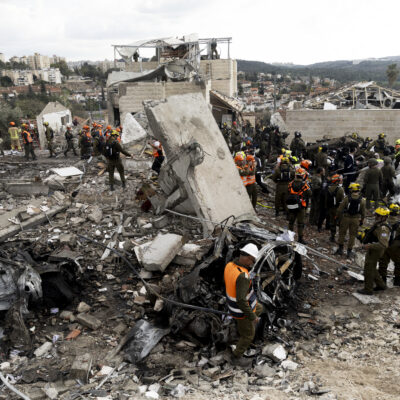
At least 12 killed in Iranian missile strikes in Israel since start of war
ANALYSIS
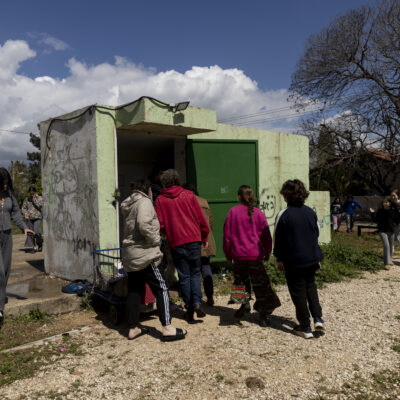
Why Israelis are still running for shelter after most of Iran’s missiles capacity was ‘functionally destroyed’
TROUBLING TIES
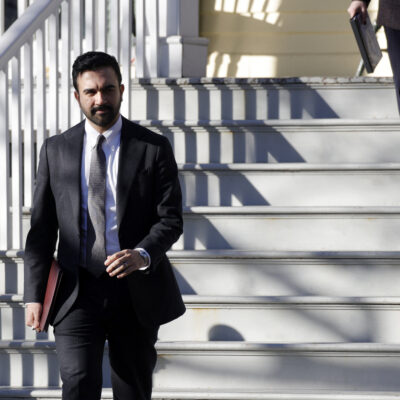
Leading NYC Jewish groups raise ‘deep concerns’ over Mamdani’s latest extremist associations
blake's backtrack
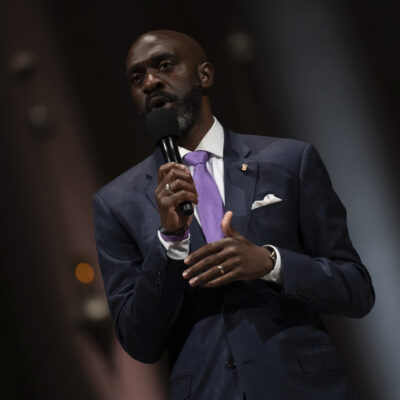
In 2020 AIPAC position paper, Michael Blake vowed to support Israel, highlighted Black-Jewish unity
Please log in if you already have a subscription, or subscribe to access the latest updates.
 Continue with Google
 Continue with Apple