
























American Jewish groups’ unrealized role in the Abraham Accords
Plus, a wide-ranging interview with Sen. Lindsey Graham


 Add JewishInsider on Google
👋 Good Friday morning!
In today’s Daily Kickoff, we preview today’s meeting between Saudi Defense Minister Khalid bin Salman Al Saud and Jewish leaders amid concerns over Riyadh’s pivot away from moderation, and sit down with Sen. Lindsey Graham to talk about his recent conversations with Saudi officials. We talk to friends, relatives and colleagues of Nat Lewin ahead of the attorney’s 90th birthday tomorrow, and report on the EU’s designation of Iran’s Islamic Revolutionary Guard Corps as a terror organization. Also in today’s Daily Kickoff: Sen. Amy Klobuchar, David Brooks and Aviad Maizels.
Today’s Daily Kickoff was curated by JI Executive Editor Melissa Weiss and Israel Editor Tamara Zieve, with assists from Danielle Cohen-Kanik and Marc Rod. Have a tip? Email us here.
What We’re Watching
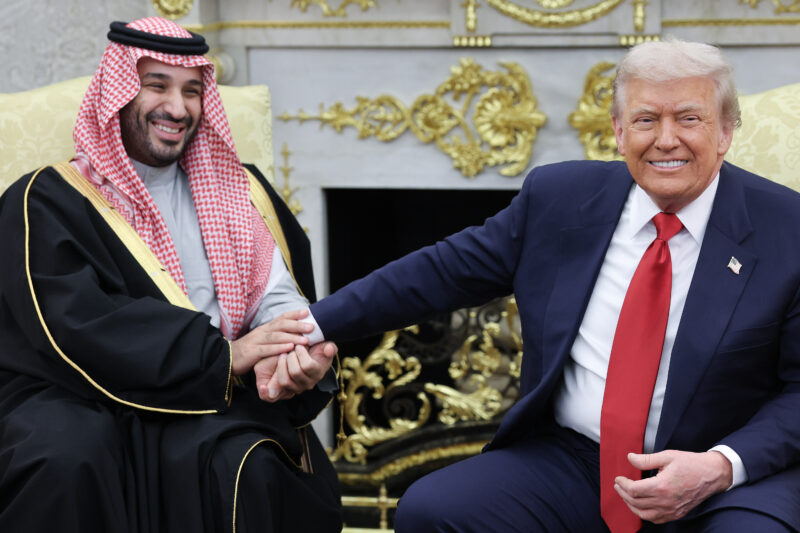
- Saudi Defense Minister Khalid bin Salman Al Saud is slated to meet today with Jewish leaders as he concludes a two-day trip to Washington. More below.
- The Saudi defense minister’s meetings with senior Trump administration officials are expected to focus on ongoing tensions between the U.S. and Iran as President Donald Trump continues to mull military action against the Islamic Republic. The U.S. sent a sixth warship to the Gulf this week as it shores up its military assets in the region.
- Trump is expected to announce his pick for Fed chair today, with advisors to the president saying he plans to nominate former Fed governor Kevin Warsh.
- The Alfalfa Club is holding its annual dinner in Washington tomorrow night. In a personal first, Trump, who skipped the dinners during his first term as well as last year, will attend the black-tie dinner.
What You Should Know
A QUICK WORD WITH JI’S MATTHEW KASSEL
Jewish and pro-Israel organizations that have celebrated the Abraham Accords in recent years appear slow to recognize the role they could be playing within the Abrahamic coalition — particularly by leveraging their Washington clout and decades of experience engaging Congress — as countries in the accords face increasing criticism for their participation in the normalization framework.
In recent weeks, prominent Saudi social media figures and media outlets have amplified sharply critical and often inflammatory rhetoric aimed at countries that joined the Abraham Accords, particularly the United Arab Emirates, portraying normalization with Israel as a betrayal of regional interests and casting Abu Dhabi as a proxy for Israeli power.
Countries that joined the Abraham Accords do not have comparable grassroots advocacy in Washington, making the role of established Jewish and pro-Israel organizations potentially consequential to the broader normalization effort. Yet despite those long-standing relationships, the groups have mounted little effort to inform the conversation in Washington as the Abraham Accords and their signatories face growing attacks. This was evident from Jewish Insider’s reporting earlier in January, when pro-Israel lawmakers from both parties largely downplayed concerns about Saudi Arabia’s shift when asked for comment.
Several of the groups have voiced growing discomfort with the kingdom’s pivot away from what was perceived as its moderating force in the region. But their relatively cautious responses, particularly around Riyadh’s increasingly hostile posture toward Israel and traditional alliances, have also highlighted an awkward tension as they seek to maintain support for the long-sought but elusive goal of bringing Saudi Arabia into the Abraham Accords.
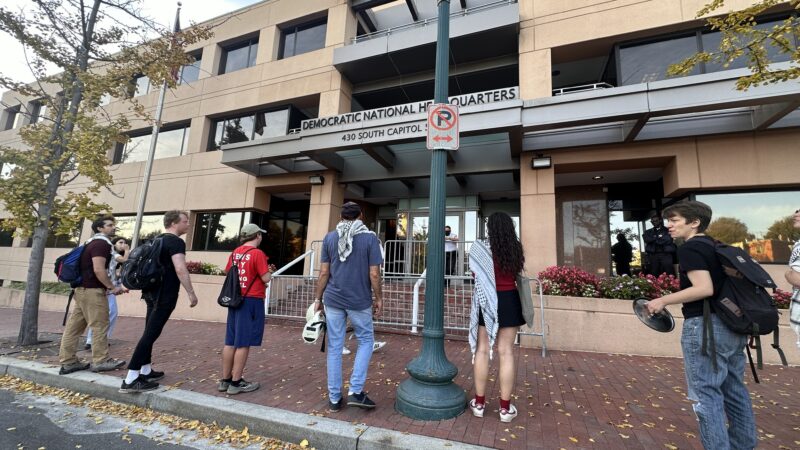
That dynamic has come into sharper focus as a few major Jewish and pro-Israel organizations prepare to attend a sensitive meeting in Washington on Friday with Saudi Arabia’s defense minister, raising questions about how — or whether — the groups will more forcefully confront the growing rhetoric against the Abraham Accords.
Among the groups invited to the meeting were the American Jewish Committee, the Anti-Defamation League, the Conference of Presidents of Major American Jewish Organizations and the Zionist Organization of America, multiple sources familiar with the situation told Jewish Insider on Thursday, though it remains unclear which will attend. The Foundation for Defense of Democracies confirmed it would be attending a separate sit-down with the defense minister in the morning.
Notably, representatives from the pro-Israel lobbying group AIPAC weren’t set to attend, according to some sources familiar with the dynamics, hinting at some possible internal debate in the community regarding the wisdom of engaging with Saudi Arabia in spite of its troubling recent behavior. AIPAC declined to comment on the meeting when reached by JI on Thursday afternoon.
The AJC and ADL also declined to comment, and the Conference of Presidents did not respond to a request for comment. The Republican Jewish Coalition was invited to the meeting, one informed source told JI, but the group would not confirm its involvement.
The varying approaches suggest that Jewish organizations are strategically sensitive to alienating Saudi Arabia — as they hope for a change of heart on normalization with Israel. In turn, many groups haven’t directly confronted the antisemitic vitriol among influential figures in the kingdom.
Still, Abe Foxman, the former longtime national director of the ADL, stressed that efforts to court Saudi involvement in a diplomatic agreement with Israel need not obscure a broader commitment to strenuously denouncing the kingdom’s “anti-Israel expressions and antisemitism.”
“As much as we may want Saudi Arabia to join the Abraham Accords, that hope and desire should not inhibit our ability to criticize” its recent policies, Foxman told JI on Tuesday. “I recall that during the years we pursued peace between Israel and Egypt and Israel and Jordan, we did not refrain from being critical of their anti-Israel policies or their embrace of antisemitism.”
SENATOR SAYS
Graham says conversation with Saudi leaders eased his concerns about kingdom’s pivot from moderation
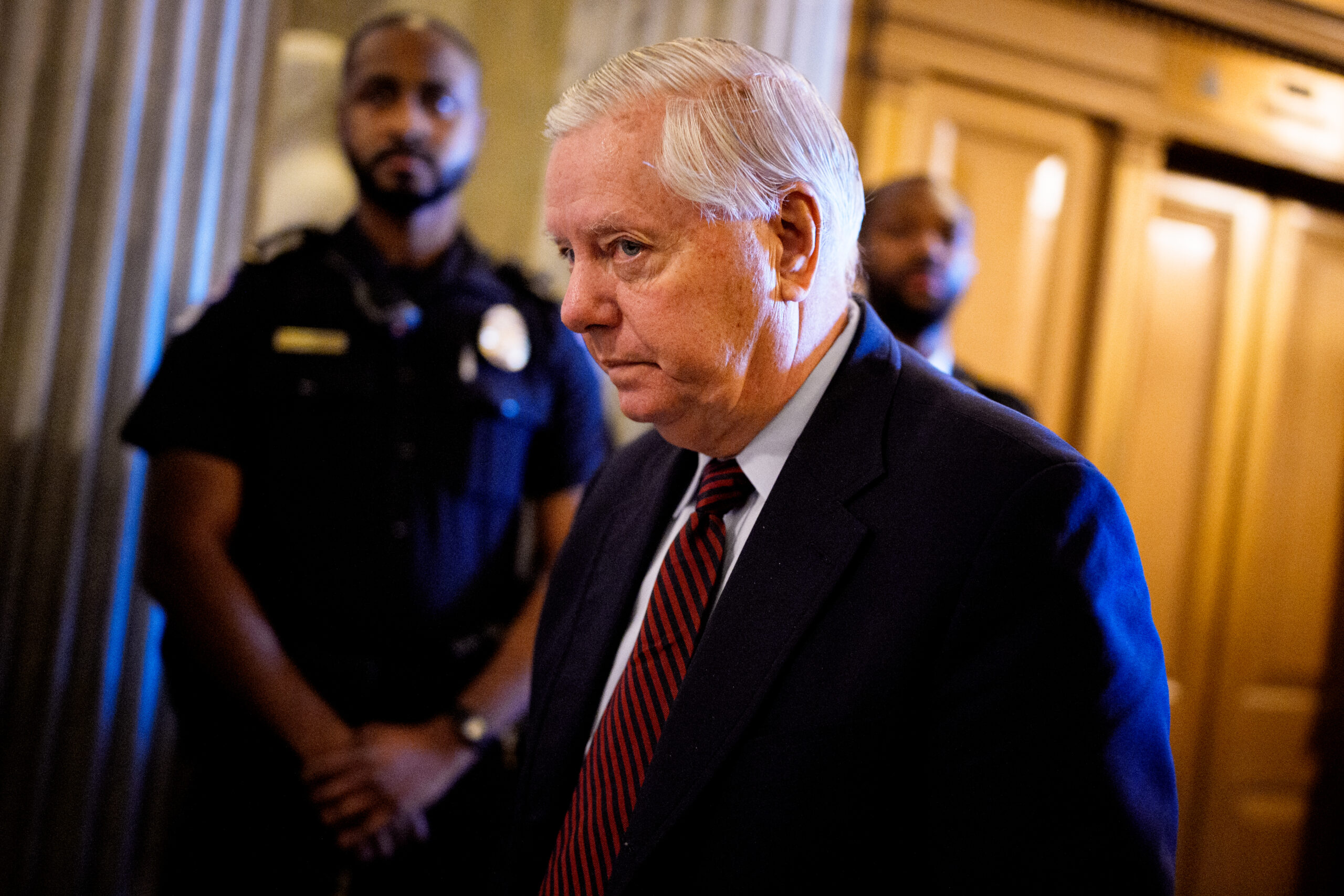
Sen. Lindsey Graham (R-SC) expressed confidence on Thursday that Saudi Arabia is intent on maintaining its status as a moderating force in the Middle East amid growing concerns that Riyadh is entertaining more hard-line Islamism, Jewish Insider’s Emily Jacobs, Marc Rod and Josh Kraushaar report.
Reassured: Graham met on Thursday morning with Saudi Defense Minister Khalid bin Salman Al Saud in Washington and spoke by phone on Wednesday with Saudi Foreign Minister Faisal bin Farhan Al Saud. “After having met with the Saudis today, I understand their concerns better. I don’t agree with everything they’ve done, but I fundamentally believe that the vision is still the same,” Graham told JI in a wide-ranging discussion. “To all those who think like me and have been upset by what you’ve heard, I understand why you’re upset, but I would just say this: If I feel good, you should feel good.”
Another take: Meanwhile, Sen. Richard Blumenthal (D-CT) warned on Thursday in comments to JI’s Marc Rod that the U.S. would need to reevaluate its entire relationship with Saudi Arabia if Riyadh pivots in the long term from efforts to normalize relations with Israel.
TEHRAN TALK
Trump amps up threats of military strike against Iran amid deadlocked diplomacy

President Donald Trump, over the last week, has gradually amped up threats of a military strike against Iran, pivoting away from talk of diplomatic negotiations amid continued intransigence from Tehran, Jewish Insider’s Lahav Harkov reports. Amid widespread reports of secret talks between Washington and Tehran through Omani mediators, CNN reported on Thursday that they made no progress on limiting the Iranian nuclear and ballistic missile programs, and that Trump was once again weighing military action.
State of play: Dan Diker, president of the Jerusalem Center for Security and Foreign Affairs, told JI that Trump is engaged in “maximum-pressure negotiations,” which are “setting up the regime to say no.” Nadav Pollak, a lecturer at Reichman University and Israeli intelligence veteran, told JI that the latest developments were significant in that “Trump laid out terms for a deal and Iran said no, or didn’t say anything. It’s not surprising, because his terms — no nuclear program, no ballistic missiles over a certain range, no support for its proxies — are a surrender without concessions [from the U.S.], something the supreme leader can’t do.”
EVANSTON SHOWDOWN
House Education Committee chair accuses Daniel Biss of obstructing efforts to clear Northwestern encampment
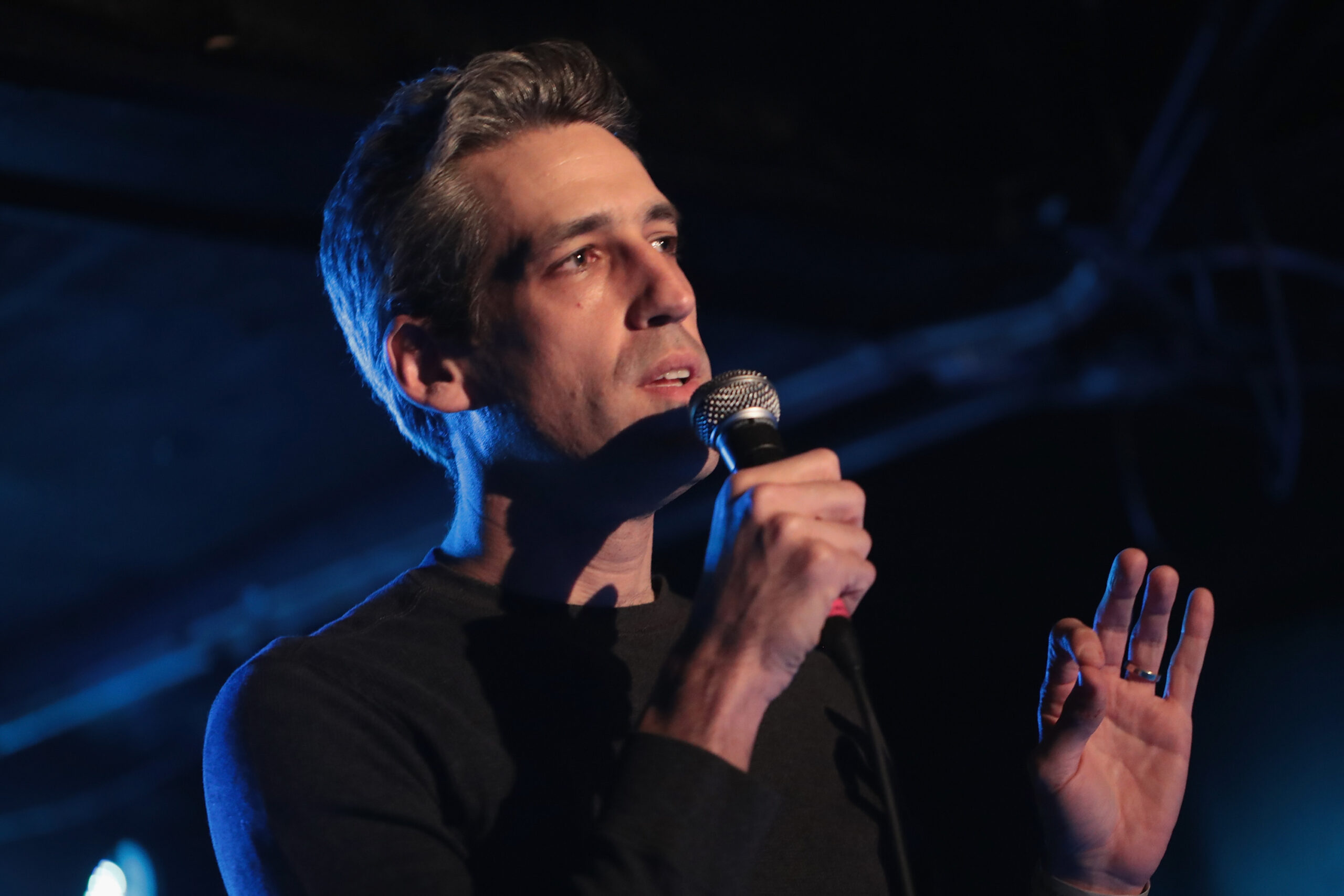
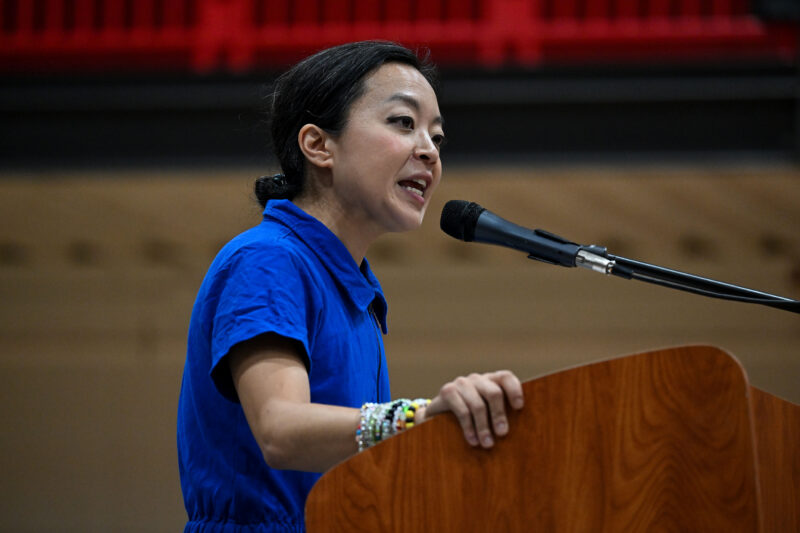
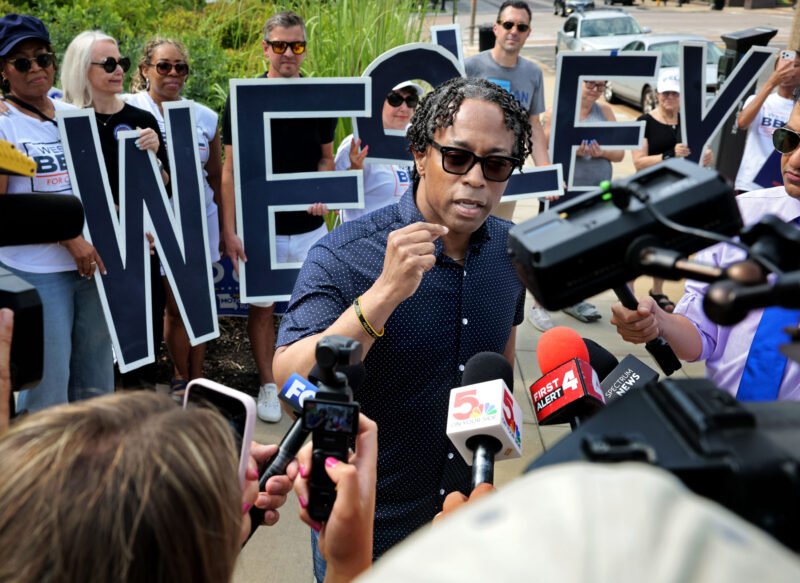
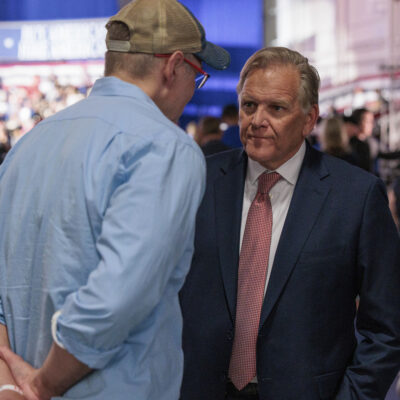
Rep. Tim Walberg (R-MI), the chairman of the House Education and Workforce Committee, accused Evanston, Ill., Mayor Daniel Biss on Wednesday of blocking city police from assisting Northwestern University in responding to the 2024 “antisemitic” encampment protesting the war in Gaza — against the school’s request, Jewish Insider’s Marc Rod reports. Biss, who is running in a competitive race for an open Illinois House seat, pushed back, accusing Walberg of attempting to sabotage his primary campaign at the behest of AIPAC.
Inside story: In a letter to Biss, Walberg released internal communications by top Northwestern officials, including former President Michael Schill, about their communications with Biss and efforts to clear the encampment and conduct arrests. Schill indicated to colleagues that more police would be needed than the school had available to successfully clear the encampment, but the school had to halt plans to do so after Biss communicated to the school that his position on the situation would not change. Trustee Michael J. Sacks said in one message to Schill, “I know Biss well. If the winds blow in the wrong way he will throw you under the bus. No hesitation.”
TERROR TAG
EU designates IRGC as terror organization in policy reversal
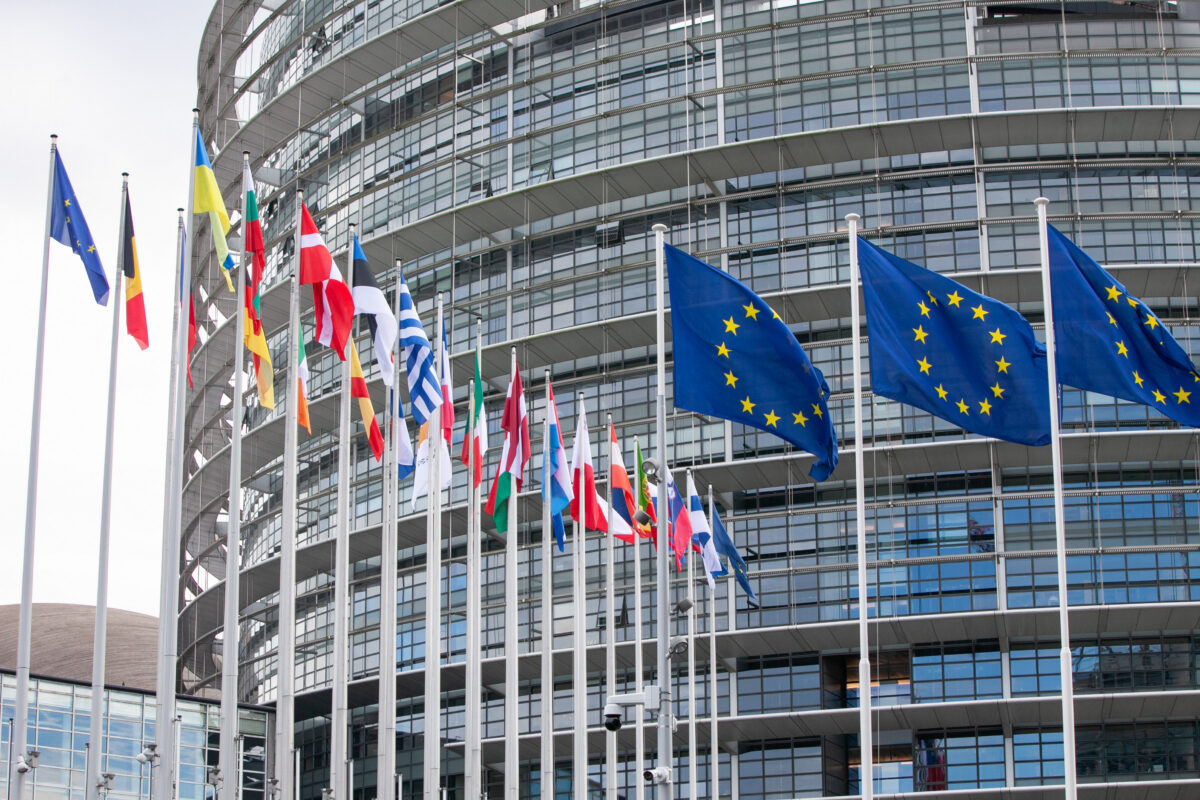
The European Union designated Iran’s Islamic Revolutionary Guard Corps as a terrorist organization on Thursday, marking a significant shift in policy for European countries that had long been wary of irreparably harming ties with Tehran, Jewish Insider’s Matthew Shea reports.
Unanimous vote: The 27 European Union foreign ministers convened in Brussels, where they voted unanimously to make the designation as a response to Iran’s violent suppression of nationwide protests. The decision puts the IRGC among the likes of al-Qaida, Hamas and the Islamic State on the EU terror list. The bloc also imposed new sanctions on 15 Iranian officials, including top commanders of the Revolutionary Guard, in addition to existing stringent sanctions. “Repression cannot go unanswered,” Kaja Kallas, the EU’s high representative for foreign affairs and security policy, wrote on X on Thursday following the decision. “EU Foreign Ministers just took the decisive step of designating Iran’s Revolutionary Guard as a terrorist organisation. Any regime that kills thousands of its own people is working toward its own demise.”
BOOKED AND BIASED
Driver who rammed Chabad Lubavitch headquarters charged with hate crimes

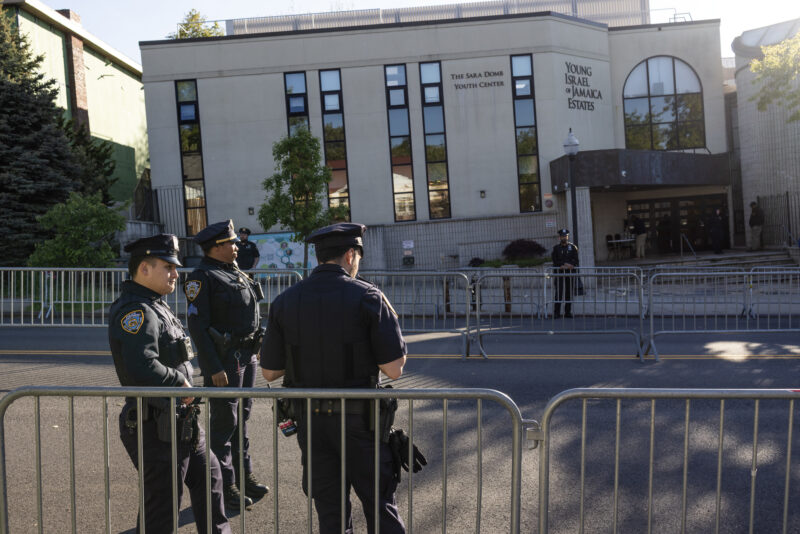
Police say the 36-year-old who ran his vehicle into the Chabad Lubavitch world headquarters in Brooklyn on Wednesday night had previously attended an event at the synagogue, and was again attempting “to connect with the Lubavitch Jewish community” — but will now face multiple hate crimes charges, Jewish Insider’s Will Bredderman reports.
What we know: At a Thursday press conference, NYPD Chief of Detectives Joseph Kenny disclosed that Dan Sohail of Carteret, N.J., was the driver who plowed his Honda Accord into the Crown Heights synagogue and yeshiva of the late Lubavitcher Rebbe, Rabbi Menachem Mendel Schneerson. Kenny revealed that Sohail had “recently connected with the Lubavitch community” and attended a “social gathering” at the same location 10 days prior. The vehicle ramming occurred on Yud Shevat, the anniversary of the death of Rebbe Yosef Yitzchak Schneersohn, the previous Lubavitcher Rebbe, a highly significant date for the Lubavitch community that draws large crowds to the Crown Heights area.
LEWIN’S LEGACY
The cases that made Nat Lewin — and the causes he made possible
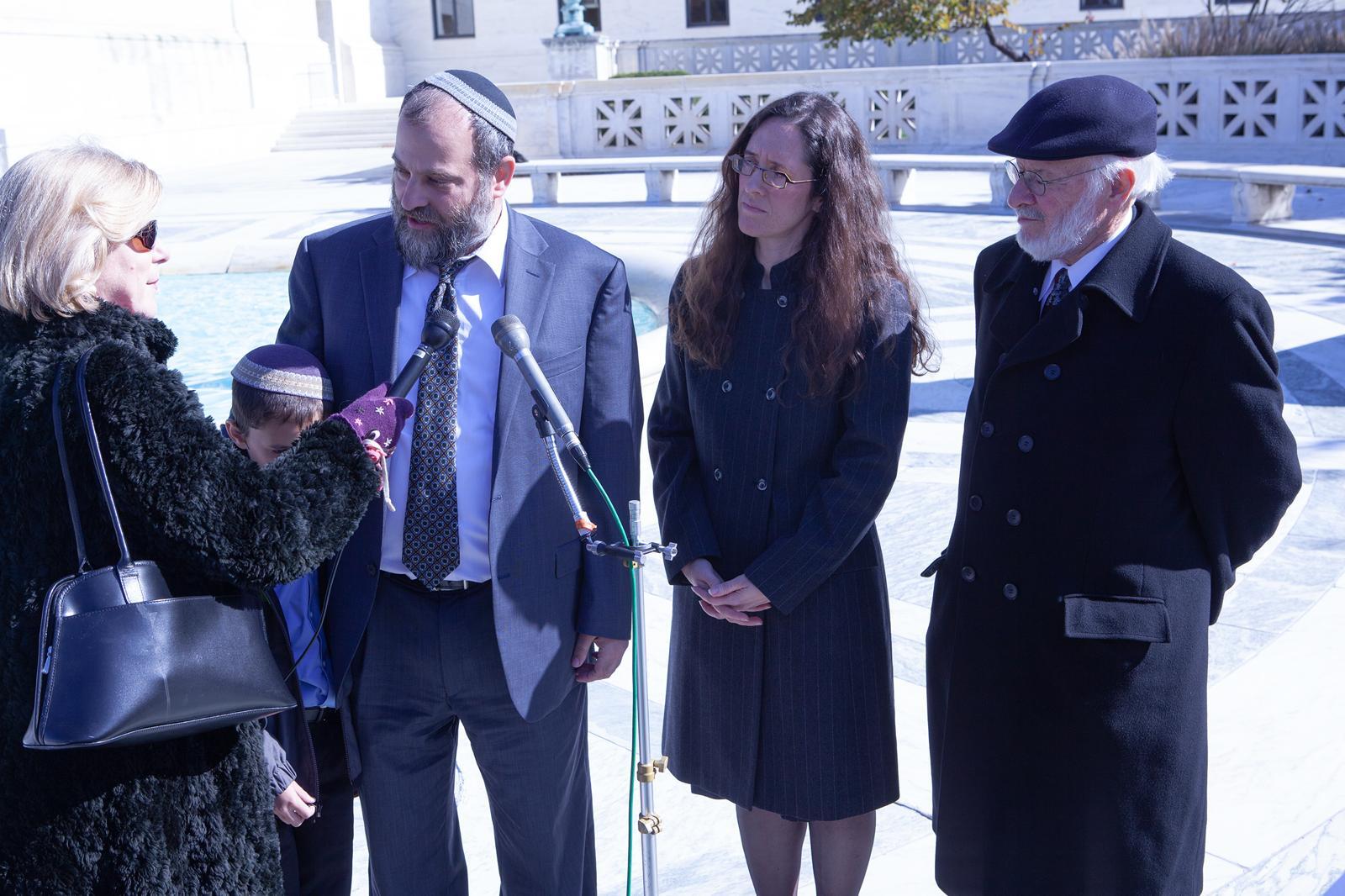
Nat Lewin is one of the giants of the American legal profession: 28 oral arguments in front of the Supreme Court, the prosecution of union leader and alleged mob boss Jimmy Hoffa, responsible for the drafting of a historic amendment to the Civil Rights Act of 1964, a stint as a contributing editor at The New Republic. Now, decades after rising to the pinnacle of the American legal profession — following a complicated start as a promising Orthodox law student who was shut out of white shoe law firms that would not hire an observant Jew — Lewin and a cadre of high-profile friends and legal colleagues, allies and opposing counsel alike, are reflecting on his legacy ahead of his 90th birthday on Saturday, Jewish Insider’s Gabby Deutch reports.
To 120: “I hope he lives to 120 and a few months. Nobody should ever die on their birthday, so that’s why I always say 120 and a few months,” Harvard Law professor Alan Dershowitz told JI of Lewin, who he has known for 70 years. “He is a Gadol Ha’dor, a giant of our generation.” (Coincidentally, the biblical character who lived to 120, and inspired Jews to wish the same for each other, was Moses.) Dershowitz is three years younger than Lewin, whom he considered a role model.
Worthy Reads
Technocrats in Gaza: The Washington Post’s David Ignatius expresses optimism about the ability of President Donald Trump’s newly created Board of Peace and the Palestinian technocratic committee that will oversee the reconstruction of Gaza to effect positive change in the enclave. “The Board of Peace event looked to some like a Trump stunt, with its pay-to-play board and its AI renderings of a futuristic ‘New Gaza’ meant to invoke the wonders of Doha and Dubai. But there’s a real plan here, anchored in a U.N. resolution and backed by a burgeoning ‘Civil-Military Coordination Center,’ based just east of Gaza in Kiryat Gat and run by U.S. Central Command, that now includes troops from 20 countries. … What’s interesting about Trump’s plans for Gaza is that Israel doesn’t play a big role. The key partners are Egypt, Qatar, Turkey, Saudi Arabia and the United Arab Emirates. That’s one reason right-wing Israelis have blasted the plan. But the premise of the plan is that Gaza isn’t Israel’s problem anymore, but Trump’s and the international community’s.” [WashPost]
The Haredi Way: Amid a wave of scrutiny following YouTuber Tyler Oliveira’s hostile video targeting the Hasidic town of Kiryas Joel, N.Y., Shtetl founder Naftuli Moster, who previously led a push calling for reforms in the Haredi yeshiva system, explains in The Wall Street Journal why he chose to send his children to a Jewish day school. “Education isn’t only about math and reading. It’s about belonging to a community that draws its strength from shared beliefs. This is something the Haredi world understands deeply — and something our broader culture has largely forgotten. While outliers in many respects, the Haredim and towns like Kiryas Joel reflect how humans have lived for thousands of years: having children, building families, forming larger tight-knit communities, passing on values, and caring for one another. Few groups in the U.S. have figured out how to build stable families and vibrant communal life better than the Haredi community has. … Few Haredim would oppose any group of Americans trying to build a community around shared values, traditions and faith. Most would applaud such an effort — and gladly offer advice.” [WSJ]
After the USAID Cuts: eJewishPhilanthropy’s Jay Deitcher does a deep dive into the ripple effects of the Trump administration’s cuts to USAID a year after funding was first frozen. “For Jewish organizations in the humanitarian aid and international development field, the past year has been particularly challenging, according to [OLAM CEO Dyonna] Ginsburg. ‘This is a compounding crisis, because many of these organizations…experienced funding cuts due to philanthropic shifts, Jewish philanthropy moving towards Israel or combating antisemitism and non-Jewish philanthropy distancing itself from Jewish or Israeli organizations doing this work,’ Ginsburg said. … Still, the international aid workers and organizations on the ground are resilient and adapting to the current landscape, [American Jewish World Service’ Shari] Turitz said. No AJWS partners have shuttered due to the cuts. ‘We are already seeing organizations coming together and saying, “What did we do before we had all this money? We need to go back to those first principles,”’ she said. [eJP]
Word on the Street
Sen. Amy Klobuchar (D-MN) officially launched her campaign for governor in Minnesota, aiming to succeed Gov. Tim Walz, who opted against a third bid for the seat amid a federal investigation into alleged widescale fraud in the state’s Somali community…
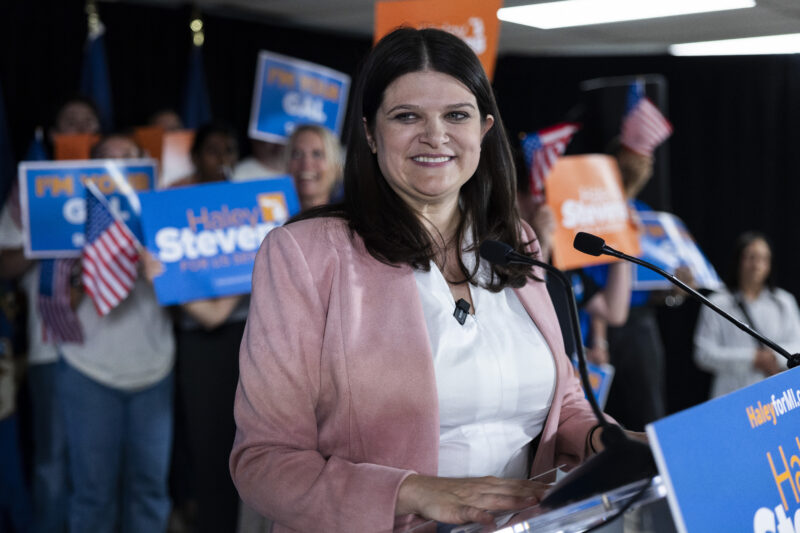
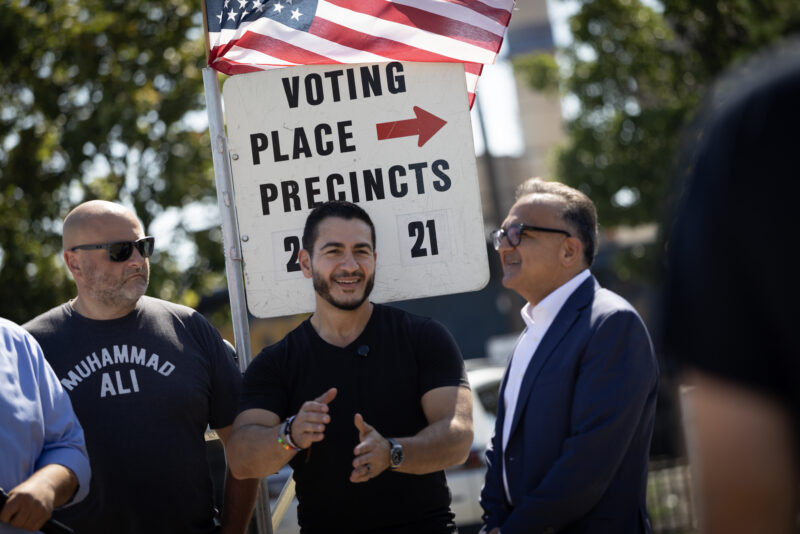
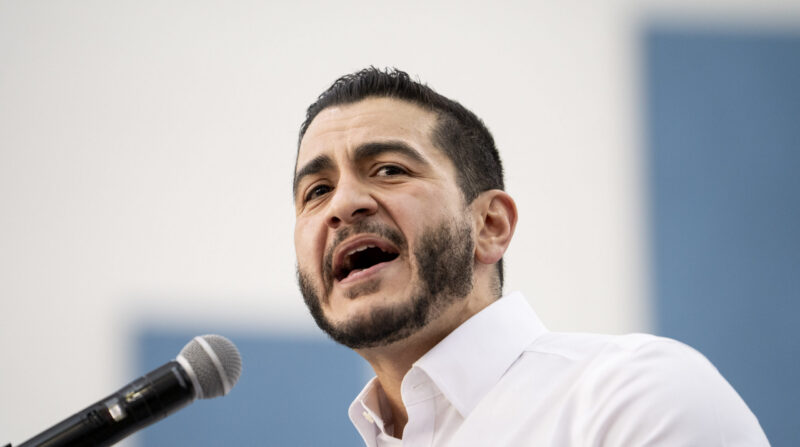
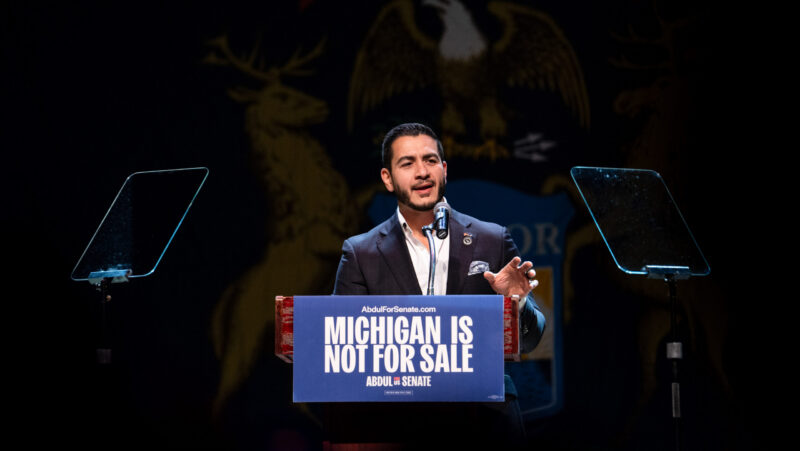
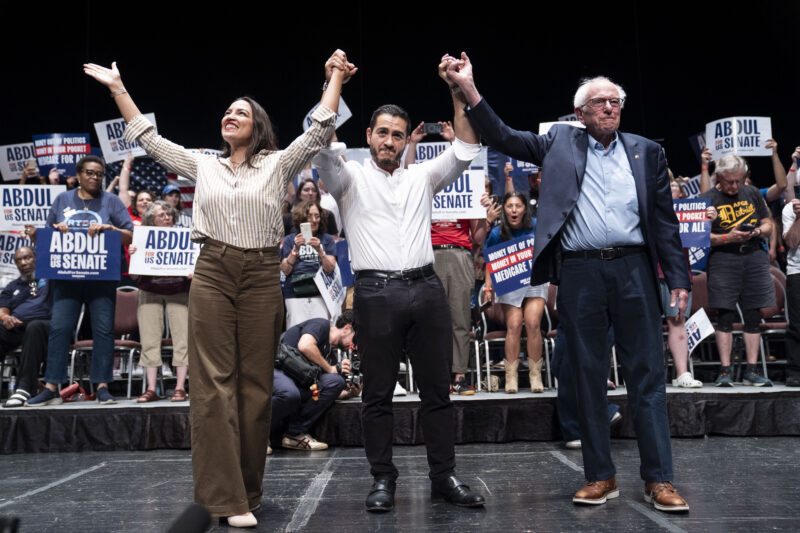
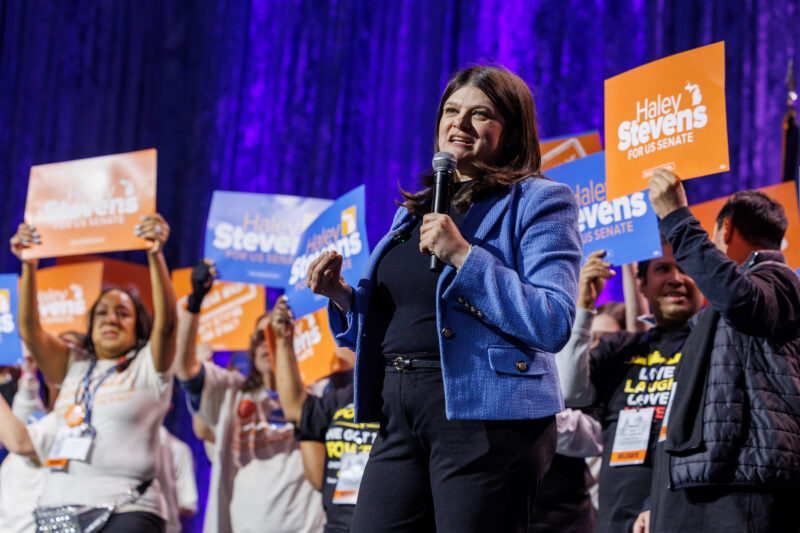
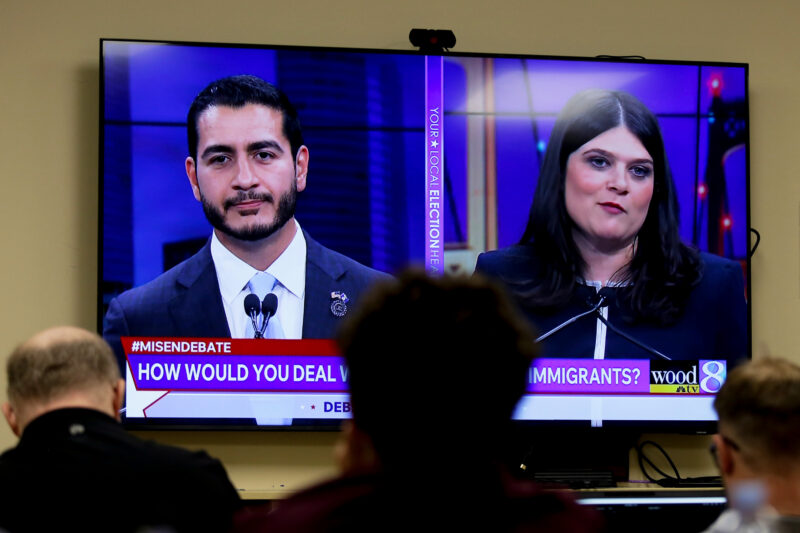
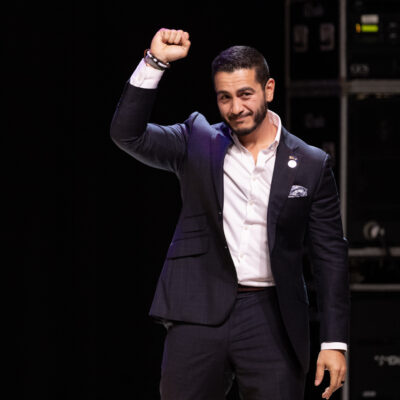
A new Emerson College poll found Michigan state Sen. Mallory McMorrow leading the Democratic primary field in the state’s open Senate race; McMorrow, at 22%, is ahead of Rep. Haley Stevens (D-MI), with 17%, followed by Abdul El-Sayed with 16%…
An Alabama man described by the Justice Department as a “Free Palestine radical” is facing federal charges of interstate stalking for allegedly planning to assassinate then-President Joe Biden during a 2024 presidential debate in Atlanta…
New York City Council Speaker Julie Menin announced the launch of a bipartisan task force to combat antisemitism; the body will be led by Councilmembers Eric Dinowitz and Inna Vernikov…
A group of Jewish artists is spearheading an effort to keep the government’s Wilbur J. Cohen Building, which contains frescos and other works by Jewish artists, from sale and potential demolition…
eJewishPhilanthropy’s Jay Deitcher previews a new four-part PBS docuseries from Henry Louis Gates Jr. on the history of Black-Jewish relations in America…
The University of Texas is launching its Ackerman Program on Jewish and Western Civilization and Rosenthal-Levy Scholars program housed in the school’s School of Civic Leadership, beginning in the fall…
Apple acquired Aviad Maizels’ Q.ai facial-recognition startup in a valuation estimated to be $2 billion…
Israel returned the bodies of 15 Palestinians following the repatriation of Israeli hostage Ran Gvili’s remains earlier this week, marking the end of the exchange of bodies between Israel and Hamas in accordance with the October 2024 ceasefire agreement…
David Brooks is joining The Atlantic as a staff writer after 22 years at The New York Times; Brooks will also host a weekly video podcast for the publication…
Pic of the Day
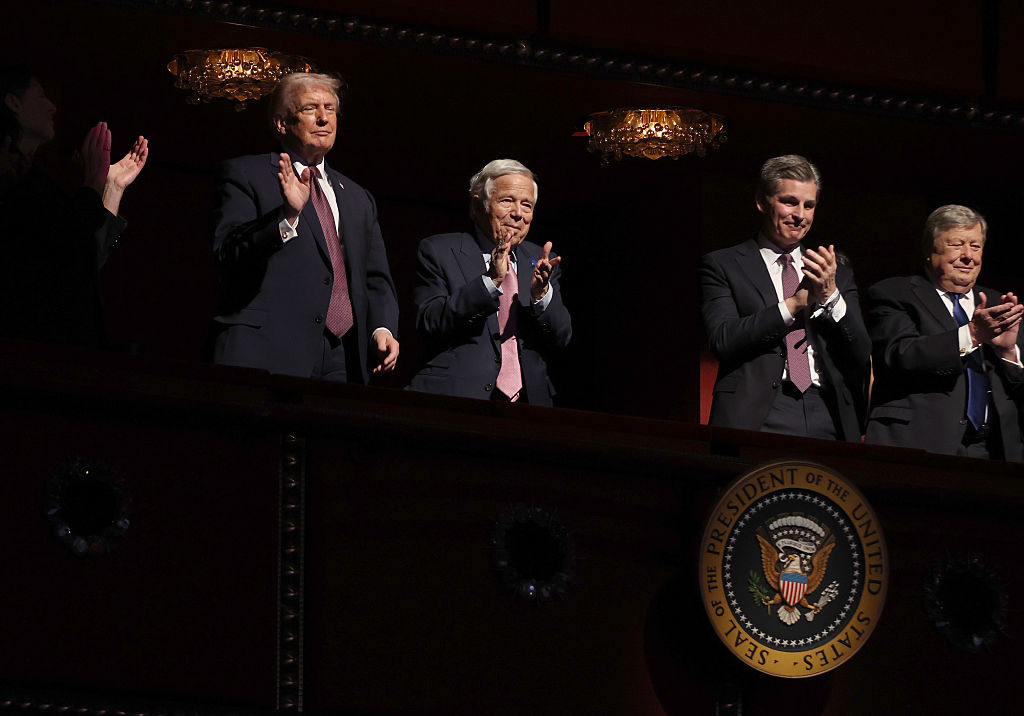
President Donald Trump and New England Patriots owner Robert Kraft greeted attendees from the presidential box at the Kennedy Center last night during a screening of Brett Ratner’s new documentary “Melania.”
Birthdays
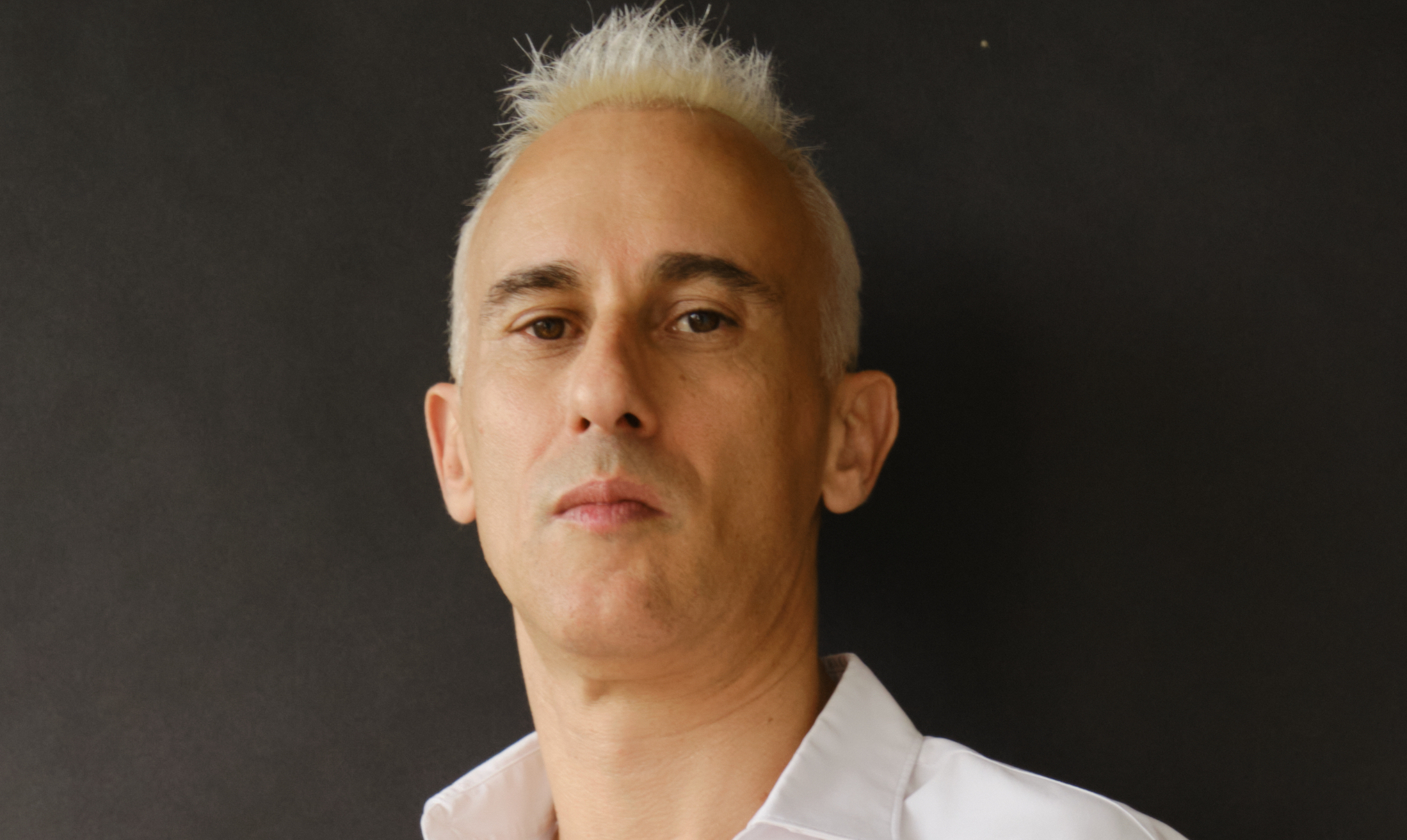
Israeli singer, songwriter and music producer, Assaf Amdursky turns 55…
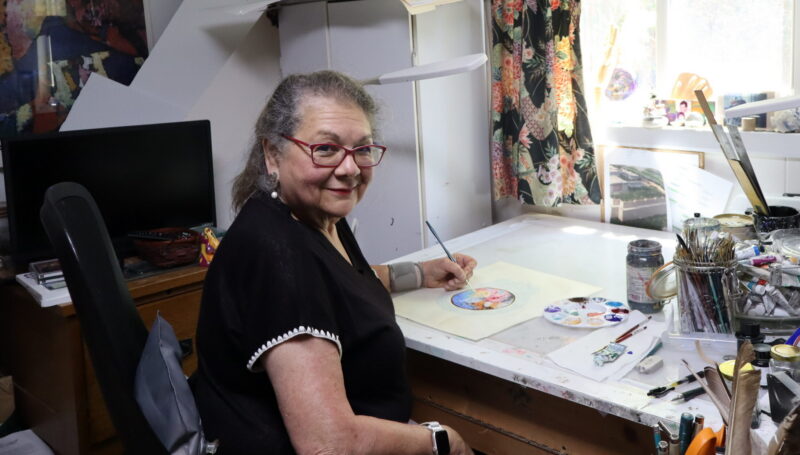
FRIDAY: Chairman of The Cordish Companies, David S. Cordish turns 86… Artist, she paints brightly colored biblical narratives based upon her Torah study, Barbara “Willy” Mendes turns 78… Professor at the school of pharmacy of The Hebrew University, Meir Bialer turns 78… Teacher and communal leader, Judith Friedman Rosen turns 74… Broadcaster for MLB’s Oakland Athletics and author, Kenneth Louis Korach turns 74… Upton, Wyo., resident, Heather Graf… Former VP of corporate engagement at the Parker Jewish Institute for Health Care and Rehabilitation in New Hyde Park, NY, Lina Scacco… CEO of the Jewish National Fund, Russell F. Robinson turns 70… Member of the California state Senate from 2014-2019, now a member of the Nevada state Senate, Jeffrey Earle Stone turns 70… Philadelphia-area psychologist, Dr. Rachel Ginzberg… Managing partner of lobbying and law firm Brownstein Hyatt Farber Schreck, Richard B. Benenson… Director of public relations for the Chabad-Lubavitch movement, Zalman Shmotkin turns 57… Associate professor in the electrical engineering department at Technion Israel Institute of Technology, Guy Gilboa turns 55… Publicist, manager and socialite, she runs an eponymous NYC PR and management firm, Elizabeth “Lizzie” Grubman turns 55… Special projects editor at The Week Junior, Bari Nan Cohen Rothchild… At-large member of the Montgomery County (Maryland) Council, Evan M. Glass turns 49… Dallas resident, Gisele Marie Rogers… Managing director at Westbrook Global Advisory, Joshua M. Kram… Administrator of the EPA in the Trump 47 administration, Lee Zeldin turns 46… National correspondent for ABC News Radio, Steven Portnoy turns 45… Israeli actor, director and author, he is known for starring in “Shtisel” and as the host of the popular reality TV show, “The Voice Israel,” Michael Aloni turns 42… CEO at Harvesting Media and host of the “Kosher Money” podcast, Eli Langer… Media professional and communications strategist, Alyona Minkovski turns 40… Member of the Connecticut House of Representatives since 2019, he is the eldest son of U.S. Sen. Richard Blumenthal (D-CT), Matthew S. Blumenthal turns 40… Partner in Avalanche VC and strategic advisor at Array Education, Eric Scott Lavin… Deputy national security advisor to then VPOTUS Kamala Harris for her last three years in office, Rebecca Friedman Lissner turns 39… Sports Illustrated swimsuit model, Kate Lynne Bock Love turns 38… Senior principal at Publicis Sapient, Max Delahanty… Professional ice hockey defenseman, he played on Team USA at the 2018 Winter Olympics and recently left EHC Red Bull München, Jonathon Blum turns 37… Principal at Blue Wolf Capital Partners, Jared Isenstein… Ice hockey forward for four seasons at Northeastern University, she is now playing in the Professional Women’s Hockey League, Chelsey Goldberg turns 33… Digital marketing manager in South Florida, Alexa Smith…
SATURDAY: Israeli nuclear physicist and professor at the Weizmann Institute of Science, Igal Talmi turns 101… Scion of a leading rabbinic family in pre-World War II Poland, former assistant U.S. solicitor general, now a private attorney with an active Supreme Court practice focused on religious liberty issues, Nathan Lewin turns 90… Classical music composer as well as acclaimed movie score composer, Philip Glass turns 89… Associate professor emeritus of Talmud and rabbinics at The Jewish Theological Seminary, Mayer Elya Rabinowitz turns 87… Senior partner at Trombly & Singer, PLLC and an advisory board member of Tzedek DC, Kenneth M. Trombly turns 76… Chair emeritus of global management consultancy Bain & Company, Orit Gadiesh turns 75… Chief rabbi of Norway while also serving as a member of Knesset from 1999-2009, Michael Melchior turns 72… Founder and CEO of MikeWorldWide, a PR firm headquartered in East Rutherford, N.J., Michael W. Kempner turns 68… Former member of the Tennessee House of Representatives for 20 years, Matt Kisber turns 66… Founder and CEO of Oneg, Jeanie Milbauer… CEO at Gracie Capital, Daniel L. Nir… Dermatologist who served as the U.S. ambassador to Iceland from 2019-2021, he was a candidate for U.S. Senate from Nevada in the 2024 election, Jeffrey Ross Gunter turns 65… Co-founder and senior chairman of Meridian Capital Group, Ralph Herzka turns 64… Organization of American States commissioner to monitor and combat antisemitism, Fernando Lottenberg turns 64… Neurosurgeon and chairman of the Rockland County (NY) Board of Health, Jeffrey Sable Oppenheim turns 64… Fourth-generation real estate developer, he is a founding partner of Redbrick LMD, Louis Myerberg Dubin turns 63… Classical cellist, her debut in Carnegie Hall was at 17, Ofra Harnoy turns 61… Host of NPR’s news quiz “Wait Wait… Don’t Tell Me!,” his older brother is a rabbi, Peter Sagal turns 61… Canadian-born businessman, best known for founding American Apparel, Dov Charney turns 57… CEO of Tel Aviv’s Anu Museum of the Jewish People and former mayor of Efrat, Oded Revivi turns 57… CEO of City Cast, he was previously CEO of Atlas Obscura and Slate, David Plotz turns 56… Actress best known for her role in the Showcase series “Lost Girl,” Anna Silk turns 52… CEO at Affiliated Monitoring, Daniel J. Oppenheim… Senior advisor at Orchestra, Michael Rabinowitz-Gold… SVP of insights and measurement at NBC Universal Media, Matthew Gottlieb… Film producer and founder of Annapurna Pictures, Megan Ellison turns 40… Singer, who won Israel’s “Kokhav Nolad” (A Star is Born) song contest in 2008, Israel Bar-On turns 37… General partner at NYC’s 25madison, Grant Silow… Israeli singer, songwriter and television actor, Eliad Nachum turns 36… Director of programs and strategy at the Kraft Group and affiliates, Clara Scheinmann… Associate at Covington & Burling, Eli Nachmany…
SUNDAY: Retired Israeli educator, she is the only sibling of Yitzhak Rabin, Rachel Rabin turns 101… Executive vice chairman emeritus of the Conference of Presidents of Major American Jewish Organizations, Malcolm I. Hoenlein turns 82… Mediator and arbitrator, he is a past president of the Beverly Hills Bar Association, Howard S. Fredman turns 82… Academy Award-winning producer and motion picture executive, Zvi Howard Rosenman turns 81… Midtown Manhattan physician, affiliated with Lenox Hill Hospital, specializing in nephrology and internal medicine, Mark H. Gardenswartz, MD… Laureate conductor of Orchestra 914 from 2002-2018, and author in 1994 of The Jewish 100: A Ranking of the Most Influential Jews of All Time, Michael Jeffrey Shapiro turns 75… Far Rockaway, N.Y., resident, Maurice Lazar… President and part-owner of the Los Angeles Dodgers, he was previously president of the Atlanta Braves and then the Washington Nationals, Stan Kasten turns 74… Publisher of Baltimore Jewish Life, Jeff Cohn… Recently retired after 18 years as the CEO of the Charleston (S.C.) Jewish Federation, Judi Corsaro… Born in Derbent in southern Russia, now living in Albany, N.Y., he is an artist whose oil on canvas paintings have many Jewish themes, Israel Tsvaygenbaum turns 65… Director for policy and government affairs at AIPAC, David Gillette… 25-year veteran of the Israeli foreign service, now a scholar-in-residence at American University in Washington, Dan Arbell… EVP and chief program officer of the Jewish Federation of Greater Los Angeles, Becky Sobelman-Stern… One of Israel’s top soccer players of all time, successful on both Israeli and European teams, Eli Ohana turns 62… Co-founder of Brilliant Detroit (helping children out of poverty), Carolyn Bellinson… Actor, comedian, director, writer and producer, Pauly Shore turns 58… Voting rights and election law attorney, he advises the DNC, DSCC, DCCC and the DGA, Marc E. Elias turns 57… CEO of Momentum, Tara Brown… Managing director of Pickwick Capital Partners, Ari Raskas… Canadian actress, her stepfather is a rabbi, Rachelle Lefevre turns 47… Experimental jazz guitarist, bassist, oud player and composer, Yoshie Fruchter turns 44… Venezuelan journalist, writer and TV and radio presenter, Shirley Varnagy Bronfenmajer turns 44… Libertarian political activist, radio host and author, Adam Charles Kokesh turns 44… Comedian, writer, actress and illustrator, best known for co-creating and co-starring in the Comedy Central series “Broad City,” Abbi Jacobson turns 42… General manager and head of public affairs at Semafor, Andrew Friedman… Sportscaster and sports reporter who covers the New York Mets for SNY, Steven N. Gelbs turns 39… VP of government and industry relations at Cedars-Sinai in Los Angeles, Stephanie Beth Cohen… Member of the U.S. House of Representatives (D-CA-51) since 2021, Sara Josephine Jacobs turns 37… Ob-Gyn physician in Atlanta, she is married to U.S. Sen. Jon Ossoff (D-GA), Alisha Sara Kramer turns 36… Israel-based director of growth marketing at SchoolStatus, David Aryeh Leshaw… Television and movie actress and model, Julia Garner turns 32…





Please log in if you already have a subscription, or subscribe to access the latest updates.
 Continue with Google
 Continue with Apple