


















































Politics, not policy, could break Israel’s war deadlock
The possibility of new elections taking place soon, more than any particular shift in military strategy or policy decisions, is looking like the most likely factor that could advance progress in the region
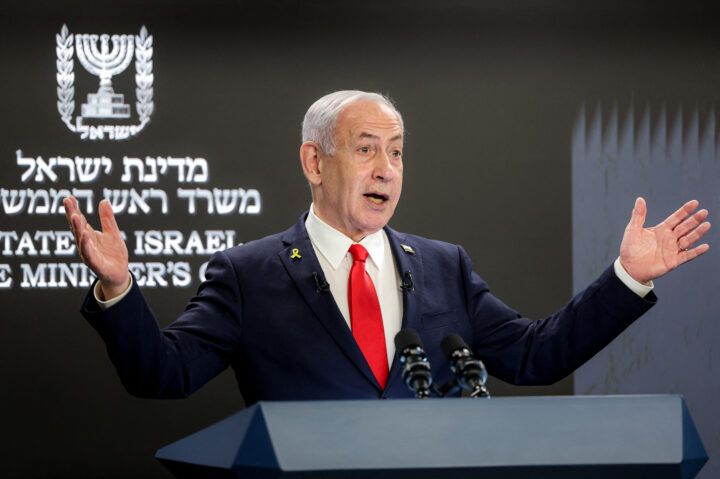
ABIR SULTAN/POOL/AFP via Getty Images
Israel's Prime Minister Benjamin Netanyahu gives a press conference at the Prime minister's office in Jerusalem on August 10, 2025.


 Add JewishInsider on Google
In the run-up to the U.S. presidential election last year, one common refrain heard in Israeli leadership was to wait out the election in the hope of a friendlier Trump administration taking over.
Increasingly, many pro-Israel voices in the United States are quietly saying the same thing about upcoming Israeli elections, which polls suggest could usher in a more moderate coalition, and diminish the influence of far-right leaders in the current Israeli government.
The possibility of new elections taking place soon, more than any particular shift in military strategy or policy decisions, is looking like the most likely factor that could advance progress in the region.
While Israeli elections are not guaranteed to take place until October 2026, the legislative crisis over Haredi conscription in the IDF is looking like it could collapse Israeli Prime Minister Benjamin Netanyahu’s coalition, and move up the election timetable to as early as next January.
What has prevented elections until now is the fact that all members of the governing coalition are projected to lose seats if elections are held. That most Israelis want new elections is the very reason why they haven’t happened – yet.
Indeed, if elections were held today, Netanyahu would be in serious trouble. A recent poll commissioned by Israel’s Channel 12 found the anti-Netanyahu bloc making up a narrow majority of 61 of the Knesset’s 120 seats, with the current Likud-led coalition sitting at 49 seats, and Arab parties making up the remaining 10 seats.
Likud won 32 seats in the 2022 election that brought Netanyahu back to power; his party polls at 24 seats right now. The far-right parties led by Finance Minister Bezalel Smotrich and National Security Minister Itamar Ben-Gvir also lost significant support since 2022, dropping from their current 14 seats to 10.
Public polling in Israel also shows majority sentiment favoring a deal that would return all the hostages for an end to the war, along with broad concern that an extended war or occupation in Gaza would wreak havoc on Israel’s social cohesion and economic vitality.
There has been a political subtext to much of the Israeli government’s decision-making in the last several years. Even amid the remarkable success of Israel’s 12-day war against Iran, Netanyahu didn’t get the type of political bump successful wartime leaders typically do.
Throughout the war, he’s been in a defensive crouch, with his playbook focused on keeping his far-right partners, Smotrich and Ben-Gvir, satisfied to avert a collapse in the government that would necessitate early elections.
But with Israel’s international isolation becoming a growing political issue, and the concern over the fate of the remaining hostages driving domestic discourse, the politics have changed in Israel. That means Israel’s political calendar — and the prospect of elections around the corner — may end up playing a decisive role in the future of the war.
More Stories

CAMPAIGN CALCULUS
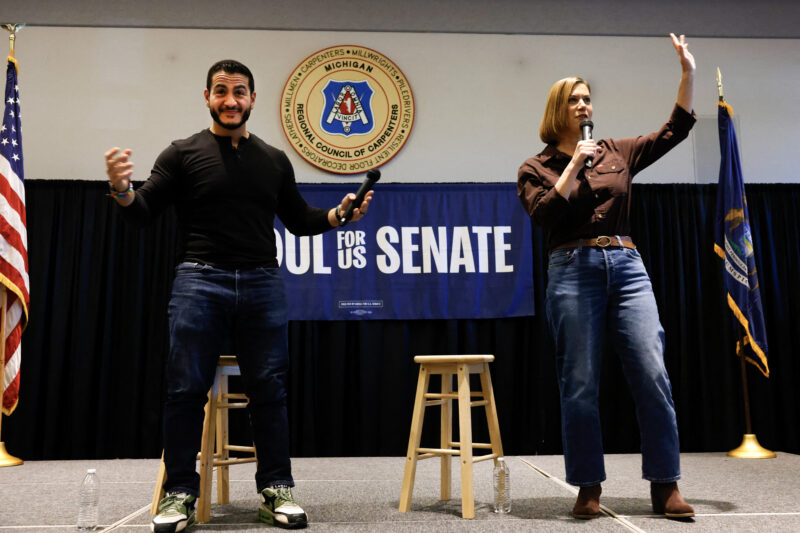
El-Sayed focuses on attacking Israel in closing stretch of the campaign
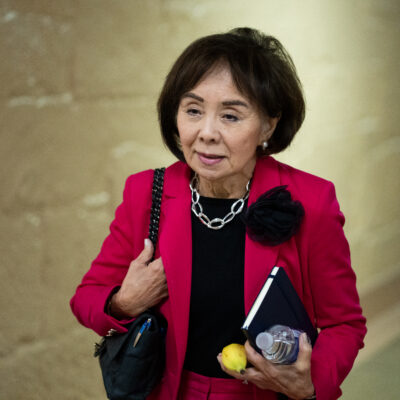
SACRAMENTO SHOWDOWN
Rep. Doris Matsui continues to highlight Hasan Piker links to far-left opponent Mai Vang
NUCLEAR NEWS
Senate expected to vote on Saudi nuclear deal before end of year

UNLOCKING THE KEYSTONE
RJC drops $400,000 to boost Brian Fitzpatrick in Pennsylvania swing district

FOLLOW THE MONEY
Brandeis Center, FDD urge federal court to allow disclosure of campus foreign funding data

Daily Overtime
Obama faults Israel’s founding in Belfast
Please log in if you already have a subscription, or subscribe to access the latest updates.
 Continue with Google
 Continue with Apple