











































AIPAC faces test in N.J. primary as group maintains aggressive playbook
The pro-Israel group’s super PAC has spent over $2 million in ads attacking Tom Malinowski, who has come out in favor of conditioning some aid to Israel, in hopes of electing a more reliable ally in Tahesha Way
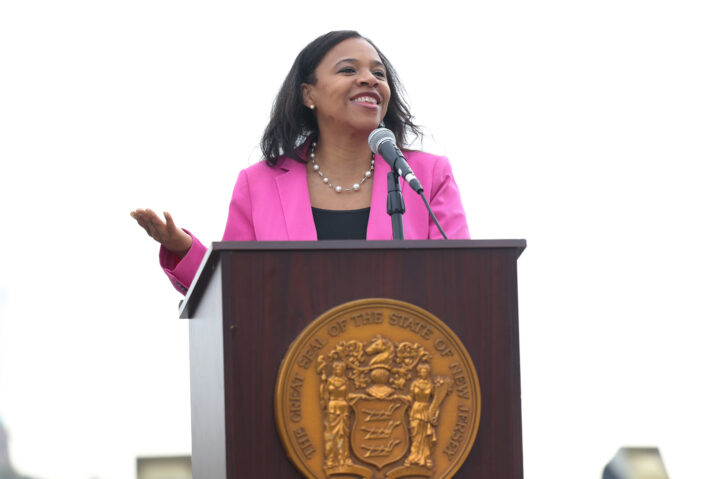
Michael M. Santiago/Getty Images
New Jersey Lt. Gov. Tahesha L. Way, speaks during a Naturalization Ceremony at Liberty State Park on September 17, 2024 in Jersey City, New Jersey.


 Add JewishInsider on Google
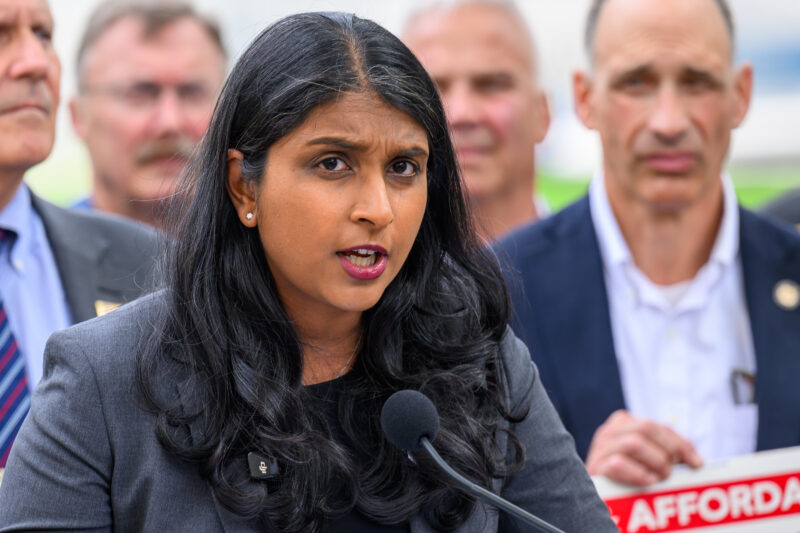
Tomorrow’s New Jersey special Democratic primary election to fill Gov. Mikie Sherrill’s vacant House seat will offer an early test of AIPAC’s ability to continue showcasing its political clout. The pro-Israel group’s super PAC, in a potentially risky move, has spent over $2 million in ads attacking former Rep. Tom Malinowski (D-NJ), who has come out in favor of conditioning some aid to Israel, in hopes of electing a more reliable ally in former Lt. Gov. Tahesha Way.
The group’s ad hits Malinowski not for his views on Israel, but for a bipartisan vote in 2019 funding the Immigration and Customs Enforcement (ICE) and over stock trades he made as a congressman. The ICE attacks, in particular, are expected to resonate in the affluent, center-left district. Because of his name recognition representing a neighboring district before losing reelection in 2022, Malinowski started out as the early front-runner but is taking a serious hit on the airwaves.
But complicating that strategy is the presence of a far-left, anti-Israel candidate in Analilia Mejia, who leads a progressive advocacy group and has been endorsed by Sen. Bernie Sanders (I-VT) and Rep. Alexandria Ocasio-Cortez (D-NY). Mejia has been polling in second place, according to some reports, and has a path to winning the nomination — and the seat, given the 11th Congressional District’s Democratic lean.
The race also features Essex County Commissioner Brendan Gill, an establishment-oriented politician — endorsed by former Gov. Phil Murphy — who has expressed consistently pro-Israel views on the campaign trail and in an interview with Jewish Insider.
Even as the political environment within the Democratic Party has shifted to the left, AIPAC isn’t backing down from its aggressive, on-offense playbook from 2024, when a number of mainstream pro-Israel Democrats backed by the group won their elections to Congress — while two of AIPAC’s most extreme opponents, former Reps. Cori Bush (D-MO) and Jamaal Bowman (D-NY), fell short in their reelection bids.
Given the changed intraparty mood, there was a question about whether pro-Israel groups would need to play a little more defense this election cycle, or at least refocus attention on stopping the most radical candidates with a chance of winning instead of going all-out for the most principled allies.
That’s looking — at least for now — not to be the case.
In Illinois’ upcoming primaries, state Sen. Laura Fine has emerged as the pro-Israel favorite against one frequent critic of Israel (Evanston Mayor Daniel Biss) and one outspoken anti-Israel activist (social media influencer Kat Abughazaleh) in another affluent Democratic district just outside of Chicago. The pro-Israel community isn’t hedging its bets in a bid to prevent Abughazaleh from prevailing.
The confident pro-Israel playbook looks like it’s working. Fine just announced raising a whopping $1.2 million in the last three months of 2025, and a new internal poll for Fine’s campaign shows her tied with Biss in first place, holding the momentum in the crowded primary.
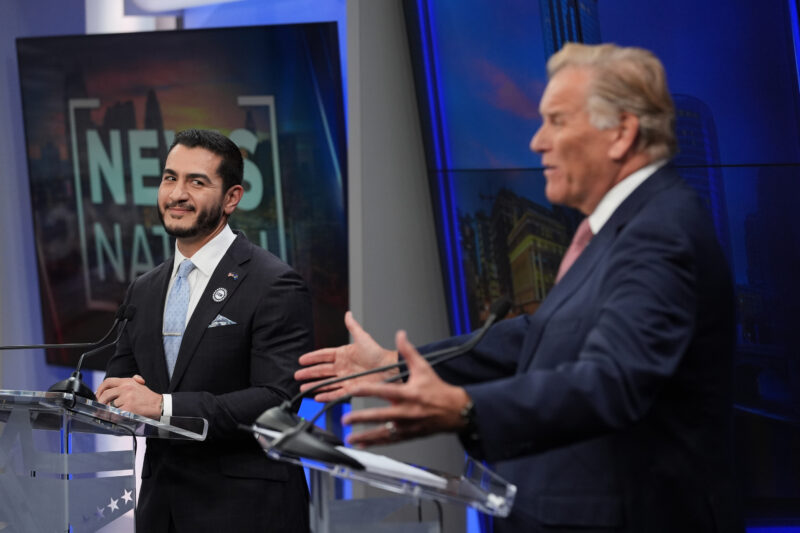
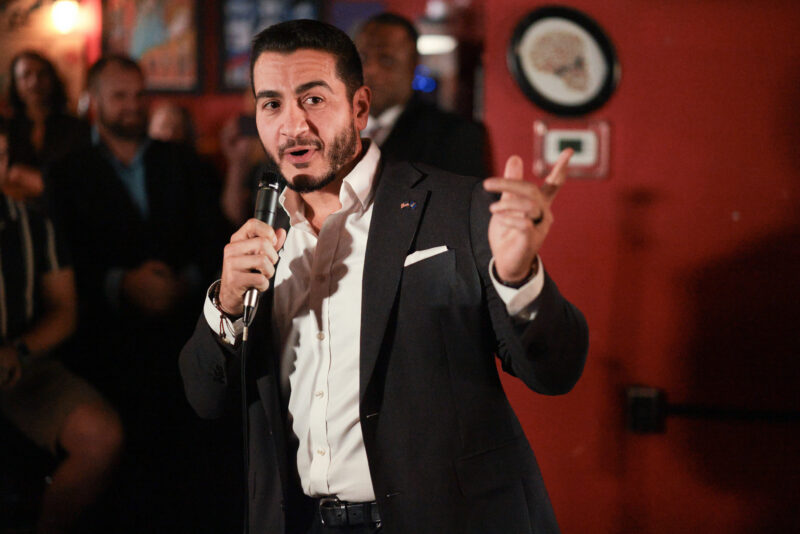
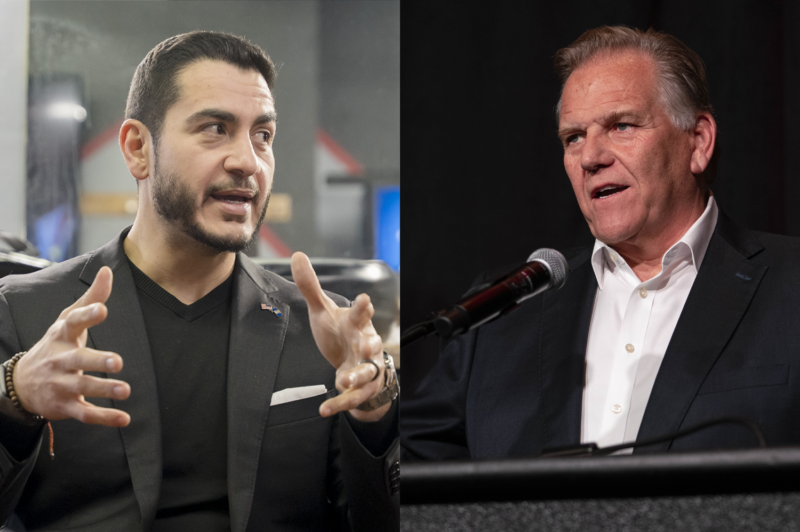
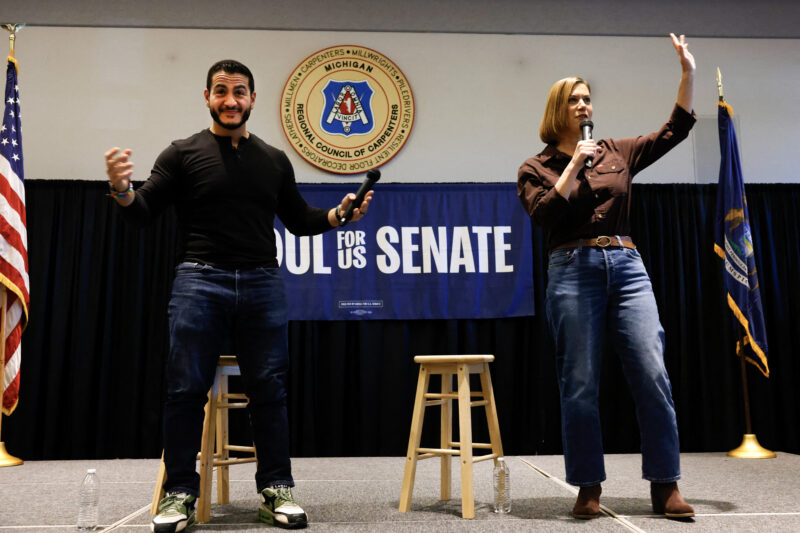
That same dynamic is playing out in Michigan’s three-way Senate primary, where Rep. Haley Stevens (D-MI) is being rewarded with political support and donations for her long record of pro-Israel allyship. Her opponents offer two different shades of opposition to Israel: state Sen. Mallory McMorrow, who tagged Israel’s war against Hamas as a genocide but has now been looking to pivot away from talking about the Middle East; and virulently anti-Israel physician Abdul El-Sayed, who has made hostility to Israel a central part of his campaign message. But McMorrow doesn’t appear to be winning — at least for now — much support from pro-Israel Democrats worried about stopping El-Sayed at all costs.
The New Jersey special election primary also features some quirks that incentivize AIPAC’s involvement. The district, in the northern part of the state, has a significant Jewish constituency, and is one of the most affluent districts in the country, making it uniquely well-suited for a mainstream pro-Israel centrist regardless of the national party trends. “This is a capitalist district,” one Democratic strategist who lives in the district told JI.
In addition, there will be another regularly scheduled primary in June for the full two-year term starting in 2027 — as opposed to the special election, which will only elect a lawmaker for the remainder of the year. If Malinowski gets elected, he’ll likely maintain a lock on the seat for as long as he wants it. As a former congressman, he’d reenter Congress as a more-influential, longer-tenured member of the House Foreign Affairs Committee. But if a left-wing candidate like Mejia surprisingly squeaks through, she’d likely face difficulty winning the primary for a full term.
AIPAC’s super PAC — the United Democracy Project — also has another good reason to play an active role in this year’s primaries. It reported $96 million cash on hand at the end of 2025, more than twice as much financial firepower as it had last cycle at this time.
More Stories

EDIT WARS
Wikipedia failed to address coordinated anti-Israel campaign, new ADL study finds

Daily Kickoff
Wikipedia’s edit scandal, unedited

Daily Kickoff
Barack to 1948

Daily Overtime
Obama faults Israel’s founding in Belfast

analysis
Could these two small parties be Israel’s kingmakers?
PRESIDENTIAL POV
Obama scrutinizes Israel’s founding, says Palestinians want their ‘land back’
Please log in if you already have a subscription, or subscribe to access the latest updates.
 Continue with Google
 Continue with Apple