






































































Brandeis Center asks IRS to investigate tax-exempt status of SJP fiscal sponsor WESPAC
In a letter obtained by JI, the group alleges the Westchester nonprofit acted as a ‘blind conduit’ for tax-deductible donations to anti-Israel groups
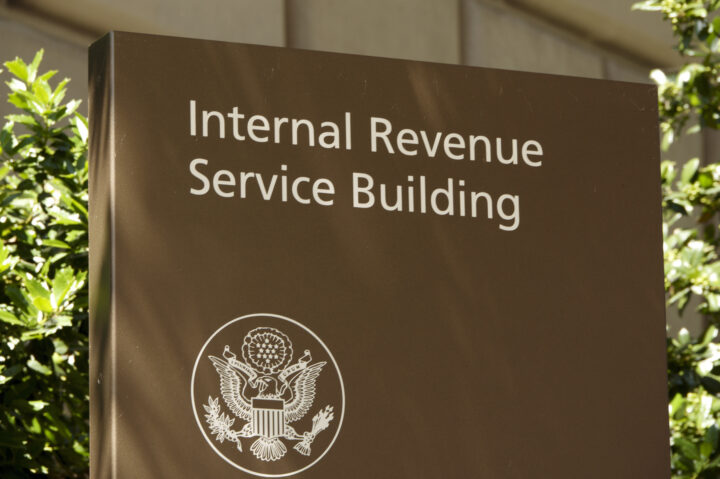
(Kevin Carter/Getty Images)
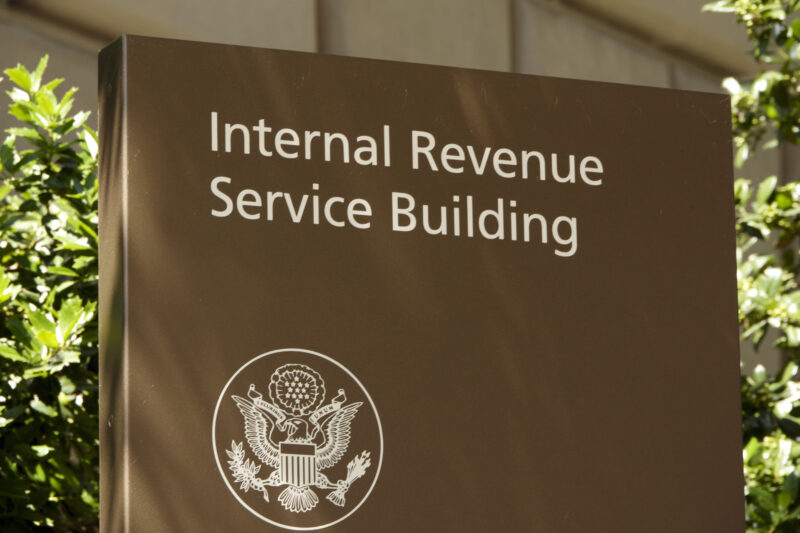
A sign is displayed outside of the Internal Revenue Service (IRS) Building on June 4, 2026 in Washington, DC.


 Add JewishInsider on Google
The Louis D. Brandeis Center for Human Rights Under Law is urging the Internal Revenue Service to investigate the Westchester People’s Action Coalition, accusing the group, known as WESPAC, of misusing its tax-exempt status as a 501(c)(3) nonprofit by acting as a “fiscal sponsor” for Students for Justice in Palestine and other anti-Israel groups without providing the legally required financial supervision.
The Brandeis Center sent a letter to the IRS Whistleblower Office on Tuesday detailing the allegations and asking the agency to “open an examination of WESPAC’s exempt status” and “revoke its recognition under section 501(c)(3)” if investigators determine that the violations took place.
The letter, a copy of which was obtained by Jewish Insider, accuses WESPAC of failing to keep funds provided to SJP and Amplify Palestine under its control to ensure that the money was used for genuine charitable purposes and to document how the funds were spent, as is required by federal law for nonprofits serving as a fiscal sponsor for non-tax-exempt groups, an arrangement that allows smaller organizations to avoid the bureaucracy needed to be an independent nonprofit.
With such an arrangement, SJP — one of the main groups behind anti-Israel protests and initiatives on college campuses, with chapters across the U.S. — does not have to register its status with the IRS nor disclose its finances.
“Neither WESPAC nor SJP even pretended that WESPAC was fulfilling its role as a fiscal sponsor. This is directly contrary to the mandates of fiscal sponsorship,” the letter states. “To qualify, the sponsor must retain control and discretion over the use of the funds. That implies more than acting as a blind conduit; it requires some active supervision of the use of the sponsored funds. WESPAC has entirely failed to observe even this limited role.”
The Brandeis Center alleges that WESPAC “has made ‘grants’ to a for-profit law firm,” which the letter does not identify by name, that it lists “as pursuant to a fiscal sponsorship, but funds intended for a for-profit entity cannot simply be washed through a tax-deductible entity to create a tax deduction.”
The letter also asks the IRS to examine WESPAC’s political activity, highlighting the group’s “decision to honor the Lower Hudson Valley Democratic Socialists of America at its 2026 annual dinner and its promotion of a workshop titled ‘How to Get Progressives Elected,’” noting that, “Federal law prohibits 501(c)(3) organizations from intervening in political campaigns.”
“Extremist anti-Israel organizations have helped foment an alarming rise in anti-Jewish hatred, and we need to understand how that broader network is being financed and whether any of those arrangements violate federal law,” Kenneth Marcus, the chairman and CEO of the Brandeis Center, said in a statement to JI.
“The IRS needs to get to the bottom of this,” he continued. “If tax-exempt entities are being used to bankroll extremist organizations through unlawful arrangements, there must be accountability.”
Evan Slavitt, the Brandeis Center’s general counsel, told JI that the letter was part of a broader effort by the group to encourage the federal government to investigate and take action against “organizations that promote antisemitism.”
“We are focusing on trying to use other pieces of the government to accomplish our mission of fighting antisemitism and the organizations that promote antisemitism,” Slavitt said. “This is part of that effort, which includes our recent letters under the Foreign Agents Registration Act.”
“The important thing to understand is that this is not about speech, this is about using the tax-exempt status improperly,” he continued. “The Brandeis Center wants to make it clear that you can’t be a tax-exempt entity and funnel money to organizations like SJP and then disclaim any responsibility for what they then do with the money.”
WESPAC did not immediately respond to JI’s request for comment. The IRS declined to comment.
More Stories

ANALYSIS
With under two weeks left on his mandate, Eisenkot’s coalition talks run on three clashing tracks

Extremist Headliner
Writer who blamed Holocaust on ‘zios’ to headline ‘Doctors Against Genocide’ fundraiser

Daily Overtime
No more Huang-over for Israel

A Qatar-ed affair
How Jewish nonprofits are directing charitable dollars to Qatar’s coffers

BIG APPLE APPROVAL
Mamdani calls Jeffries push on settler violence bill ‘a welcome step’

SHENZHEN SHADOW
What the Trump-Xi-Putin summit means for Israel
Please log in if you already have a subscription, or subscribe to access the latest updates.
 Continue with Google

 Continue with Apple