


















Saudi Arabia’s economic challenges raise doubts about commitments to U.S.
Saudi Crown Prince Mohammed bin Salman had pledged to increase Saudi investments in the U.S. to $1 trillion during his last visit, a figure experts put in doubt
Win McNamee/Getty Images
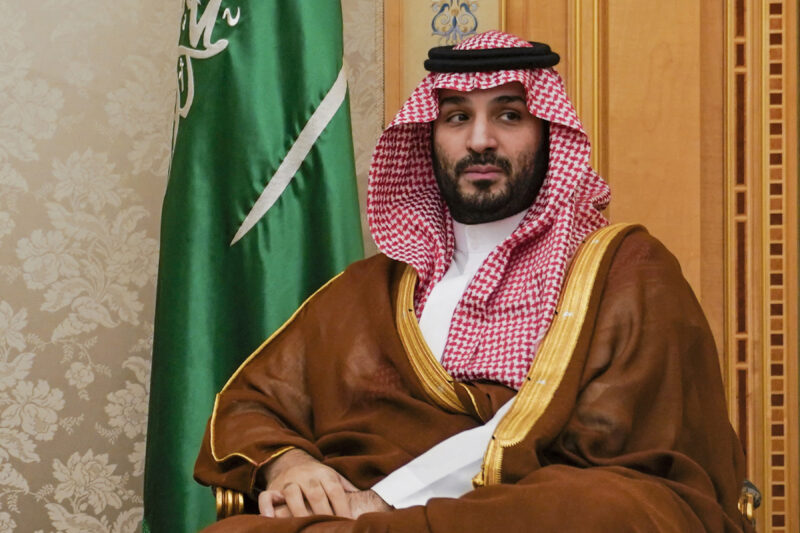
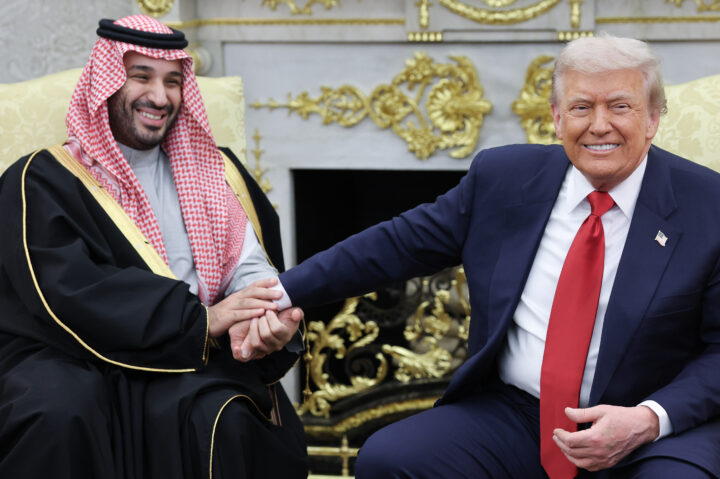
President Donald Trump (R) meets with Crown Prince and Prime Minister Mohammed bin Salman of Saudi Arabia during a bilateral meeting in the Oval Office of the White House on November 18, 2025.


 Add JewishInsider on Google
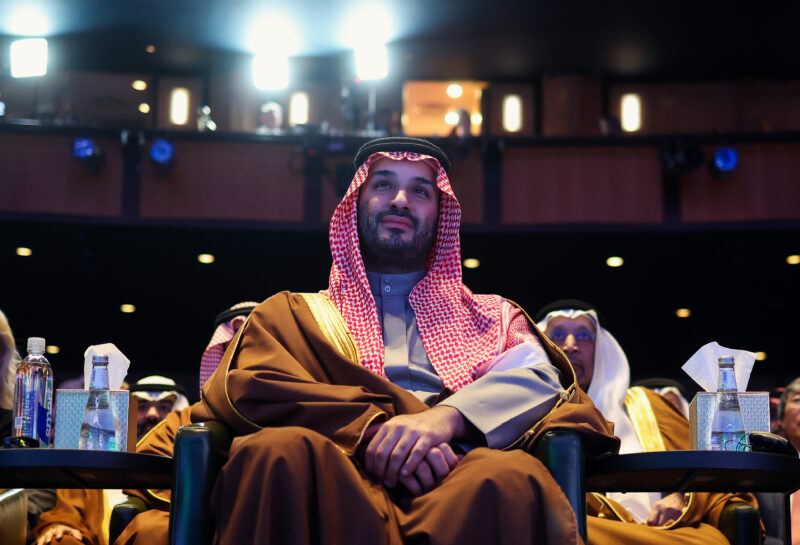
Saudi Arabia’s growing economic struggles have raised doubts among foreign policy experts about whether Riyadh can fulfill its sweeping monetary commitments to the United States.
During Saudi leader Mohammed bin Salman’s visit to the White House last November, the crown prince pledged to increase his country’s investments in the U.S. to nearly $1 trillion, committing funds to projects spanning artificial intelligence, energy, defense and infrastructure.
But the kingdom is now facing significant financial strain, driven by persistently low oil prices and the immense funding demands of its domestic development agenda, including Saudi Vision 2030, a major government initiative taken on a decade ago to diversify Saudi’s economy, society and culture, which has since been downsized.
“It’s an economic challenge, and frankly, crisis is a word which works for it,” said Simon Henderson, a senior fellow at The Washington Institute for Near East Policy. “The Saudi economy requires $100 barrels of oil, and although the price of oil has gone up a bit in recent days, it’s still low and way short of $100.”
Henderson emphasized that while Saudi Arabia remains a wealthy country due to its hydrocarbon reserves, declining revenue has forced the government to scale back or cancel marquee projects.
Among the most visible examples Henderson cited were the indefinite postponement of the 2029 Asian Winter Games, which the kingdom was set to host at a futuristic mountain resort as part of its Neom mega‑project, as well as the postponement of a major construction project in Riyadh.
“They have had some very ambitious projects which are very expensive, and there isn’t the money to fund the projects,” Henderson said. “If you’ve got plans for the economy and you can’t fulfill them and you have to cancel them, then that makes it a crisis.”
Due to the increasing financial strain and decision to scale back major financial ventures, experts remain skeptical that Riyadh will have the capacity to live up to its major investment commitments in the U.S.
Jonathan Ruhe, a fellow at the Jewish Institute for National Security of America, said the pledge is “in doubt,” and called the initial promise “as much performance as substance.”
“A lot of the money Riyadh would devote to U.S. investments is instead being plowed into its ambitious Vision 2030 development projects at home,” said Ruhe. “We already see this reflected in the recent announcements that Neom and other high-prestige gigaprojects are being scaled back. Combined with persistently low oil prices, this means the kingdom is running deficits. In this crunch, borrowing to fund overseas investments becomes less likely.”
Henderson echoed those sentiments, calling Saudi’s investment pledge a “headline figure with a very strong Trump dimension to it.”
“Clearly they [Saudi Arabia] can’t do it at the moment,” said Henderson. “Everybody knew it was far-fetched and probably an exaggeration. It’s clearly not going to happen anytime soon.”
Ruhe noted that several countries in the Middle East practice what he called “checkbook diplomacy” in order to “grab headlines during major summits” and “gratify Trump’s desire to be a deal-maker.” He noted that a similar strategy has been employed by Qatar and Turkey.
In May 2025, President Donald Trump signed an agreement with Qatar for an economic exchange worth at least $1.2 trillion during his visit to the country. Four months later, Turkish Airlines completed a deal to buy 225 Boeing planes following a White House meeting between Trump and Turkish President Recep Tayyip Erdogan.
“The actual execution is always in doubt, even if some of the investments do come through,” said Ruhe. “During Trump’s first term, Saudi Arabia announced nearly a half trillion dollars of deals and investments in the United States, but only a fraction of that ever came to fruition.
The kingdom’s economic situation, and its ability to invest nearly $1 trillion, is now less favorable than it was in Trump’s first term.”
Experts noted that should the proposed investment fall through, it is highly unlikely to change the diplomatic relationship between Washington and Riyadh, nor would it have any consequential impact on the U.S.
“Actual Saudi investment in things like AI and critical minerals supply chains would certainly be great for the United States, but it’s just as important for both countries to focus on advancing other aspects of the strategic partnership,” said Ruhe. “Especially regional collective defense against Iran and keeping Riyadh from becoming too close to Beijing and Moscow.”
More Stories
rabbinic rebuke
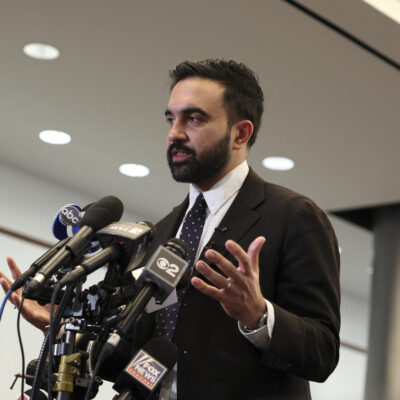
Over 800 rabbis speak out against Mamdani as threat to ‘safety and dignity of Jews in every city’
SCOOP
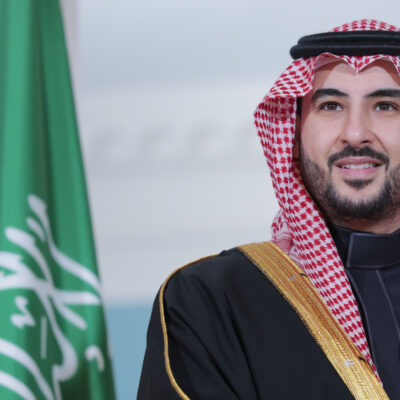
Jewish leaders invited to meet with Saudi Defense Minister Khalid bin Salman in D.C.

doha forum dispatch
Hillary Clinton reiterates concerns about anti-Israel ‘propaganda’ targeting American youth
exclusive
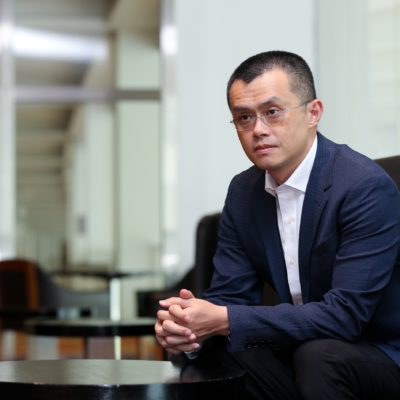
New lawsuit accuses Binance of ‘knowingly’ enabling Oct. 7 terror attacks
diplomats declared
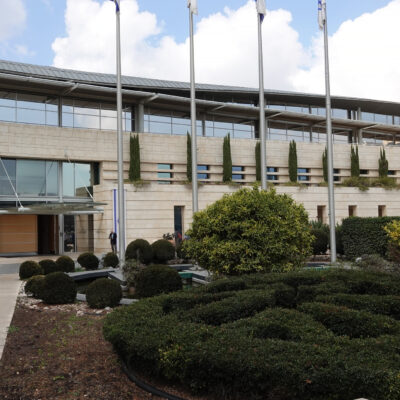
Israel approves new consuls-general in San Francisco, Houston

AI EVALUATION
ADL rates Anthropic’s Claude best AI model at detecting antisemitism
Please log in if you already have a subscription, or subscribe to access the latest updates.