










































Sephardic rabbis and leaders gather in New York to build a stronger voice in Jewish institutional life
The second annual Sephardic Rabbinic Conference, backed by the Orthodox Union and UJA-Federation, will bring together around 150 participants from a dozen countries to address leadership gaps and Diaspora institution-building
Getty Images


 Add JewishInsider on Google
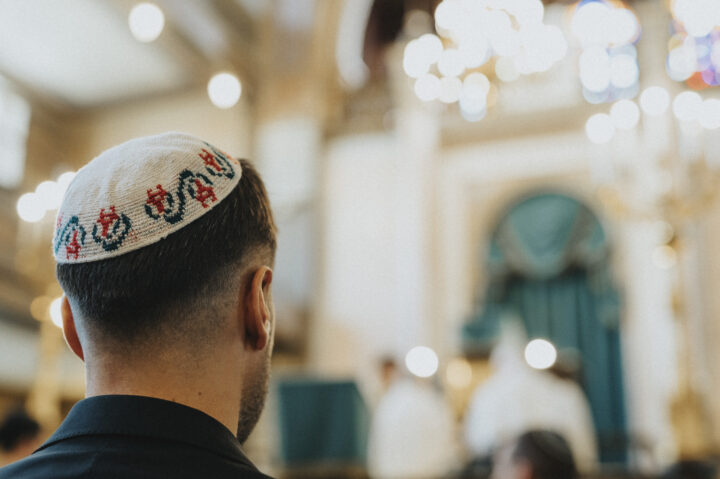
Some 150 rabbis, communal leaders and young professionals from a dozen countries will convene in Manhattan on Monday and Tuesday for the second annual Sephardic Rabbinic Conference, a gathering aimed at strengthening a Jewish community that organizers say has long operated in a Jewish institutional landscape shaped by Ashkenazi-dominated institutions.
The conference, titled “The Art of Leadership,” will bring together rabbis and rebbetzins from Mexico City to Moscow, Cape Town to Queens, to lead sessions on halachic authority, mental health, pastoral care, connecting to Israel and what organizers describe as the urgent work of building long-lasting Sephardic institutions in the diaspora.
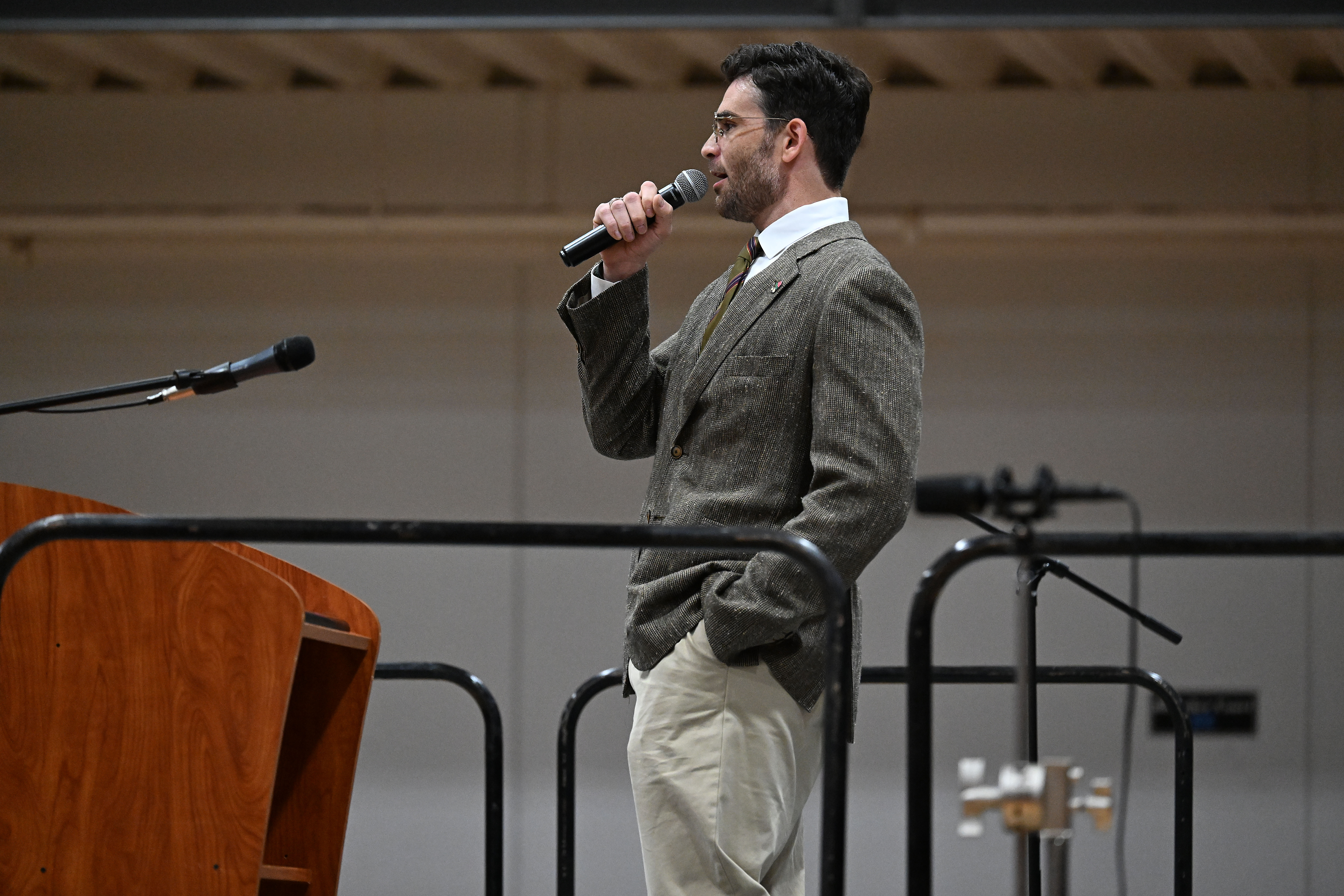
“There’s clearly been a lack of [Sephardic] representation in a lot of mainstream Jewish institutions — in federations, in schools —- a lack of our needs being seen and heard,” said Ethan Marcus, managing director of Sephardic Brotherhood of America and co-organizer of the conference with Avi Garson, co-founder of The Habura, an online and physical Jewish study center. “Whether it’s a Moroccan, Turkish or Spanish Portuguese community, they may differ from what you would say mainstream Ashkenazi communities need,” Marcus told Jewish Insider.
This year’s conference, Marcus asserted, is itself evidence that the status quo is beginning to change: It’s being held at UJA-Federation of New York’s headquarters and backed by a roster of major Jewish institutions, including the Orthodox Union — which hosted last year’s inaugural gathering — the Rabbinical Council of America, World Zionist Organization and KKL-JNF.
“These organizations are stepping up and saying, ‘We want to hear from you and what your unique ideas and needs are, and what you also have to offer the wider Jewish world,’’” said Marcus. “We believe there’s a lot the wider Jewish world can take away from the Sephardic path we’re pushing. This idea of a middle-of-the-road [approach] steeped in Jewish traditions but fully engaged with the challenges and benefits of the modern world. To us that’s very much the Sephardic approach, and it’s something that all Jewish people can benefit from.”
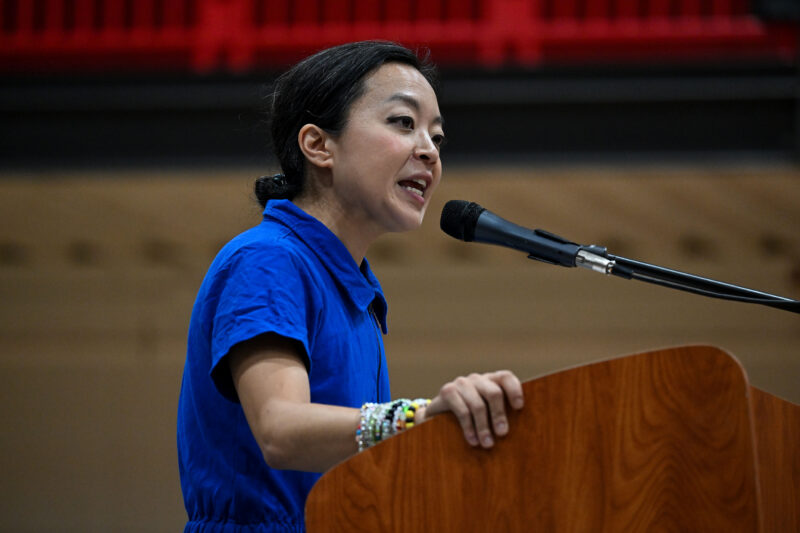
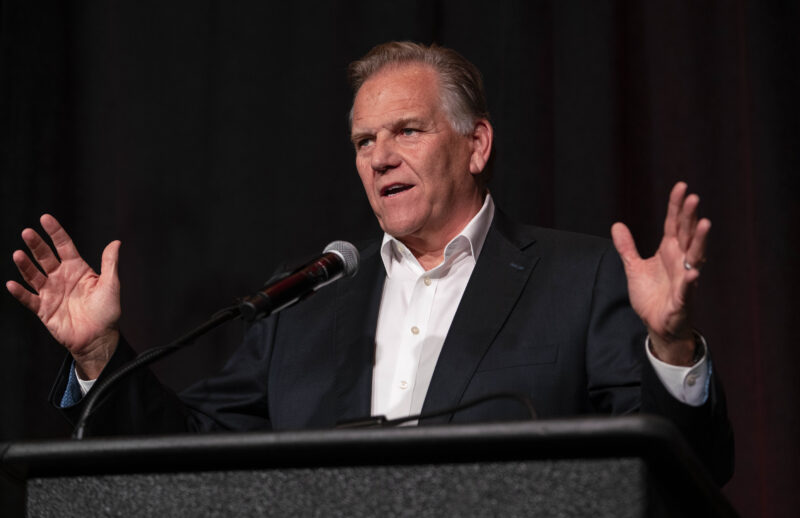
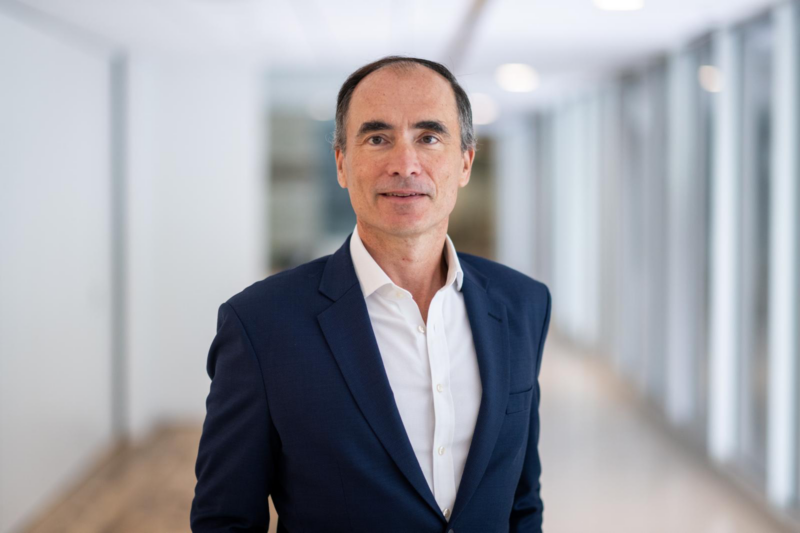
Speakers include Daniel Rosenthal, vice president of government relations at UJA; Ofir Akunis, consul general of Israel in New York; Yaakov Hagoel, chairman of the WZO; and Caroline Bryk, senior director of Jewish day school strategies at Tikvah — alongside dozens of rabbis from across the globe.
Despite making up just an estimated 10% of the American Jewish population, Sephardic and Mizrahi Jews in the U.S. report higher rates of Jewish communal participation, a stronger connection to Israel and are more likely to say that being Jewish is somewhat or very much a part of their daily life compared to Ashkenazi Jews, according to a 2025 report by JIMENA (Jews Indigenous to the Middle East and North Africa).
On Manhattan’s Upper East Side, just blocks from where the conference is being held, the Sephardic community has been steadily establishing itself — anchored by institutions like the Moise Safra Center, the 14-story community center that opened on East 82nd Street in 2018 and marked a demographic shift for the neighborhood.
And yet, Garson had questions — which he laid out in a piece for La Djente, the national magazine of the Sephardic Jewish Brotherhood of America — that ultimately led to the creation of last year’s conference: Where is Sephardic leadership coming from? Where is it being trained? And who is going to lead and represent the community in the years ahead?
“One thing led to the other and we realized we should put everyone together in the same room,” Garson told JI, reflecting on the inaugural gathering, which focused on the theme of education. “We managed to get 40 rabbis and community leaders from six countries. We realized there’s a real deep ongoing desire to connect — for everyone to get together and discuss these issues and collaborate.”
This year’s event, with a focus on leadership, comes as a “turning point in the Sephardic world — where all of these synagogues and people are recognizing we need to work together,” said Marcus. “We can be uniquely our own identities; the Sephardic world is not a monolith. Moroccan Jewish communities, Syrian Jewish communities all have their unique customs and traditions, but there’s a lot more that unites us than divides us. But we don’t have to get rid of our self-identities. Jewish unity doesn’t mean Jewish uniformity.”
That openness extends to the conference’s slate of speakers — not just Sephardic rabbis, but Ashkenazi voices and some from outside the Jewish community entirely. The point, Garson said, is “to bring in good ideas and best practices to help our community, which in turn can help the Jewish community more broadly.”
He traced the notion back to Maimonides, the medieval Sephardic sage known for his intellectual openness, who famously championed: “Hear the truth, whoever speaks it.”
More Stories
DYNAMIC DUO
Vance defends friendship with Tucker Carlson despite ‘political disagreements’
GULF COMEBACK
Marcy Grossman returns to Abu Dhabi to lead AJC’s Gulf diplomacy

BREWED BACKLASH
Oakland coffee shop that ousted Jewish patrons suspends operations amid antisemitism lawsuits
Republican Reckoning
Sen. Dave McCormick: Republicans need to electorally ‘beat the s**t’ out of antisemites

Settlement Showdown
U.K. Foreign Secretary Ed Miliband announces sanctions against Israeli settlements
JORDAN'S AGENDA
Jim Jordan said he plans to make fighting antisemitism a priority on Judiciary Committee
Please log in if you already have a subscription, or subscribe to access the latest updates.
 Continue with Google
 Continue with Apple