
























When Holocaust remembrance leaves out Jews
Norman Goda, a Holocaust historian at the University of Florida, said that modern remembrances of the Holocaust that fail to mention Jews are 'a soft form of denial'
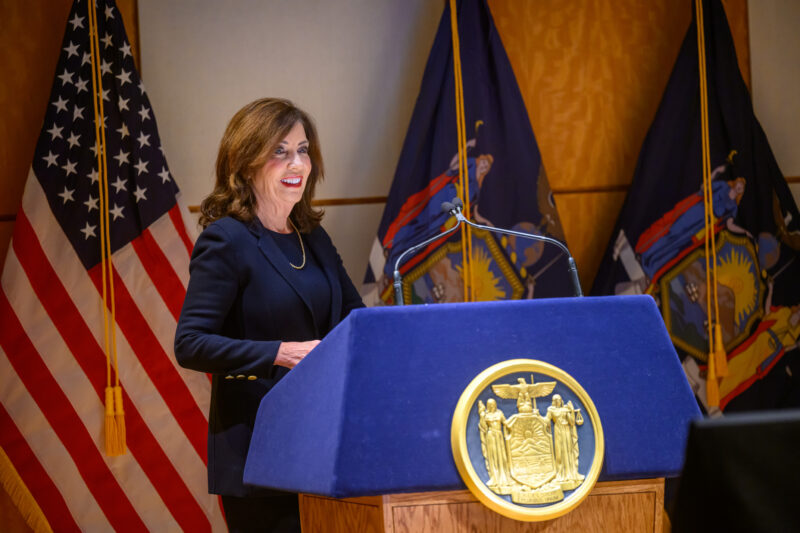
Jim Watson - Pool/Getty Images
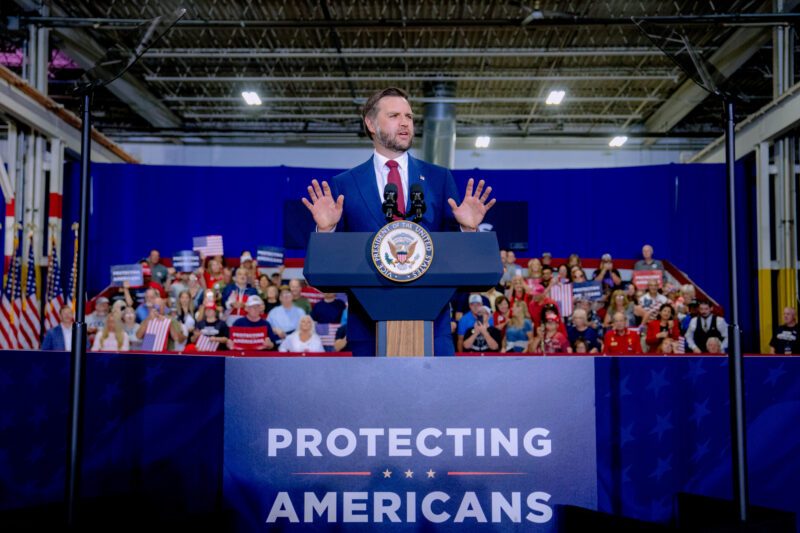
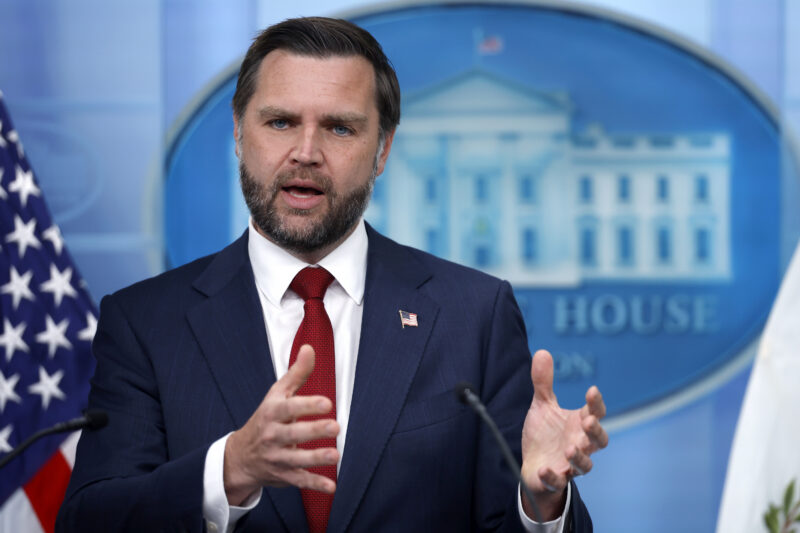
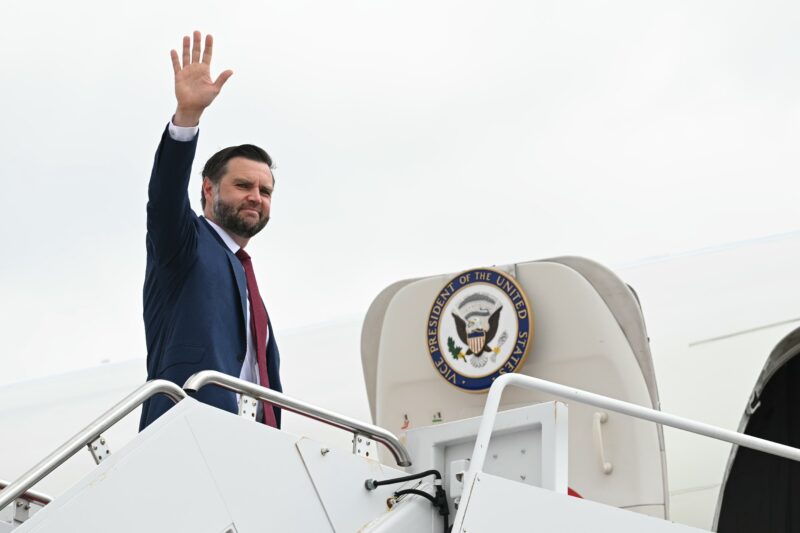
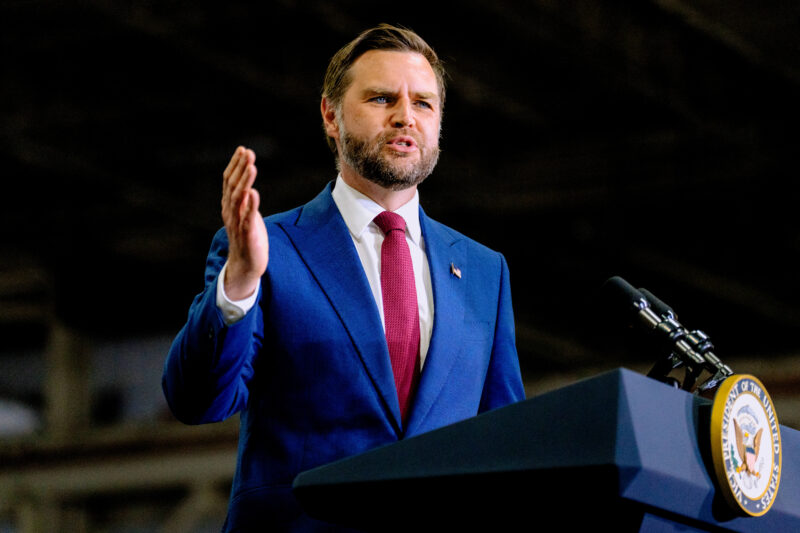
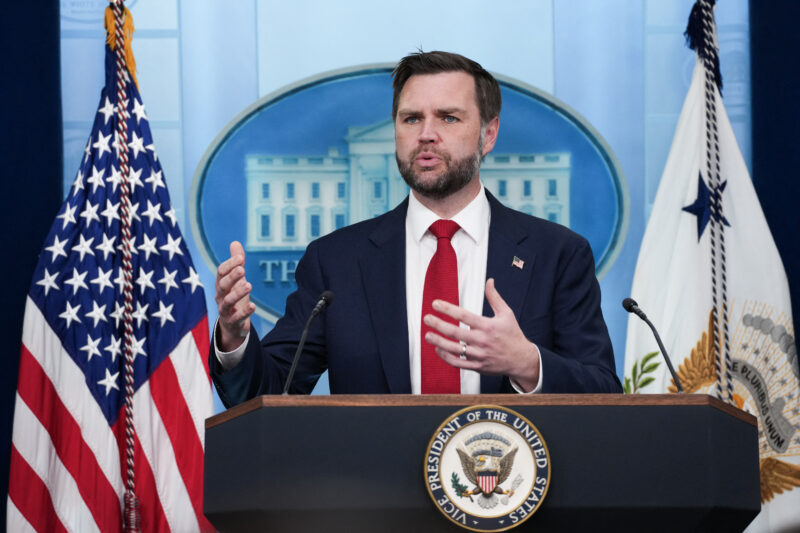
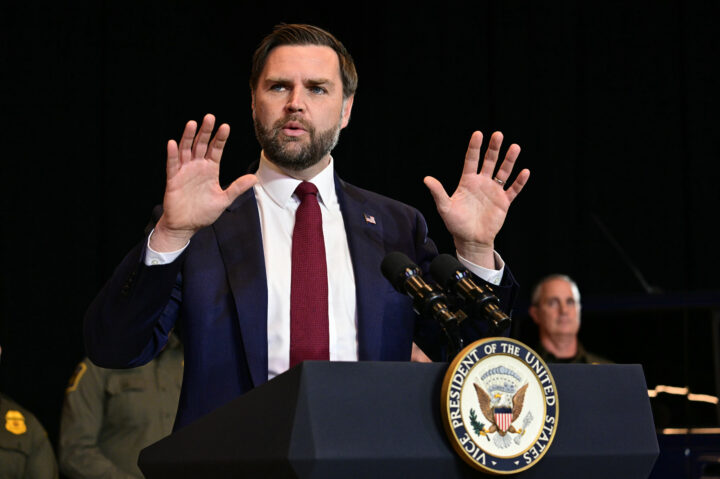
U.S. Vice President JD Vance gives remarks following a roundtable discussion with local leaders and community members amid a surge of federal immigration authorities in the area, at Royalston Square on January 22, 2026 in Minneapolis, Minnesota.


 Add JewishInsider on Google
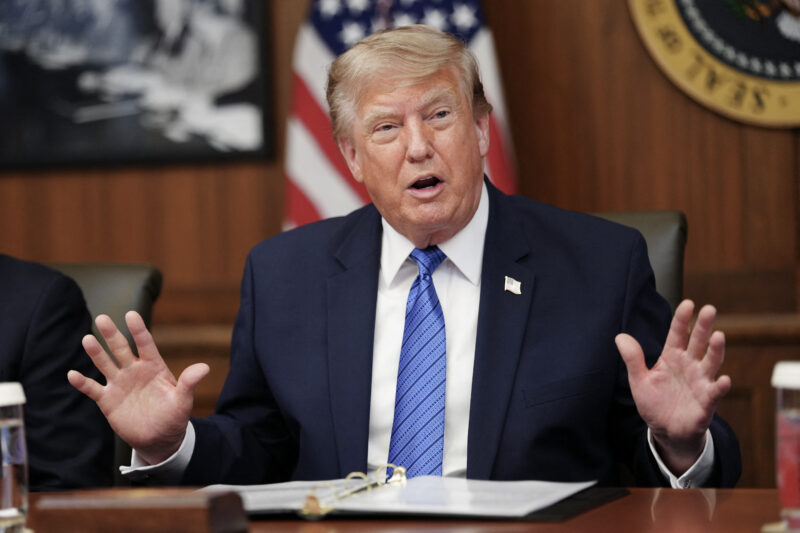
A week after President Donald Trump took office for the first time in 2017, the White House ignited a political and media firestorm by releasing a statement commemorating International Holocaust Remembrance Day that failed to mention Jews.
The omission was covered in major media outlets like CNN and Politico; the Anti-Defamation League called it “puzzling and troubling.”
Nearly a decade later, Trump released another Holocaust Remembrance Day post this week, with a far more specific message: “Today, we pay respect to the blessed memories of the millions of Jewish people, who were murdered at the hands of the Nazi Regime and its collaborators during the Holocaust,” the statement read, “as well as the Slavs and the Roma, people with disabilities, religious leaders, persons targeted based on their sexual orientation, and political prisoners who were also targeted for systematic slaughter.”
Meanwhile, Vice President JD Vance’s post commemorating the day, which marks the anniversary of the 1945 liberation of Auschwitz by Allied Forces, did not mention Jews or antisemitism, leading political rivals on the left to pounce. (Democratic Majority for Israel called it “indefensible.”)
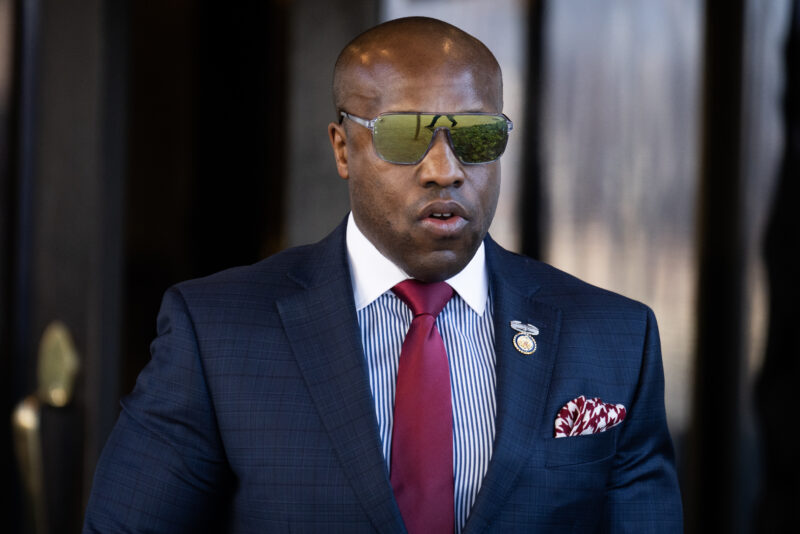
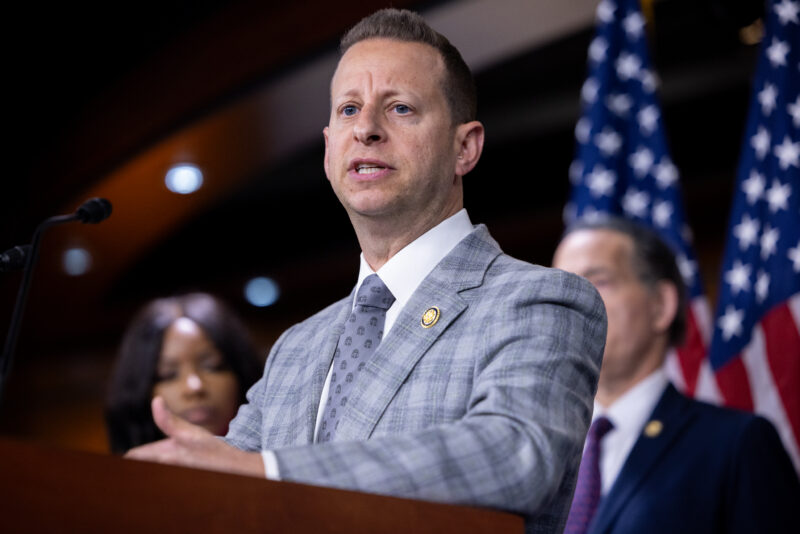
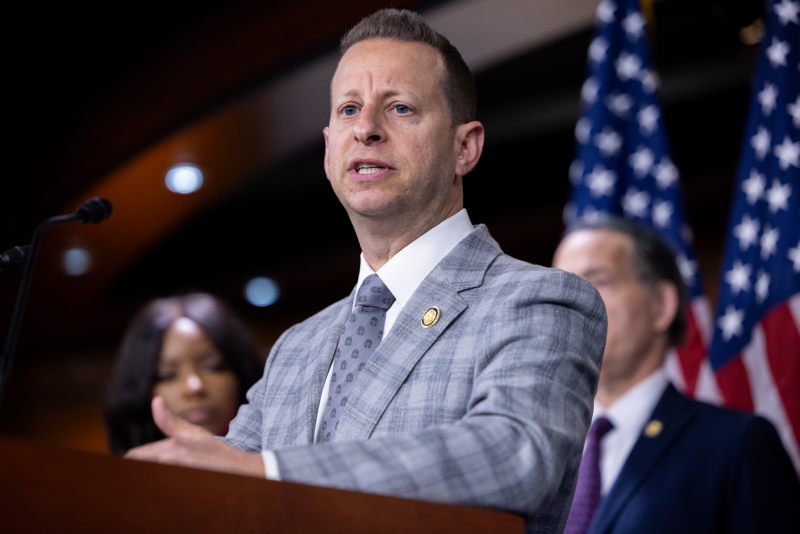
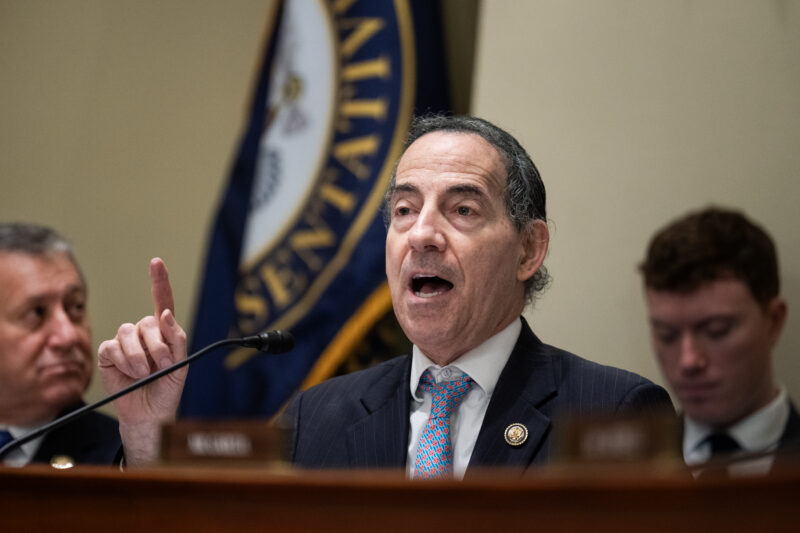
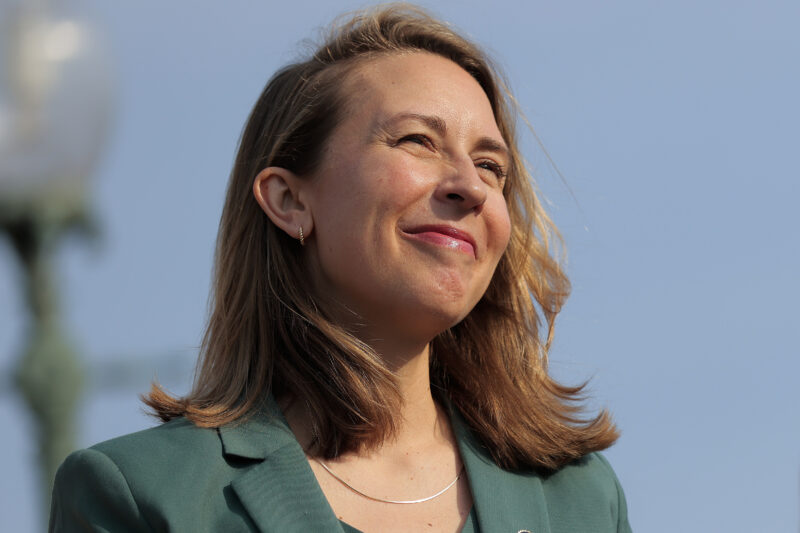
But despite the visibility of Vance’s tweet — which his defenders pointed out included pictures of him and his wife at Dachau, standing in front of a sign that said “Never again” in Yiddish — he was far from the only politician that failed to mention the fact that the Holocaust targeted Jews. Among them were: Sen. Roger Wicker (R-MS) and Rep. James Walkinshaw (D-VA), both of whom pledged to remember the victims of the Holocaust without referring to Nazis’ targeting of Jews.
Multiple presenters at the U.K.’s BBC also failed to mention Jews in their coverage of Holocaust Remembrance Day — drawing backlash and a subsequent apology from the national broadcaster.
Does it matter that these politicians or media don’t reference Jews if they are still highlighting the significance of the Holocaust? It’s possible to argue that, definitionally, the Holocaust was about Jews, so one could assume that any reference to the Holocaust is itself a reference to the killing of Jews and the antisemitism that led to it.
“If I talk about the potato famine, do I have to say Irish? How many other potato famines were there?” asked Deborah Lipstadt, a Holocaust historian who served as President Joe Biden’s antisemitism envoy. “But this is part of a greater whole in an age of rising antisemitism.”
For years, Americans’ knowledge of basic facts about the Holocaust has been declining, particularly as fewer Holocaust survivors are alive each year to share their stories. A 2023 survey conducted by the Claims Conference found that 21% of Americans believed that 2 million Jews or fewer were killed. Eight percent of Americans, and 15% of 18- to 29-year-olds, said the number of Jews who were killed during the Holocaust has been greatly exaggerated.
“Holocaust history has the power to teach vital, timeless lessons about why our choices matter — but only when it is approached with the precision, historical integrity and respect it rightfully deserves,” the U.S. Holocaust Memorial Museum said in a statement this week that called for an end to “the abuse and exploitation of Holocaust memory.”
In the 81 years since the Holocaust, political leaders and movements have exploited the memory of the genocide to serve their own ends, particularly by shifting the focus of who its victims were.
In the former Soviet Union, where more than 2 million Jews were killed during the Holocaust, memorials to those killed called them “peaceful Soviet citizens” — stripping them of their Jewish identity, as if their killers had targeted Russians rather than Jews. Some right-wing politicians in modern Poland have attempted to quash historical scholarship documenting that Poles were involved in Nazis’ killing of Jews, and that the Nazis targeted Jews, in particular, rather than just the Poles (though Poles were targeted, too).
Norman Goda, a Holocaust historian at the University of Florida, said that modern remembrances of the Holocaust that fail to mention Jews are “a soft form of denial.”
“The Nazis certainly knew who they were deporting. The Nazis certainly knew who they were gassing,” Goda told Jewish Insider on Wednesday. “The ignorance is such that you have to remind people that the Nazis called this Die Endlösung der Judenfrage, the final solution of the Jewish question. They weren’t just killing random people.”
The politicians posting about the Holocaust almost surely know that, as do most of their constituents. But rising antisemitism coupled with declining knowledge about a genocide that targeted and killed 6 million Jews means that reminding people of the facts — the specifics — remains crucial.
“Do we do this with any other mass catastrophe? Do we discuss the Armenian Genocide without mentioning the Armenians? Do we discuss slavery in the United States without mentioning who the slaves were?” Goda questioned. “We don’t do it, and anybody who would do that is engaged in an almost willful misunderstanding, either a profound historical ignorance, on the one hand, where you almost have to try to be that ignorant, or something that is simply more nefarious.”
More Stories

AID CONVERSATION
GOP Reps. Kustoff, Goldman say Republicans want to see U.S. aid to Israel continue
Norm-alizing?
Norm Eisen’s alliances with Israel critics raise eyebrows within Jewish community
YE SAYER
Blakeman-backed House candidate defended Ye’s antisemitic rants
Daily Overtime
Vance’s Jewish voter problem
PIKER PUSHBACK
University of Texas College Dems invitation to Hasan Piker sparks campus outrage, GOP fire

Daily Overtime
Miznon’s U.S. Open upset
Please log in if you already have a subscription, or subscribe to access the latest updates.
 Continue with Google
 Continue with Apple