




















Mixed messages on whether missiles, proxies have been cut out of Iran talks
The lack of clarity is reason for concern in Jerusalem, where the line on any potential American agreement with Iran has long been zero enrichment, extensive limitations on ballistic missiles and regional proxy activity
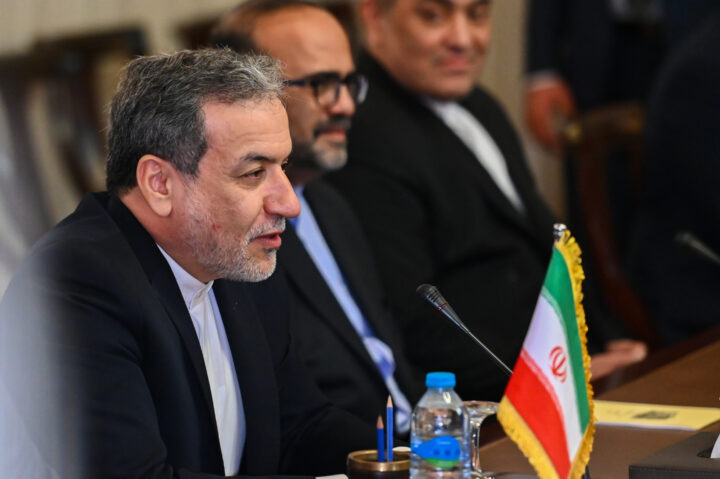
Sayed Hassan/Getty Images
Iran's Foreign Minister Abbas Araghchi meets with his Egyptian counterpart on October 17, 2024 in Cairo, Egypt.


 Add JewishInsider on Google
For a brief moment on Wednesday, it looked like Iran talks were off. Tehran wanted to move their location from Turkey to Oman and narrow the scope of the negotiations to its nuclear program. The Trump administration saw this as a bad sign, and anonymous American officials began leaking to the media that Iran wasn’t taking the negotiations seriously.
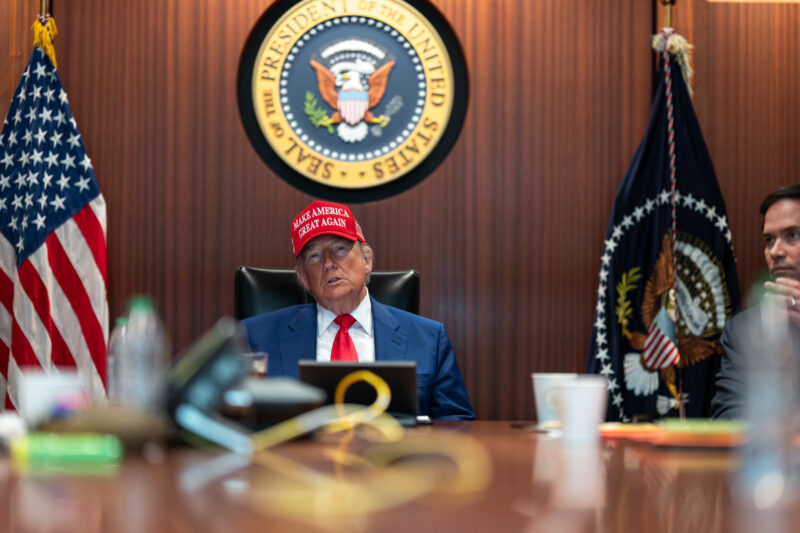
Secretary of State Marco Rubio acknowledged that the negotiations were uncertain in remarks to the press at the Critical Minerals Ministerial, a conference of 43 foreign and other ministers: “As far as the talks are concerned, I think the Iranians had agreed to a certain format. For whatever reason, it changed … We’ll see if we can get back to the right place. The U.S. is prepared to meet them,” he said.
Meanwhile, President Donald Trump relayed a warning to Iranian Supreme Leader Ali Khamenei in a prerecorded interview with NBC News: “I would say he should be very worried.”
It didn’t take long – just over two hours, to be precise – between the news of the apparent collapse of talks between the U.S. and Iran and Iranian Foreign Minister Abbas Araghchi’s announcement on X that they were back on: “Nuclear talks with the United States are scheduled to be held in Muscat on about 10 am Friday.” Anonymous American sources then confirmed to various media that negotiations were set to take place, after leaders of Arab and Muslim countries urged the Trump administration to give them a chance, despite Iran’s prevarications.
Still, Araghchi’s statement alludes to one of the major reasons that the talks were, briefly, called off: Are they only “nuclear talks” or are they about a range of malign behavior by the Islamic Republic?
The Iranian answer to that question is clear, but the Trump administration sent mixed messages.
The Trump interview with NBC provided few clues. The president expressed support for the protesters against the Iranian regime, saying “we’ve had their back.”
Yet, in a bit of revisionist history, he portrayed his recent threats to Iran as being solely about the nuclear file: “They were thinking of starting a new [nuclear] site in a different part of the country. We found out about it and said, ‘you do that, we’re going to do very bad things to you,'” Trump said. He didn’t mention ballistic missiles in the interview.
Rubio, however, specified that “as far as the topics [of negotiations] and what the agenda needs to be, I think that in order for talks to actually lead to something meaningful, they will have to include certain things, and that includes the range of their ballistic missiles, that includes the sponsorship of terrorist organizations across the region, that includes the nuclear program and that includes the treatment of their own people.”
“Beyond that,” Rubio said, “the president retains a number of options as to how to respond to [the violent crackdown on protesters] and future events.”
Vice President JD Vance told Megyn Kelly that stopping Iran from getting a nuclear weapon was the main concern: “In a perfect world, would I love it if a bunch of freedom-loving Iranians… had a government that was much more friendly to the United States of America? Would that be a good thing? Absolutely.”
“But fundamentally,” he added, “the president has been focused … on this question of ensuring that they don’t get a nuclear weapon. .. I feel 100% confident that even if the Iranians were rushing toward a nuclear weapon, they couldn’t get one during the Trump administration. But we’re not thinking about the next three years; we’re thinking about the next 30 years.”
Vance argued that “global nuclear proliferation” is “the biggest threat to the world,” and as such, Trump is seeking to stop Iran from obtaining nuclear weapons so that other countries in the region do not seek to attain them, as well, and is willing to work with unfriendly countries like Russia and China to achieve that because it is “the most important thing you can do for peace and stability.”
The lack of clarity is reason for concern in Jerusalem, where the line on any potential American agreement with Iran, going back to the Obama-era negotiations, has long been zero enrichment and extensive limitations on ballistic missiles and regional proxy activity.
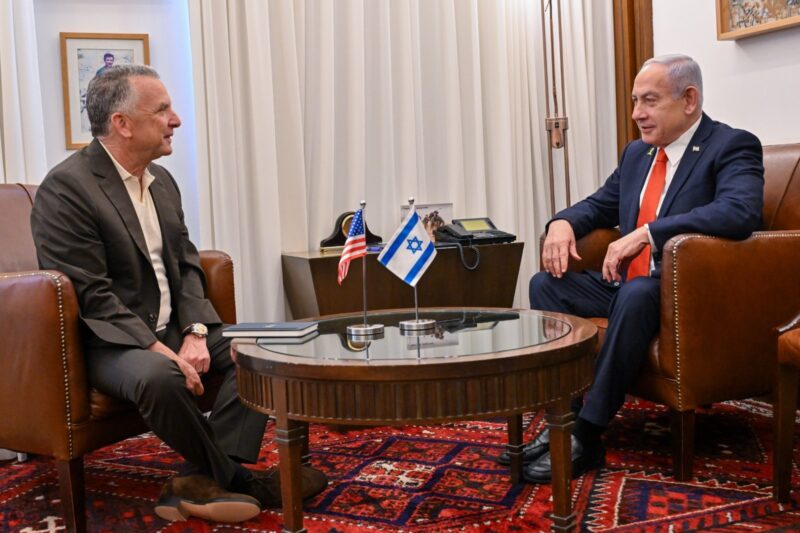
Israel regarded U.S.-Iran negotiations with deep skepticism even before the latest bumps on the road to Oman, with Israeli Prime Minister Benjamin Netanyahu telling White House Special Envoy Steve Witkoff during his visit to Israel on Tuesday that “Iran proved time after time that its promises cannot be trusted.” Talks that do not include missiles and proxies will likely be viewed with alarm.
More Stories

BOOKSHELF
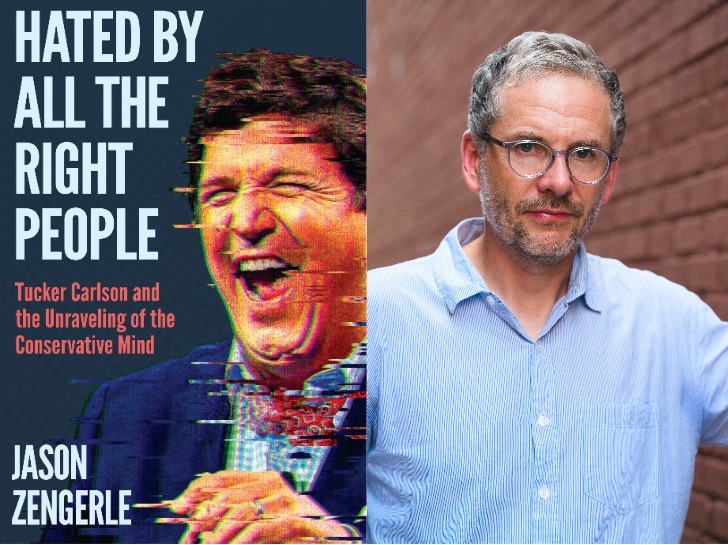
Inside Tucker Carlson’s transformation, according to his chronicler
ALARM BELLS
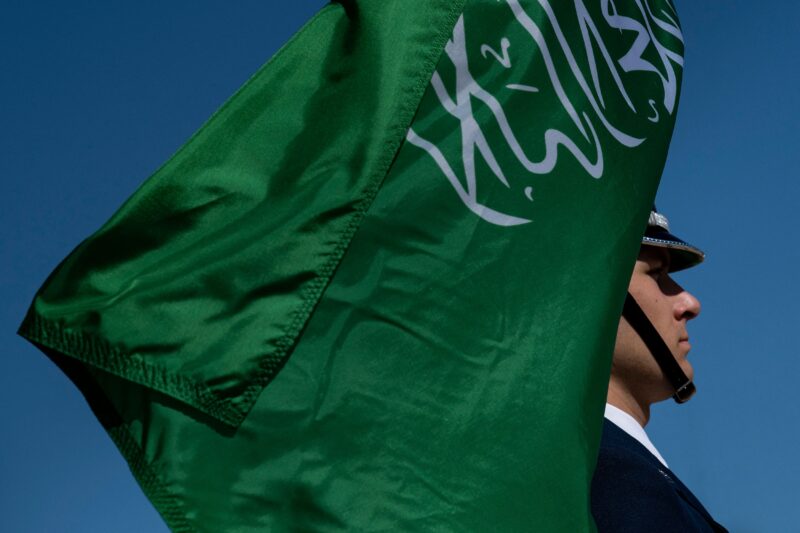
Leading Jewish organizations disturbed by Saudi Arabia’s Islamist turn
campus beat
Jennifer Mnookin takes over Columbia presidency with mixed record on dealing with antisemitism at Wisconsin
BUDAPEST BEAT
The Orthodox Jewish GOP donor vying to be U.S. ambassador to Hungary
BARAKA'S BACKING
In progressive pivot, N.J. congressional candidate Brian Varela secures Newark Mayor Ras Baraka’s endorsement
PLAYING AGAINST TYPE
Pat Ryan endorses Zohran Mamdani for New York City mayor
Please log in if you already have a subscription, or subscribe to access the latest updates.