


























































ADL report finds pervasive antisemitism in 20 American academic associations
The research found that 42% of surveyed Jewish faculty members who belong to an association report feeling alienated because they are Jewish or perceived as pro-Israel
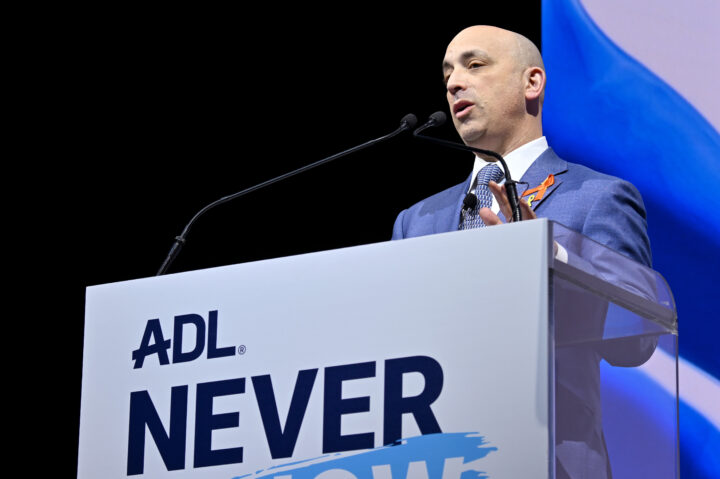
Bryan Bedder/Getty Images for Anti-Defamation League
ADL CEO Jonathan Greenblatt speaks onstage ADL's Never Is Now at Javits Center on March 03, 2025 in New York City.


 Add JewishInsider on Google
Antisemitism is on the rise within 20 major U.S.-based professional academic associations, according to a study published Thursday by the Anti-Defamation League.
The research, conducted in September, found that 42% of surveyed Jewish faculty members who belong to an association report feeling alienated because they are Jewish or perceived as Zionist; 25% report feeling the need to hide their Jewish or Zionist identity from colleagues in their association; and 45% report being told by others in their associations what does and does not constitute antisemitism. The data was collected using the International Holocaust Remembrance Alliance’s working definition of antisemitism.
Among the associations the report profiles is the Association of American Geographers, which faced pressure from members to adopt a boycott of Israel in August. Other organizations in which the ADL reported antisemitism include: National Women’s Studies Association, American Public Health Association, American Psychological Association and American Educational Research Association.
A Jewish member of the American Anthropological Association interviewed for the study said that the organization’s 2023 conference, held one month after the Oct. 7, 2023, terrorist attacks in Israel, “was one of the first times I felt afraid professionally as a Jewish person. I felt very vulnerable … if I had been wearing a Star of David, which I wasn’t, I would have taken it off. I did not feel safe.”
“Antisemitic biases in professional academic associations are widespread and reveal a problem that goes far beyond traditional scholarly circles,” said ADL CEO Jonathan Greenblatt.
“When antisemitism and biased anti-Israel narratives are normalized within these influential spaces, they seep into curricula, research, and public discourse, quietly but profoundly shaping how students and future professionals interpret the world,” continued Greenblatt. “By assessing these associations and how they are responding, we are delineating a path forward to ensure that academic spaces remain intellectually rigorous, inclusive and free of antisemitism and accountable to the public they serve.”
The report outlines suggestions for reform, based on practices implemented by associations that have successfully mitigated the spread of antisemitism within their organizations. These guardrails include anti-harassment policies and guidelines preventing an association from straying from its stated mission.
The study follows one published in September by the ADL and Academic Engagement Network that found much of the antisemitism on college campuses is fueled by faculty and staff — both on campus and within professional academic organizations.
More Stories

TEXAS TALK
Two Republicans condemned by Jewish groups looking to make comebacks in Texas

MAKING IT OFFICIAL
Trump signs executive order pledging to designate chapters of Muslim Brotherhood as terrorist orgs
olive branch
Rabbi Ammiel Hirsch, outspoken backer of Israel, leaves meeting with Mamdani ‘encouraged’

on the agenda
Trump meeting with Netanyahu at Mar-a-Lago later this month

AI ALERT
ADL study finds leading AI models generate extremist content after antisemitic prompts