




























Netanyahu U.N. address to be overshadowed by European moves against Israel
As the UNGA begins, several countries are recognizing a Palestinian state and the EU is considering suspending free trade with Israel
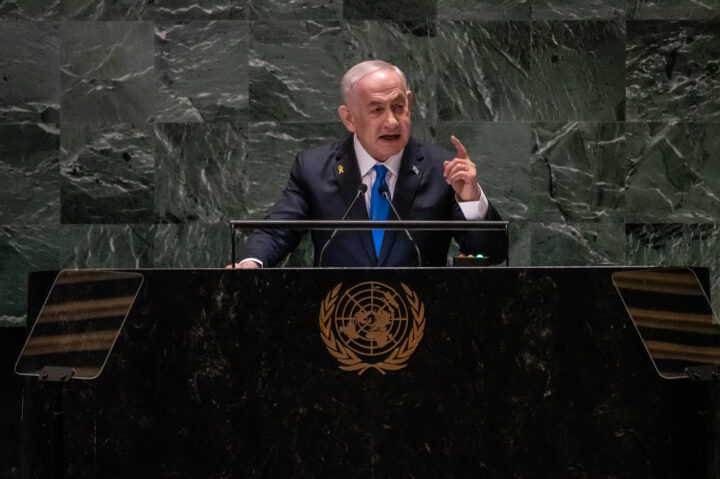
Stephanie Keith/Getty Images
Israeli Prime Minister Benjamin Netanyahu speaks during the United Nations General Assembly (UNGA) at the United Nations headquarters on September 27, 2024 in New York City.


 Add JewishInsider on Google
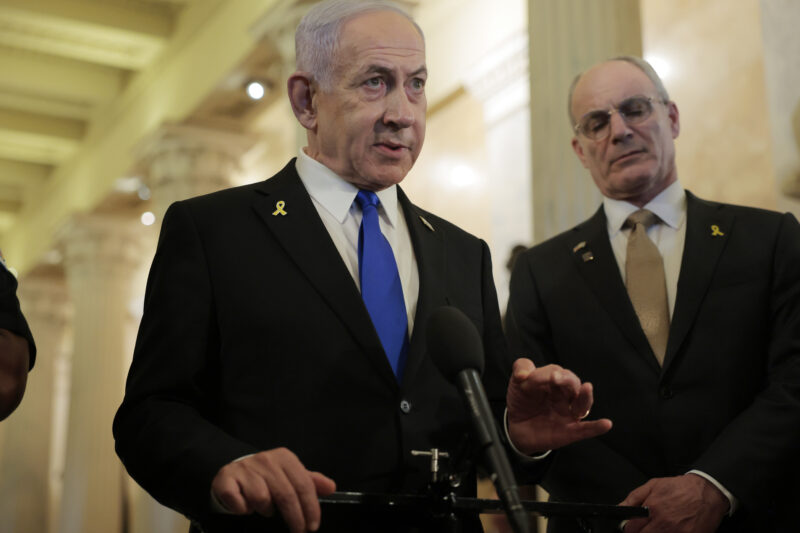
Israeli Prime Minister Benjamin Netanyahu’s planned speech to the United Nations General Assembly on Friday is being overshadowed by European moves to isolate Israel, with the U.K., as well as Canada and Australia recognizing a Palestinian state on Sunday and more to come, as well as an upcoming EU vote on sanctions against Israel.
Netanyahu released a statement, in which he said he has “a clear message to the leaders who recognize a Palestinian state after the terrible massacre of Oct. 7: You are giving a massive prize to terror. … It will not happen. There will not be a Palestinian state west of the Jordan River.”
The prime minister hinted that Israel will increase settlement activity in response: “For years I prevented the establishment of this terror state facing great pressures, domestic and foreign … Not only that, we doubled the Jewish settlement in Judea and Samaria. The response to the latest attempt to force a terror state on us in the heart of our land will be given after my return from the U.S. Wait.”
U.K. Prime Minister Keir Starmer said on Sunday that his country is “acting to keep alive the possibility of peace and a two-state solution. That means a safe and secure Israel alongside a viable Palestinian state. At the moment, we have neither.”
He pushed back against the Israeli argument that recognition of a Palestinian state at this time acts as a reward for Hamas, arguing that “our call for a genuine two-state solution is the exact opposite of [Hamas’] hateful vision. … This solution is not a reward for Hamas, because it means Hamas can have no future.”
Hamas, however, praised the recognition as an “important move” and called for it to be accompanied by ending the “Judaization of the West Bank and Jerusalem, Israel’s isolation and Israel’s leaders brought before international court,” as well as the recognition of the Palestinians’ “natural right to resistance.”
The High-Level Conference on Palestine Statehood, led by France and Saudi Arabia, is set to take place Monday, on the eve of Rosh Hashanah. Nearly a dozen countries have said they would recognize a Palestinian state as part of that effort, following the announcements of the U.K., Canada and Australia on Sunday.
French President Emmanuel Macron argued in an interview with Israel’s Channel 12 News that “recognition of a Palestinian state is the best way to isolate Hamas … What they want is to destroy [Israel], but if we consider that the Palestinian state will always have the objective to destroy Israel, how [do] they want to build a sustainable future? There is no way.”
A recent poll commissioned by the French-Jewish umbrella organization CRIF found that 71% of French people reject the recognition of a Palestinian state before the hostages are freed and Hamas gives up power. In the U.K., a survey in The Telegraph showed 87% of Britons disagree with recognition of a Palestinian state without preconditions, including 89% of Labour voters. A YouGov poll, however, found that 44% of Britons supported the move, while 18% were opposed and 37% unsure.
U.S. Ambassador to France Charles Kushner noted that in conjunction with his announcement of Palestinian state recognition, Macron called for Palestinian recognition of Israel as a Jewish state, the demilitarization of Hamas and the establishment of strong governance for the Palestinians as preconditions for any recognition of Palestinian statehood. “These were France’s own conditions for recognition of a Palestinian state. How can France move forward with next week’s vote when none of these have been met?” Kushner said.
Netanyahu, who was Israel’s ambassador to the U.N. from 1984-1988, is known to relish his addresses to the U.N. General Assembly, embracing theatrical props, puns and long pauses on a platform where he hopes to capture the world’s attention for Israel’s benefit.
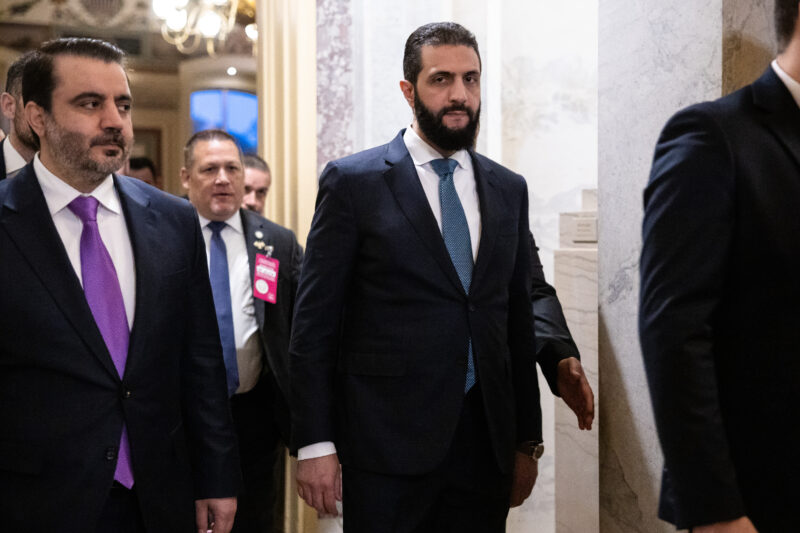
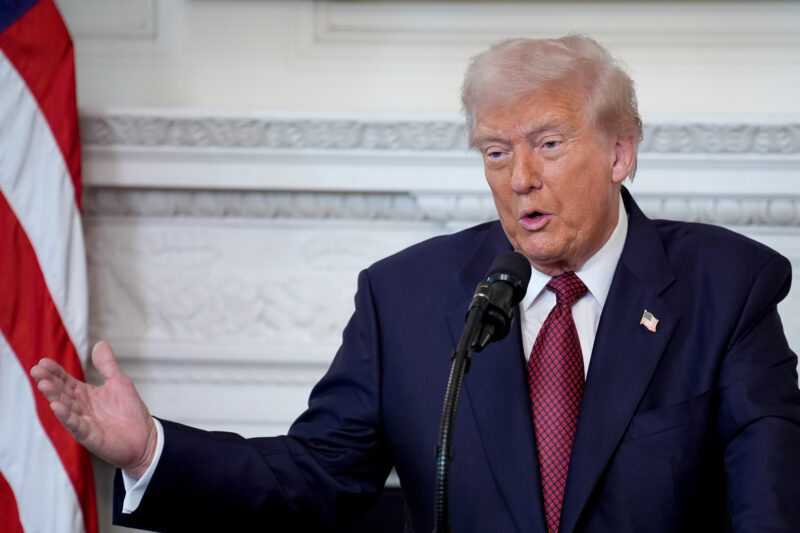
After his UNGA speeches, Netanyahu holds court, with other leaders visiting him in a conference room in Turtle Bay. This year, he is expected to meet with Argentinian President Javier Milei, the leaders of Paraguay and Serbia and New York Mayor Eric Adams, and there are reports that he will meet with Syrian President Ahmad al-Sharaa ahead of a possible security agreement between Damascus and Jerusalem. Then, Netanyahu is expected to fly to Washington to meet with President Donald Trump.
Meanwhile, Israel’s Foreign Ministry and Economy Ministry, which oversees foreign trade, have been pushing back against proposed European Union sanctions. The European Commission proposed the roll-back of relations between the bloc and Israel after it “found that actions taken by the Israeli government represent a breach of essential elements relating to respect for human rights” given “the rapidly deteriorating humanitarian situation in Gaza following the military intervention of Israel, the blockade of humanitarian aid, the intensifying of military operations and the decision of the Israeli authorities to advance the settlement plan in the so-called E1 area of the West Bank, which further undermines the two-state solution.”
The proposal, if accepted, would suspend free trade between Israel and the European Union, its largest trade partner.
A source in Brussels estimated that the move would cost Israel 227 million Euros ($266 million) in customs duties per year.
A date has not yet been set for voting on the suspension of free trade, which requires a qualified majority, also known as a “double majority,” meaning 55% of member states, and states representing 65% of the EU population, with at least four states opposed.
Hungary and the Czech Republic said they would oppose the proposal, following calls between their foreign ministers and Israeli Foreign Minister Gideon Sa’ar.
Sa’ar called the proposal “morally and politically distorted.”
“Moves against Israel will harm Europe’s own interests,” Sa’ar warned. “Israel will continue to struggle, with the help of its friends in Europe, against attempts to harm it while it is in the midst of an existential war. Steps against Israel will be answered accordingly, and we hope we will not be required to take them.”
Economy Minister Nir Barkat sent letters to Germany, Hungary, Czechia, Italy, Bulgaria, Greece, Lithuania, Cyprus, Croatia and Latvia asking them to oppose the measure to suspend free trade.
The European Commission also suspended 20 million Euros ($23.5 million) in projects with Israel, dealing with civil service training and regional-EU cooperation related to the Abraham Accords, through 2027. The commission was able to end the cooperation without a vote and noted in repeated statements that it was exempting “civil society and Yad Vashem.”
In addition, the European Commission proposed sanctions against Israeli Finance Minister Bezalel Smotrich and National Security Minister Itamar Ben-Gvir, as well as “violent settlers” and 10 members of the Hamas politburo, which would require a unanimous vote by EU member states. The ban on Israelis is unlikely to be approved, especially not the cabinet ministers.
In another sign of Israel’s increased isolation in Europe, several countries’ public broadcasters said they would boycott the 2026 Eurovision Song Contest if Israel were to take part, as it usually does.
Spain, the Netherlands, Slovenia, Iceland and Ireland have said they will not participate in the contest along with Israel, and Belgium threatened to follow suit.
Israeli public broadcaster Kan said that it will continue to be “a significant part in this cultural event, which cannot become political.”
“Israel is one of the most successful participants in the Eurovision contest — in the past seven years its songs and representatives have finished in 5th, 3rd, 2nd and 1st place,” Kan CEO Golan Yochpaz said.
Austrian Foreign Minister Beate Meinl-Reisinger, whose country is due to host the Eurovision next year, posted on X that the contest “is a symbol of peace, unity, and cultural exchange — not an instrument for sanctions.”
More Stories
MICHIGAN MOVES
Haley Stevens maintains support for Israel as her primary rivals battle over anti-Israel lane

exclusive
Schumer, Senate Democrats introduce resolution condemning Fuentes, Carlson

priority check
Trump’s national security strategy balances global engagement with ‘high bar’ for intervention
academic adversity
Columbia antisemitism task force report finds all its Middle East faculty are anti-Zionist
DOHA DEALINGS
FBI Director Patel signs security deals with Qatar, his former lobbying client