




























U.S. hostage envoy Adam Boehler: Hamas hostage deal is ‘closer than it’s been’
Boehler also addressed criticisms of his direct talks with Hamas
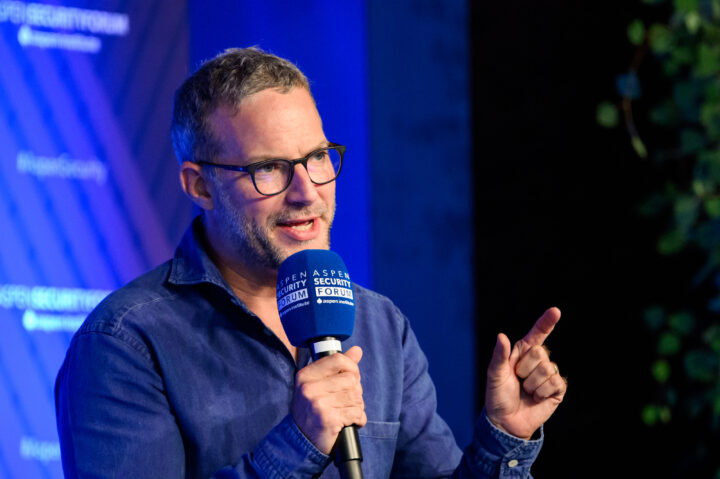
Aspen Security Forum
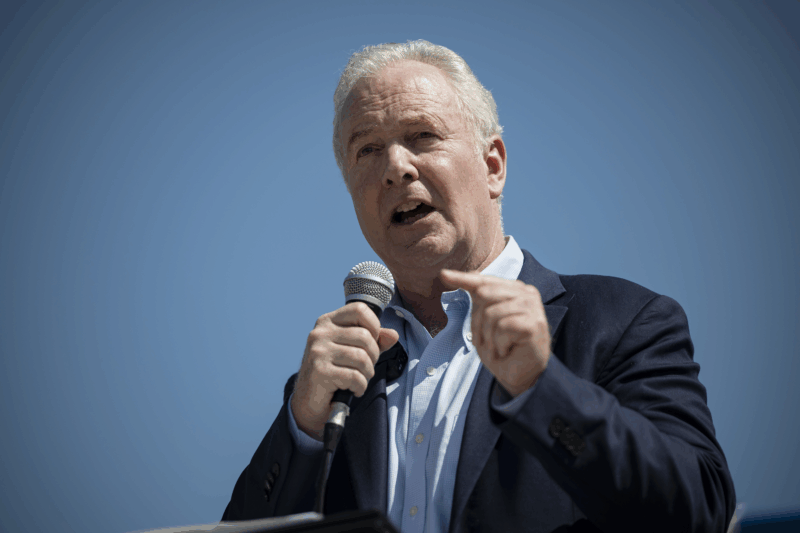
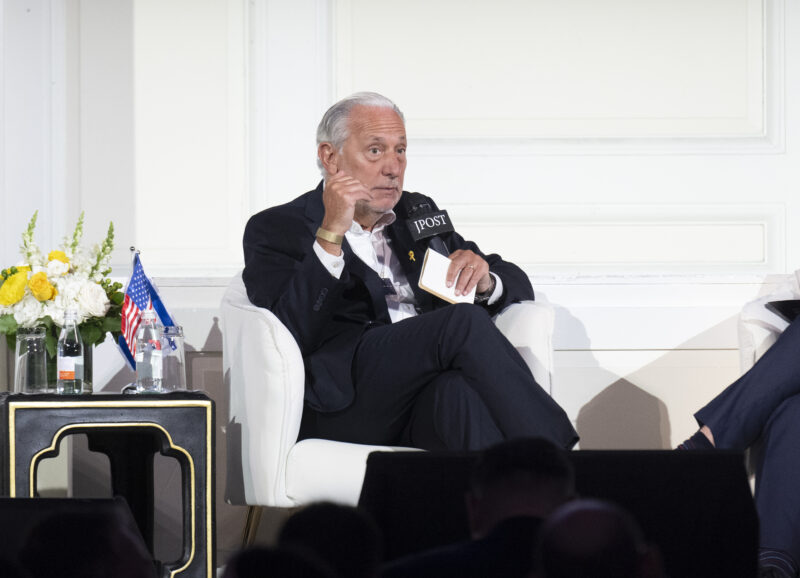
U.S. hostage envoy Adam Boehler speaks at the Aspen Security Forum on July 17, 2025.


 Add JewishInsider on Google
Aspen, Colo — U.S. hostage envoy Adam Boehler said at the Aspen Security Forum on Thursday that there had been “some movement forward” recently toward a ceasefire and hostage-release deal with Hamas. He also addressed criticisms of his direct talks with Hamas.
“It’s closer than it’s been, and if it doesn’t happen, in my strong opinion it would be continued hard-headedness from Hamas, in which case Israel will continue to take action, as they should,” Boehler, the only Trump administration official to address the conference, said. “I am more optimistic than I have been in a while about that.”
Boehler said that Israeli Prime Minister Benjamin Netanyahu’s success in striking Iran has given Netanyahu the political capital and positioning at home to potentially seal a deal. “In that way, there’s never been a better time.” He said Israel is “leaning in a lot” and that finalizing a deal gives Netanyahu the opportunity to further burnish his reputation in history.
By contrast, Boehler said that Hamas is “very hard-headed” in talks, which has been frustrating for negotiators and leads the terrorist group to reject deals that seem to be in its interest.
“With [former hostage] Edan Alexander, Hamas had multiple times where they probably lost leverage over time. Look at the whole war. They continue to hold out. Israel continues to kick their ass. And yet they still think they have leverage,” Boehler said.
Asked about his direct negotiations with Hamas, which were controversial, especially among Israeli officials who were largely kept out of the loop, Boehler downplayed the extent of the tension between the U.S. and Israel on the issue.
“There was no unilateral deal ever possible. While that’s an American citizen, Edan, we were always working with the Israeli side,” Boehler said. “Now whether or not — I think the question is whether or not discussions on that side were [conducted with Israeli involvement], but there would be no deal that would be possible that wasn’t coordinated with the Israelis.”
Boehler also emphasized that his job is to negotiate with people who he knows are “bad guys.”
“I’m under no illusions, ever. These are bad people. They’re bad guys,” Boehler said. “I’m not making a moral evaluation. I don’t want to go get beers with the guys. What I want is Americans out now, and I want them never to take them again.”
He said he tries to focus on what each side wants and where there might be commonalities that both sides can pursue.
Boheler added that he does not believe that meeting with someone is a concession itself. He argued that it can be more difficult to understand what an adversary actually wants in the present if he is relying on others’ characterization of their views, adding that direct talks can also move negotiations along more quickly.
The U.S. envoy argued that earlier and stronger U.S. action in the post-Oct. 7 hostage crisis — “in terms of being more aggressive in our support of Israel” — could have “made a difference if we had leaned in more at the beginning — I believe that is likely — versus holding back.”
“I’m not making that judgement by myself, I’m making that judgement from discussion[s] on the military side too,” he continued. “Are there things we could have done better there that would have made a difference for American lives and for Israeli lives? Yeah, of course.”
Boehler said that the U.S. strikes on Iran will help give him leverage in hostage talks by proving that Trump is serious about the things he says and is willing to back them up with force.
“What do I need to say? ‘You don’t want to listen to the president? One of his core platforms is getting Americans out. Look what happens,’” Boehler said. “He said something [and followed through] … it’s so important to have that credibility. And that kind of credibility doesn’t just bring Americans home. It makes people think twice before they take them.”
Boehler said that sometimes there is no negotiating path with terrorist groups or other adversaries, and that force is the only option, but that it’s worth attempting to see if there is a diplomatic path.
Boehler also repeated the administration’s recent warning to Americans against traveling to Iran for any reason.
“You sort of think that’s like, ‘Duh,’” Boehler said, to chuckles from the audience. “But you’d be surprised.”
He warned that it’s “very sensitive” for the U.S to compensate rogue actors for the release of American hostages because that can incentivize further hostage-taking going forward. The administration conducted a prisoner exchange with Russia.
“I’m very, very sensitive to hostage diplomacy because it doesn’t work. You will see we very rarely trade people. It would have to be very unique. Money? Forget about it,” Boehler said.
He said that he sometimes needs to employ “negative incentives,” including threats, as well.
“The president has always stated and oriented toward, ‘I would like a diplomatic solution.’ He told Iran that and then Iran tested it, and then they saw what they got,” Boehler said. “So those things are very important, and I think about the same thing from a hostage perspective.”
Asked about his conversations with hostage families, Boehler said he followed advice from his predecessors to be “authentic and truthful. And so if at that moment you’re feeling something, you can let that show.” He said he also tries to be “extremely responsive” to the families, but also upfront about the prospects for a deal and the potential obstacles.
“Those families have been through way more than I’ve been through. I don’t need to soft-pedal to them, but I owe them this responsiveness and authenticity,” Boehler said. “Their children, family members have been taken away, they’ve been killed. They don’t need bullshit from me. They need somebody that’s going to be honest with them and they can certainly take that.”
Boehler, who was involved in efforts to negotiate the Abraham Accords during Trump’s first administration, said that he believes the accords will grow within the next year, saying that Saudi Arabia had been clear across multiple administrations about its interest in a deal.
“I think that the inherent reasons there was interest there haven’t changed,” Boehler said. He downplayed the strain that the Oct. 7, 2023, Hamas attacks on Israel and the ensuing war have placed on those efforts, noting that the Abraham Accords have “held strong.”
“People make comments publicly, but if you look at the support, it was a totally different Middle East than if we had been in a war years before. And so I feel optimistic,” Boehler said.
Boehler also credited the Israeli government for acknowledging mistakes in its conduct in the war when they happen, noting one such statement issued on Thursday apologizing for an Israeli strike on a church in Gaza.
“I’m sure it was not on purpose and then they will do an investigation and say this is a real issue,” Boehler said.
At the same time, he said that it would be “a very dangerous thing” if Israel were to sway to the whims of global public opinion about its military campaign in Gaza “because they’re fighting for their survival all the time” against a terrorist group embedded in the civilian population.
More Stories
blake's backtrack
In 2020 AIPAC position paper, Michael Blake vowed to support Israel, highlighted Black-Jewish unity
academic adversity
Columbia antisemitism task force report finds all its Middle East faculty are anti-Zionist
olive branch
Rabbi Ammiel Hirsch, outspoken backer of Israel, leaves meeting with Mamdani ‘encouraged’

Fuentes’ following
New report documents foreign engagement driving online antisemitic activity
TEXAS TALK
Two Republicans condemned by Jewish groups looking to make comebacks in Texas