













































The significance of Kuwait revoking the citizenship of a prominent Muslim Brotherhood cleric
Experts told JI the move may indicate Kuwait is siding with moderate Gulf states in taking a harsher stance against the organization
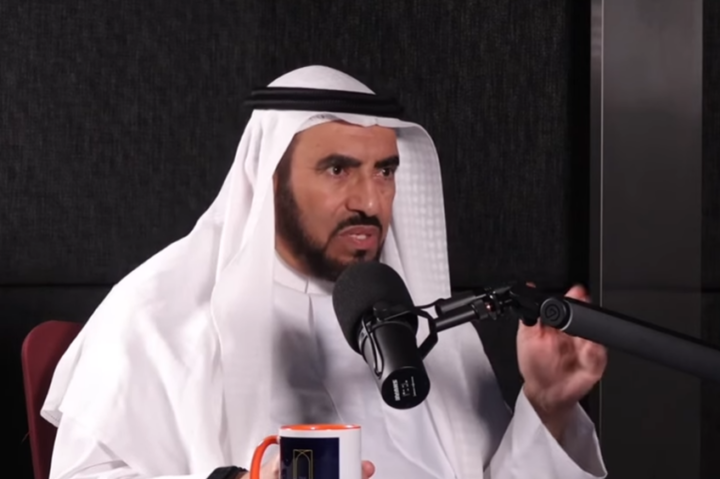
Screenshot/YouTube
Islamic cleric Tareq Al-Suwaidan


 Add JewishInsider on Google
Kuwait revoked the citizenship earlier this month of Tareq Al-Suwaidan, a prominent Islamic cleric and media figure associated with the Muslim Brotherhood.
Kuwait’s emir, Sheikh Mishal Al Ahmad Al Jaber Al Sabah, signed a decree on Dec. 7 ordering the revocation of Al-Suwaidan’s Kuwaiti citizenship, according to local media reports. The decree took effect immediately.
Experts who spoke to Jewish Insider suggested that the move was a sign that the country may be taking action on the Islamist movement as a result of ramped-up external pressure against the organization.
Kuwait typically revokes citizenship in cases involving dual nationality — which the country does not recognize — fraud or forgery, or actions deemed harmful to national security or the “supreme interests of the state.” Authorities have not publicly specified which provision applied in Al-Suwaidan’s case.
Al-Suwaidan is among the Arab world’s most recognizable Islamic speakers and has garnered significant influence across media, education and religious discourse. At age 17, he moved to the United States, where he spent roughly two decades and earned a Ph.D. in petroleum engineering from the University of Tulsa.
Edmund Fitton-Brown, a senior fellow at the Foundation for Defense of Democracies and a former British diplomat who served in Kuwait, said it is typical for figures close to the Muslim Brotherhood to “get involved in education.”
“Reading between the lines, I would say this is somebody who has a pretty strong impulse to do the Muslim Brotherhood’s work in North America, even though he’s actually based in Kuwait,” said Fitton-Brown.
Experts told JI it is unclear whether Kuwait’s move specifically pertains to Al-Suwaidan’s Muslim Brotherhood ties, but it is not out of the question and could be the result of heightened pressure from the U.S. and some Arab governments against the organization.
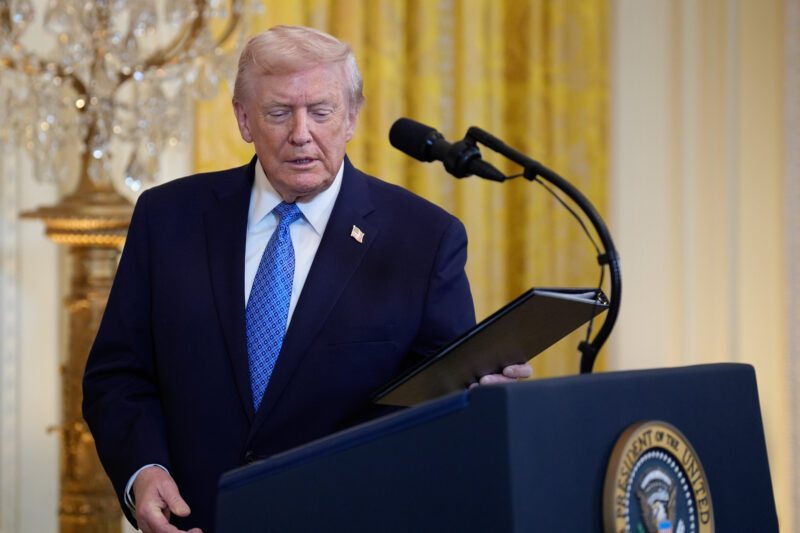
“I would guess that this reflects a sense in Kuwait that the United States is getting serious about opposing the Muslim Brotherhood,” said Fitton-Brown, referencing President Donald Trump’s November executive order targeting the organization. “The Kuwaitis would be aware that if the president has directed the State [Department] and Treasury to go after the Muslim Brotherhood affiliates in Egypt, Jordan and Lebanon, then on many people’s list of the chapters that would follow those three, Kuwait would be quite high up.”
Fitton-Brown said the Kuwaitis might be trying to stay “ahead of the curve,” acting preemptively to “please the Americans and send a message that they’re not soft on the Muslim Brotherhood.”
Michael Jacobson, a senior fellow at The Washington Institute for Near East Policy, also noted that the U.S. has recently put “more pressure” on the Kuwaiti government to counter the Muslim Brotherhood. He said that the group has largely been allowed to operate in the country and has even had a “presence in [Kuwait’s] parliament.”
Jacobson added that the Kuwaiti government “is not a huge fan of the Brotherhood” and that support for the organization in the country “has been dropping a little bit in recent times.”
“It may be a reflection that the Kuwaiti government is seeing that and willing to take action that they might not have been willing to in the past,” said Jacobson, referring to declining support for the organization in the country. “It is interesting to see whether or not this does represent any kind of significant movement on their part, or if it’s unique to this case.”
Fitton-Brown said another explanation could be due to “domestic or Arabian Peninsula reasons,” citing divides in Arab countries over how to engage with the Muslim Brotherhood. While Qatar has been known to sponsor the organization’s actions, other Gulf states, such as Saudi Arabia and the United Arab Emirates, have taken a harsher stance against the group, proscribing it as a terrorist organization.
“There was a period from 2017 to 2021 where the Saudis, Emiratis and Bahrainis completely isolated Qatar because they considered the Qataris as sponsoring the Muslim Brotherhood, and the Muslim Brotherhood meant harm to the political systems in Saudi and UAE and Bahrain,” said Fitton-Brown.
Fitton-Brown said that while Kuwait has “tended to stand slightly outside of this dispute,” the decision to revoke Al-Suwaidan’s citizenship could reflect that their government is feeling “more confident” in taking a side against the Muslim Brotherhood in the current climate than they have in the past.
“I don’t think there’s much doubt that it’s informed by this sort of ambient sense of movement against the Muslim Brotherhood,” said Fitton-Brown. “Kuwait tends to be fairly closely joined to the Saudis. If [Kuwait] was forced to take a side between Saudi Arabia and Qatar, it would certainly choose Saudi Arabia.”
Al-Suwaidan has criticized neighboring Gulf states, including Saudi Arabia and the UAE, according to reports, and was arrested in 2024 by Kuwaiti authorities and charged with insulting a Gulf country and another Arab state on social media. He was released on bail and later acquitted, though the ruling was appealed.
Al-Suwaidan also carries a history of inflammatory and antisemitic rhetoric. In a Nov. 15, 2023, episode of the “Al-Minassa” podcast, Al-Suwaidan referred to Israelis as “soldiers” and “criminals” who “deserve to be killed and expelled,” said Israeli women should be taken captive and alleged Jewish control over global institutions — a longstanding antisemitic conspiracy theory.
More Stories
blake's backtrack
In 2020 AIPAC position paper, Michael Blake vowed to support Israel, highlighted Black-Jewish unity

doha forum dispatch
Hillary Clinton reiterates concerns about anti-Israel ‘propaganda’ targeting American youth

JOHNSON'S JOURNEY
House Speaker Mike Johnson headed to New Square on Sunday to help Mike Lawler

data diaries
New Yale Youth poll finds Gen Z fueling rise in antisemitic views
ANALYSIS
Most Jewish voters oppose Mamdani — but remain divided on an alternative
