




















Ex-Israeli ambassador to UAE sounds alarm on future of Abraham Accords
Amir Hayek: ‘We all need to be very, very wise in order to protect, I think, one of the most important things that we have in our region’
Screenshot
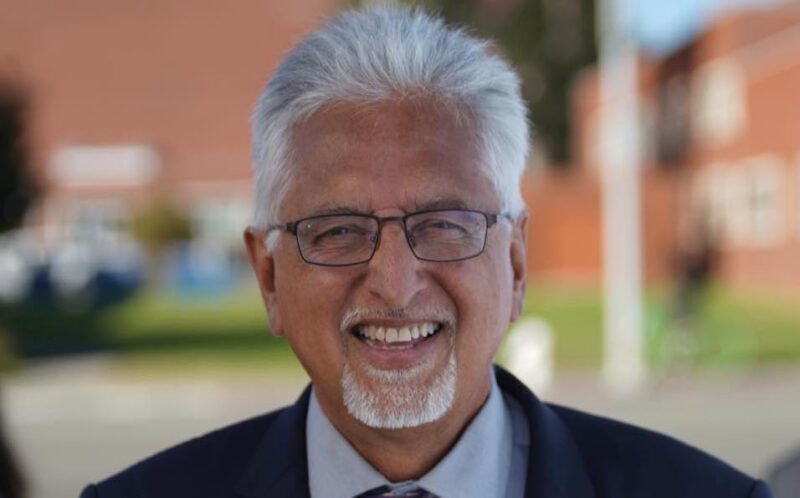
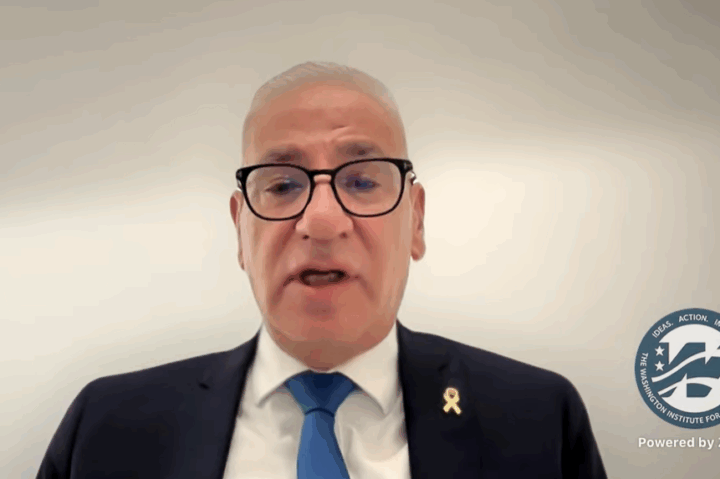
Former Israeli Ambassador to the UAE Amir Hayek speaks at a Washington Institute for Near East Policy event on the Abraham Accords on Sept. 11, 2025.


 Add JewishInsider on Google
Israel’s first ambassador to the United Arab Emirates said on Thursday that he is “very, very worried” about the future of the Abraham Accords, as Israel’s ties in the Gulf are coming under strain following an Israeli attack on Hamas leaders in Qatar earlier this week.
“For the last week, I am almost not sleeping. I’m very, very worried,” Amir Hayek said at a webinar hosted by the Washington Institute for Near East Policy marking the five-year anniversary of the signing of the Accords, when Israel normalized ties with the UAE.
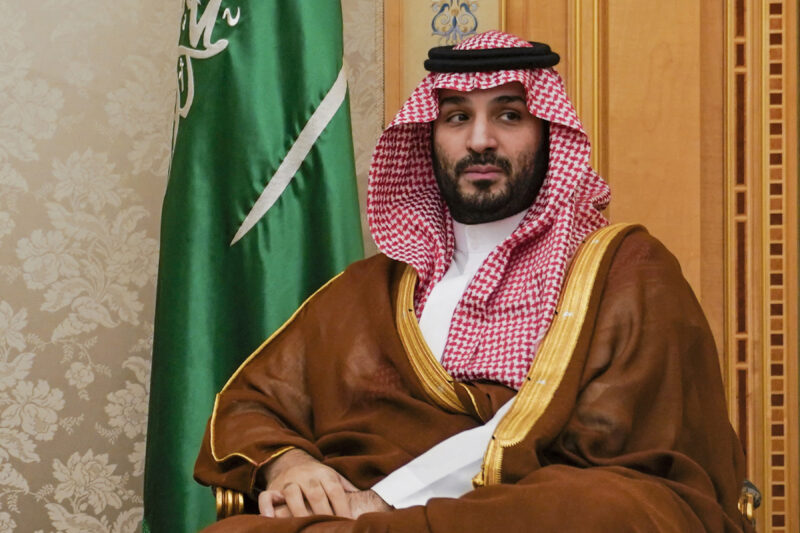
UAE President Mohamed bin Zayed flew to Doha this week in a show of support for Qatar after the Israeli attack. Reports have indicated that Israel did not successfully hit the terror leaders it targeted, instead killing several lower-level Hamas officials. Other Gulf leaders, including Jordan’s Crown Prince Hussein and Saudi Arabia’s Crown Prince Mohammed bin Salman, also planned visits to Doha, and Qatar will host an emergency summit with Arab leaders on Sunday.
A barrage of criticism directed at Israel — including from President Donald Trump — has sparked fears that its goal of regional integration could now be even farther away.
“I believe that Israel should look at our partners as partners, and talk to them, and not let this situation and the Abraham Accords collapse,” said Hayek, who was ambassador to the UAE from 2021 to 2024. “I think that it will be very hard to rebuild the Abraham Accords if we will pass a point of breaking them, even if we think that we can do it for a few months. No. No. We need to do everything to protect the Abraham Accords.”
Hayek did not specifically reference Israel’s actions in Qatar, nor did he mention Israeli Prime Minister Benjamin Netanyahu’s decision on Thursday to move forward with a controversial new settlement expansion plan, known as the E1 corridor, in the West Bank. But he suggested “internal Israeli politics” may be at play.
“We [Israel] didn’t start the war, but we need to know when to finish the war,” said Hayek. “Maybe it’s related to the internal Israeli politics. But we all need to be very, very wise in order to protect, I think, one of the most important things that we have in our region.”
Hayek, a businessman who is now a fellow at the Atlantic Council, said he is still doing everything in his power to promote Israel’s ties with the UAE and with Bahrain.
“To be an ambassador, it’s not a lifetime job, but it’s a lifetime mission,” said Hayek. “I’m talking not only to the Emiratis, Bahrainis and other countries. I’m talking to my government as well, saying we need to do everything needed in order to keep those relations.”
Hayek maintains hope in the future of the Accords. But if their promise was already being tested by the war in Gaza, it has grown even more fraught this week.
“Hope is my middle name, and I think that I will need a lot of hope these days when we see some difficulties with the Abraham Accords,” said Hayek. “I hope that the Abraham Accords will stand … and we’ll go forward with our partners and friends in the Middle East.”
More Stories
PROBLEMATIC POST
Top Michigan Democratic fundraiser shared Veterans Day post honoring Nazi officer grandfather

Cataloging concerns
Why UPenn and the federal government are battling over lists of Jewish faculty members
ON THE HILL
2026 defense bill includes unconditional repeal of Syria sanctions, Iraq war authorizations
UNDER SCRUTINY
Jewish leaders raise alarm over Fairfax County GOP chair candidate’s antisemitism
UNSEALED
Newly released memos reveal State Dept. concerns about basis for student deportations
BOOKSHELF
Inside Tucker Carlson’s transformation, according to his chronicler
Please log in if you already have a subscription, or subscribe to access the latest updates.