













Quincy Institute among anti-Israel sponsors of Doha Forum
The pro-Iran think tank is sponsoring a panel featuring the former Iranian foreign minister
AFP via Getty Images
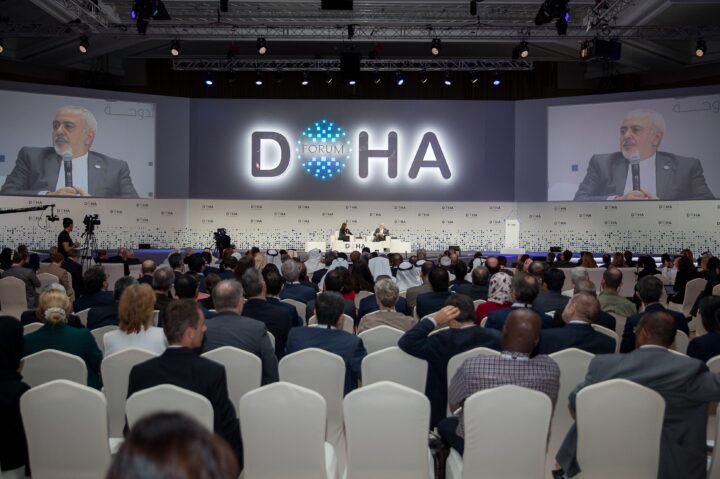
Iranian Foreign Minister Mohammad Javad Zarif speaks during a session of the Doha Forum in the Qatari capital on December 15, 2018.


 Add JewishInsider on Google
The Quincy Institute for Responsible Statecraft, an anti-Israel think tank in Washington that has pushed sympathetic positions on Iran, is sponsoring a panel discussion at the Doha Forum in the Qatari capital on Saturday — further underscoring how the two-day conference is including a range of extreme voices amid more centrist and mainstream figures.
The panel, billed as “Iran and the Changing Regional Security Environment,” will prominently feature former Iranian Foreign Minister Mohammad Javad Zarif, who has used antisemitic rhetoric and was called the “propaganda arm” of the Iranian regime by officials in the first Trump administration, in a talk with Trita Parsi, executive vice president of Quincy and the founder of the National Iranian American Council, a pro-Iran lobbying group.
Parsi, a fierce detractor of Israel, has previously faced accusations of operating as an undisclosed foreign agent for the Islamic Republic, which he has denied.
“On June 13, 2025, Israel initiated a war against Iran that lasted twelve days and that also brought the U.S. into direct confrontation with Iran for the first time,” reads a blurb describing the discussion. “This unprecedented event shattered the regional balance and compelled nations to rethink their security strategies. This session will examine the current state of regional affairs, assess its impact on diplomatic and security alignments, and explore potential pathways toward de-escalation and stability.”
The seemingly neutral tone of the summary is belied by omissions such as Iran’s sponsorship of regional terror proxies like Hamas and Hezbollah, among other rhetorical elisions that more broadly highlight Qatar’s own carefully managed approach to diplomatic engagement — which critics have cast as a two-faced effort to play both sides of opposing parties.
To that end, the oil-rich Gulf state, a major U.S. ally that has drawn scrutiny for hosting Hamas leaders and for its ties to the Muslim Brotherhood, has attracted a wide assortment of speakers and partners to its annual forum in Doha, touted as a “global platform for dialogue” relating to “critical challenges facing our world.”
Its stated theme this year, according to a press release, is “Justice in Action: Beyond Promises to Progress.”
“As a convener of diverse voices, Doha Forum stands as a leading platform to explore how diplomacy, development, and humanitarian action can intersect to deliver measurable, inclusive progress,” Mubarak Ajlan Al-Kuwari, the event’s executive director, said in an announcement on Thursday.
In addition to Iran-friendly groups and figures like Parsi and the International Crisis Group, formerly led by Rob Malley — the controversial Iran envoy in the Biden administration — the summit is elevating figures who have embraced hostile views on Israel or promoted antisemic tropes. Most notably, Tucker Carlson, who has invited several antisemites to join his podcast for friendly or credulous interviews, will sit for a conversation on Sunday with Qatar’s prime minister, Sheikh Mohammed bin Abdulrahman Al Thani.
At the same time, the Gulf confab, which extends through the weekend, is also featuring a variety of establishment-oriented participants, obscuring the extremism and fringe positions of other guests set to receive equal or even more prominent billing at the event.
Alongside Carlson, the forum, co-sponsored by CNN, the Atlantic Council and other mainstream institutions, includes a more traditional roster of speakers such as former Secretary of State Hillary Clinton, philanthropist Bill Gates and several world leaders.
More Stories
SCOOP
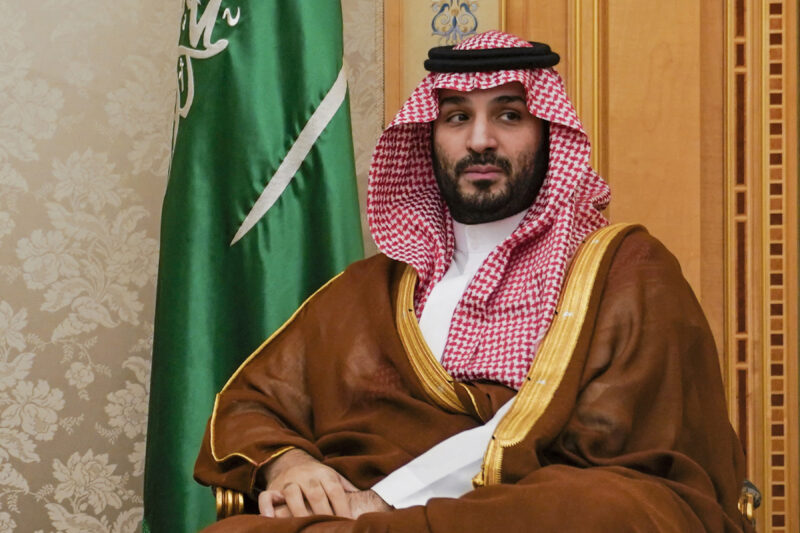
Jewish leaders invited to meet with Saudi Defense Minister Khalid bin Salman in D.C.
eye on the prize
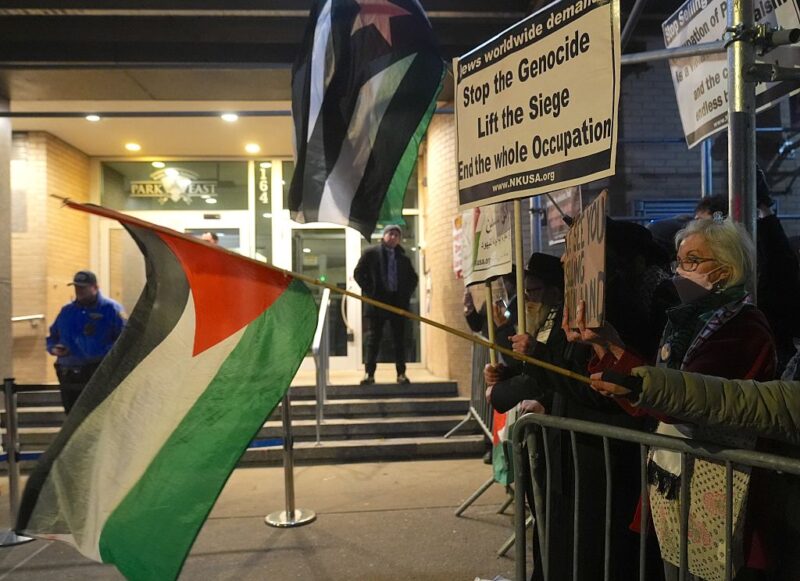
Virginia lawmaker with history of anti-Israel rhetoric eyes 2026 congressional run
PROBLEMATIC POST
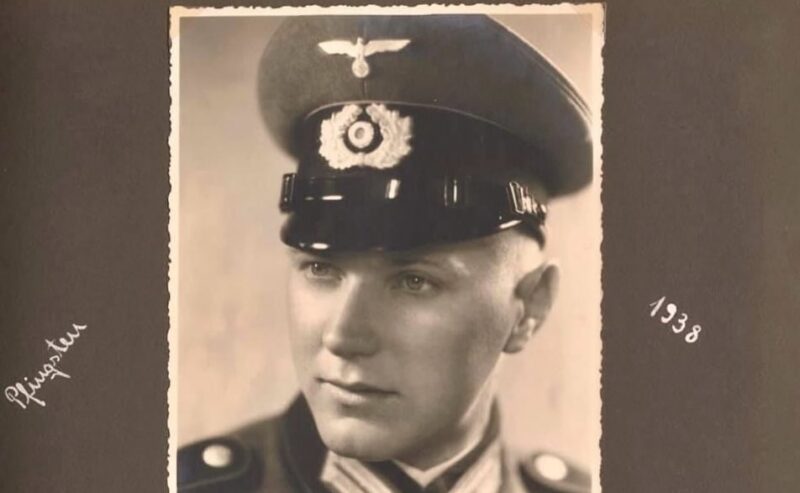
Top Michigan Democratic fundraiser shared Veterans Day post honoring Nazi officer grandfather
DOHA DEALINGS
FBI Director Patel signs security deals with Qatar, his former lobbying client

priority check
Trump’s national security strategy balances global engagement with ‘high bar’ for intervention