






Andrew Harnik/Getty Images


 Add JewishInsider on Google
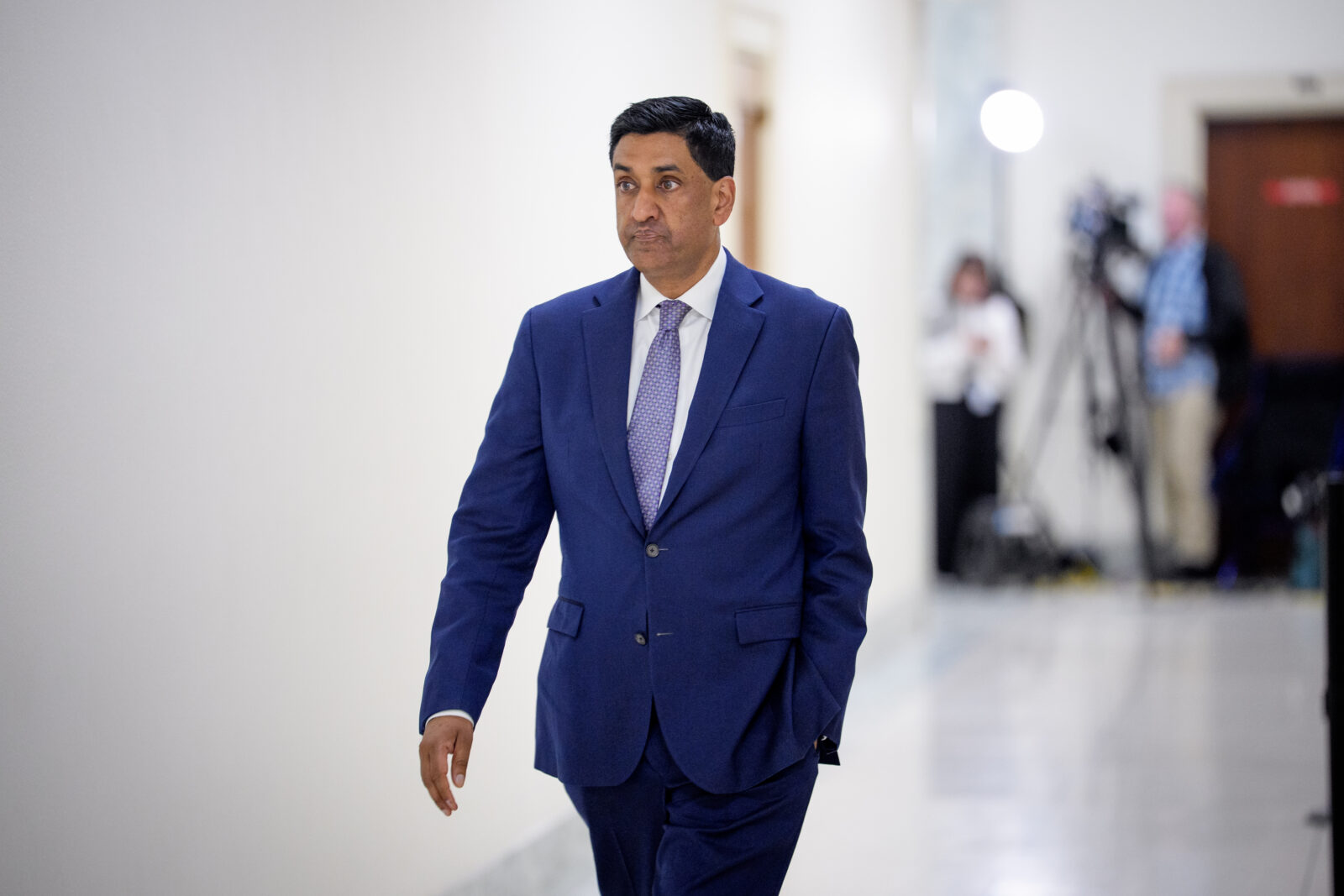
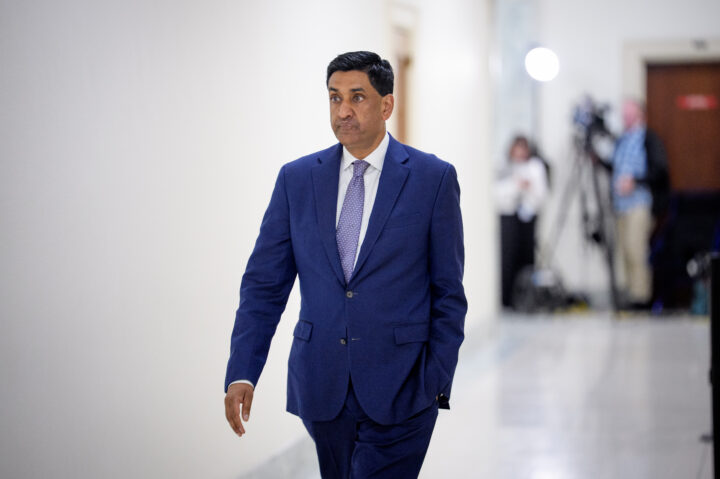
Rep. Ro Khanna (D-CA), fresh off a trip to the West Bank where he alleges he was unjustly detained by Israeli settlers and Israeli military forces, faced a barrage of criticism in a Drop Site News interview on Tuesday for refusing to endorse Hamas’ Oct. 7, 2023, attack on Israel.
Khanna, in spite of his condemnations of Israel over the incident — which the Israeli government claims he has misrepresented — and demands for consequences for those involved, has faced pressure and condemnation from the far-left flank of the Democratic Party during his media tour following his return to the U.S.
SAUL LOEB / AFP via Getty Images
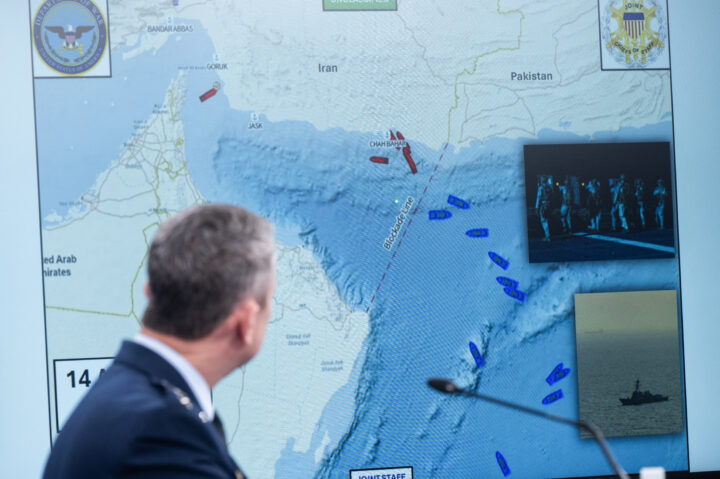
President Donald Trump on Tuesday walked back his announcement, made the day previous, that the U.S. would institute a 20% fee on cargo transiting the Strait of Hormuz, saying the toll would be replaced by trade deals with Gulf states.
Trump, having hosted Iraqi Prime Minister Ali al-Zaidi at the White House Tuesday morning, wrote on Truth Social that his change of heart was “based on highly productive conversations with Middle East leadership,” and that the deals “will be MASSIVE but, at the same time, extraordinarily good for them, and their future.”

(Photo by Drew Angerer/Getty Images)
House Minority Leader Hakeem Jeffries (D-NY) said in a “Dear Colleague” letter on Tuesday that he opposes an effort to strip all U.S. aid to Israel out of the 2027 State Department appropriations bill, but also argued for “urgent change” to the U.S.-Israel relationship, including changes to U.S. aid going forward.
Addressing the amendment led by Rep. Thomas Massie (R-KY), Jeffries cited concerns raised by Reps. Rosa DeLauro (D-CT) and Greg Meeks (D-NY), respectively the ranking members of the Appropriations and Foreign Affairs Committees, as well as J Street, calling the amendment “overly broad” and suggesting that it would impact nonmilitary aid and U.S. Embassy operations.

(Amir Levy/Getty Images)
In the span of five days, one of Washington’s most vocal champions of the U.S. relationship with Israel died, while two prospective 2028 Democratic presidential contenders traveled to the Jewish state to define their approaches to the country. Though a coincidence of timing, those events, when taken together, underscored something much more significant: the passing of one generation of American politics vis-a-vis Israel and the opening contest over what will succeed it.
The events of the last week have distilled concerns that have repeatedly emerged at Jewish and Israeli gatherings, over Shabbat meals and in breakfast meetings: As the far left gains traction within the Democratic Party, and as the isolationist right increasingly finds support among Republicans, what does that mean for American Jews and U.S. support for Israel?

Anna MoneymAaker/Getty Images/Tom Williams/CQ-Roll Call, Inc via Getty Images
Reps. Mike Lawler (R-NY) and Josh Gottheimer (D-NJ) introduced a bill on Tuesday that directs the State Department to work with U.S. allies to dismantle and replace the United Nations Relief and Works Agency.
The “Replace UNRWA with Real Humanitarian Assistance Act” would give the secretary of state 180 days to submit a “comprehensive strategy, coordinated with international partners and allies,” to dismantle UNRWA, including a detailed timeline for the wind-down, identification of governmental or non-governmental entities responsible for taking over UNRWA’s portfolio, a funding plan and a transition plan.
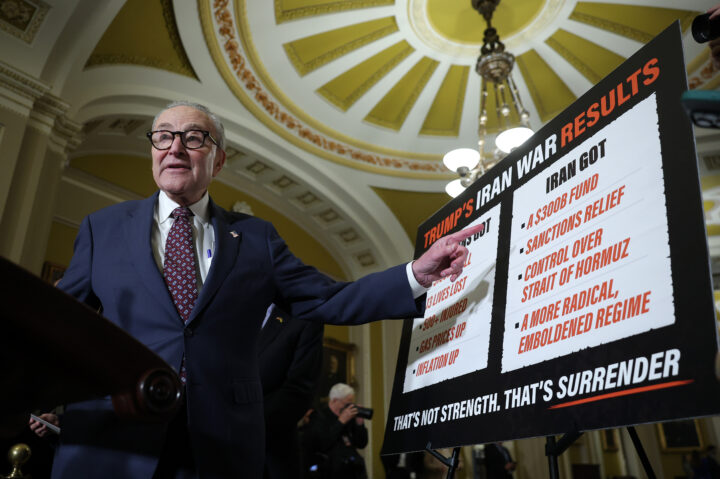
Photo by Kevin Dietsch/Getty Images
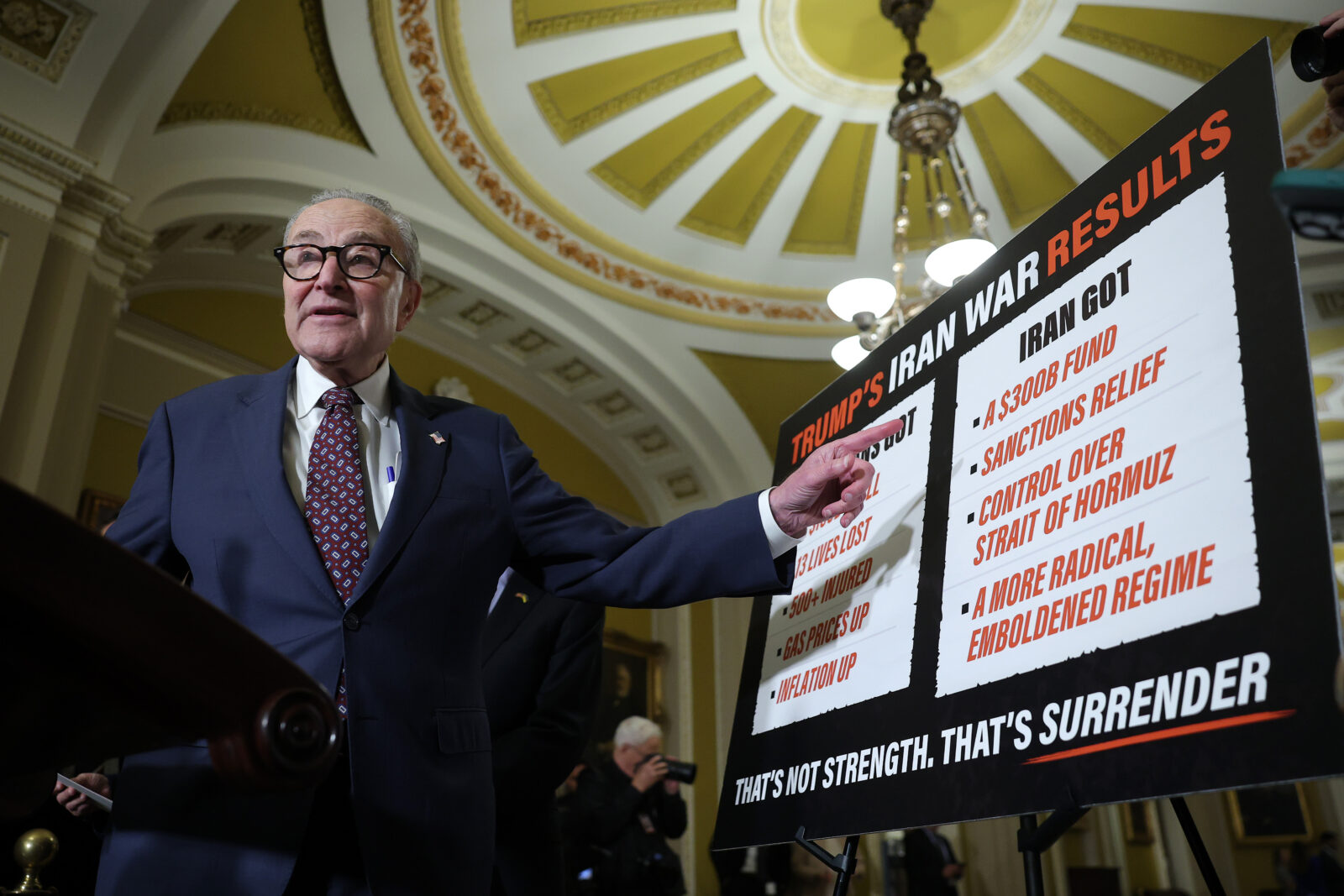
Democrats on Monday slammed President Donald Trump’s resumption of hostilities against Iran, as well as the notion, implicit in Trump’s notification, that the operations mark a new conflict and therefore reset the 60-day window for military operations launched by the executive branch without congressional approval.
In a letter to congressional leaders on Friday notifying them that the war had resumed, Trump said that Iran repeatedly violated the memorandum of understanding by attacking commercial vessels on July 6 and 7, and that the U.S. had, as of July 7, commenced “defensive strikes against targets within Iran including missile launch sites, air defenses, military maritime assets, military support infrastructure, and command and control capabilities.”

Wikimedia Commons
William Lawrence, a virulent Israel critic gaining momentum among progressives in Michigan’s battleground 7th Congressional District, is facing a wave of criticism over past comments denigrating Black political leadership, attacking former Vice President Kamala Harris.
As a result, Lawrence is now facing the opposition of an outside group aiming to block him from winning the Democratic nomination.
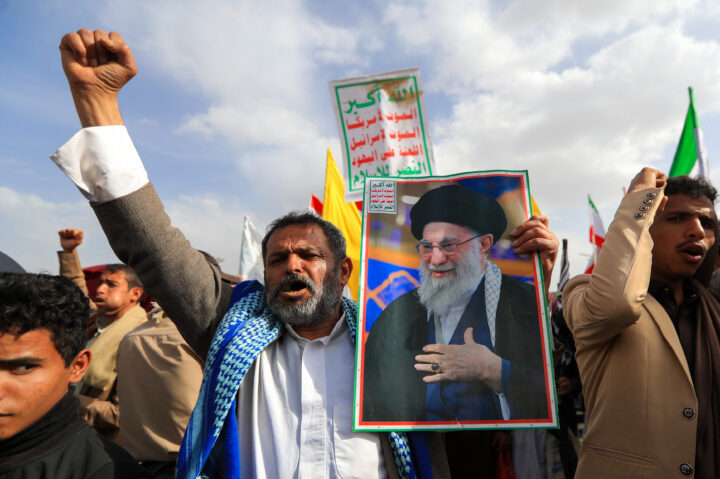
Photo by Mohammed HUWAIS / AFP via Getty Images
Airstrikes on Yemen’s Sanaa International Airport on Monday were intended to stop Iran and the Houthis from breaking a decades-long air blockade and opening an uncontrolled air link between Tehran and its Yemeni proxy, regional analysts said — a corridor they warn could let Iran resupply the Houthis directly with weapons for future campaigns against Saudi Arabia and Israel.
The Houthis accused Saudi Arabia of carrying out the strikes and vowed to retaliate, with a spokesperson claiming the period of “de-escalation” between Riyadh and the terror group was over. Later Monday, the group said it had fired on Saudi Arabia’s Abha International Airport.

Win McNamee/Getty Images
LITMUS TEST
Khanna pressed to support Oct. 7 attacks in Drop Site interview
TRADE-OFF
Trump scraps toll in Strait of Hormuz, replaced by trade deals with Gulf states
MIDDLE GROUND
Jeffries opposes effort to cut all aid to Israel, but calls for ‘urgent change’ to relationship
Daily Kickoff
Mainstream Dems fight back in Michigan
analysis
End of an era: Graham’s death leaves void in U.S.-Israel relationship
UNDOING UNRWA
Reps. Lawler, Gottheimer introduce bill to dismantle and replace UNRWA
RESET BUTTON
Democrats denounce Trump’s return to Iran war
MICHIGAN MATTERS
Mainstream Democrats rally to block far-left candidate from nomination in swing Mich. district
FLIGHT RISK
Strikes on Yemen’s Sanaa Airport test fragile truce between Houthis and Riyadh
windfall
Iran netted nearly $5 billion in 22 days after signing MOU, report finds
FAMILY TRIBUTE
Lindsey Graham’s sister Darline appointed to serve remainder of his term
CLOSING RANKS
Zohran Mamdani stands by embattled Graham Platner advisor
DIPLOMATIC BLITZ
Marco Rubio launches sweeping diplomatic offensive against ICC
STRAIT TALK
Trump announces U.S. will charge 20% fee on cargo to keep Strait of Hormuz open
Daily Kickoff
Lindsey Graham’s ‘indelible mark’
Subscribe now to
the Daily Kickoff
The politics and business news you need to stay up to date, delivered each morning in a must-read newsletter.
I’ve been finding the morning blast from JI very useful for all my Jewish news needs.

Jeffrey Goldberg
Editor in Chief of The Atlantic
Most Read Stories
PEACH STATE PROBLEMS
In Georgia’s Senate race, tough choices ahead for the state’s Jewish community
scoop
New Ted Cruz-aligned organization takes aim at right-wing antisemitism
SCOOP
Ro Khanna travels to Israel, West Bank during congressional recess
FOLLOW THE MONEY
Radical GOP governor hopeful got cash from backers of far-left Dems
MIDDLE GROUND
Jeffries opposes effort to cut all aid to Israel, but calls for ‘urgent change’ to relationship

Please log in if you already have a subscription, or subscribe to access the latest updates.
 Continue with Google
 Continue with Apple