


(Noushad Thekkayil/NurPhoto via Getty Images)


 Add JewishInsider on Google
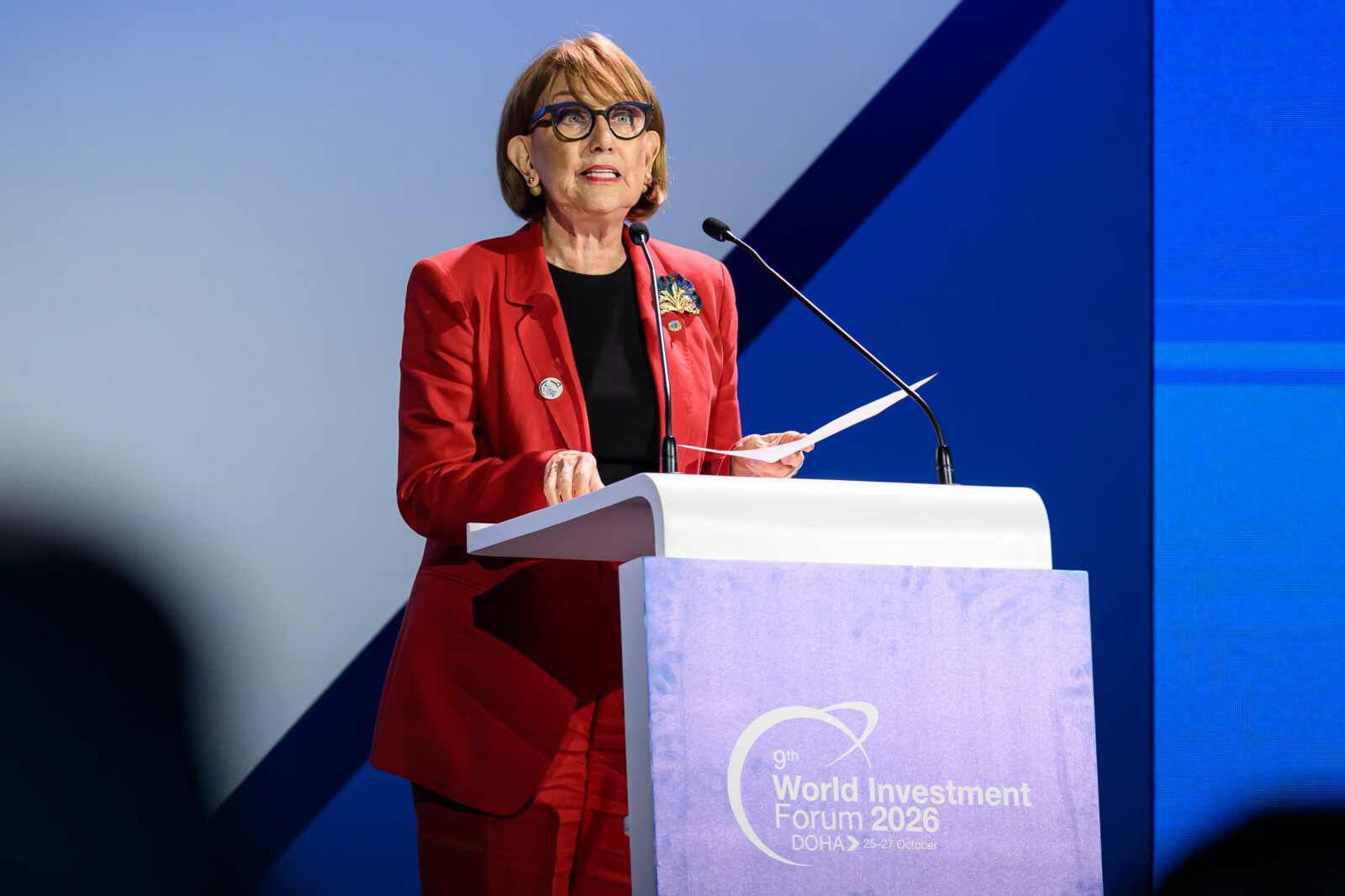
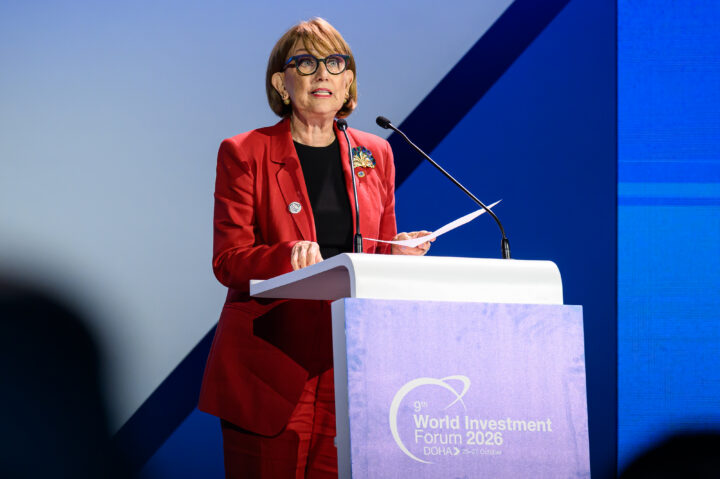
Costa Rica’s Rebeca Grynspan had her strongest showing yet on Friday in the race to become the next U.N. secretary-general in the latest Security Council straw poll, while the United Arab Emirates’ newly nominated candidate, Lana Nusseibeh, failed to disrupt the established frontrunners.
The race remains far from settled, though, with questions surrounding potential vetoes from permanent Security Council members — the U.S., U.K., France, Russia and China — and the possibility of additional candidates entering the contest. In addition, unlike the previous round on Oct. 16, Friday’s straw poll did not use color-coded ballots distinguishing the votes of permanent members from those of the council’s 10 elected members, leaving unclear whether the candidates face opposition from veto-wielding countries.

Katie McTiernan/Anadolu via Getty Images
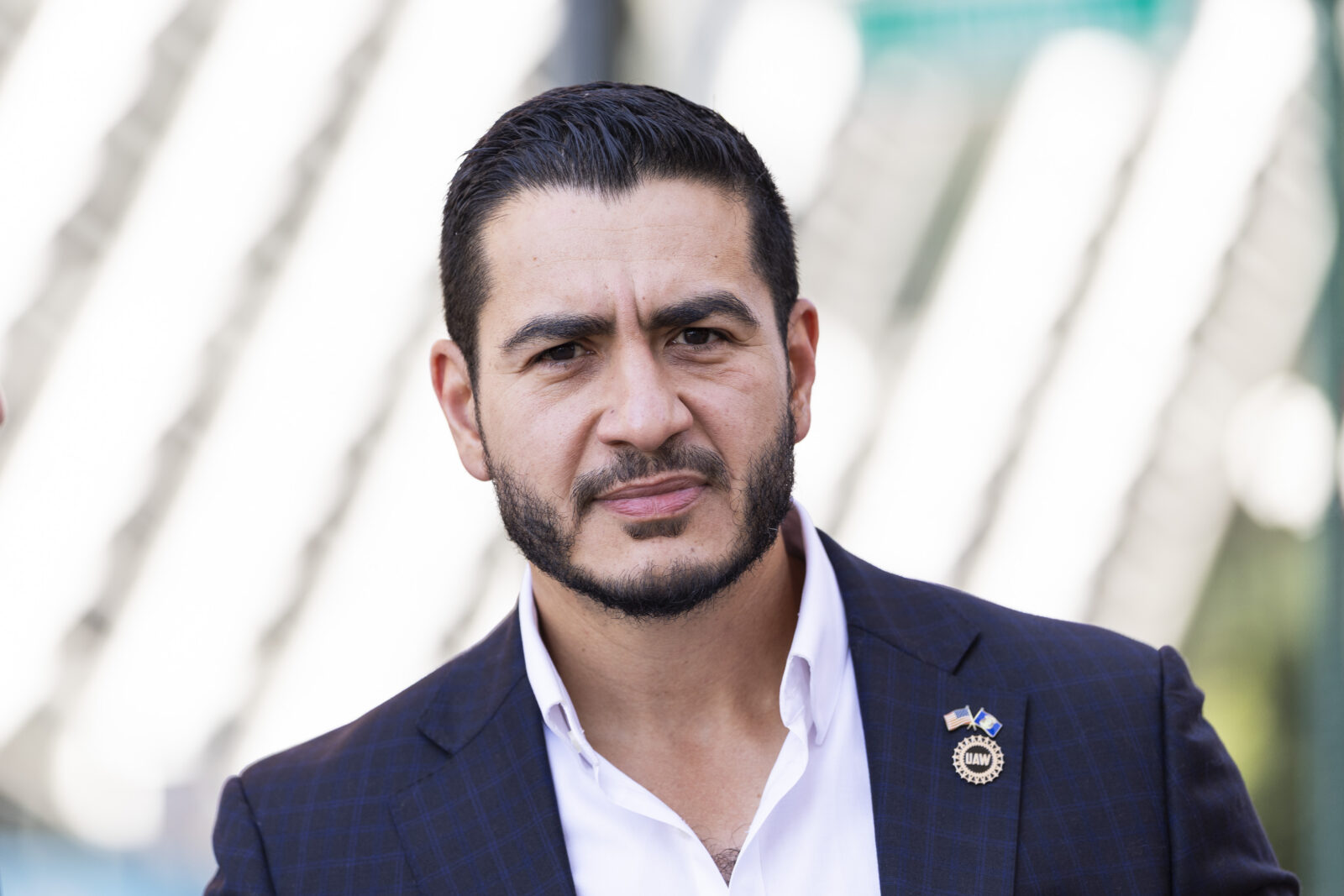
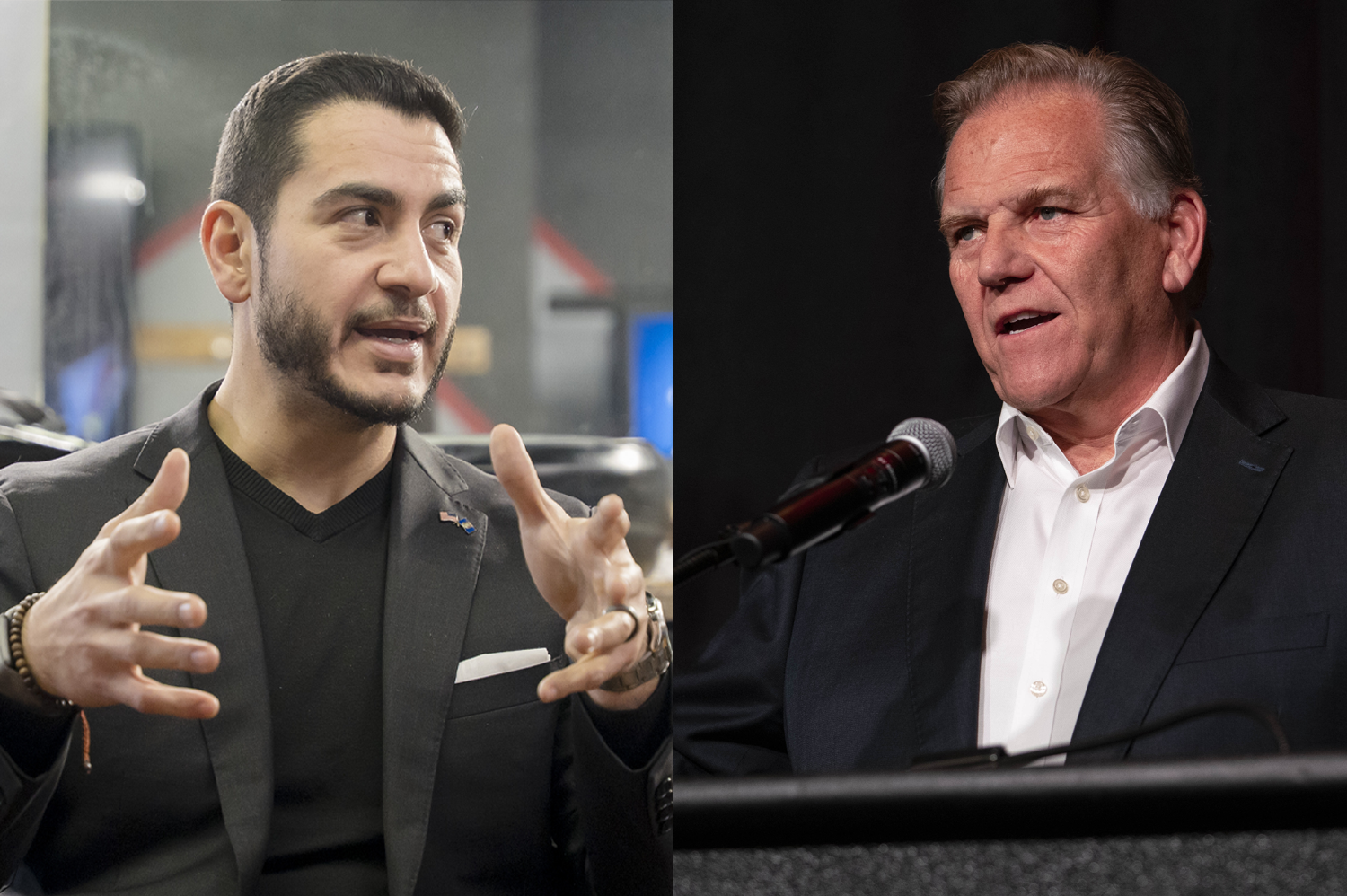
Michigan Democratic Senate nominee Abdul El-Sayed said on CBS’ “60 Minutes” on Sunday that Palestine has a right to exist but offered conditions when asked if the same is true of Israel.
Asked by journalist Ross Douthat whether Israel has a right to exist, El-Sayed countered with, “I don’t ever get the question of, ‘does Palestine have a right to exist?’” — a response he has given in the past.
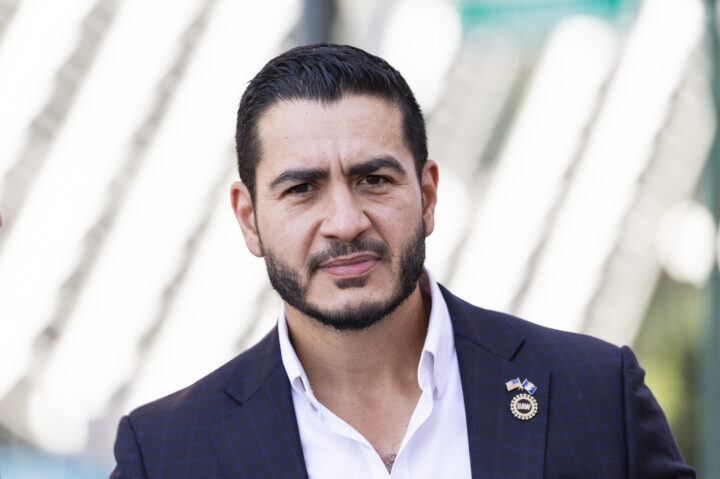
Leaders with the Nonnegotiable movement of liberal Michigan Jewish voters disenchanted with Democratic Senate nominee Abdul El-Sayed recommended writing in the name of poet Emma Lazarus for Michigan’s Senate race, rather than leaving the ballot line blank, even as one leader of the group acknowledged that voting for Republican Mike Rogers is the “most efficient and effective way” of defeating El-Sayed.
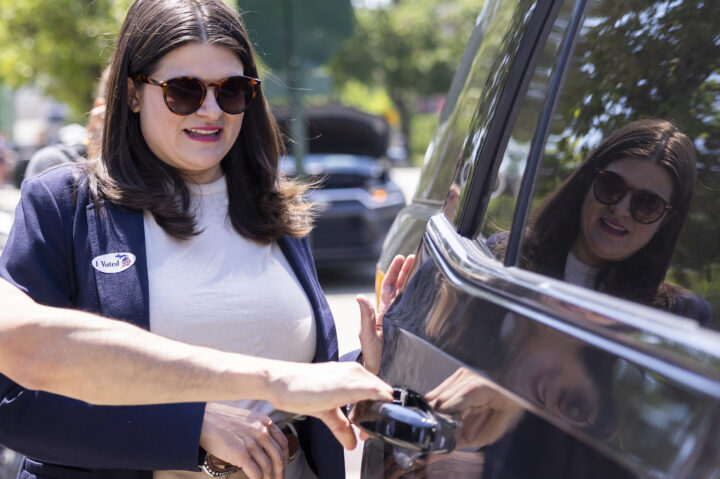
Rep. Hilary Scholten (D-MI), who has not endorsed El-Sayed, also joined the call, but did not directly mention or address El-Sayed or Rep. Haley Stevens (D-MI), who she campaigned for during the Democratic Senate primary.
Finn Gomez/Getty Images
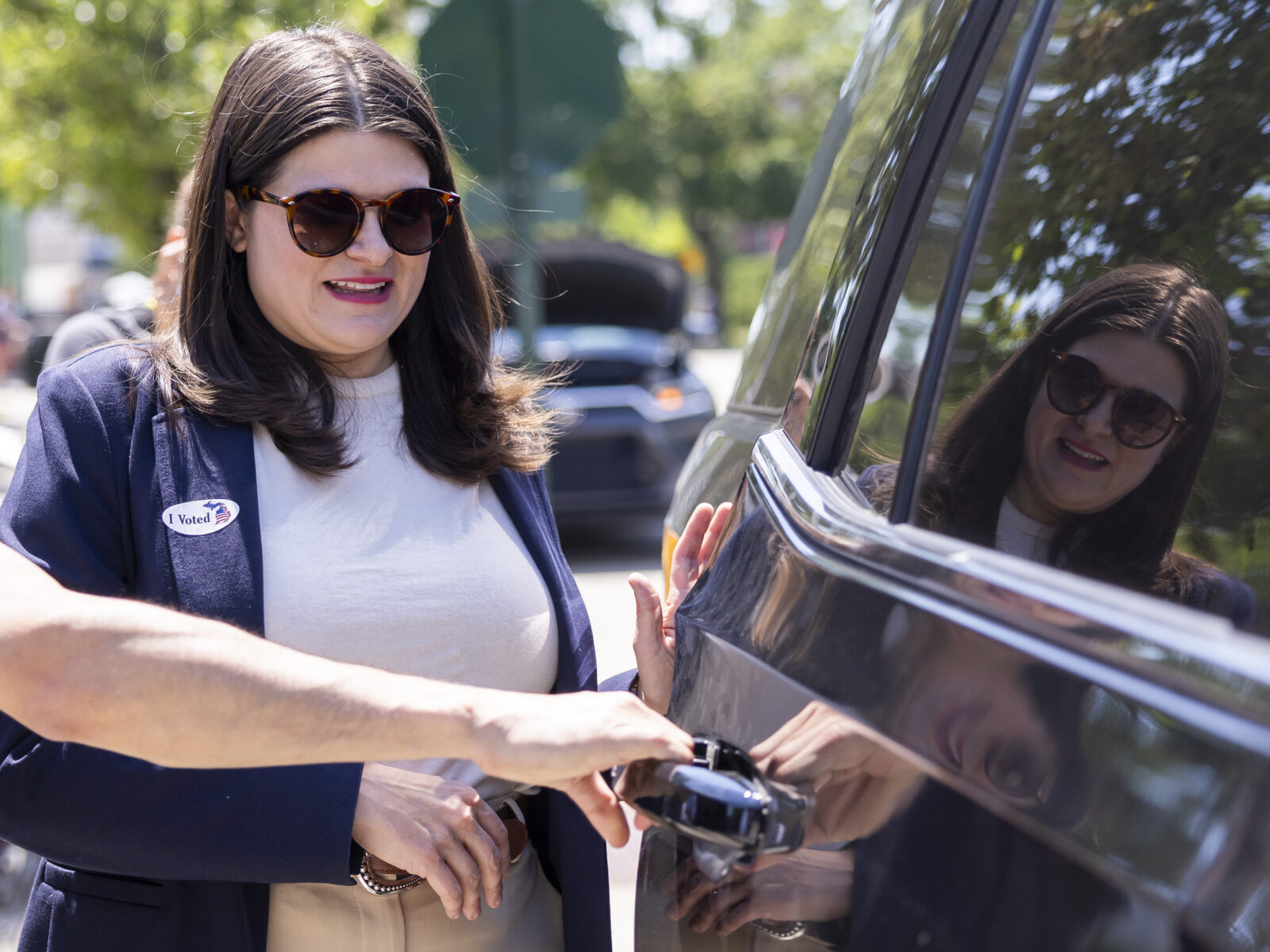
Rep. Haley Stevens (D-MI) endorsed Republican Michigan Senate nominee Mike Rogers after appearing alongside Rogers at a Black church in Detroit on Sunday following days of deteriorating relations between her and Democratic nominee Abdul El-Sayed.
Stevens’ endorsement, accentuated by the joint appearance at Detroit’s Perfecting Church, marked an unexpected twist in the Michigan Senate race, two days ahead of the midterms. It came after Stevens warned that El-Sayed was failing to reassure Jewish and Black voters who supported her in the primary.

Sen. John Fetterman (D-PA) accused Michigan Democratic Senate nominee Abdul El-Sayed of “going after” Rep. Haley Stevens (D-MI) for her attempts to hold him “accountable for his views on Israel and fixation with Jewish money.”
The Pennsylvania senator made the comments to Jewish Insider amid the public dispute between El-Sayed and Stevens in the final days of the general election. Fetterman criticized El-Sayed’s decision to put out a statement attacking his Democratic primary rival, and the subsequent reports that his campaign had asked Stevens to stay away from all future campaign events, as an “overreaction” that highlights “why he struggles with groups of Michigan voters.”
Michigan Democratic Senate candidate Abdul El-Sayed on Friday rejected an appeal from Rep. Haley Stevens (D-MI) for him to publicly condemn an antisemitic ad in support of his campaign, which Stevens had made a condition of appearing at a joint event on Sunday.
Instead, El-Sayed attacked Stevens, his former Democratic primary opponent, days before the general election.

Courtesy of Jordan Acker
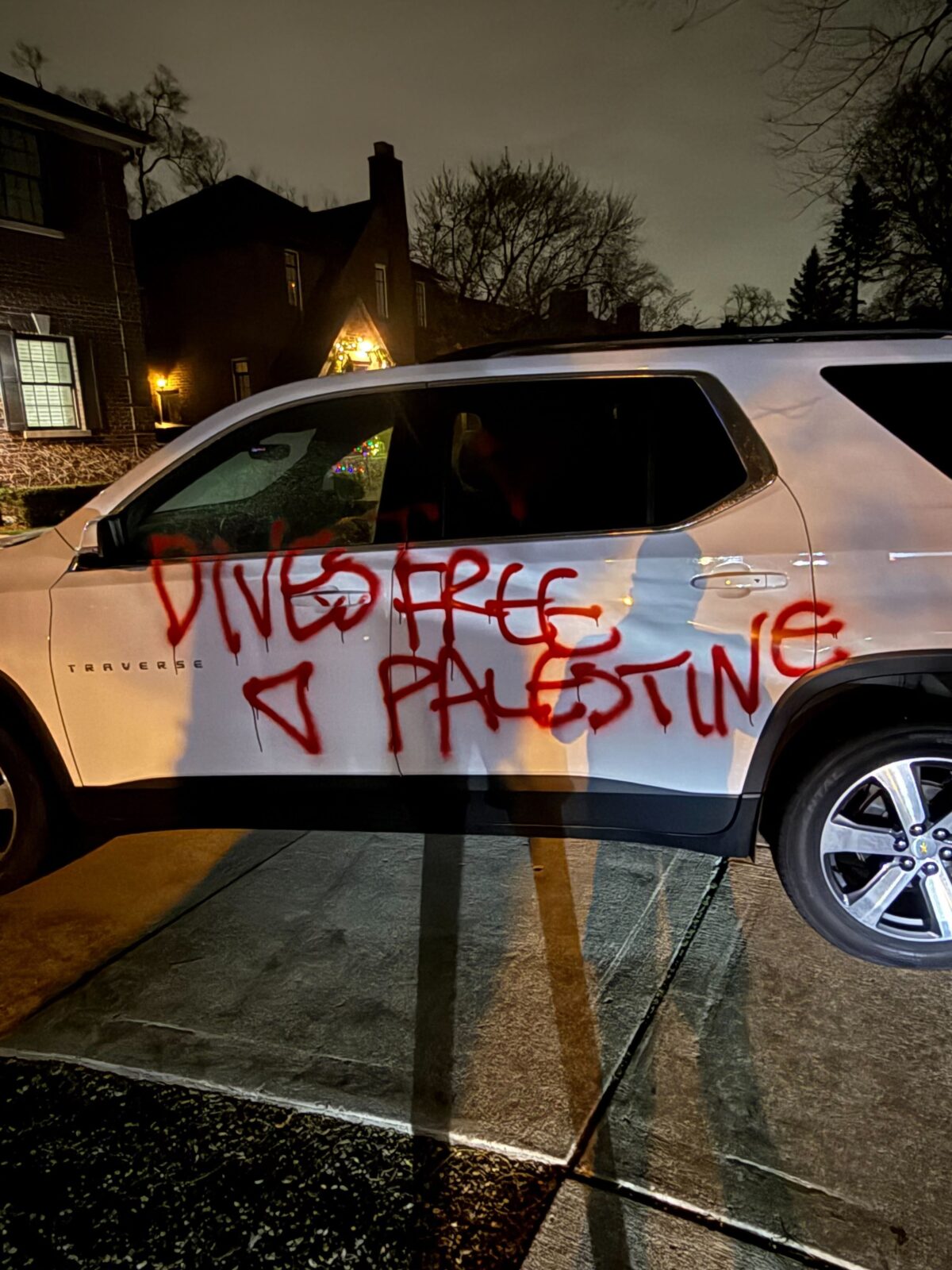
Federal prosecutors in Detroit charged four more people in an alleged campaign of intimidation against Jewish organizations, University of Michigan leaders and businesses perceived to have ties to Israel, bringing the total number of defendants in the case to 12.
The latest defendants — Henry David MacKeen-Shapiro, 23; Aaron Hunter Vonbargen, 25; Joseph Mark Fisher, 23; and Srishti Tarana Sharma, 23 — are accused of participating in the campaign targeting the Jewish Federation of Detroit, university leadership, campus law enforcement personnel and several businesses. Two were arrested this week, while the other two remain at large.
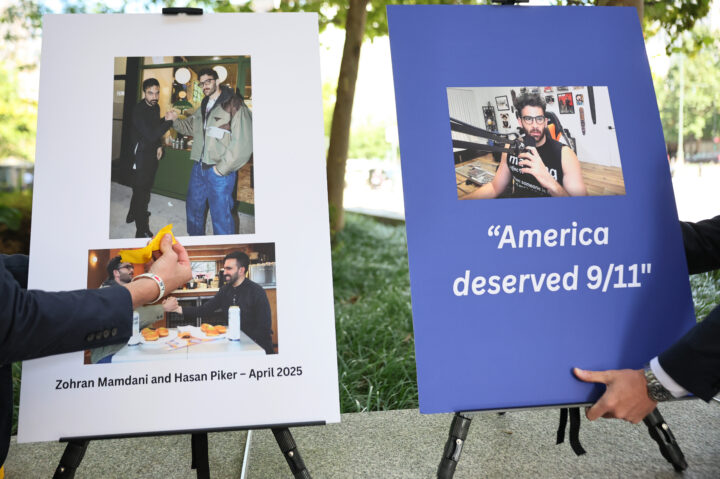
In a screaming rant on his livestream on Friday, antisemitic influencer Hasan Piker compared the heavily Jewish community of West Bloomfield in the Detroit suburbs to a Ku Klux Klan neighborhood, describing it as full of Jewish supremacists. Piker’s monologue led Democratic Senate nominee Abdul El-Sayed to condemn Piker’s comments as “inappropriate” without speaking out against Piker himself.
Piker, while watching a news segment about West Bloomfield and a group of canvassers for El-Sayed in the district, said, “I don’t think this is insensitive to say — this is the equivalent of going to that like KKK neighborhood to stump for a Black candidate who’s running expressly … to abolish anti-miscegenation laws.”
He said that, while the Jewish community in West Bloomfield might be aesthetically different, “the supremacist attitude underlying their worldview is identical. … It’s racial supremacy. It’s Jewish supremacy.”
Getty
TURTLE BAY TALLY
Costa Rica’s Rebeca Grynspan expands support in latest U.N. secretary-general straw poll
60 MINUTES SPOTLIGHT
El-Sayed says Palestine has a right to exist, but puts conditions on Israel’s right to exist
PROTEST POLITICS
Liberal Jewish Nonnegotiable movement’s leaders discuss alternatives to voting for El-Sayed
CAMPAIGN CURVEBALL
Haley Stevens endorses Mike Rogers: ‘I do not stand with Hasan Piker’
DEM DIVIDE
Fetterman: Haley Stevens holding El-Sayed accountable for his ‘fixation with Jewish money’
DOUBLING DOWN
El-Sayed rejects Haley Stevens’ calls for apology over antisemitic ads
LAYING DOWN THE LAW
Four new defendants charged in plot targeting Jewish groups, University of Michigan leaders
PREACHING HATE
Hasan Piker compares suburban Jewish voters to white supremacists in online rant
ANTI-ISRAEL ALLIES
Zohran Mamdani shuts out press for meeting with Ro Khanna in NYC
EL-SAYED'S TEST
Haley Stevens conditions support for El-Sayed on his condemnation of antisemitic ads
Daily Kickoff
El-Sayed’s mob-backed PAC
MANAMA MOMENT
Bahrain prepares to host Manama Dialogue amid economic, security disruptions
Lox Step
Three generations of Granoffs line up for Sunday’s New York City Marathon
analysis
Smotrich, Ben-Gvir remain key parts of Netanyahu’s bloc despite widespread condemnation
TURTLE BAY TUSSLE
Ideological divide surfaces between two emerging contenders to lead the United Nations
Subscribe now to
the Daily Kickoff
The politics and business news you need to stay up to date, delivered each morning in a must-read newsletter.
I’ve been finding the morning blast from JI very useful for all my Jewish news needs.

Jeffrey Goldberg
Editor in Chief of The Atlantic
Most Read Stories
DOUBLING DOWN
El-Sayed rejects Haley Stevens’ calls for apology over antisemitic ads
SCOOP
Former Haley Stevens campaign chair and prominent Democratic fundraiser says he plans to vote for Rogers
PREACHING HATE
Hasan Piker compares suburban Jewish voters to white supremacists in online rant
ROGUE ALLIES
El-Sayed campaign distances himself from antisemitic ad promoting his campaign
CAMPAIGN CURVEBALL
Haley Stevens endorses Mike Rogers: ‘I do not stand with Hasan Piker’

Please log in if you already have a subscription, or subscribe to access the latest updates.
 Continue with Google

 Continue with Apple