




















Trump amps up threats of military strike against Iran amid deadlocked diplomacy
Dan Diker, president of the Jerusalem Center for Security and Foreign Affairs, told JI that Trump is engaged in ‘maximum pressure negotiations,’ that are ‘setting up the regime to say no.’
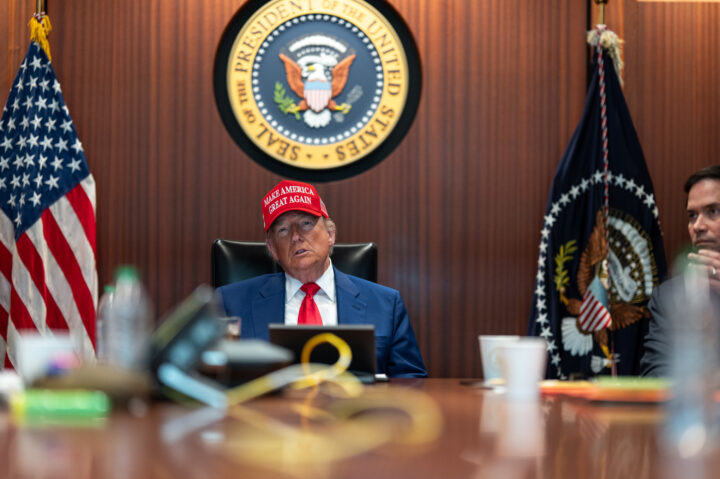
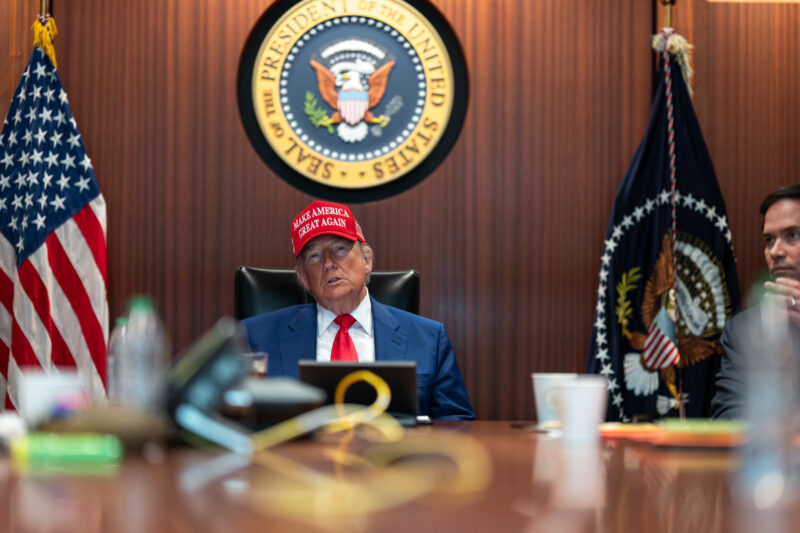
Daniel Torok/The White House via Getty Images
President Donald Trump and Secretary of State Marco Rubio (R) sit in the Situation Room as they monitor the mission that took out three Iranian nuclear enrichment sites, at the White House on June 21, 2025 in Washington, DC.


 Add JewishInsider on Google
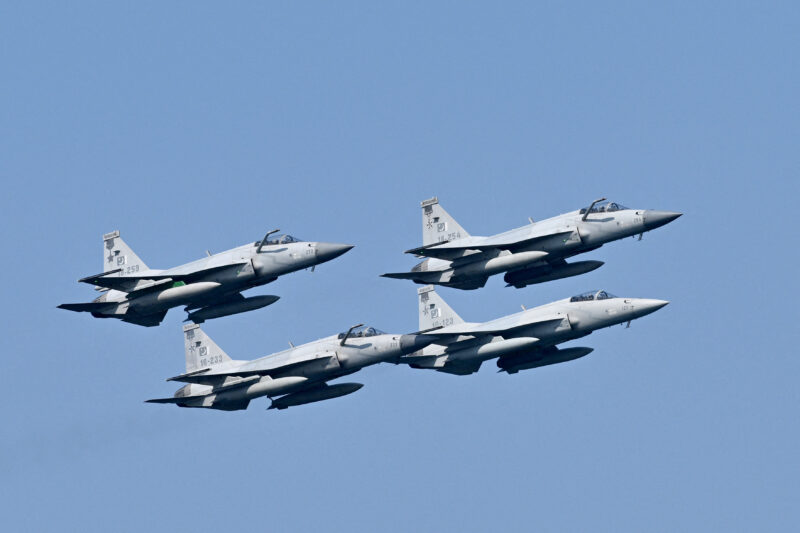
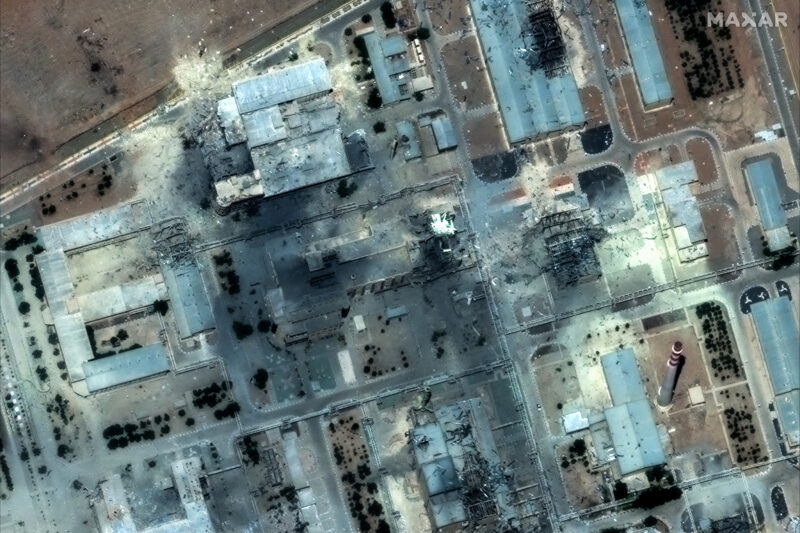
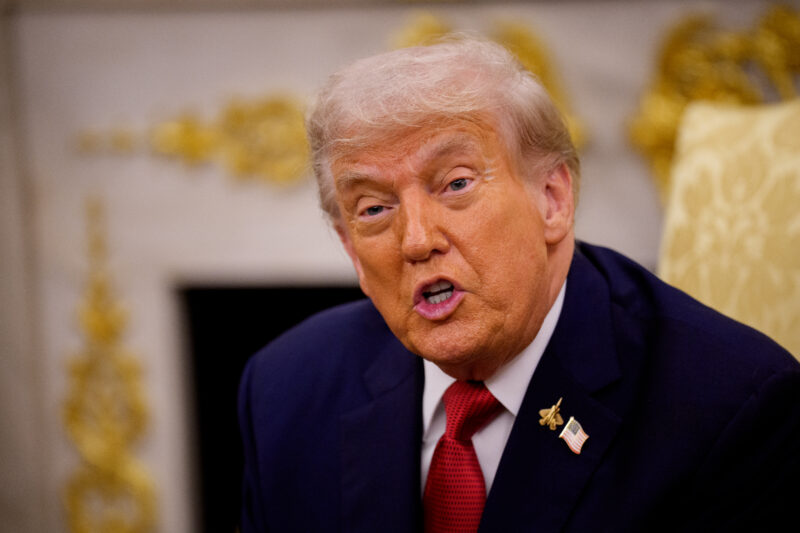
President Donald Trump, over the last week, has gradually amped up threats of a military strike against Iran, pivoting away from talk of diplomatic negotiations amid continued intransigence from Tehran.
On Wednesday, Trump wrote on Truth Social that “a massive Armada is heading to Iran … ready, willing, and able to rapidly fulfill its mission, with speed and violence if necessary. Hopefully, Iran will quickly “Come to the Table” and negotiate a fair and equitable deal – NO NUCLEAR WEAPONS – one that is good for all parties. Time is running out, it is truly of the essence!”
The president warned that “the next attack will be far worse” than last June’s Operation Midnight Hammer. “Don’t make that happen,” he added.
The regime’s mission to the United Nations responded with Trump-esque capitalization that “Iran stands ready for dialogue based on mutual respect and interests—BUT IF PUSHED, IT WILL DEFEND ITSELF AND RESPOND LIKE NEVER BEFORE!”
Ali Shamkani, an advisor to Iranian Supreme Leader Ali Khamenei who was severely injured in an Israeli airstrike on Iran last June, threatened — in Arabic, English, Hebrew, Russian and Mandarin — that “any military action by [the] US … will be considered the start of [a] war and its response will be immediate, all out and unprecedented, targeting [the] heart of Tel Aviv and all those supporting the aggressor.”
Then, amid widespread reports of secret talks between Washington and Tehran through Omani mediators came the news that they made no progress on limiting the Iranian nuclear and ballistic missile programs, and that Trump was once again weighing military action, according to CNN.
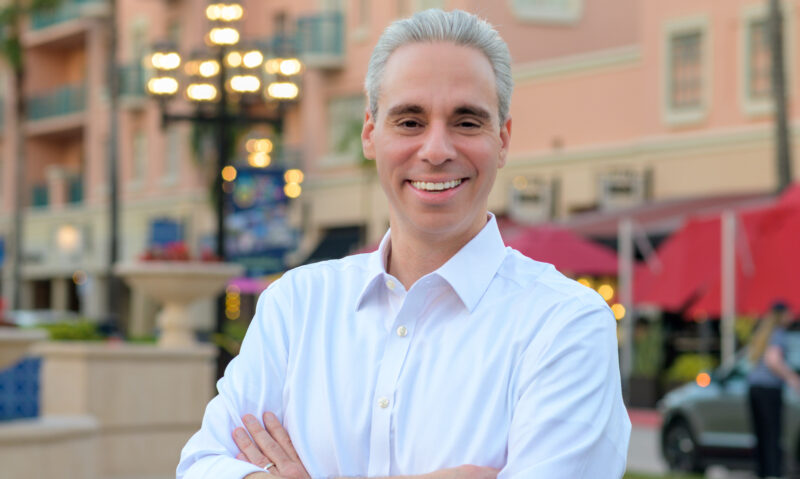
Dan Diker, president of the Jerusalem Center for Security and Foreign Affairs, told Jewish Insider that Trump is engaged in “maximum pressure negotiations,” that are “setting up the regime to say no.”
Nadav Pollak, a lecturer at Reichman University and Israeli intelligence veteran, told JI that the latest developments were significant in that “Trump laid out terms for a deal and Iran said no, or didn’t say anything. It’s not surprising, because his terms – no nuclear program, no ballistic missiles over a certain range, no support for its proxies – are a surrender without concessions [from the U.S.], something the Supreme Leader can’t do.”
At the same time, Diker said, “Iran is desperate to cut a deal. … The Iranians are reaching out to cut a deal, like they always do when they feel cornered. Regime survival is the top priority of the regime.”
“I think it’s fair to assess that Trump senses he has a lot of leverage and a lot of power — and he does — and I think he’s applying maximum pressure on the regime. He knows the regime is weak, but it’s like a rabid dog … that can do anything, which can be very dangerous. They still have a lot of missiles,” he said.
Diker argued that 30 years after Israeli Prime Minister Benjamin Netanyahu first warned about the Iranian threat in a joint session of Congress, “the stars aligned in terms of Trump and Netanyahu, and they could finally get rid of this regime, but it will come at a price. … The Iranian proxies will put us in a terrible position.”
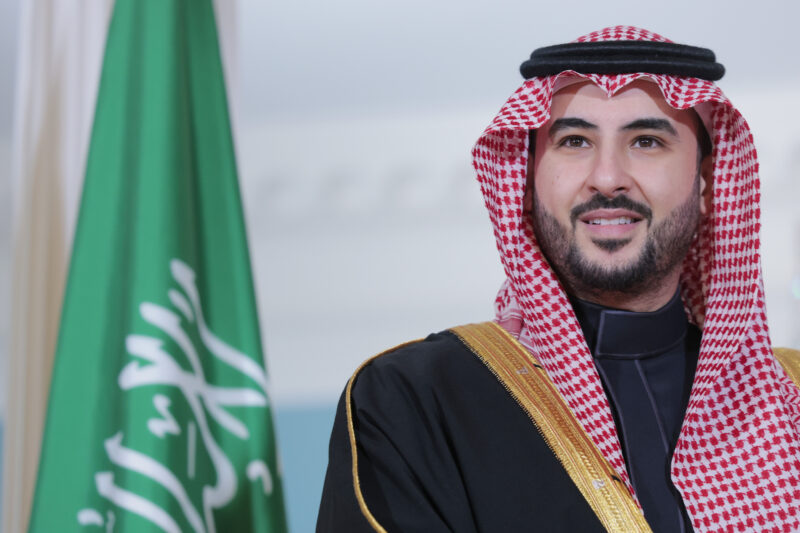
Israel is not the only country exposed to those dangers, Diker pointed out. “There is pressure on Trump from the Saudis, the Qataris, the Turks and others across the Middle East not to attack because of the distinct fear the regime will start firing rockets, missiles and drones everywhere. … Iranians will just be throwing stuff all over the Middle East, is the fear.”
In Pollak’s assessment, U.S. military action is likely: “Trump, with all his language and rhetoric, climbed too high not to do anything. He also pushed U.S. assets into the region, similar to what he did in Venezuela. …The scope of a strike is unclear. That’s anyone’s guess right now.”
The shift in Trump’s rhetoric in recent days from focusing on the anti-regime protests to stopping Iran’s nuclear program shows that he is “trying to build legitimacy for a strike,” Pollak said. “The protests against the regime was a trigger for him, but he has other objectives in mind.”
Pollak said that Shamkani’s multilingual social media posts were the first public, direct military threat from Iran towards Israel, something he said Israel’s security establishment surely took note of.
“If it wasn’t certain until yesterday that Israel will get targeted, now it is, even if it’s one barrage,” Pollak said.
Whether Israel will take part in the strikes on Iran remains an open question, Pollak said, but assessed that it is likely to happen. He pointed out that IDF Military Intelligence chief Maj.-Gen. Shlomi Binder was in Washington this week, reportedly to share information about possible targets in Iran.
Pollak pointed out that a month ago, in a press conference with Netanyahu at Mar-a-Lago, Trump said he would support Israel striking Iran if it continues to produce ballistic missiles, and if Iran tries to rebuild its nuclear weapons program, he would back Israel striking “fast.”
“I think [Netanyahu] for sure would want to take the opportunity to finish some of what we didn’t finish in June,” he said. “The question is whether Trump will let him or not.”
Diker said that “Netanyahu has been hyper-focused on ridding Israel and the world of this regime for 30 years … When Netanyahu says Trump is the best friend Israel ever had, he’s not talking about the Abraham Accords. He’s talking right now about ending the Iranian regime. Netanyahu’s eyes are on that ball.”
More Stories
data diaries
New Yale Youth poll finds Gen Z fueling rise in antisemitic views

exclusive
New lawsuit accuses Binance of ‘knowingly’ enabling Oct. 7 terror attacks
IHRA ADOPTED
Chicago City Council unanimously passes antisemitism legislation without mayor’s involvement
olive branch
Rabbi Ammiel Hirsch, outspoken backer of Israel, leaves meeting with Mamdani ‘encouraged’
campus beat
Jennifer Mnookin takes over Columbia presidency with mixed record on dealing with antisemitism at Wisconsin