


























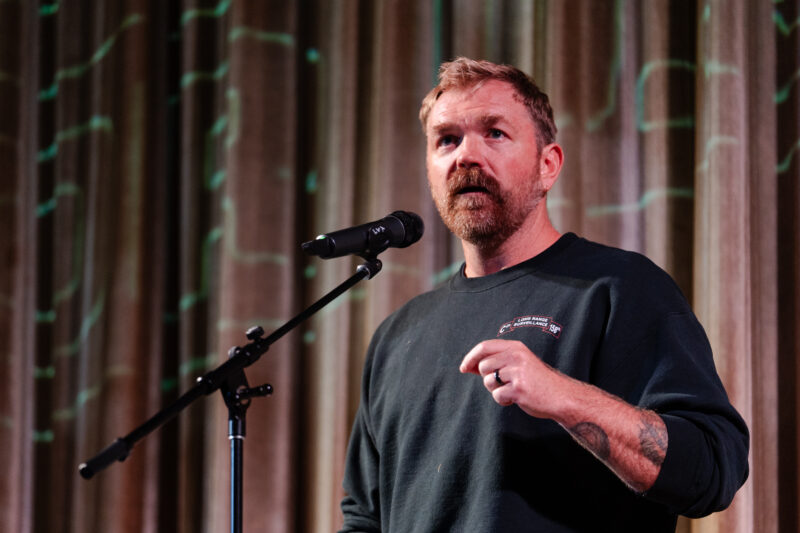









Jason Bordoff said at the Aspen Security Forum that ‘some measure of security’ came from ‘the fact that we’re in a global oil market and we’re all in this together’

Aspen Security Forum
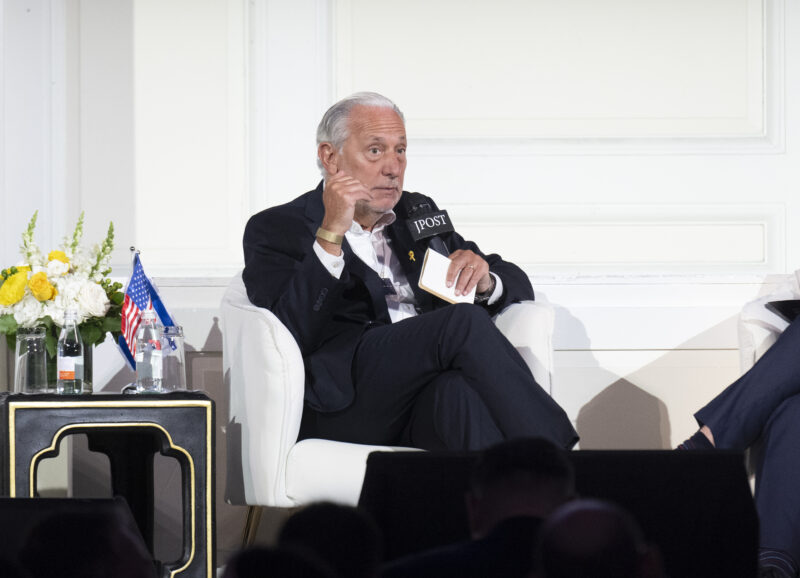
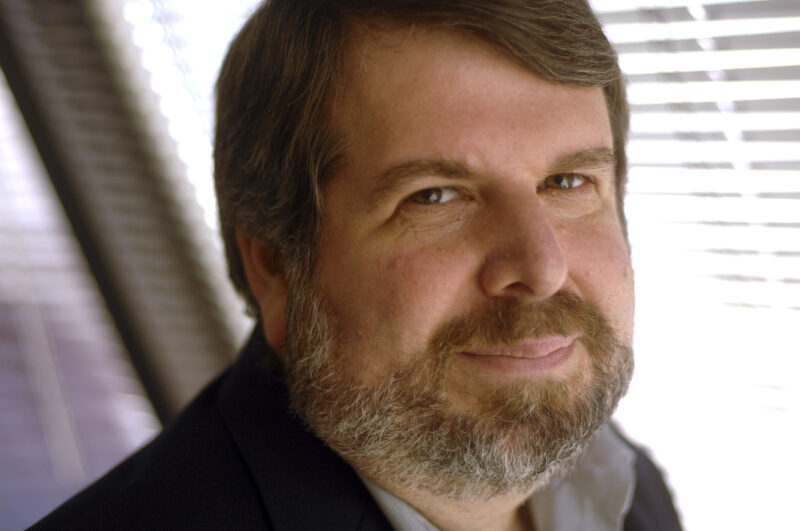
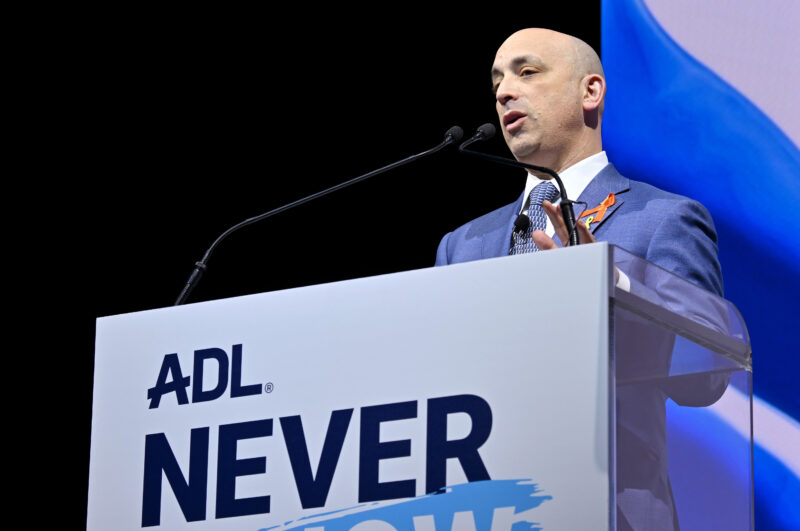
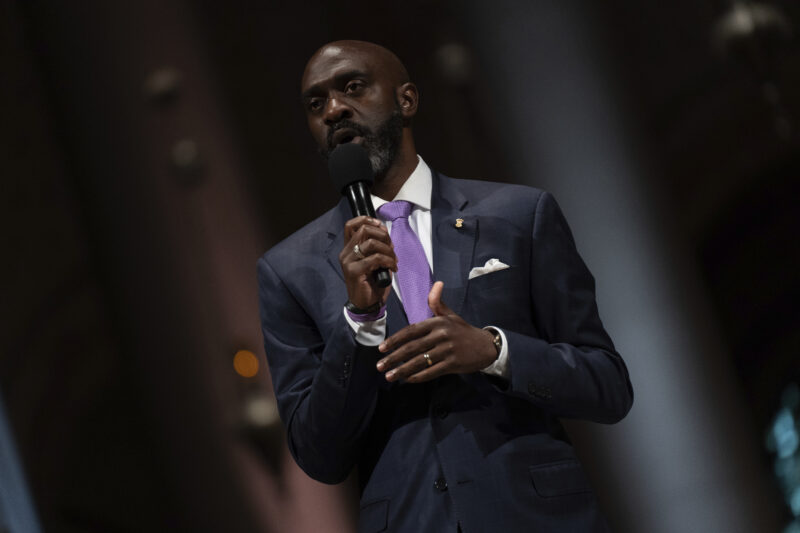
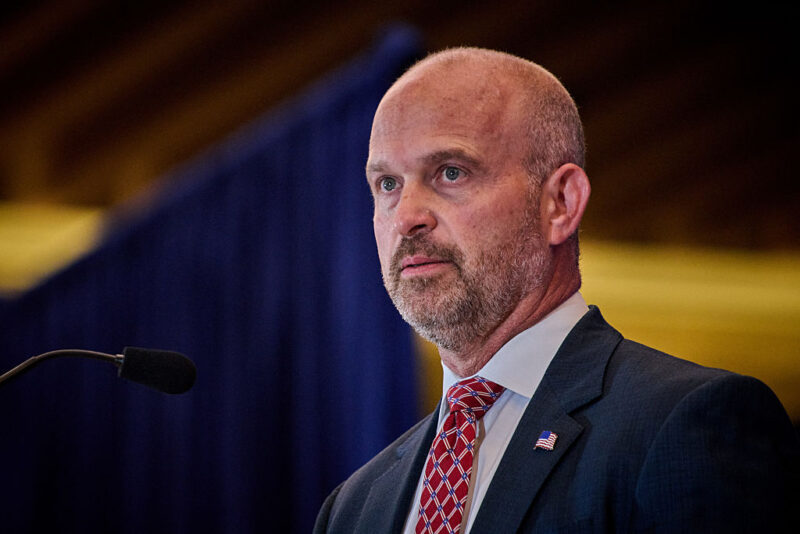
Jason Bordoff, the founding director of the Center on Global Energy Policy at Columbia University, speaks on a panel on energy security at the Aspen Security Forum on July 16, 2025.


 Add JewishInsider on Google
The pressures of the global oil market restrained Israel from bombing Iran’s Kharg Island oil facilities and Iran from closing the Strait of Hormuz or attacking Saudi Arabia’s Abqaiq oil facilities, an energy policy analyst argued at the Aspen Security Forum on Wednesday.
“There was some measure of security that came from the fact that we’re in a global oil market and we’re all in this together,” Jason Bordoff, the founding director of the Center on Global Energy Policy at Columbia University, said on a panel on energy security. “If Iran had tried to do that, it would have imposed pain on itself, it would have imposed pain on China, it would have imposed pain on Gulf countries it was trying to keep on its side.”
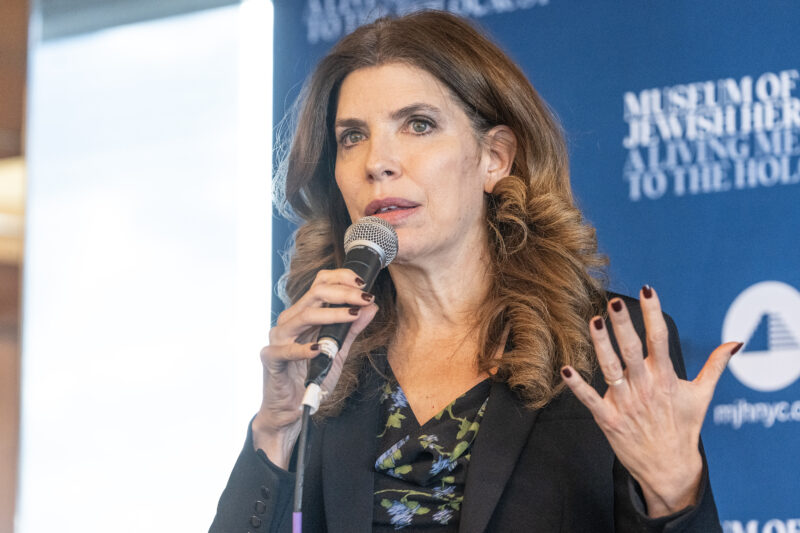
Meghan O’Sullivan, the director of the Belfer Center for Science and International Affairs at Harvard University, said on the same panel that the Gulf states’ work to develop both oil and renewable energy sources place them in a key role in the global AI race.
“The Gulf, particularly, I would say, Saudi Arabia and the UAE, are really playing into this in a very significant way that I think will really accrue to their geopolitical and economic advantages,” O’Sullivan said, discussing renewable energy development. “They’re in the midst of managing an uncertain but somewhat inevitable energy transition, and they’re thinking about what are the other sources of strength in their economy.”
She said the Saudi energy transition in particular is designed “to really drive home to places, particularly the United States, that they have the advantage when it comes to energy, and the energy needs for AI.”
O’Sullivan said that Saudi Arabia’s continued development of both oil and alternative energy sources has allowed it to provide “guaranteed, low-price energy” to support AI development.
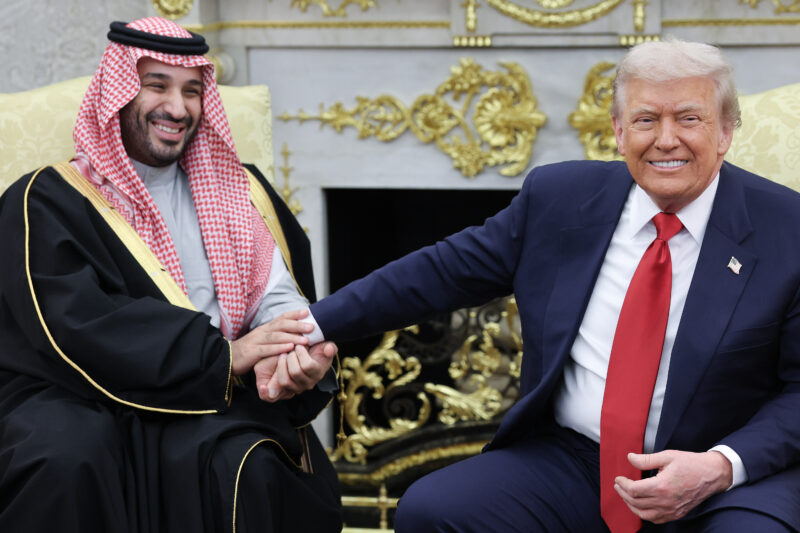
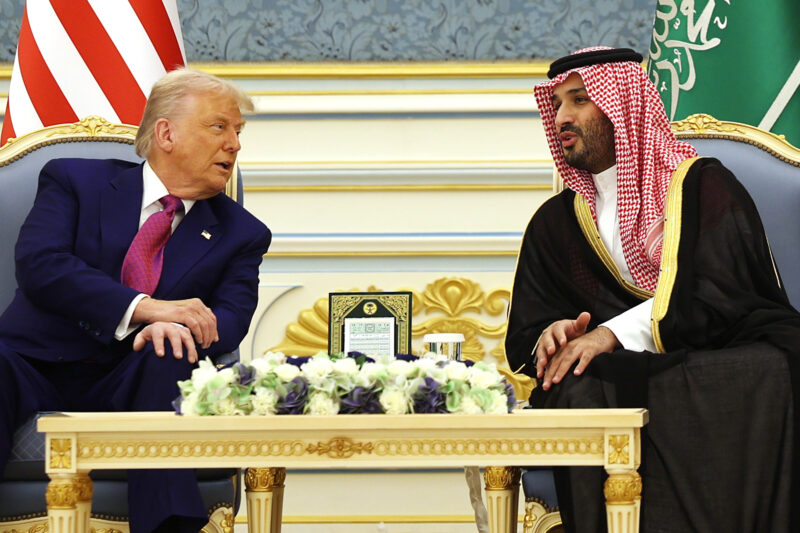
“This is part of the reason why President [Donald] Trump, when he went to visit the Gulf in May, was able to get agreement on some deals that would actually place the heart of American AI advantage in the Gulf,” she said.