














































Schools that fail to institute required policies for two years would lose their federal funding
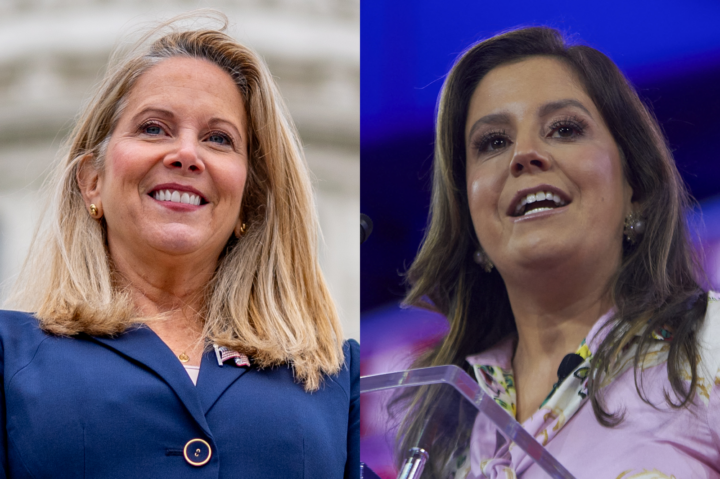
Andrew Harnik/Getty Images & DOMINIC GWINN via Getty Images
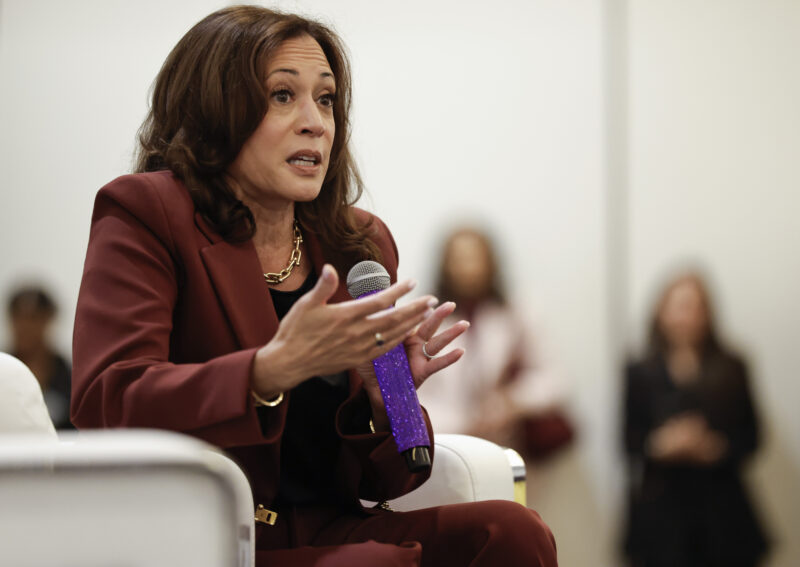
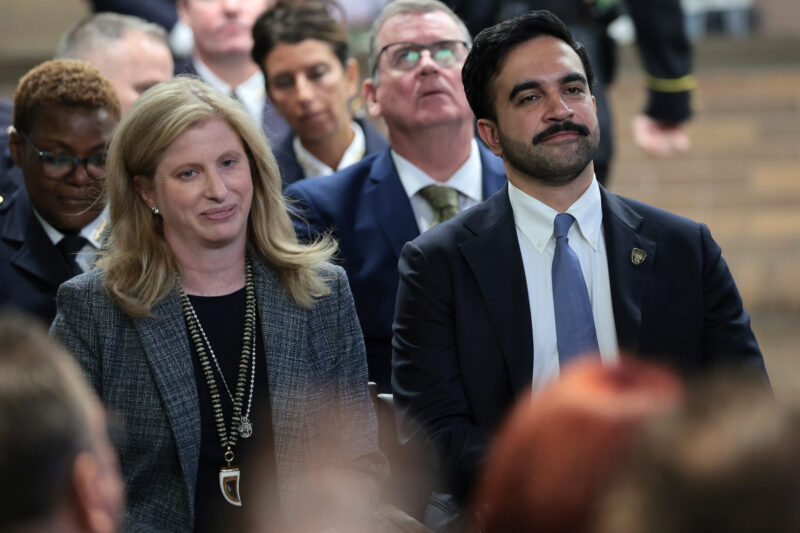
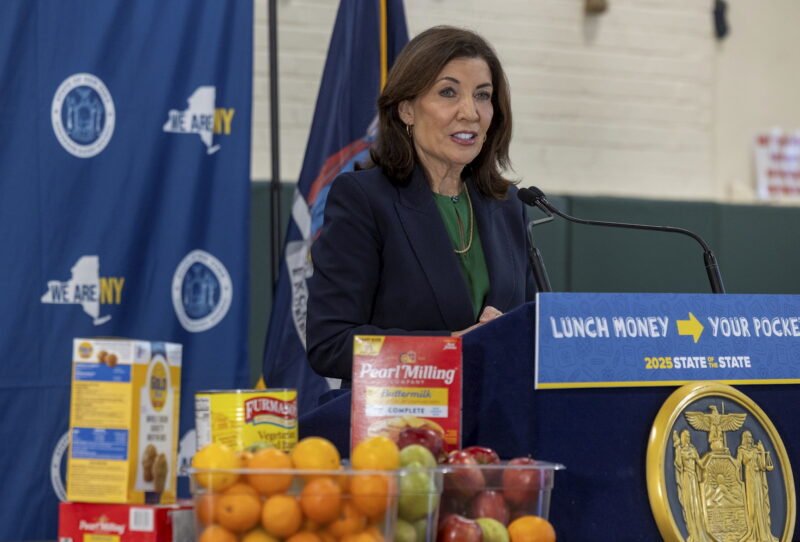
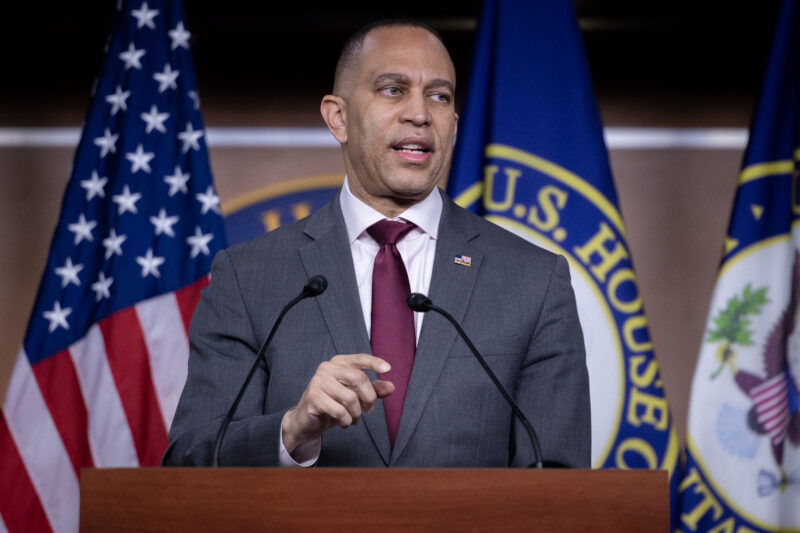
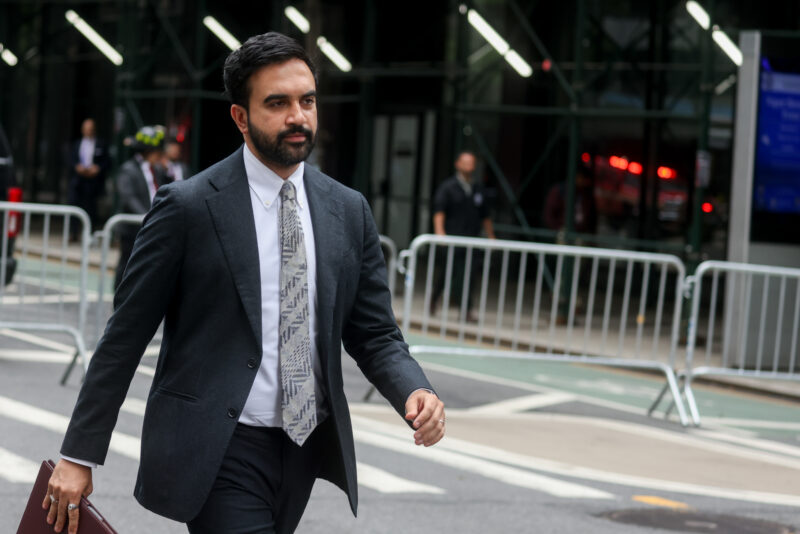
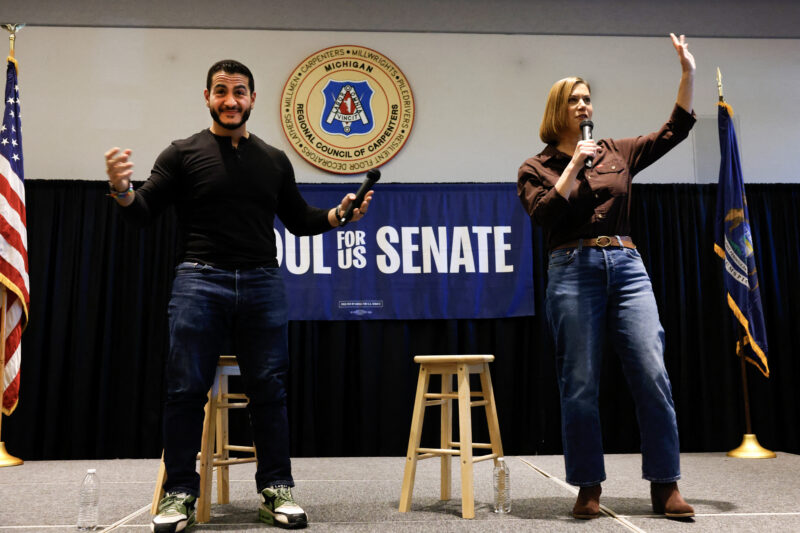
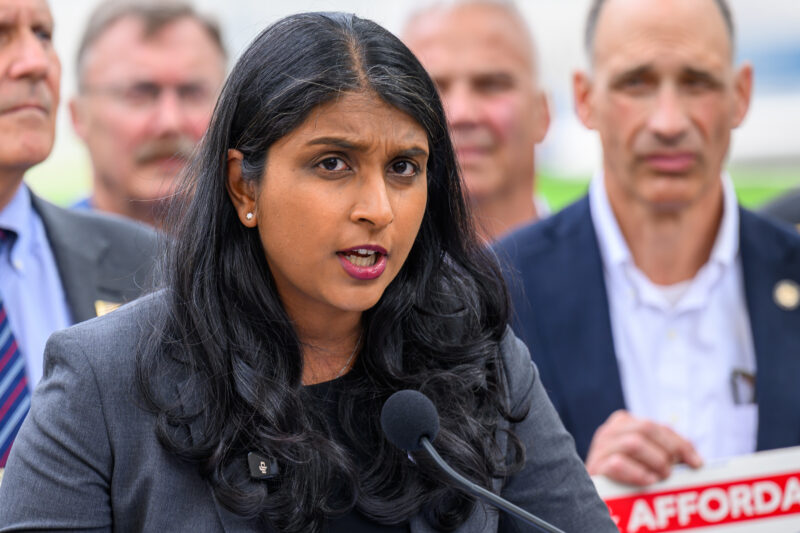
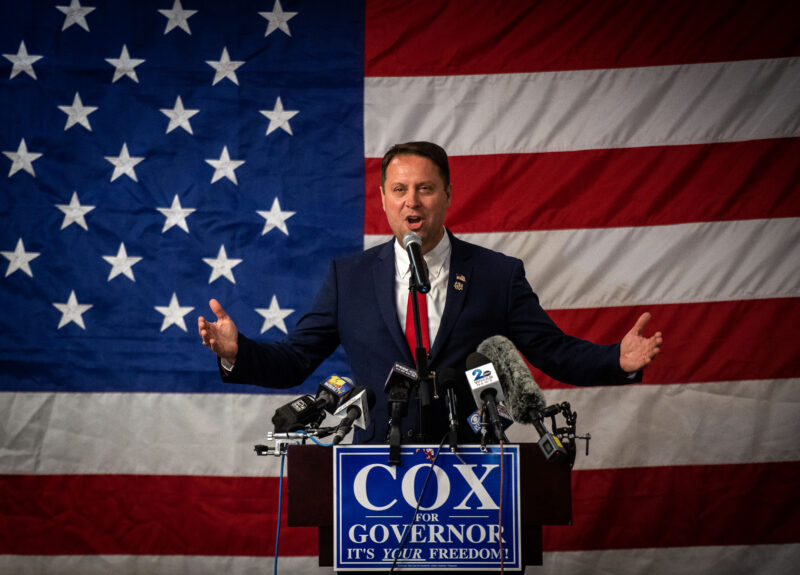
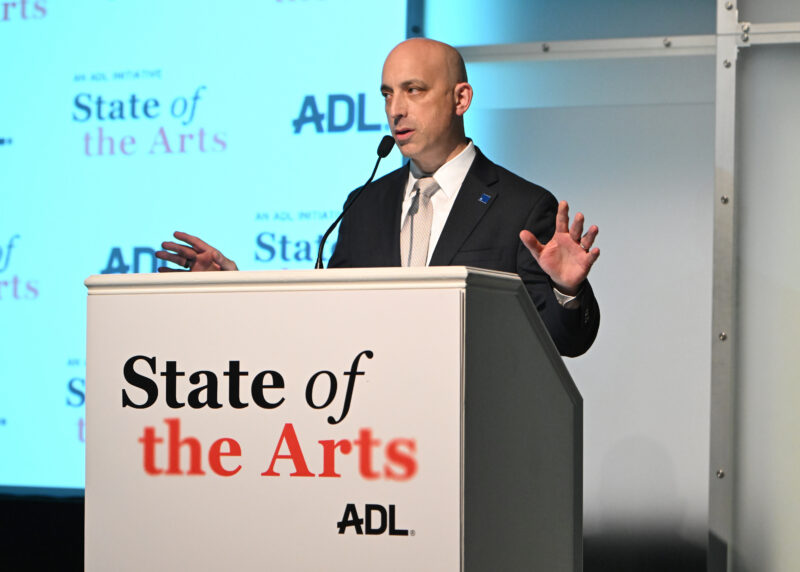
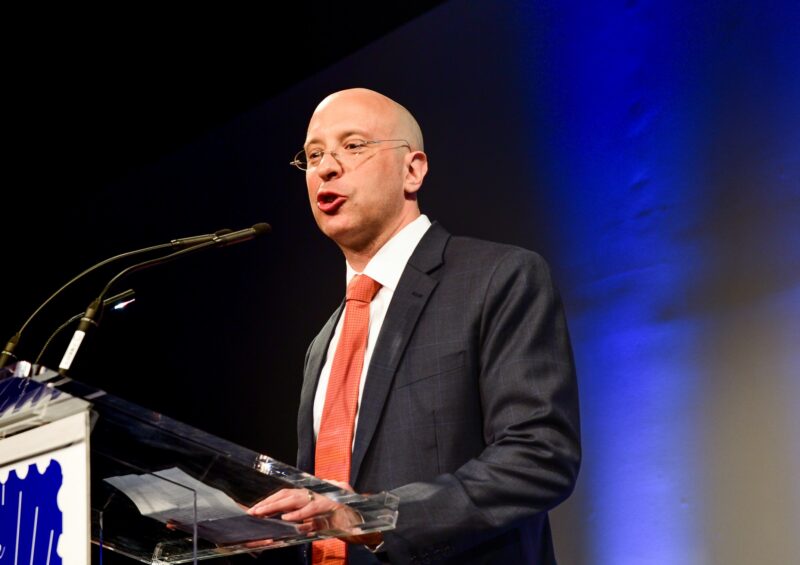
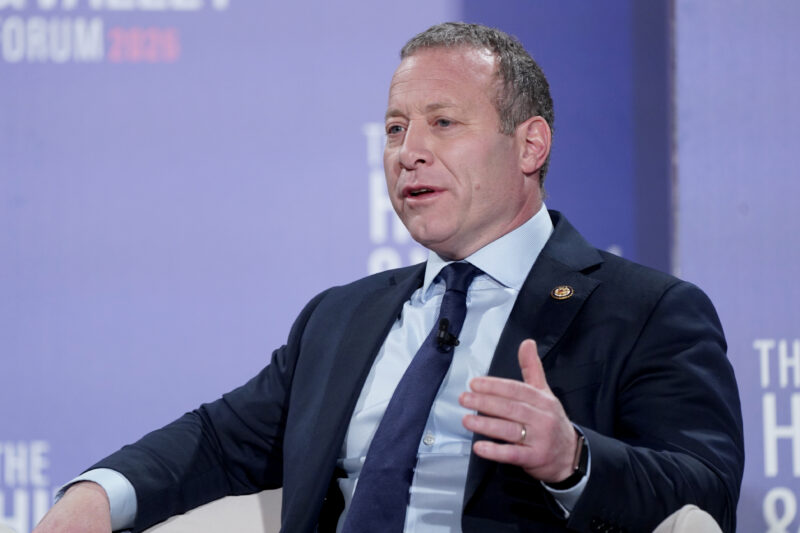
Laura Gillen (D-NY) and Reps. Elise Stefanik (R-NY)


 Add JewishInsider on Google
Reps. Elise Stefanik (R-NY) and Laura Gillen (D-NY) this week introduced the Student Protection and University Accountability Act, which aims to compel schools to institute clear policies for addressing antisemitism and other forms of discrimination under Title VI of the Civil Rights Act, or face losing their federal funding if they fail to do so.
The bill requires schools to designate a specified Title VI coordinator and to develop clear procedures for investigating student complaints and publicize those procedures, as well as to publicly display guidance from the Department of Education on Title VI complaints.
The bill also requires schools to provide timely notifications to complainants if an investigation is opened or declined, and on the outcome of such an investigation, as well as create a system for maintaining records of complaints and how they were addressed.
Schools would be required to certify annually to the Department of Education that they are complying with these provisions, and would be ineligible for federal funding if they fail to comply for two years in a row.
The legislation also limits the circumstances under which the Department of Education’s Office for Civil Rights can dismiss Title VI complaints before they are fully investigated, and requires the department to brief Congress monthly on investigations and how it plans to address them.
Some of the bill’s provisions have been included in other antisemitism legislation, including the Jewish American Security Act, a bipartisan and bicameral package of measures to combat antisemitism. Some provisions also mirror regulations around Title IX, which addresses sex-based discrimination on campuses.
“The surge of antisemitism on college campuses since October 7th is shocking and unacceptable,” Gillen said in a statement. “Colleges and universities must be held accountable for enforcing civil rights and protecting all students from harassment and discrimination. I’m proud to co-lead this bipartisan bill to stop antisemitism and all forms of hate on campus.”
Stefanik did not respond to a request for comment.
Nathan Diament, the executive director of the Orthodox Union Advocacy Center, said the bill aims to ensure that antisemitism complaints are taken seriously and addressed.
“We appreciate Reps. Stefanik and Gillen’s leadership and effort to create actionable and enforceable policy surrounding Jewish students’ legally protected rights on campus,” Diament said. “Many university administrations give second-class status to complaints about antisemitism on campus and have ignored, dismissed, or dragged out those complaints with no resolution or accountability.”
“Passing the Student Protection and University Accountability Act will be a critical victory for Jewish students who have faced attacks and for any student experiencing discrimination under Title VI because it will compel university administrators to put proper procedures in place or automatically lose their eligibility for federal funds,” he continued.
Murphy and other Democrats were reportedly concerned that support for the legislation would fuel primary campaigns against incumbents

AP Photo/Eduardo Munoz Alvarez
New Jersey Gov. Phil Murphy speaks during a press conference to announce that George Helmy will take the U.S. Senate seat that will soon be vacated by Senator Bob Menendez, in Newark, New Jersey, Friday, Aug. 16, 2024.
A high-profile New Jersey bill adopting the International Holocaust Remembrance Alliance’s working definition of antisemitism is not expected to pass in the current New Jersey Assembly session, four sources familiar with the situation told Jewish Insider.
Two sources familiar with the legislation said that Gov. Phil Murphy opposed the legislation and was a key obstacle to its passage.
Assemblyman Gary Schaer, the Democratic lead sponsor of the legislation, told Politico on Thursday that he had been told by the assembly speaker that the legislation would not be on the docket for the assembly’s final session next week because it did not have “the necessary votes to get where we wanted to.”
“Leadership in the assembly, in the Senate and in the governor’s office have tried significantly to get it done, but they have not been able to get it done,” Schaer told JI. “My office worked closely with any number of agencies and organizations, but the effort was just — cannot get it done. Do I think the bill can pass at some point? The answer is yes, but it requires a political will which does not seem to be evident.”
The legislation was cosponsored by a significant majority of the assembly, but — assuming any Democrats not cosponsoring the bill would have voted against it — it would not have been able to pass with Democratic votes alone.
The bill would have instructed law enforcement to take the IHRA definition into account when determining if violations of state or federal anti-bias law have occurred or whether criminal acts were motivated by antisemitism, and to use it for training public officials and responding to antisemitic incidents.
The legislation, which has been a priority for Jewish state leaders, became a flashpoint among Democratic gubernatorial candidates and in Democratic politics last year. After much debate, it moved through committee in the state Assembly, but hasn’t received a full-chamber vote in either the Assembly or the state Senate. The legislature’s session ends on Monday, and Gov.-elect Mikie Sherrill will be sworn in the following week.
Two sources familiar with the legislation blamed Murphy, the outgoing governor, for its failure, alleging that he did not want to be forced to make a decision whether to sign it.
One source familiar with the situation emphasized that the legislation had the support to pass, but that Democratic leaders were reluctant to move the bill forward to a full vote — concerned that support for the bill would place some Democratic members in danger of progressive primary challenges in the future. Concerns about such primary challenges are already widespread, and leaders were concerned that the IHRA bill could give challengers additional ammunition against Democratic incumbents.
The legislation has been attacked by progressive Democrats as an attempt to silence free speech and criticism of Israel, despite provisions in the legislation protecting free speech and its narrow application in criminal matters.
The Murphy administration declined to comment on pending legislation, but emphasized that Murphy “unequivocally condemns all forms of violence and discrimination based on religious belief” and pointed to past statements and initiatives he has supported to combat rising antisemitism in the Garden State.
Rep. Josh Gottheimer (D-NJ) told Politico that Murphy would have signed the bill had it passed the legislature.
Another source familiar with the situation said that there had been significant finger-pointing between Murphy, Senate President Nicholas Scutari and Assembly Speaker Craig Coughlin, with each blaming the others for the legislation’s failure to pass. Scutari and Coughlin did not respond to requests for comment.
Assemblyman Mike Inganamort, the lead Republican sponsor of the legislation, told JI he’s “disappointed” the legislation has not made it into law.
“This has been going on for a long time now, preceding even my time in the legislature,” he said. “I think advocates are tired of getting jerked around. Frankly, what I’m hearing from them is they’re tired of the lip service … all we’re asking for is a simple up-or-down vote.”
He emphasized that the legislation is co-sponsored by approximately three-quarters of the Assembly but votes have repeatedly been postponed — “so does the majority rule or not?”
He said that he’s not involved in internal discussions among Democrats about the bill, but said, “the reality is, it’s highly likely that there is a very vocal fringe that is opposed to this legislation. And I sure hope they’re not the ones calling the shots.”
Inganamort said that he’ll work with his fellow sponsors to “fight again in the new term,” though he said that he’s not “terribly optimistic that we’re going to achieve more success in a new term under a new governor,” saying he had been “cautioned to re-read” Gov.-elect Mikie Sherrill’s “exact words” on the subject.
Gov.-elect Mikie Sherrill told JI in February 2025 that she “supported the IHRA definition in the U.S. House, and would support the current state Senate bill to combat the alarming rise of antisemitism in New Jersey.” Some Jewish leaders told JI that she made comments later in the campaign that included caveats about free speech concerns — which is protected in the existing legislation — but ultimately clarified and strengthened her position.
Please log in if you already have a subscription, or subscribe to access the latest updates.
 Continue with Google

 Continue with Apple